Sri Lanka Travel Guide

The teardrop island of ancient kingdoms, misty tea plantations, pristine beaches, and incredible wildlife

8 UNESCO Sites Budget: €30-40/day Best: Dec-Mar (West/South) Visa: ETA ~€30

Overview & Why Visit Sri Lanka

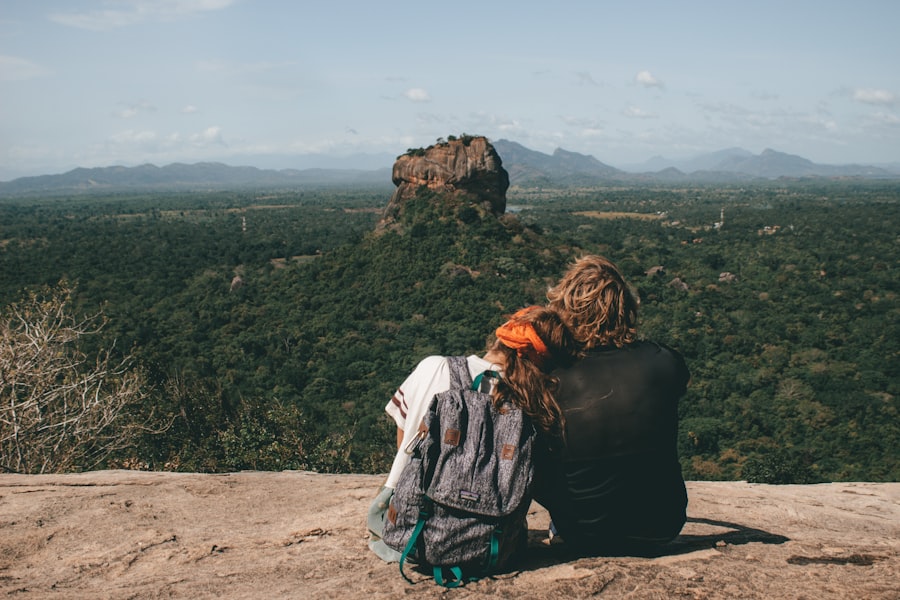
Sigiriya Lion Rock fortress rising from the jungle

Sri Lanka is a destination that punches far above its weight.

  • Compact size: This teardrop-shaped island nation is smaller than Ireland
  • Astonishing diversity: Ancient civilizations dating back 2,500+ years, 8 UNESCO World Heritage Sites, pristine beaches, misty highlands, wildlife-packed national parks, and some of the world's best tea
  • Accessibility: The island's compact size means you can experience beaches, mountains, and ancient ruins all in one trip

From the iconic Sigiriya Lion Rock to the scenic Kandy-Ella train journey, from leopard safaris in Yala to whale watching in Mirissa, Sri Lanka offers a perfect blend of culture, nature, and adventure. The island's compact size means you can experience beaches, mountains, and ancient ruins all in one trip.

Sri Lanka's cultural tapestry is woven from diverse influences:

  • Sinhalese Buddhist traditions and temples
  • Tamil Hindu culture and kovils
  • Colonial heritage: Portuguese, Dutch, and British influences
  • Unique atmosphere: Ancient temples stand alongside colonial forts, and diverse cuisines blend into one of Asia's most flavorful food scenes

Budget

€30-40/day for budget travelers (hostels, local food, buses). Mid-range €60-80/day. More affordable than Thailand but pricier than India.

Best Season

Dec-Mar for west/south coast + hill country. Apr-Sep for east coast. Cultural Triangle is year-round.

Visa

ETA (Electronic Travel Authorization) required, ~€30, apply online before arrival. 30 days standard.

Safety

4/5 - Generally very safe. Watch for tourist scams at popular sites. Post-civil war, the country is stable and welcoming.

Food

5/5 - Rice and curry is a daily feast. Hoppers, kottu roti, fresh seafood, and Ceylon tea. Vegetarian-friendly.

Transport

3/5 - Scenic trains (slow), crazy buses (cheap), tuk-tuks everywhere. Hiring a driver is popular and affordable.
Why Sri Lanka Stands Out Unlike Southeast Asia's well-trodden backpacker trail, Sri Lanka offers a more intimate, less commercialized experience. The island's diversity means you can climb ancient rock fortresses in the morning, ride scenic trains through tea plantations in the afternoon, and watch elephants at sunset—all in the same day.

Best Time to Visit

Sri Lanka's tropical climate is governed by two monsoon seasons, which means different parts of the island have different "best times" to visit.

  • Southwest Monsoon (Yala): May to September — brings heavy rain to the west and south coasts. During this time, the east coast enjoys its driest, sunniest weather
  • Northeast Monsoon (Maha): October to January — reverses the pattern. The east coast gets wet while the west and south dry out
  • Most popular route: For travelers targeting the west/south coast + hill country + Cultural Triangle, December to March is ideal

The Cultural Triangle (Sigiriya, Polonnaruwa, Anuradhapura) is relatively sheltered and can be visited year-round, though it's hot and humid regardless of season.

Month West Coast East Coast Hill Country Cultural Triangle
Jan Excellent Rainy Cool & Clear Hot & Dry
Feb Excellent Rainy Cool & Clear Hot & Dry
Mar Very Good Improving Warming Up Very Hot
Apr Transitional Good Thunderstorms Very Hot
May Monsoon Excellent Wet Hot
Jun Monsoon Excellent Wet Hot
Jul Monsoon Excellent Cooler Hot
Aug Monsoon Excellent Cooler Hot
Sep Improving Very Good Wet Hot
Oct Transitional Monsoon Starts Thunderstorms Hot
Nov Improving Monsoon Wet Hot
Dec Excellent Monsoon Cool & Clear Hot & Dry
Pro Tip: Chase the Sun If you have flexibility, plan your route around the monsoons. Start on the west/south coast in Dec-Mar, then head to the east coast Apr-Sep. This way you'll always be in the dry zone.

Map of Sri Lanka

Sri Lanka's compact teardrop shape makes it easy to navigate. Most travelers follow a loop: Colombo → Cultural Triangle → Hill Country → South Coast → back to Colombo. The island is roughly 430km north-to-south and 225km east-to-west.

Sigiriya Anuradhapura Polonnaruwa Dambulla Kandy Ella Nuwara Eliya Galle Mirissa Tangalle Trincomalee Arugam Bay Colombo Jaffna Yala NP
Cultural Triangle
Hill Country
West/South Coast
East/North
Wildlife Parks

Climate & Weather

Sri Lanka has a tropical climate with high temperatures and humidity year-round. However, the island's geography creates distinct microclimates:

  • Coastal areas: Hot and humid throughout the year
  • Central highlands: Significantly cooler temperatures provide a refreshing escape

The two monsoon systems are the defining feature of Sri Lankan weather:

  • Southwest Monsoon (Yala): May-September. Affects west, south, and central highlands. Heavy afternoon rains, rough seas.
  • Northeast Monsoon (Maha): October-January. Affects east and north coasts. West/south coasts are dry during this period.

Highland Climate: Ella, Nuwara Eliya, and Kandy sit at 1,000-2,000m elevation. Temperatures here range from 15-22°C, making it a refreshing escape from coastal heat. Mornings can be chilly (bring a light jacket). Mist and fog are common, especially in Nuwara Eliya.

Coastal Climate: Colombo, Galle, Mirissa, Trincomalee, and Arugam Bay stay hot year-round: 28-32°C. Humidity hovers around 70-85%, making it feel hotter. Sea breezes provide some relief.

Inter-Monsoon Periods (April, October-November): These transitional months bring unpredictable weather island-wide. Expect sudden thunderstorms, high humidity, and occasional flooding. Not ideal for travel, but prices drop and crowds thin out.

Altitude Temperature Drops Don't underestimate the highland chill. Nuwara Eliya can drop to 10°C at night. If you're hiking Adam's Peak (2,243m) for sunrise, expect near-freezing temperatures at the summit. Pack layers.

Average Temperatures

Temperatures vary significantly by region and elevation. Coastal areas stay consistently hot, while the highlands offer cooler, more comfortable conditions.

Location Jan Feb Mar Apr May Jun Jul Aug Sep Oct Nov Dec
Colombo 26°C 27°C 28°C 29°C 29°C 28°C 28°C 28°C 28°C 27°C 26°C 26°C
Kandy 23°C 24°C 25°C 26°C 26°C 25°C 25°C 25°C 25°C 24°C 23°C 23°C
Nuwara Eliya 16°C 17°C 18°C 19°C 19°C 18°C 18°C 18°C 18°C 18°C 17°C 16°C
Trincomalee 25°C 26°C 28°C 30°C 31°C 31°C 30°C 30°C 29°C 28°C 26°C 25°C
Ella 20°C 21°C 22°C 23°C 23°C 22°C 22°C 22°C 22°C 21°C 20°C 20°C
Rainfall (mm) 60 70 130 230 370 220 140 110 160 310 310 150

Key Takeaway: If you're heat-sensitive, spend more time in the highlands (Ella, Nuwara Eliya, Kandy). If you love beach weather, the coasts are consistently warm—just pick the right season to avoid monsoons.

Seasons Deep Dive

Dry Season West/South (December-March)

This is peak season for good reason. The west and south coasts (Colombo, Galle, Mirissa, Unawatuna) enjoy clear skies, calm seas, and perfect beach weather. The hill country (Kandy, Ella, Nuwara Eliya) is also at its best—cool, clear, and ideal for hiking.

Pros: Best weather island-wide (except east coast). Whale watching season begins in Mirissa (Nov-Apr). All attractions open and accessible.

Cons: Tourist peak means higher prices (accommodation can double). Popular spots like Sigiriya and Ella get crowded. Book trains and guesthouses in advance.

Southwest Monsoon (May-September)

The Yala monsoon brings heavy rain to the west and south coasts. Beaches are less appealing (rough seas, overcast skies), but this is when the east coast shines. Trincomalee, Arugam Bay, and Passikudah have their best weather during these months.

Pros: East coast at its peak. Arugam Bay surfing season (May-Sep). Lower prices on the west/south coast. Fewer tourists in the Cultural Triangle.

Cons: West/south coast beaches are rainy and rough. Hill country gets wet (but still visitable). Some coastal roads flood.

Northeast Monsoon (October-January)

The Maha monsoon affects the east and north coasts, making them wet and stormy. Meanwhile, the west and south coasts start drying out, transitioning into peak season by December.

Pros: West/south coast improving rapidly. Cultural festivals (Deepavali in Oct/Nov, Christmas in Dec). Good time for the Cultural Triangle.

Cons: East coast is off-limits (heavy rain, rough seas). October-November are transitional and unpredictable island-wide.

Inter-Monsoon (April, October-November)

These transitional periods are the trickiest. Weather is unpredictable across the island—expect sudden thunderstorms, high humidity, and occasional flooding. Not ideal for beach holidays, but the Cultural Triangle remains accessible.

Pros: Lowest prices. Fewest tourists. Good for budget travelers who don't mind rain. Cultural Triangle is still hot and dry.

Cons: Unpredictable weather. Beaches are hit-or-miss. Some roads and attractions may close due to flooding.

Packing Guide

Essentials

  • Light cotton/linen clothing: Breathable fabrics are essential in the heat and humidity. Pack quick-dry materials.
  • Modest temple wear: Shoulders and knees must be covered at temples. A lightweight sarong or long pants + t-shirt works. Remove shoes before entering.
  • Rain jacket: Even in dry season, the highlands (Ella, Nuwara Eliya) can get sudden showers. A packable rain jacket is a lifesaver.
  • Good walking shoes: Essential for Ella Rock, Adam's Peak, Horton Plains, and Sigiriya. Sandals are fine for beaches and cities, but bring proper hiking shoes.
  • Reef-safe sunscreen SPF50+: The tropical sun is intense. Reef-safe formulas protect marine life (important for snorkeling/diving).
  • Mosquito repellent (DEET-based): Dengue fever is present in Sri Lanka. Use repellent, especially at dawn/dusk. Long sleeves help too.
  • Power adapter Type D and Type G: Sri Lanka uses UK-style plugs (Type G, 3-pin) and Indian-style (Type D, 3-round-pin). Bring a universal adapter.
  • Sarong: Multi-purpose: temple cover, beach towel, train blanket, picnic mat. Locals use them everywhere.

What NOT to Pack

  • Heavy winter clothes: Even Nuwara Eliya rarely drops below 10°C. A light fleece or hoodie is enough.
  • Too many shoes: You'll mostly wear sandals. One pair of hiking shoes + one pair of sandals is plenty.
  • Expensive jewelry for temples: Leave valuables at your guesthouse. Temples require removing shoes, and theft can happen.

Cultural Triangle: Ancient Cities

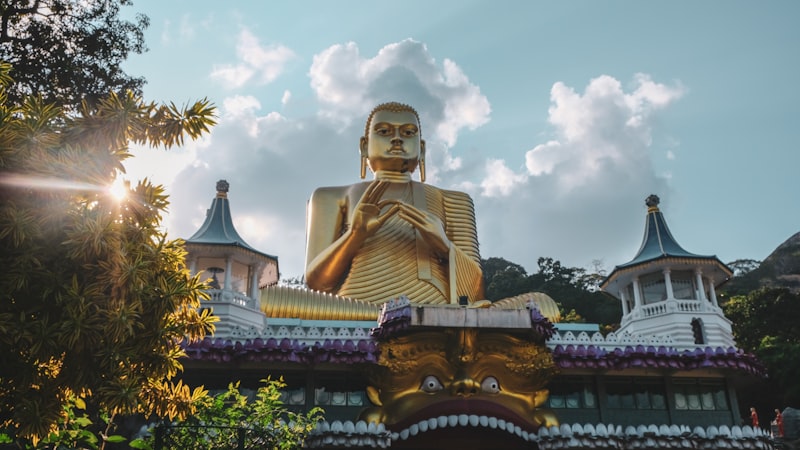
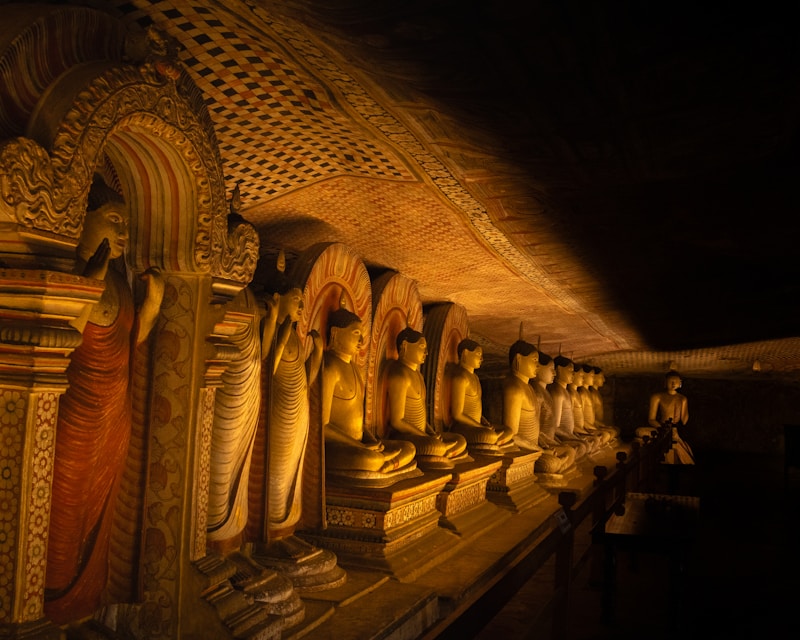
Row of golden Buddha statues in Dambulla cave temple

The Cultural Triangle is the heart of Sri Lanka's ancient civilization.

  • Location: Roughly bounded by Anuradhapura, Polonnaruwa, and Kandy
  • Archaeological significance: Contains some of the most impressive archaeological sites in Asia
  • Time needed: Budget 3-4 days to explore properly

Sigiriya (Lion Rock)

The crown jewel of Sri Lankan heritage. This 5th-century rock fortress rises 200m above the jungle, built by King Kashyapa as a palace and fortress. Climb 1,200 steps to the summit, passing ancient frescoes (the famous "Sigiriya Maidens"), the Mirror Wall (covered in ancient graffiti), and the massive lion paw entrance.

Entry: ~€28 (expensive, but worth it). Timing: Go at opening (7am) to beat the heat and crowds. The climb takes 2-3 hours. Allow 3-4 hours total. Tip: Bring water, sunscreen, and a hat. The summit offers 360° views of the jungle.

Dambulla Cave Temple

A UNESCO World Heritage Site featuring 5 caves filled with over 150 Buddha statues and 2,000-year-old murals. The caves are carved into a massive rock outcrop, and the interior is stunning—gold-leaf Buddhas, intricate ceiling paintings, and a serene atmosphere.

Entry: ~€14. Timing: Sunrise visit recommended (cooler, fewer crowds). Dress modestly (shoulders + knees covered). Remove shoes before entering. Tip: The walk up is steep—take your time.

Polonnaruwa

The medieval capital of Sri Lanka (11th-13th century), now a sprawling archaeological park. Highlights include the Gal Vihara—four colossal Buddha statues carved from a single granite wall. The site is well-preserved, with ruins of palaces, temples, and stupas.

Entry: ~€23. Timing: Rent a bicycle (~€2/day) to explore the vast site. It's hot and spread out—cycling is the best way to see everything. Allow a full day. Tip: Bring snacks and water. There are few food options inside the park.

Anuradhapura

The oldest continuously inhabited city in Sri Lanka, and the ancient capital for over 1,000 years. The highlight is the Sri Maha Bodhi—a sacred fig tree grown from a cutting of the original Bodhi tree under which Buddha attained enlightenment. At 2,300+ years old, it's the oldest documented tree in the world.

Entry: ~€23. Timing: A full day is needed to explore the sprawling ruins. Rent a bicycle or tuk-tuk. Tip: This is a pilgrimage site—dress modestly and be respectful. Locals come here to pray.

Sigiriya

€28 · 3-4 hours · Go at 7am · Iconic rock fortress

Dambulla

€14 · 2 hours · Sunrise best · Cave temple murals

Polonnaruwa

€23 · Full day · Rent a bike · Medieval capital

Anuradhapura

€23 · Full day · Sacred tree · Oldest city

Hill Country

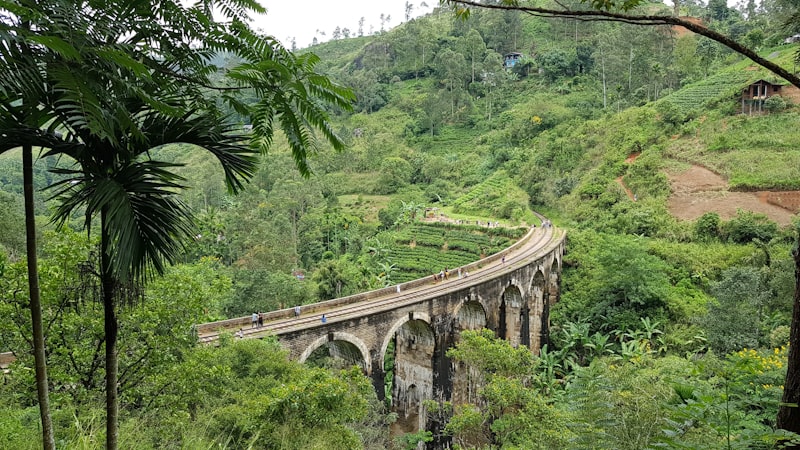
Nine Arch Bridge surrounded by lush green tea plantations in Ella

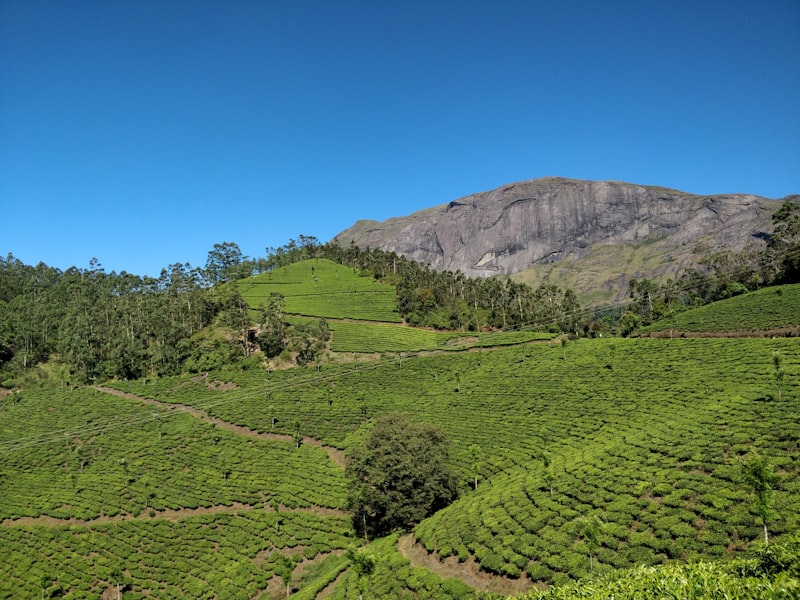
The Hill Country is Sri Lanka's cool, misty heart — a world of emerald tea plantations, colonial-era towns, and some of the island's best hiking.

  • Escape the heat: Experience a different side of Sri Lanka away from coastal temperatures
  • Tea culture: Visit working plantations and colonial-era estates
  • Scenic railways: Home to one of the world's most beautiful train journeys
  • Hiking paradise: Mountain trails and viewpoints throughout the region

Kandy

The cultural capital and gateway to the Hill Country. Temple of the Tooth (Sri Dalada Maligawa) houses a sacred tooth relic of Buddha and is one of the most important Buddhist sites in the world. Daily puja ceremonies (5:30am, 9:30am, 6:30pm) are mesmerizing—drums, chanting, and offerings.

Walk around Kandy Lake at sunset, visit the Peradeniya Botanical Gardens (€9 entry, beautiful orchid collection), and explore the bustling market. Kandy is a UNESCO World Heritage city. Stay: 2-3 nights.

Ella

The backpacker hub of the Hill Country. Ella is small, laid-back, and surrounded by jaw-dropping scenery. Nine Arch Bridge is the star attraction—trains pass over this colonial-era viaduct at ~6am, 9am, and 11am. Arrive early for photos without crowds.

Little Adam's Peak: Easy 45-minute hike with panoramic views. Perfect for sunrise or sunset. Ella Rock: Challenging 3-4 hour hike through tea plantations and jungle. Stunning 360° views from the summit. Ravana Falls: Waterfall just outside town—nice for a quick dip.

Ella has a backpacker vibe: cheap guesthouses, rooftop bars, and plenty of travelers. Stay: 2-3 nights.

Nuwara Eliya

Known as "Little England" for its colonial architecture, cool climate, and manicured gardens. This is tea country—visit a tea factory (Pedro, Mackwoods, Damro) for free tours and tastings. You'll see the entire process from leaf to cup.

Horton Plains + World's End: A must-do. This high-altitude plateau (~2,100m) features a dramatic cliff drop (World's End viewpoint) with views stretching to the coast. Entry €18. Critical: Start by 6am—clouds roll in by 9am and obscure the view. The 9km loop hike takes 3-4 hours.

Gregory Lake: Scenic lake in town, good for a stroll or paddle boat. Nuwara Eliya can drop to 10°C at night—bring warm layers.

The Kandy to Ella Train

One of the world's most scenic rail journeys. The 6-7 hour ride winds through tea plantations, misty mountains, waterfalls, and valleys. It's slow, but the views are unforgettable.

Booking: Book 1st class reserved seats in advance (~€5) via the Sri Lanka Railways website or at the station. 2nd class unreserved is fine if you queue early (arrive 1 hour before departure). Blue trains are newer and more comfortable.

Best seats: Right side of the train going from Kandy to Ella (left side going the opposite direction). Sit by the door for unobstructed views and photos. Tip: Bring snacks and water—vendors sell tea and snacks onboard, but options are limited.

The Train is the Experience Don't rush the Kandy-Ella train. Sit by the open door, hang your legs out (carefully!), and soak in the views. This is one of those rare journeys where the travel itself is the highlight.

South Coast & Beaches

Historic Galle Fort with colonial architecture and ocean views

The South Coast is where most travelers end their Sri Lanka journey—and for good reason.

  • Colonial history: Galle Fort and Dutch heritage
  • Pristine beaches: From Unawatuna to Tangalle
  • Whale watching: Blue whales off Mirissa coast
  • Laid-back atmosphere: Surf towns and beach relaxation

Galle Fort

A UNESCO World Heritage Site and one of the best-preserved colonial fortresses in Asia. Built by the Portuguese in 1588 and fortified by the Dutch, Galle Fort is a maze of cobblestone streets, boutique shops, cafes, and galleries.

Walk the ramparts at sunset—the views over the Indian Ocean are stunning. The fort is free to explore. Stay: 1-2 nights. Galle is more upscale than other beach towns, but worth it for the atmosphere.

Unawatuna

A popular beach town just 5km from Galle. Good for snorkeling—the bay is calm and protected. Visit the Japanese Peace Pagoda on the hill for panoramic views. Jungle Beach (a hidden gem nearby) is quieter and less developed.

Unawatuna is budget-friendly with plenty of guesthouses and beach shacks. It's a good base for exploring Galle and the surrounding area.

Mirissa

The whale watching capital of Sri Lanka. From November to April, blue whales and sperm whales migrate past the south coast. Tours depart at dawn (~€37 per trip, 3-4 hours). Sightings are common, but not guaranteed.

Coconut Tree Hill: The Instagram spot—a palm-covered headland with ocean views. Best at sunrise or sunset. Mirissa has a laid-back surf vibe, with beach bars and cheap seafood. Stay: 2-3 nights.

Weligama & Tangalle

Weligama is famous for beginner surfing—gentle waves, surf schools, and board rentals everywhere. You'll also see the iconic stilt fishermen (though many now pose for tips rather than actually fishing).

Tangalle is quieter and more remote. Long, empty beaches, fewer tourists, and a slower pace. This is where you go to unwind. Turtle nesting happens here (seasonal)—ask locals about conservation projects.

Yala National Park

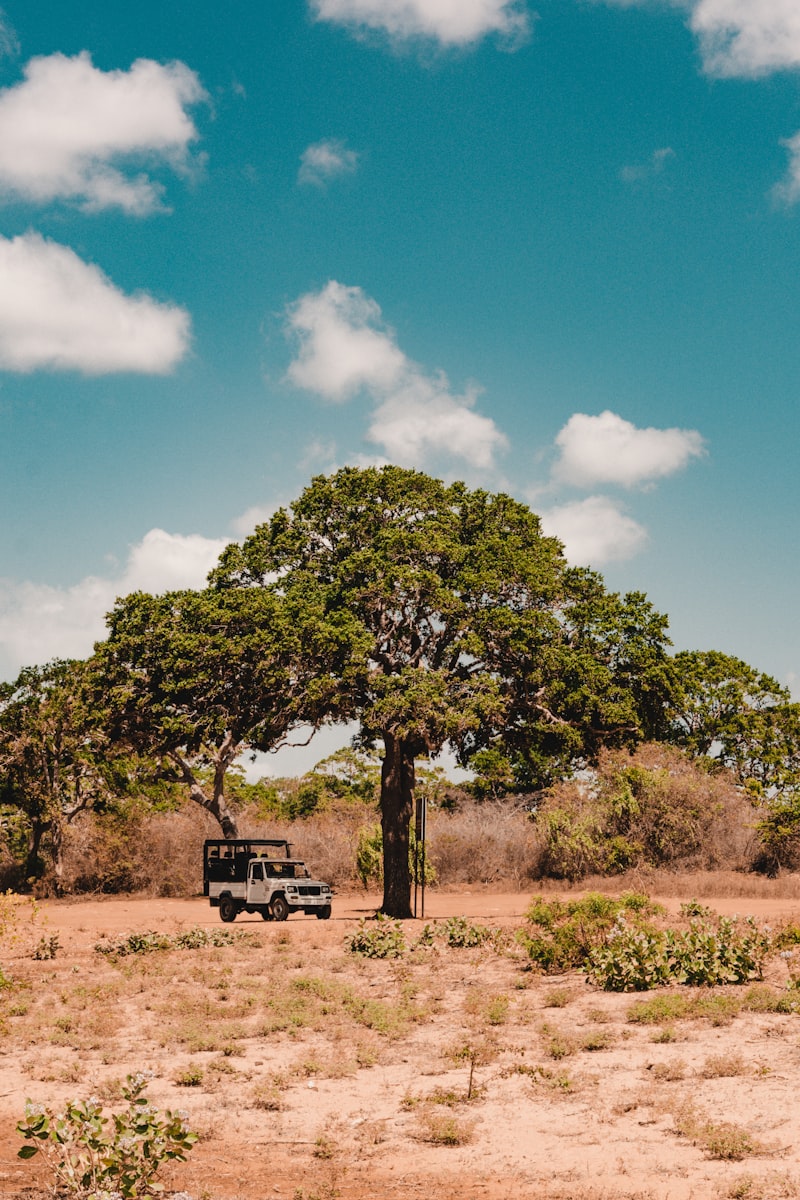
Sri Lanka's most famous wildlife park, known for having the highest leopard density in the world. Half-day safaris cost ~€35-55 (park fees + jeep). Best time: Dawn (6am). You'll also see elephants, crocodiles, peacocks, and water buffalo.

Book through your guesthouse in Tissamaharama or Kirinda (gateway towns to Yala). Tip: Yala gets crowded—jeeps cluster around leopard sightings. For a quieter experience, try Udawalawe or Wilpattu National Parks instead.

West Coast & Colombo

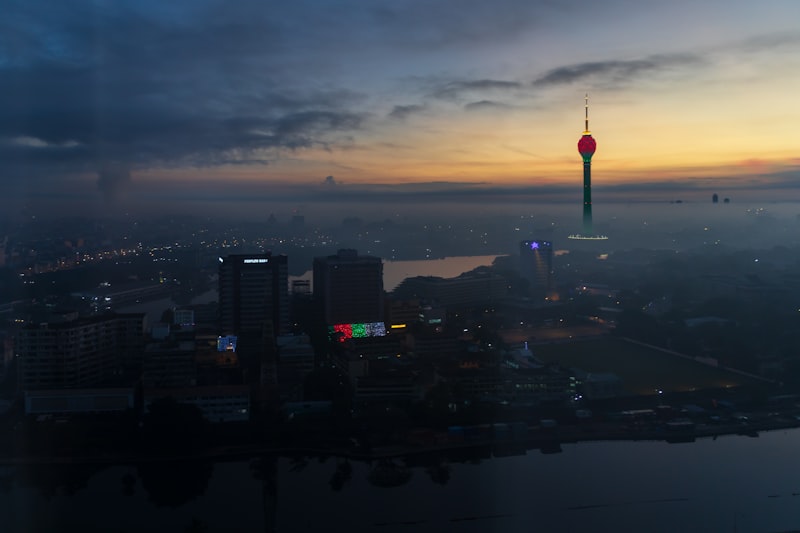
Colombo city skyline with modern buildings and colonial architecture

Colombo

Sri Lanka's bustling capital is a mix of colonial architecture, modern skyscrapers, and chaotic markets. Gangaramaya Temple is an eclectic Buddhist temple complex (free entry) blending Sri Lankan, Thai, Indian, and Chinese architecture. Pettah Market is the chaotic heart of Colombo—narrow lanes packed with vendors selling everything from spices to electronics.

Galle Face Green is the city's seafront promenade, perfect for sunset walks and street food (samosas, isso wade, fresh coconut for €1-3). Independence Square and the Dutch Hospital Shopping Precinct (converted colonial building with cafes and shops) are worth a visit. Colombo is best experienced in 1-2 days. Use tuk-tuks or the PickMe app (Sri Lanka's Uber equivalent) to get around.

Negombo

Gateway city near Bandaranaike International Airport, Negombo is where many travelers start or end their trip. The fish market (early morning) is lively and photogenic. Dutch canals run through the town, and the beach is decent but not spectacular. Good for a first or last night in Sri Lanka. Budget guesthouses from €15.

Bentota

Resort town on the southwest coast, popular with package tourists. Water sports include jet skiing, banana boats, and boat safaris on the Bentota River (mangroves, monitor lizards, birdlife). Brief Garden (landscaped estate of artist Bevis Bawa) and Lunuganga (Geoffrey Bawa's country estate) are nearby. More upmarket than backpacker-focused areas.

East Coast

Trincomalee

Pigeon Island National Park offers the best snorkelling in Sri Lanka—reef sharks, sea turtles, vibrant coral. Entry €9 plus boat €5. Nilaveli Beach is pristine and uncrowded, with powdery white sand. Koneswaram Temple is a dramatic Hindu temple perched on a cliff overlooking the ocean. Best season: May-September.

Arugam Bay

Sri Lanka's surf capital. The main point break is intermediate to advanced. Pottuvil Point and Whiskey Point are better for beginners. Laid-back vibe with beach bars, yoga studios, and backpacker hostels. Best surf season: April-October. Board rental around €5/day.

Batticaloa & Passikudah

Quiet beaches off the main tourist trail. Batticaloa lagoon is famous for the "singing fish" legend (a humming sound heard underwater on full moon nights). Passikudah has calm, shallow waters perfect for swimming—one of the safest beaches in Sri Lanka.

Timing Your East Coast Visit The east coast has the opposite monsoon pattern to the west/south. Visit May-September for the best weather. During December-March, the east coast can be rainy and rough.

The North

Jaffna

Nallur Kandaswamy Kovil is a stunning Hindu temple with vibrant festivals and intricate architecture. Jaffna Fort (Dutch-built, later occupied by Portuguese and British) overlooks the lagoon. The Jaffna Library, rebuilt after being destroyed during the civil war, is a symbol of resilience. Tamil culture and cuisine dominate here—Jaffna crab curry is legendary.

Delft Island

Remote island accessible by ferry from Jaffna (around €1). Wild ponies roam freely, baobab trees (brought by Arab traders) dot the landscape, and coral formations create an otherworldly atmosphere. Undeveloped and genuinely off the beaten path.

The north is emerging as a tourism destination post-civil war. Infrastructure is improving, but it remains less visited than the south. Travelers here experience a different side of Sri Lanka—Tamil culture, Hindu temples, and a slower pace.

Sensitivity & History The north was heavily affected by the civil war (1983-2009). While the region is now safe for travel, be respectful when discussing the conflict. Landmines have been cleared from tourist areas, but stick to marked paths in remote regions.

Top Sightseeing Experiences

Ancient Buddhist cave temple with golden Buddha statues at Dambulla

The Unmissable Ten

  1. Climb Sigiriya at sunrise – Ancient rock fortress with frescoes and panoramic views
  2. Train ride Kandy to Ella – One of the world's most scenic rail journeys through tea country
  3. Whale watching from Mirissa – Blue whales, sperm whales, and spinner dolphins (Nov-Apr)
  4. Safari at Yala National Park – Highest leopard density in the world, plus elephants and sloth bears
  5. Walk the ramparts of Galle Fort at sunset – Colonial Dutch fort with ocean views
  6. Visit Temple of the Tooth in Kandy – Sacred Buddhist relic, daily puja ceremonies
  7. Hike to World's End at Horton Plains – 880m cliff drop with misty highland scenery
  8. Explore Dambulla Cave Temple – Five caves filled with Buddha statues and ancient murals
  9. Watch the elephants at Minneriya – "The Gathering" (Aug-Oct) sees 300+ elephants congregate
  10. Sunrise from Adam's Peak (Sri Pada) – Sacred pilgrimage, 5500 steps, multi-faith significance

Honourable Mentions

Polonnaruwa by bicycle – Ancient ruins spread across a vast site, best explored on two wheels. Ella Rock hike – Challenging but rewarding trek with 360-degree views. Mirissa Coconut Tree Hill – Instagram-famous viewpoint. Udawalawe elephant safari – Guaranteed elephant sightings, less crowded than Yala. Sigiriya from Pidurangala Rock – Cheaper alternative (€2 vs €25) with better views of Sigiriya itself.

Culture & Etiquette

Ayubowan Greeting

The traditional greeting is "Ayubowan" (pronounced "ah-yoo-BOH-wahn"), meaning "may you live long." Place your palms together at chest level and bow slightly. It's a respectful way to greet locals, especially in rural areas.

Temple Etiquette

Remove shoes AND hats before entering temples. Cover shoulders and knees (sarongs are often available at temple entrances). Never turn your back to Buddha statues—this is deeply offensive. Don't point with your finger; use your whole hand. On Poya days (full moon public holidays), wear white clothing if visiting temples.

Photography

Never pose with Buddha statues in a disrespectful way—no turning your back, no silly poses. This can result in arrest and deportation (it has happened). Always ask before photographing people, especially monks.

Dress Code

Dress modestly outside beach areas. No bikini tops or shirtless men in towns or on public transport. Beachwear is fine at the beach, but cover up when leaving.

Poya Days

Full moon days are public holidays. No alcohol is sold (hotels may serve to guests). Some attractions close or have reduced hours. Plan around Poya days if possible.

Tipping

10% at restaurants if no service charge is included. €2-3 per day for drivers on multi-day trips. Small tips (€0.50-1) for temple shoe-minders and helpful locals.

Food & Drink

Traditional Sri Lankan rice and curry spread with multiple dishes

Essential Dishes to Try

Rice & Curry – The staple meal. A plate of rice surrounded by multiple curries: dhal, fish, chicken, vegetable, plus pol sambol (spicy coconut relish) and papadum. At local restaurants, expect €2-4 for a full spread. It's a daily feast.

Hoppers (Appa) – Bowl-shaped rice flour pancakes, crispy on the edges, soft in the center. Egg hoppers have an egg cracked into the center. String hoppers are steamed rice noodle nests. Breakfast staple, €0.50-1 each.

Kottu Roti – Chopped roti stir-fried with vegetables, egg, and/or meat. The rhythmic chopping sound on the griddle is iconic. €2-3 at street stalls.

Pol Sambol – Spicy coconut relish with chili, onion, and lime. On every Sri Lankan table. Mix it with rice and curry.

Lamprais – Dutch-Burgher influenced dish: rice, curries, and sambol wrapped in banana leaf and baked. €3-4. A Sunday special in many homes.

Curd & Treacle – Buffalo curd (thick, tangy yogurt) drizzled with kitul palm treacle (sweet syrup). Best in Ella and the hill country. €1.

Drinks

Ceylon tea – World-famous. Try it at a tea plantation. King coconut (thambili) – €0.30-0.50 from roadside vendors, incredibly refreshing. Arrack – Coconut spirit, the local firewater. Lion Lager – The national beer, €1.50-3 depending on location.

Spice Level Warning

Sri Lankan food is SPICY. If you can't handle heat, ask for "not spicy" or "hari hari" (less spicy). Drink king coconut or curd to cool down, not water.

Wildlife & Safari

Sri Lankan leopard spotted on safari in Yala National Park

Key Wildlife Encounters

Yala National Park – Highest leopard density in the world. Also home to elephants, sloth bears, crocodiles, and 200+ bird species. Half-day safari €35-55 (jeep + park fees). Block 1 is the most popular (and crowded). Early morning safaris offer the best leopard sightings.

Udawalawe National Park – Guaranteed elephant sightings (150-250 elephants in the park). Less touristy than Yala. Half-day safari €30-40. Also home to the Elephant Transit Home, an orphanage where you can watch baby elephants being fed.

Minneriya National Park – Famous for "The Gathering" (August-October), when up to 300 elephants congregate around the Minneriya Tank. One of Asia's greatest wildlife spectacles. Safari €30-40.

Sinharaja Forest Reserve – UNESCO-listed tropical rainforest. Endemic birds (Sri Lanka blue magpie, red-faced malkoha), giant squirrels, purple-faced langurs. Guided treks required. €15-25 including guide. Expect leeches (wear long socks).

Whale Watching (Mirissa) – Blue whales, sperm whales, and spinner dolphins. Season: November-April. Boat trip €30-40. Go with a reputable operator (ask your guesthouse). Early morning departure (6-7am), trips last 3-4 hours.

Turtle Hatcheries – South coast (Kosgoda, Habaraduwa). See nesting turtles and releases. Entry €2-4. Some are more conservation-focused than others—ask around.

Diving & Snorkelling

Tropical beach with palm trees at Unawatuna, south coast of Sri Lanka

Pigeon Island (Trincomalee)

Best snorkelling in Sri Lanka. Reef sharks, sea turtles, and colorful coral. National park entry €9 plus boat €5. Best season: May-September. Visibility is excellent, and the reef is shallow enough for snorkellers.

Hikkaduwa

Coral sanctuary on the southwest coast. Glass-bottom boats for non-swimmers. Sea turtles are common. Good for beginners. Diving from €30/dive. The reef has suffered from coral bleaching but is recovering.

Unawatuna

Easy shore snorkelling from the beach. Small reef with tropical fish. Diving €30-40/dive. The Japanese Peace Pagoda is a short hike from the beach and offers great views.

Wreck Diving

HMS Hermes (Trincomalee, 54m depth) – Advanced divers only. One of the largest diveable wrecks in the world. SS Mezen (Colombo) and Rangoon wreck (Galle) are also popular. Deep dive experience from €55.

Mirissa

Seasonal diving (November-April). Whale watching is more popular here than diving, but there are dive shops offering trips to nearby reefs.

Best Seasons for Diving West and south coast diving: November-April. East coast diving: May-September. Plan your dive destinations around the monsoon seasons.

Walks & Hikes

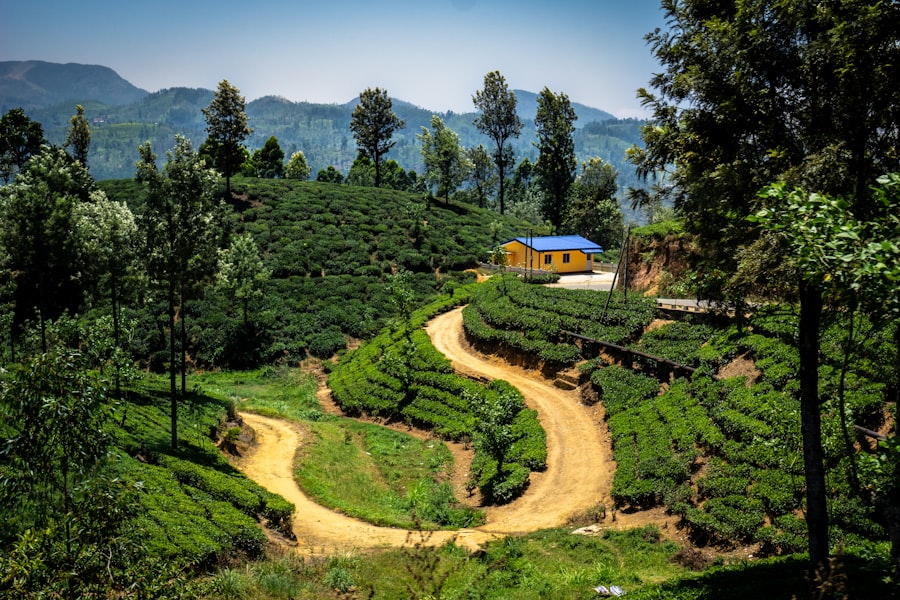
Lush green tea plantation with winding walking paths in the hill country

Best Walks & Hikes

Ella Rock – Challenging hike, 3-4 hours round trip. Starts near the railway tracks (ask locals for directions). Rewarding panoramic views of the hill country. Free. Go early morning to avoid heat and crowds.

Little Adam's Peak (Ella) – Easy 45-minute hike. Great for sunset views. Despite the name, it's a gentle walk suitable for all fitness levels. Free.

Adam's Peak (Sri Pada) – Sacred pilgrimage site, 5500 steps to the summit. Night hike for sunrise (start 2-3am). Season: December-May (illuminated path). Strenuous but achievable. Free entry. The footprint at the summit is claimed by Buddhists, Hindus, Christians, and Muslims.

Horton Plains & World's End – 9km loop trail through highland plateau. World's End is an 880m cliff drop with views across the southern plains. Start by 6am before clouds roll in. Entry €18. Take warm layers (temperatures can drop to 5°C at dawn).

Knuckles Mountain Range – Remote trekking area with cloud forests, waterfalls, and traditional villages. Multi-day treks available. Guide recommended. €10-20 for a guide per day.

Sinharaja Rainforest – Guided nature walks through UNESCO-listed rainforest. Leeches are common (wear long socks tucked into trousers). Incredible biodiversity—endemic birds, reptiles, and insects. €15-25 including guide.

Hidden Gems & Off the Beaten Path

Beyond the well-trodden tourist trail, Sri Lanka hides countless treasures waiting to be discovered.

  • Authentic experiences: Lesser-known spots offer genuine local interactions
  • Fewer crowds: Escape the tourist masses at popular sites
  • Better value: Often more affordable than their famous counterparts

Pidurangala Rock

Adjacent to Sigiriya, fraction of the cost (€3 vs €28), better views OF Sigiriya. 30min climb. Go for sunrise.

Bambarakanda Falls

Tallest waterfall in Sri Lanka (263m). Off the tourist trail near Haputale. Short hike.

Lipton's Seat

Thomas Lipton's favorite viewpoint above his tea estates. Tuk-tuk from Haputale (€8-10 return). Go before 10am for clear skies.

Udawattakele Forest (Kandy)

Royal forest sanctuary right behind Temple of the Tooth. Peaceful walks, monkeys, birds. €5 entry.

Kalpitiya

Dolphins by the hundreds (spinner dolphins), kitesurfing, remote beaches. No crowds.

Mannar Island

Baobab trees (brought by Arab traders), flamingos, Adam's Bridge (chain of shoals to India). Very few tourists.

Ella Spice Gardens

Not the tourist-trap ones - ask locals for family-run gardens. Free or small donation. Learn about cinnamon, pepper, cardamom growing.

Demodara Nine Arch Bridge from below

Most tourists watch from the hillside. Walk down to the tea fields below for the iconic upward angle. Free.

Route A: Classic 2-Week Loop

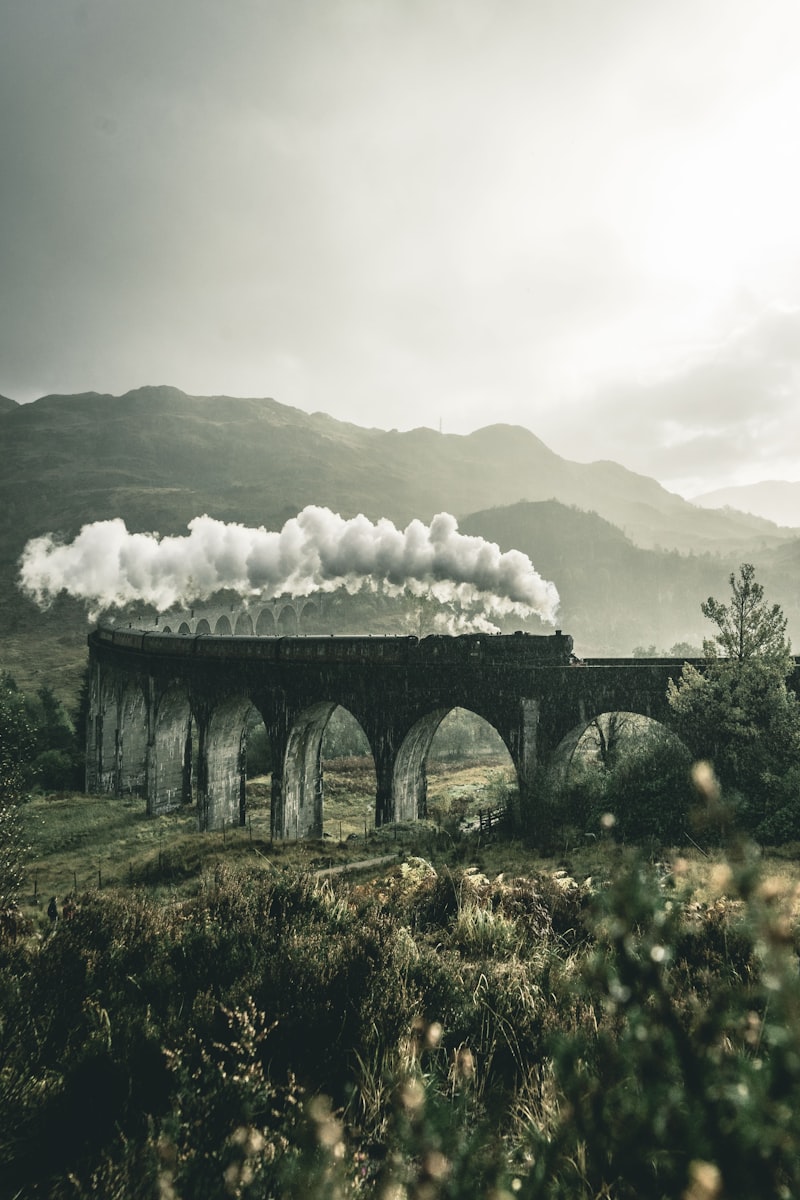
Blue train winding through Sri Lanka's lush hill country tea plantations

The perfect introduction to Sri Lanka, covering all the highlights in a comfortable 14-day itinerary. This route balances culture, nature, wildlife, and beaches with four destinations at 3–4 nights each — no rushed overnight stops.

Day 1–3 Sigiriya & Dambulla (3 nights) → Arrive Colombo, transfer to Sigiriya (5h). Lion Rock sunrise, Cave Temple, Pidurangala sunset, village cycling, Minneriya safari Day 4–6 Kandy (3 nights) → Temple of the Tooth, Royal Botanical Gardens, cultural shows, tea estate visit (Mackwoods/Giragama), Kandy Lake walks Day 7–10 Ella (4 nights) → Scenic train from Kandy (6–7hr, book 1st class), Nine Arch Bridge, Little Adam's Peak, Ella Rock, cooking class, Ravana Falls, relaxation day Day 11–13 South Coast & Galle (3 nights) → Mirissa whale watching (seasonal), Unawatuna beaches, Galle Fort sunset walks, seafood dinners Day 14 Return to Colombo → Departure

Budget Estimate (Per Couple)

Category Cost
Transport~€120
Accommodation (13 nights)~€350-500
Food (14 days)~€200-280
Activities~€180-250
Total~€850-1150

Route B: 3-Week Deep Dive

For those with more time, this extended route adds the north and east coast, offering a more complete picture of Sri Lanka's diversity. Six destinations with 3–4 nights each — includes Tamil culture, remote beaches, and less-visited ancient cities.

Day 1–3 Jaffna & the North (3 nights) → Fly or overnight train from Colombo, Hindu temples, Tamil culture, Jaffna crab curry, Nallur Kandaswamy Temple, Casuarina Beach, palmyra palm landscape Day 4–6 Trincomalee & East Coast (3 nights) → Train or bus from Jaffna, Pigeon Island snorkelling, beach days, Koneswaram Temple, whale watching (seasonal) Day 7–10 Cultural Triangle (4 nights) → Sigiriya Lion Rock, Pidurangala sunset, Polonnaruwa ancient city cycling tour, Anuradhapura sacred city, Minneriya elephant safari Day 11–13 Kandy (3 nights) → Temple of the Tooth, Royal Botanical Gardens, cultural dance shows, tea estate visit Day 14–16 Ella (3 nights) → Scenic train from Kandy (6–7hr), Nine Arch Bridge, Little Adam's Peak, Ella Rock, cooking class, relaxation Day 17–19 South Coast & Galle (3 nights) → Mirissa whale watching, Unawatuna beaches, Galle Fort exploration Day 20–21 Return to Colombo → Last shopping, departure

Route Comparison

Aspect Route A (2 weeks) Route B (3 weeks)
Duration14 days21 days
Budget (couple)€850-1150€1300-1800
HighlightsCultural Triangle, Hill Country, Beaches+ North, East Coast, Tamil culture
PaceComfortable — 3–4 nights per stopRelaxed — 3–4 nights per stop

Route C: 10-Day Highlights

Short on time? This condensed route hits the absolute must-sees with three core destinations at 3 nights each. Perfect for those combining Sri Lanka with other destinations or on limited vacation time.

Day 1–3 Sigiriya & Dambulla (3 nights) → Arrive Colombo, transfer to Sigiriya. Lion Rock, Cave Temple, Pidurangala sunset, village cycling Day 4–6 Ella (3 nights) → Drive to Kandy (3h), half-day exploration (Temple of the Tooth, Botanical Gardens), catch afternoon scenic train to Ella (6–7hr) OR drive directly to Ella. Nine Arch Bridge, Little Adam's Peak, Ella Rock, cooking class Day 7–9 South Coast & Galle (3 nights) → Mirissa whale watching, Unawatuna beaches, Galle Fort Day 10 Return to Colombo → Drive to Colombo airport for departure

Route Comparison Summary

Route Duration Daily Budget Best For Key Highlights Pace
Route A 14 days €60-80 First-timers Cultural Triangle, Hill Country, Beaches Comfortable — 3–4 nights per stop
Route B 21 days €60-85 Deep explorers Everything + North, East Coast, Tamil culture Relaxed — 3–4 nights per stop
Route C 10 days €65-90 Time-limited Core highlights — 3 stops, 3 nights each Comfortable

Getting Around

Colorful red tuk-tuks parked on a Sri Lankan roadside

Sri Lanka's transport system is part of the adventure.

  • Scenic trains: Beautiful but slow journeys through tea country
  • Chaotic buses: Cheap and frequent, with adventurous driving
  • Tuk-tuks: Ubiquitous three-wheelers for short trips
  • Private drivers: Comfortable option for those who prefer ease over adventure
  • The experience: Getting around is an integral part of the Sri Lankan journey

Intercity Transport

Trains: Scenic but slow. Kandy-Ella (6-7hr, €2-5). Colombo-Kandy (3hr, €1-3). Book 1st class online via Sri Lanka Railways. 2nd/3rd class buy at station morning-of.

Buses: Cheap (€1-5 for most routes), frequent, adventurous driving. Government (CTB) and private. Air-con intercity buses slightly more.

Private Driver: €35-50/day including fuel. Comfortable but less adventurous. Book through guesthouse. Negotiate multi-day rates.

Local Transport

Tuk-tuks: Everywhere. Negotiate price BEFORE getting in. Short rides €0.50-2. Use PickMe app (Sri Lankan Uber) in cities.

Rent a scooter: Available in tourist areas, €8-12/day. International license technically required. Watch for dogs and buses.

Domestic Flights

Cinnamon Air and Helitours. Colombo to Jaffna, Trincomalee, Batticaloa. Expensive but saves time for north/east.

Budget Breakdown

Daily Budget Estimates (Per Couple)

Category Budget Mid-Range Comfort
Accommodation€15-25€35-60€70-150
Food€10-15€20-30€35-50
Transport€8-15€15-30€30-60
Activities€10-20€20-40€40-80
Daily Total€43-75€90-160€175-340

Realistic 2-Week Budget (Route A, Couple)

Item Cost
Accommodation (13 nights × €25)€325
Food (14 days × €15)€210
Transport€120
Activities€200
Visa (€30 × 2)€60
SIM cards€6
Miscellaneous€80
Total~€1,001

Money Matters

Currency: Sri Lankan Rupee (LKR). ~1 EUR = 330 LKR (approximate).

ATMs: Widely available in cities, less so in rural areas. Commercial Bank, Sampath Bank have lowest fees.

Cash preferred outside tourist areas. Some places accept USD.

Haggling: Expected at markets, not in shops/restaurants.

Money-Saving Tips

  • Eat at local "rice & curry" spots (not tourist restaurants)
  • Travel by train/bus instead of private driver
  • Visit Pidurangala instead of Sigiriya (same view, 10% of the price)
  • Stay in guesthouses, not hotels
  • Buy water in large bottles, refill

Practical Information

Visa

ETA (Electronic Travel Authorization) required. Apply online before arrival. ~€30 for 30 days, extendable to 90 days. Process takes 24-48 hours.

Health & Vaccinations

No mandatory vaccines. Recommended: Hepatitis A/B, Typhoid, Tetanus. Dengue risk (use repellent). No malaria in most tourist areas. Tap water NOT safe - drink bottled/filtered. Pharmacies widely available.

Connectivity

Buy SIM at airport (Dialog or Mobitel, ~€3 for tourist pack with 15-20GB data). 4G coverage good in most areas except deep north/east. WiFi in most guesthouses.

Safety

Generally very safe for tourists. Petty theft in crowded areas (normal precautions). Scams: gem shops ("investment opportunity"), fake guides at sites, inflated tuk-tuk prices. Sea currents can be dangerous - swim where locals swim. Stray dogs - keep distance.

Key Practical Details

Time Zone

UTC+5:30

Electricity

230V, Type D & G plugs

Language

Sinhala, Tamil, English widely spoken in tourist areas

Emergency

119 (police), 110 (fire), 1990 (ambulance)

Driving

Left side of road

Religion

Buddhism 70%, Hindu 12%, Muslim 10%, Christian 7%

Tips & Common Mistakes

Top Tips

  1. Book the Kandy-Ella train 1st class seat at least 30 days in advance
  2. Start early everywhere - Sigiriya, Horton Plains, safaris all best at dawn
  3. Carry cash - many places outside Colombo are cash-only
  4. Download PickMe app before you arrive (works like Uber)
  5. A sarong is your most versatile item - temple cover, beach towel, pillow, mosquito shield
  6. Poya (full moon) days: no alcohol sold, some sites closed. Check calendar before planning
  7. Don't underestimate distances - Sri Lanka is small but roads are slow
  8. Learn "Ayubowan" - locals appreciate the effort
  9. Negotiate tuk-tuk prices BEFORE getting in
  10. Don't skip breakfast at your guesthouse - home-cooked Sri Lankan breakfast is incredible

Common Mistakes to Avoid

  • Trying to see everything in 7 days (minimum 10, ideally 14+)
  • Only visiting the tourist triangle and missing the east coast
  • Posing disrespectfully with Buddha statues (serious offense)
  • Not carrying temple-appropriate clothing at all times
  • Booking everything in advance (flexibility is key)
  • Ignoring the spice level warning (start mild, build up)
  • Skipping Pidurangala Rock (better than Sigiriya for views)
  • Planning beach time during wrong monsoon season

Final Recommendation

Emerald tea plantations cascading through Ella's misty hill country

Our Recommended Plan

2-week Route A is the sweet spot. Covers Cultural Triangle, Hill Country, Wildlife, and Beaches. Can be done on €500-600 per person.

How Sri Lanka Fits Your Larger Trip

  • Combine with India (flights from Colombo to Chennai/Trivandrum, €40-80)
  • Combine with Maldives (ferry from Colombo, flights €80-120 - splurge ending)
  • Combine with SE Asia (Colombo to Bangkok/KL flights €80-150)
  • Sri Lanka works as standalone 2-3 week trip or as part of larger Asia circuit

What Will Stay With You

Long after you've returned home, certain moments will linger: the warmth of Sri Lankan people who greet you with genuine smiles, the incredible diversity packed into a tiny island, the taste of authentic rice and curry served on a banana leaf, the sound of temple bells echoing through Kandy's misty hills, the unforgettable sight of the blue train winding through emerald tea plantations, and that heart-stopping moment when a leopard emerges from the bush in Yala. Sri Lanka doesn't just offer experiences—it creates memories that become part of who you are.

Bottom Line: Sri Lanka offers one of the best value-to-experience ratios in all of Asia.