Wonders of the World

From ancient marvels lost to time to nature’s most spectacular creations — 28 wonders across four legendary lists.

4 Lists · 28 Wonders

Seven Wonders of the Ancient World Compiled by Hellenistic travellers, c. 2nd century BC

The original bucket list. Ancient Greek and Roman scholars catalogued the most impressive structures of the Mediterranean world. Of the seven, only one survives today — and it was already 2,000 years old when the list was written.
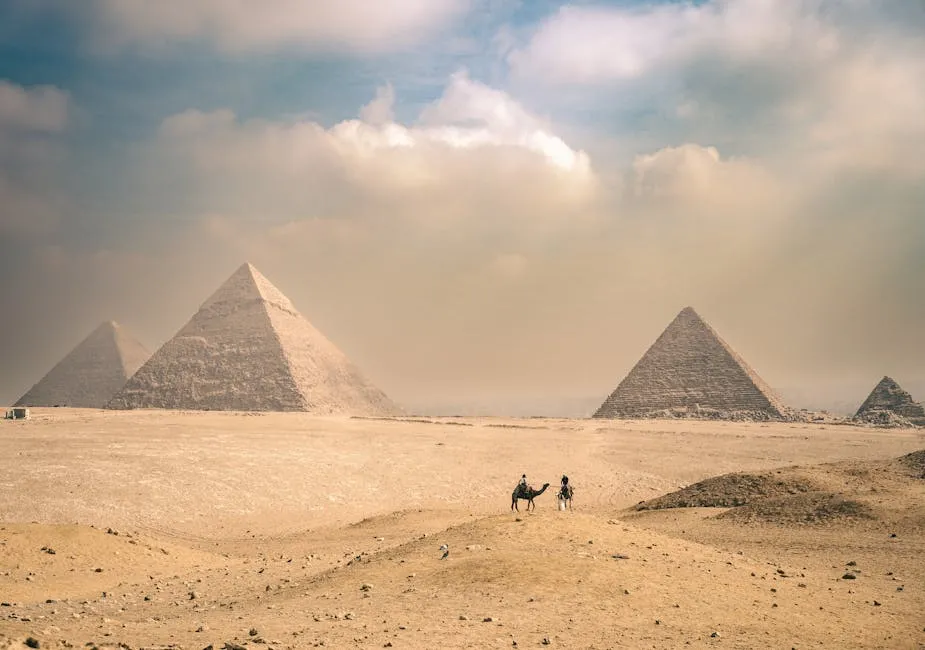
Great Pyramid of Giza c. 2560 BC

Great Pyramid of Giza

El Giza, Egypt

The oldest and only surviving ancient wonder, and the largest of the three pyramids on the Giza plateau. Commissioned by Pharaoh Khufu of the Fourth Dynasty, it originally stood 146.6 m tall — a height unmatched for over 3,800 years. Constructed from roughly 2.3 million limestone blocks, the precision of its construction continues to astound engineers today.

  • Built over approximately 20 years by a workforce of 20,000–30,000 skilled labourers
  • Each block averages 2.5 tonnes; the heaviest granite slabs weigh up to 80 tonnes
  • The base is level to within 2.1 cm across its entire 230 m footprint
Only Surviving Wonder UNESCO #86
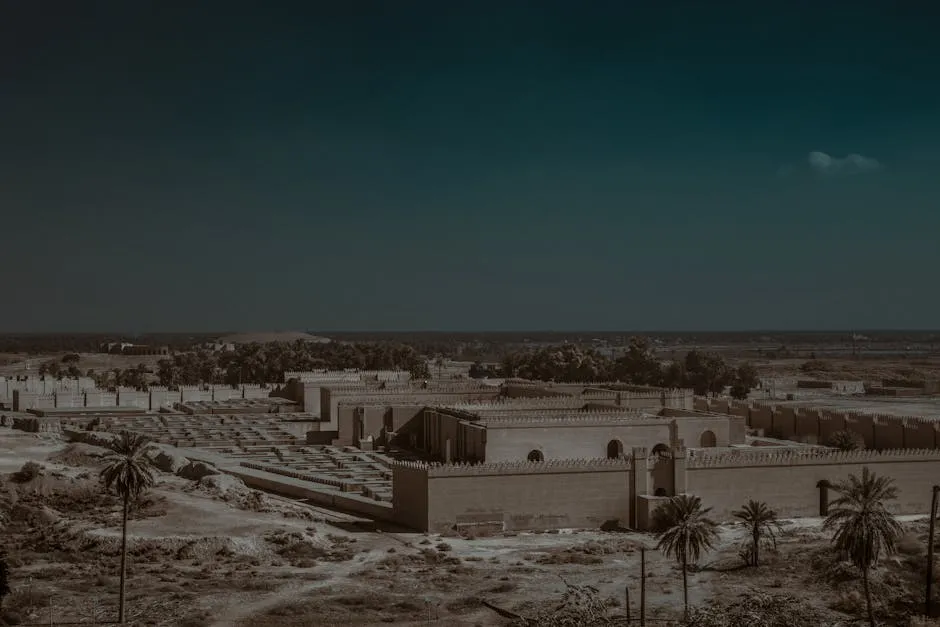
Hanging Gardens of Babylon c. 600 BC

Hanging Gardens of Babylon

Babylon, Iraq

According to ancient writers, the Hanging Gardens were a series of ascending terraces planted with trees, shrubs, and vines, irrigated by a chain-pump system drawing water from the Euphrates. Despite their fame, no definitive archaeological evidence has been found at the site of ancient Babylon. Oxford scholar Stephanie Dalley has proposed that the gardens were actually built by King Sennacherib in Nineveh, 500 km to the north.

  • Ancient sources describe terraces rising to approximately 23 m, planted with large trees
  • No Babylonian texts mention the gardens — all accounts come from Greek and Roman authors
  • The only ancient wonder whose physical existence remains unproven
Existence Debated
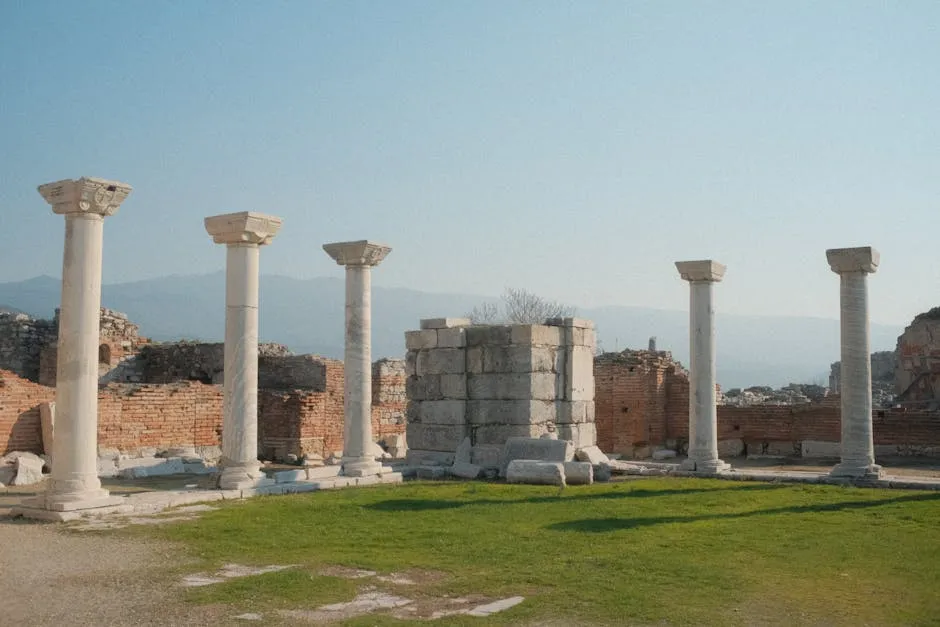
Temple of Artemis at Ephesus c. 550 BC

Temple of Artemis at Ephesus

Selçuk, Turkey

A Greek temple dedicated to Artemis, goddess of the hunt and wilderness, built and rebuilt three times over the centuries. The final version featured 127 Ionic columns each standing 18 m high, and Antipater of Sidon wrote that it surpassed every other marvel. It was deliberately set ablaze in 356 BC, then rebuilt once more before being finally destroyed by Gothic raiders in 262 AD.

  • The temple’s footprint measured roughly 115 × 55 m — more than twice the size of the Parthenon
  • Today a single reconstructed column stands at the site, surrounded by marshy ground
Destroyed
Statue of Zeus at Olympia c. 435 BC

Statue of Zeus at Olympia

Olympia, Greece

Created by the Athenian sculptor Phidias, the Statue of Zeus was a 13 m chryselephantine (gold and ivory over wooden frame) seated figure of the king of the gods. It dominated the interior of the Temple of Zeus so thoroughly that the geographer Strabo wrote the god would have unroofed the temple if he stood. It was eventually transported to Constantinople, where it was destroyed in a palace fire around 475 AD.

  • Zeus held a figure of Nike (Victory) in his right hand and a sceptre topped with an eagle in his left
  • The statue’s throne was adorned with gold, ebony, ivory, and inlaid gemstones
  • Phidias’s workshop was excavated in the 1950s — tools, moulds, and a cup inscribed “I belong to Phidias” were found
Destroyed
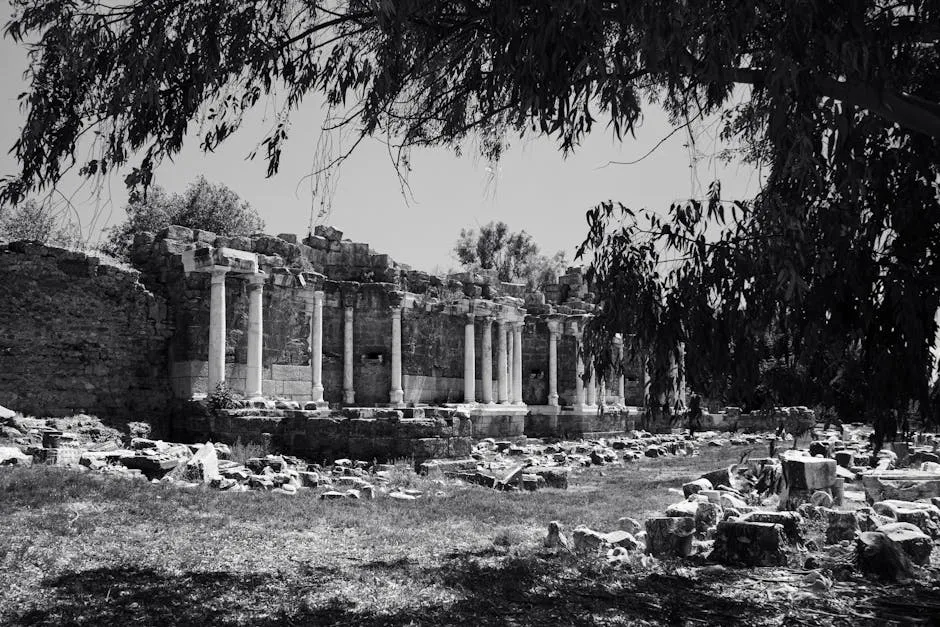
Mausoleum at Halicarnassus c. 350 BC

Mausoleum at Halicarnassus

Bodrum, Turkey

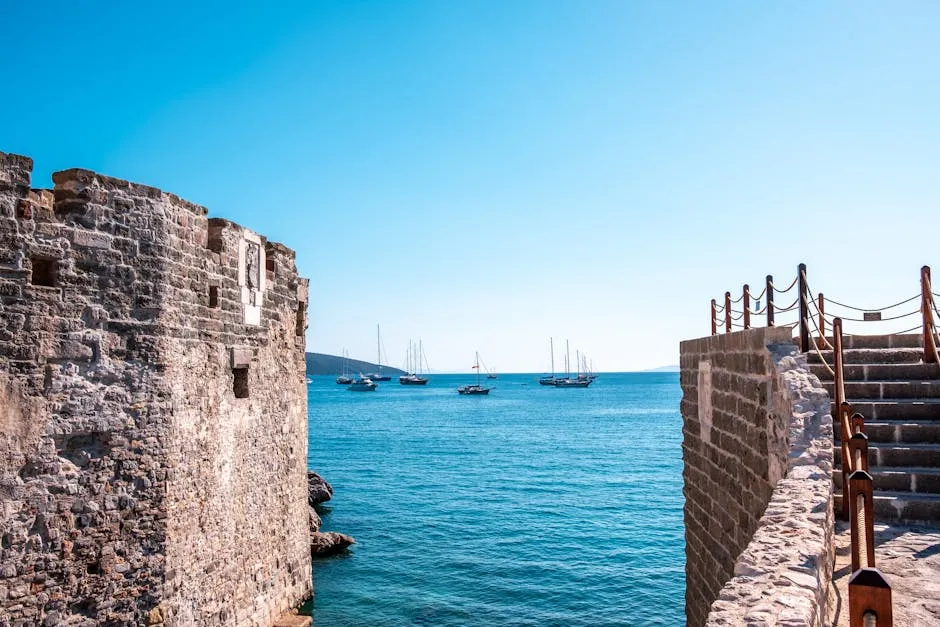
A monumental tomb built for Mausolus, satrap of Caria in the Persian Empire, rising to approximately 45 m. It was a grand synthesis of Greek, Egyptian, and Lycian architecture crowned by a marble chariot drawn by four horses. Four of Greece’s most celebrated sculptors — Scopas, Bryaxis, Timotheus, and Leochares — each decorated one side with relief friezes depicting battles between Greeks and Amazons.

  • The building stood on a raised platform with 36 Ionic columns supporting a stepped pyramid roof
  • Stood largely intact for over 1,600 years before successive earthquakes toppled it
  • Knights Hospitaller later quarried its stones to build Bodrum Castle, where some reliefs remain embedded
Destroyed
Colossus of Rhodes c. 280 BC

Colossus of Rhodes

Rhodes, Greece

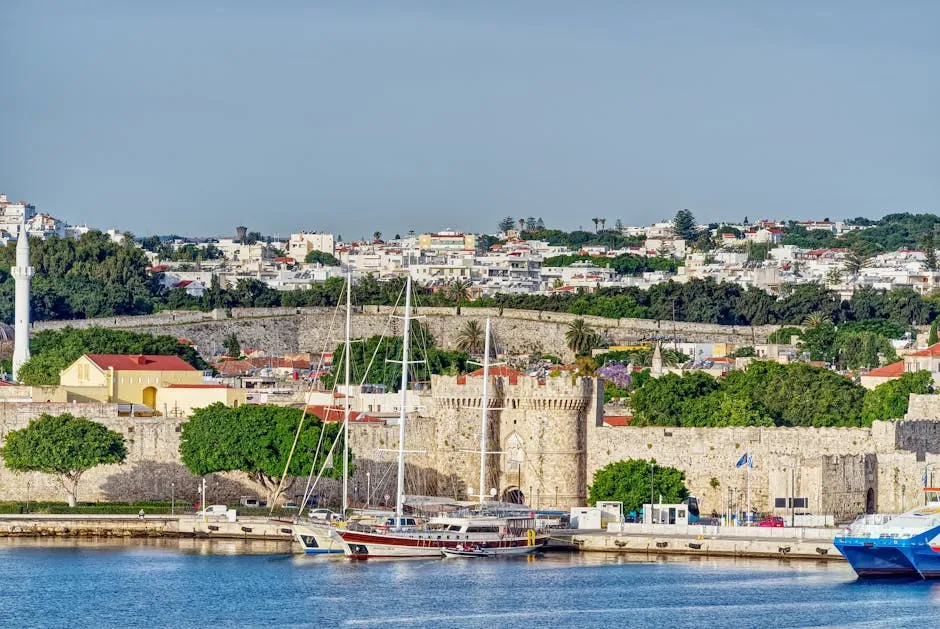
A 33 m bronze statue of the sun god Helios, erected to celebrate Rhodes’s successful defence against siege in 305 BC. Built by the sculptor Chares of Lindos over twelve years using iron tie-bars and bronze plates over a stone framework. An earthquake toppled it around 226 BC after only 56 years of standing, and the ruins lay on the ground for over 800 years until Arab forces captured Rhodes in 653 AD and reportedly sold the bronze as scrap.

  • At 33 m, it was roughly the same height as the Statue of Liberty (without its pedestal)
  • Construction was funded partly by selling siege equipment abandoned after the failed attack
  • According to Arab sources, 900 camels were needed to carry away the scrap bronze
Destroyed
Lighthouse of Alexandria c. 280 BC

Lighthouse of Alexandria

Alexandria, Egypt

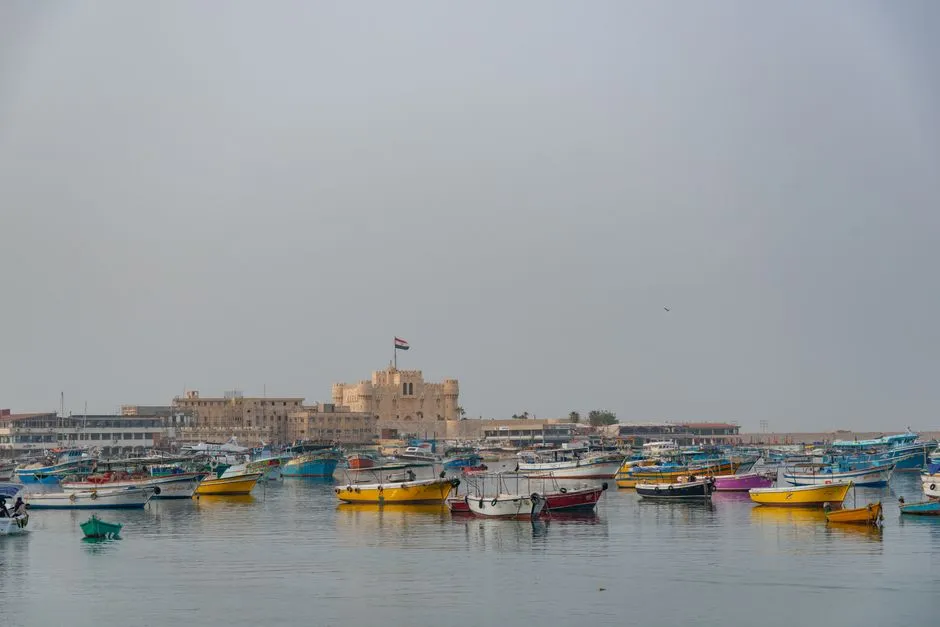
Built on the island of Pharos in Alexandria’s harbour, the lighthouse was commissioned by Ptolemy I Soter and completed under his son Ptolemy II Philadelphus. Standing between 100 and 140 m tall, it was among the tallest structures in the ancient world and served as the archetype for all subsequent lighthouses. A fire burned at its summit, and a polished bronze mirror reportedly projected the beam up to 50 km out to sea.

  • Three-tiered design: a square base, an octagonal middle section, and a cylindrical top with the fire
  • An internal ramp allowed fuel to be transported to the summit by donkeys
  • In the 1990s, French archaeologists discovered over 2,500 blocks, sphinxes, and statues from the lighthouse on the seabed
Destroyed

New Seven Wonders of the World Chosen by global vote, 2007

In 2007, over 100 million people voted in the largest poll in human history to select seven modern monuments worthy of wonder status. The Great Pyramid of Giza received honorary standing — its place on the original list considered unassailable.

Great Wall of China 7th c. BC – 17th c. AD

Great Wall of China

China

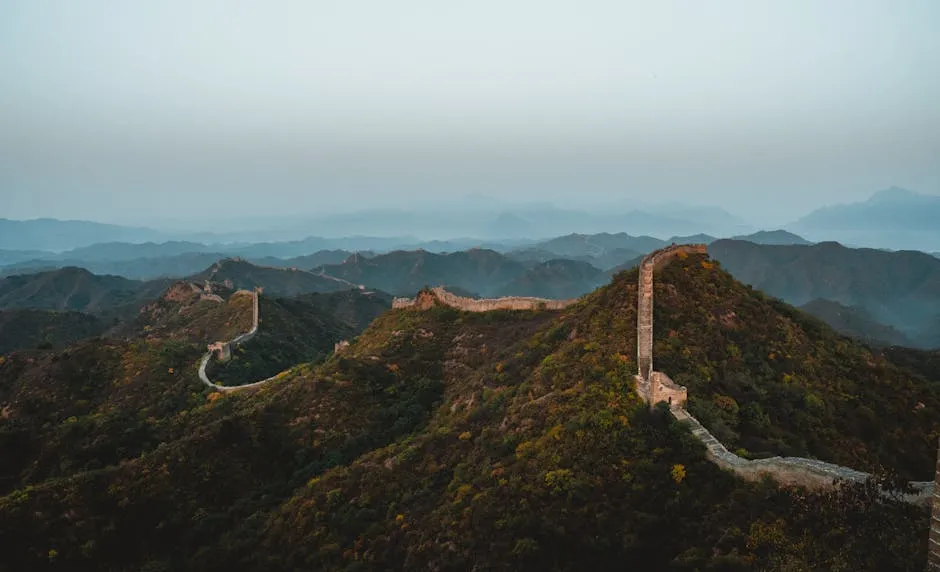
Over 21,000 km of walls, watchtowers, and fortifications stretching across deserts, grasslands, and mountains of northern China, built and rebuilt over more than 2,000 years by successive dynasties to defend against nomadic incursions. The best-preserved and most-visited sections — Badaling, Mutianyu, and Jinshanling — date from the Ming dynasty (1368–1644), when the wall was reinforced with brick, stone, and tamped earth.

  • Construction spanned from the 7th century BC to the 17th century AD, involving millions of labourers
  • Watchtowers used smoke signals by day and fire by night to relay invasion warnings across hundreds of kilometres
  • The entire defensive system includes walls, trenches, natural hills, and rivers — not a single continuous wall
  • Roughly 30% of the Ming-era wall has disappeared due to erosion, farming, and construction material scavenging
UNESCO #438
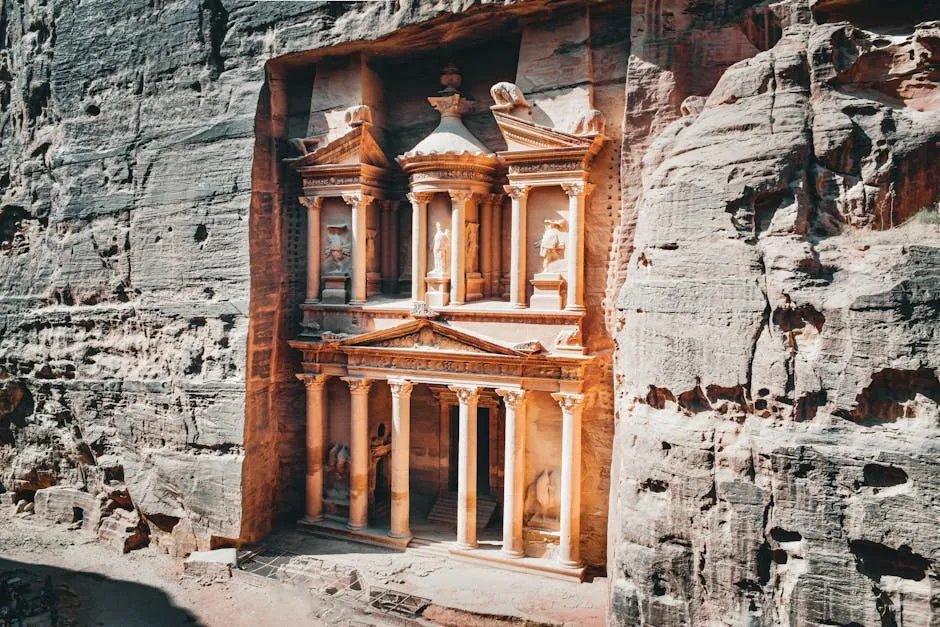
Petra, Jordan c. 312 BC

Petra

Wadi Musa, Jordan

The Nabataean capital carved directly into rose-red sandstone cliffs in the Jordanian desert. Al-Khazneh (The Treasury), a 40 m-tall Hellenistic façade, is only the most famous of over 800 carved structures including tombs, temples, a Roman-style theatre seating 4,000, and an intricate water management system. The city’s rose-coloured stone shifts through shades of pink, orange, and purple as the sun moves.

  • Founded as early as the 4th century BC as a hub on the incense trade routes linking Arabia, Egypt, and the Mediterranean
  • An ingenious system of dams, cisterns, and ceramic pipes channelled flash-flood water through the arid city
  • Only an estimated 15% of the city has been excavated — the vast majority remains buried under sand
  • The narrow Siq entrance corridor stretches 1.2 km and was carved by water and tectonic forces
UNESCO #326
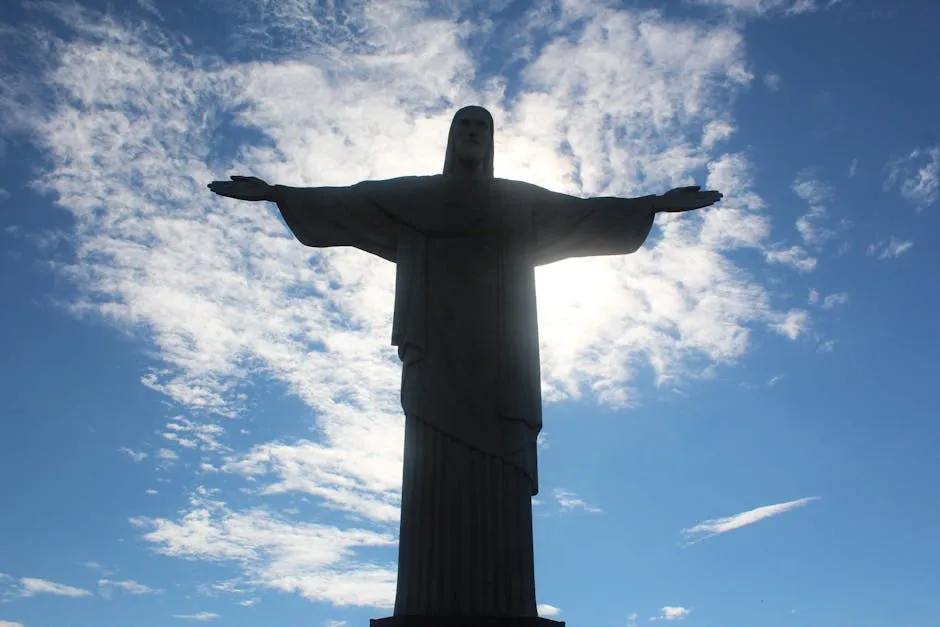
Christ the Redeemer, Rio de Janeiro 1931

Christ the Redeemer

Rio de Janeiro, Brazil

A 30 m Art Deco statue of Jesus Christ (38 m including its pedestal) standing atop Corcovado mountain at 710 m altitude, overlooking Guanabara Bay, the city, and the surrounding Tijuca National Park. Designed by Brazilian engineer Heitor da Silva Costa, it was built of reinforced concrete clad in thousands of small soapstone triangles and took nine years to complete. The statue has become the universal symbol of both Rio de Janeiro and Brazil.

  • The outstretched arms span 28 m, symbolising an embrace of the entire city
  • Struck by lightning several times a year; a 2014 bolt chipped the tip of the right thumb
  • Materials were hauled up Corcovado by a cog railway that still carries visitors today
UNESCO tentative list
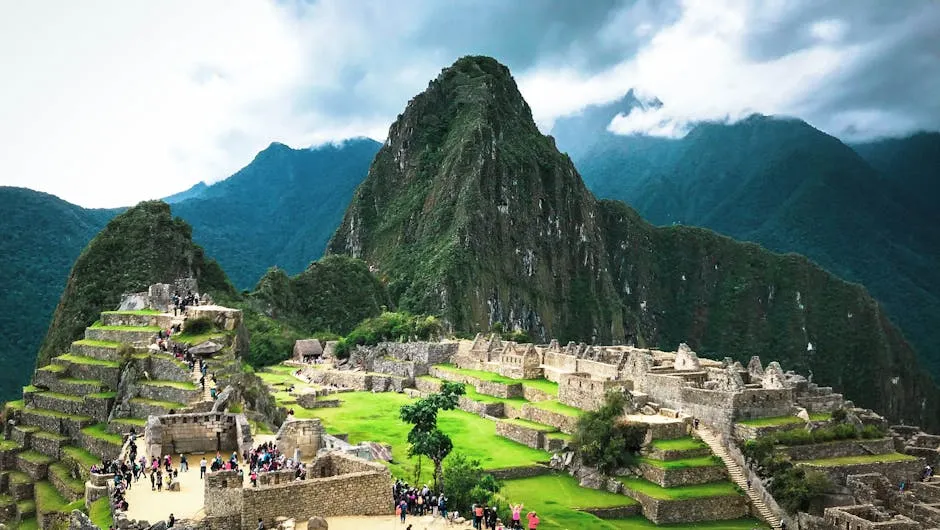
Machu Picchu, Peru c. 1450

Machu Picchu

Cusco Region, Peru

An Inca citadel perched at 2,430 m on a narrow ridge in the eastern Andes, surrounded by cloud forest and sheer cliffs dropping to the Urubamba River below. Built around 1450 as a royal estate for Emperor Pachacuti, its precisely cut dry-stone walls, terraced agricultural platforms, and astronomical alignments demonstrate extraordinary engineering sophistication. Abandoned during the Spanish Conquest and never found by the conquistadors, it remained known only to local farmers until 1911.

  • Contains roughly 200 structures, most faithfully restored from surviving foundations
  • Stones were cut so precisely that no mortar was needed — a knife blade cannot fit between joints
  • The Intihuatana stone cast no shadow at noon during the equinoxes, serving as an astronomical clock
  • An elaborate drainage system prevents rainwater from accumulating — about 60% of construction effort went underground
UNESCO #274
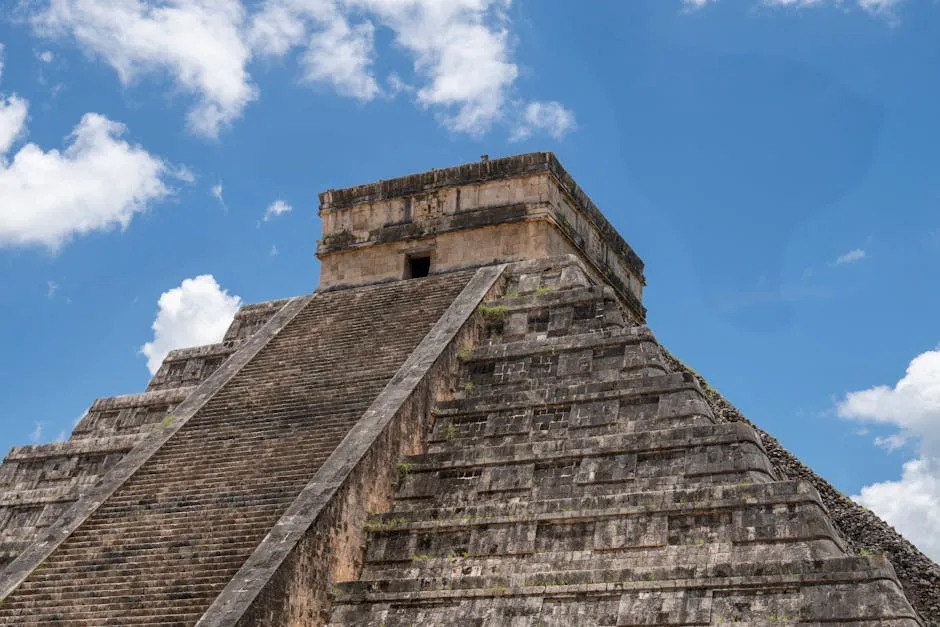
Chichén Itzá, Mexico c. 600 AD

Chichén Itzá

Yucatán, Mexico

One of the largest and best-preserved Maya cities, blending Maya Puuc style with later Toltec influences. The site is dominated by El Castillo (Temple of Kukulcán), a 30 m step-pyramid with four staircases of 91 steps each, totalling 365 — one for each day of the solar year. During the spring and autumn equinoxes, late-afternoon shadows create the illusion of a feathered serpent descending the northern staircase.

  • A handclap at the base of El Castillo produces a chirped echo resembling the call of the quetzal bird, likely an intentional acoustic design
  • The Great Ball Court (168 × 70 m) is the largest in Mesoamerica; whispers at one end are audible 150 m away
  • An interior pyramid within El Castillo contains a jade-studded jaguar throne
  • A cenote directly beneath El Castillo suggests the pyramid was deliberately built above a sacred water source
UNESCO #483
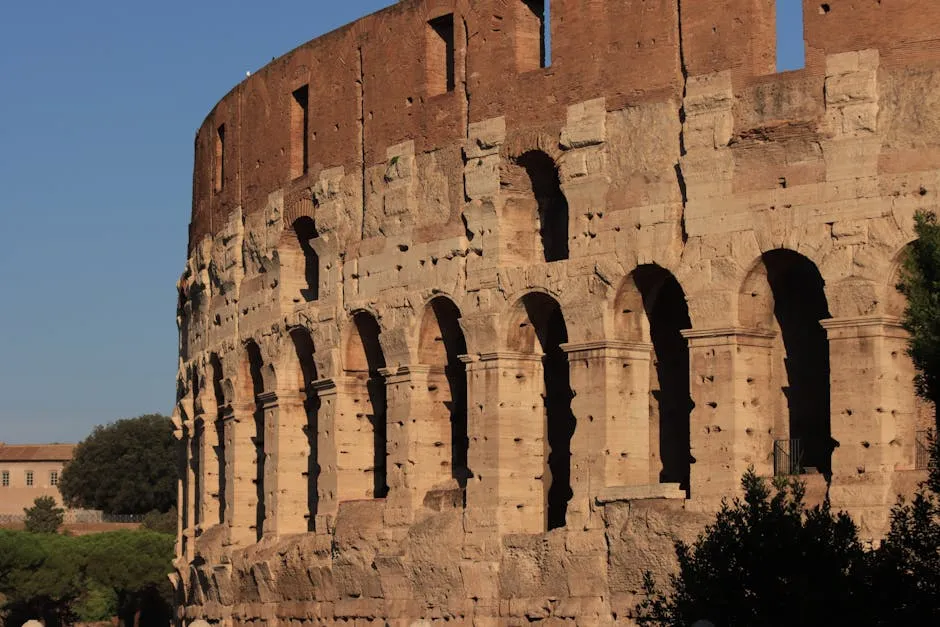
Roman Colosseum 80 AD

Roman Colosseum

Rome, Italy

The largest amphitheatre ever built, an elliptical arena measuring 189 × 156 m and seating 50,000–80,000 spectators across four tiers. Completed in 80 AD under Emperor Titus, it was the stage for gladiatorial contests, wild animal hunts, mock naval battles, public executions, and theatrical re-enactments. Its design — with numbered entrances, tiered seating, and underground staging areas — established the blueprint for stadium architecture that persists to this day.

  • Built of an estimated 100,000 m³ of travertine, tuff, and brick-faced concrete, held together by 300 tonnes of iron clamps
  • The hypogeum (underground network) allowed animals and gladiators to appear dramatically through trapdoors in the arena floor
  • A retractable awning system (velarium) operated by 1,000 sailors shaded spectators from the sun
UNESCO #91
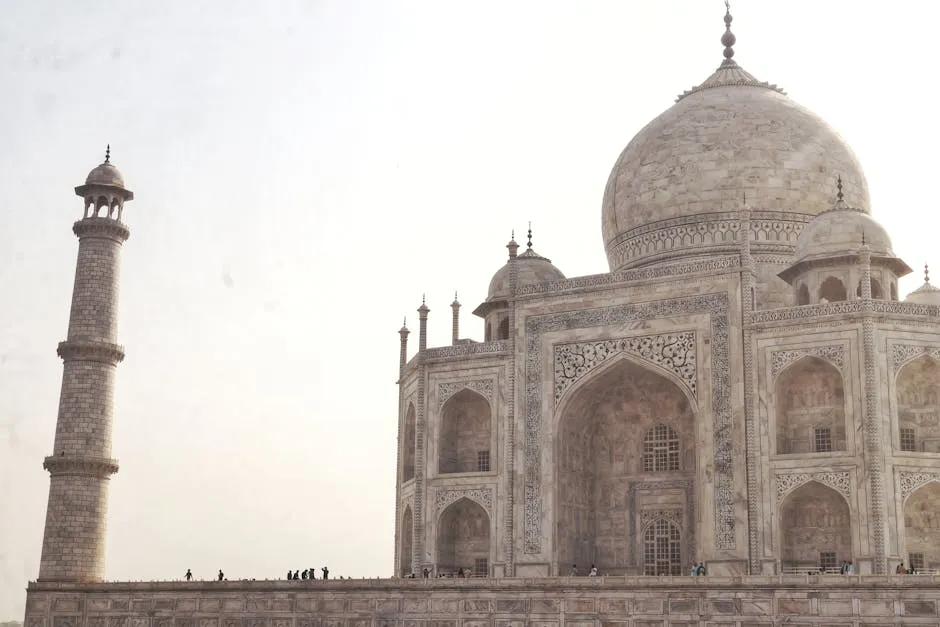
Taj Mahal, India 1653

Taj Mahal

Agra, India

A white Makrana marble mausoleum built by Mughal emperor Shah Jahan as a monument to his beloved wife Mumtaz Mahal. Completed in 1653 after 22 years of work by over 20,000 artisans, it features pietra dura inlay of 28 types of gemstones — including lapis lazuli from Afghanistan, jade from China, and turquoise from Tibet. The complex exhibits perfect bilateral symmetry, and it synthesises Indian, Persian, and Islamic design traditions into a unified masterpiece.

  • The four minarets tilt slightly outward so that in an earthquake they would fall away from the central tomb
  • The marble appears to change colour throughout the day — pinkish in the morning, brilliant white at noon, and golden under moonlight
  • Acidic air pollution from nearby refineries was yellowing the marble until India’s Supreme Court ordered polluting industries closed within a protected zone
UNESCO #252
Honorary Candidate: The Great Pyramid of Giza was granted permanent honorary status by the New7Wonders Foundation — the organisers deemed it the only surviving Ancient Wonder and therefore beyond competition.

Seven Natural Wonders of the World New7Wonders of Nature, 2011

Four years after the architectural vote, a second global campaign turned to nature. From volcanic islands to underground rivers, these seven sites represent Earth’s raw creative power.

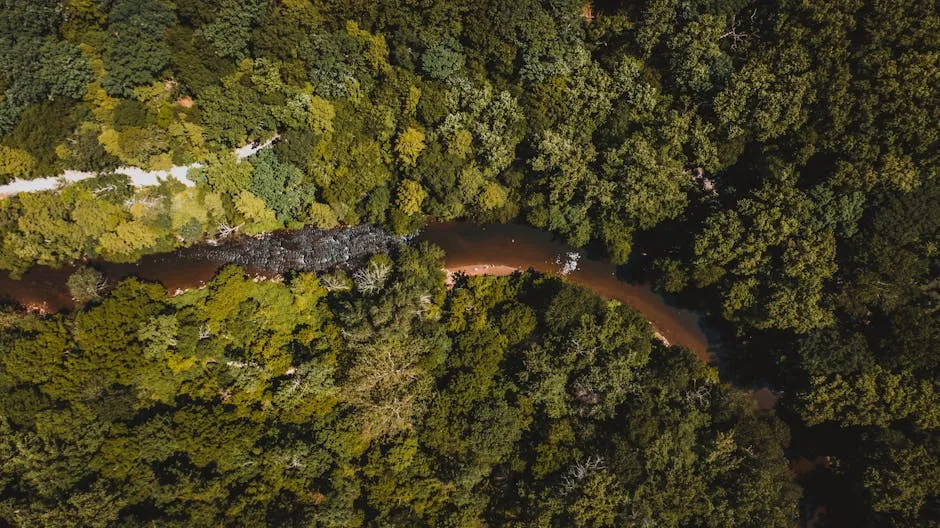
Amazon Rainforest

Amazon Rainforest

South America (9 countries)

Spanning 5.5 million km² across Brazil, Peru, Colombia, and six other nations, the Amazon basin contains the largest tropical rainforest on Earth — home to roughly 10% of all known species. The forest floor is so dense that rain can take ten minutes to reach the ground, and the canopy generates its own weather systems through evapotranspiration. Despite its ecological importance, deforestation claims approximately 10,000 km² per year.

  • Home to roughly 400 billion individual trees across 16,000 species
  • The Amazon River discharges more freshwater into the ocean than the next seven largest rivers combined
  • About 400 indigenous groups live in the forest, including an estimated 100 uncontacted peoples
  • One in ten known species on Earth lives in the Amazon, including 2.5 million insect species
Largest Tropical Rainforest
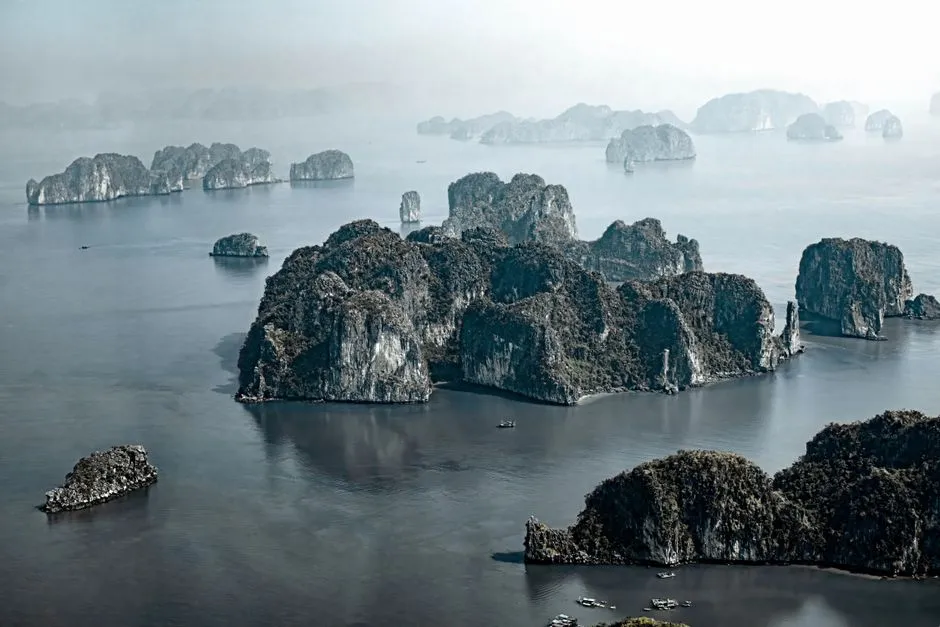
Hạ Long Bay, Vietnam

Hạ Long Bay

Quảng Ninh, Vietnam

Nearly 2,000 limestone karst islands and islets rising from emerald waters in the Gulf of Tonkin, creating one of the most surreal seascapes in Asia. Many islands are hollow, containing caves and grottoes with stalactites and stalagmites formed over millennia. The karst formations, some soaring to 100 m, support isolated micro-ecosystems including endemic species that evolved independently on individual islands.

  • The karst landscape formed over 500 million years of geological evolution through tropical weathering of limestone
  • Home to the critically endangered Cat Ba langur — fewer than 70 remain, making it one of the world’s rarest primates
  • Sùng Sót (Surprise) Cave, the bay’s largest, extends through two vast chambers with ceilings reaching 30 m
  • The bay’s waters contain roughly 200 fish species, 450 mollusc species, and extensive coral reefs
UNESCO #672
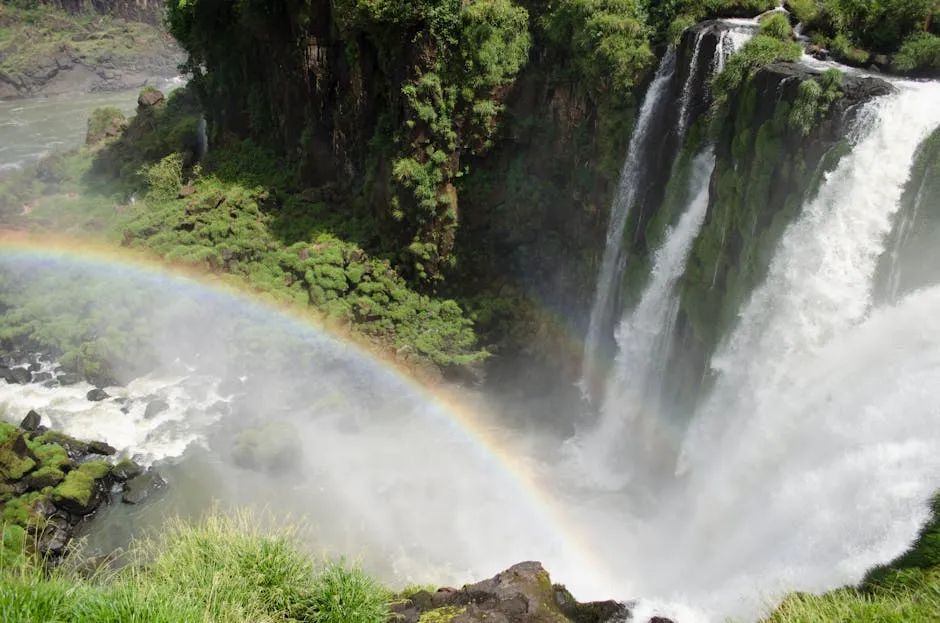
Iguazú Falls

Iguazú Falls

Argentina–Brazil border

A colossal system of 275 individual cascades spanning 2.7 km along the border of Argentina and Brazil, with drops reaching 82 m. The centrepiece is the Garganta del Diablo (Devil’s Throat) — a U-shaped curtain of water 150 m wide and 700 m long that swallows everything in a permanent cloud of mist and deafening roar. The falls carry roughly four times the volume of Niagara and are surrounded by pristine Atlantic Forest.

  • Named from the Guaraní words “y” (water) and “uasú” (big) — simply “great water”
  • The surrounding parks protect over 2,000 plant species, 400 bird species, and 80 mammal species including jaguars
  • During peak flow, water volume can exceed 12,700 m³ per second — enough to fill an Olympic pool every two seconds
  • Permanent rainbows form in the mist on sunny days, visible from both the Argentine and Brazilian sides
UNESCO #303 & #355
Jeju Island, South Korea

Jeju Island

South Korea

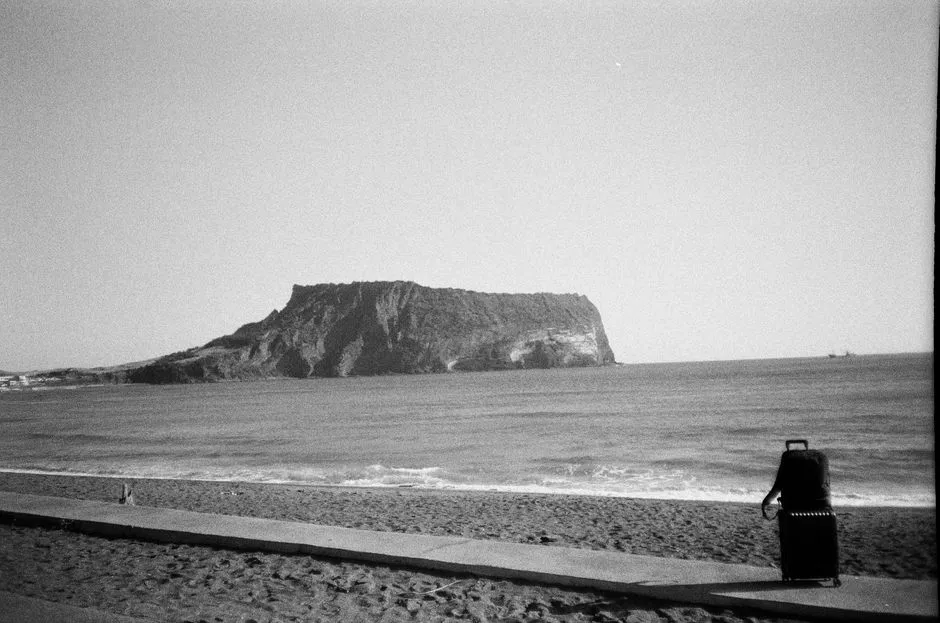
A volcanic island 130 km off the southern tip of South Korea, dominated by Hallasan (1,950 m) — the country’s highest peak, whose caldera lake freezes in winter and fills with azaleas in spring. The Geomunoreum lava tube system, stretching over 13 km, includes Manjanggul Cave with some of the world’s finest examples of lava columns and stalactites. Over 360 parasitic cinder cones dot the landscape, supporting unique ecosystems that transition from subtropical coast through temperate forest to subalpine scrub.

  • Formed by volcanic eruptions starting roughly 2 million years ago; Hallasan last erupted around 1007 AD
  • Jeju’s lava tubes are among the most extensive in the world; Manjanggul alone stretches 7.4 km with ceilings reaching 25 m
  • The island hosts over 2,000 plant species, including the endangered Hallasan holly, found nowhere else on Earth
UNESCO #1264
Komodo National Park

Komodo National Park

Indonesia

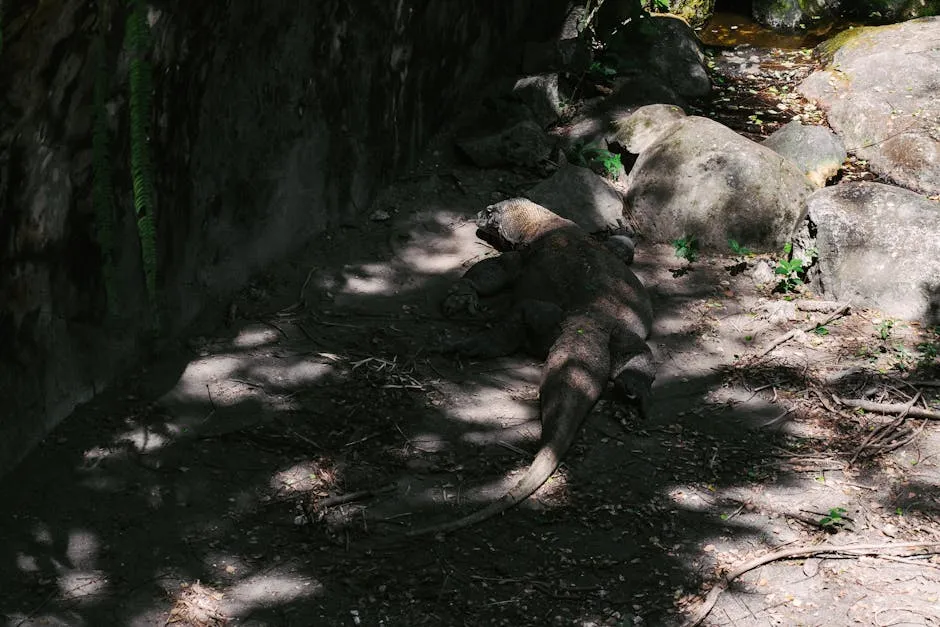
Three major islands — Komodo, Rinca, and Padar — plus 26 smaller ones, home to roughly 3,000 Komodo dragons, the world’s largest living lizard species. Adults can reach 3 m in length and weigh over 70 kg, with a venomous bite that lowers blood pressure, causes massive bleeding, and induces shock in prey animals. Below the waterline, pristine coral reefs harbour over 1,000 fish species and 260 coral species.

  • Dragons detect carrion from up to 10 km away using their deeply forked tongue to sample airborne molecules
  • Young dragons spend their first years living in trees to avoid being eaten by adults, which are cannibalistic
  • The park was established in 1980 specifically to protect the dragons; expanded to include marine areas in 1984
  • The waters experience powerful currents that bring nutrient-rich water from the deep ocean, supporting manta rays and whale sharks
UNESCO #609
Puerto Princesa Underground River

Puerto Princesa Underground River

Palawan, Philippines

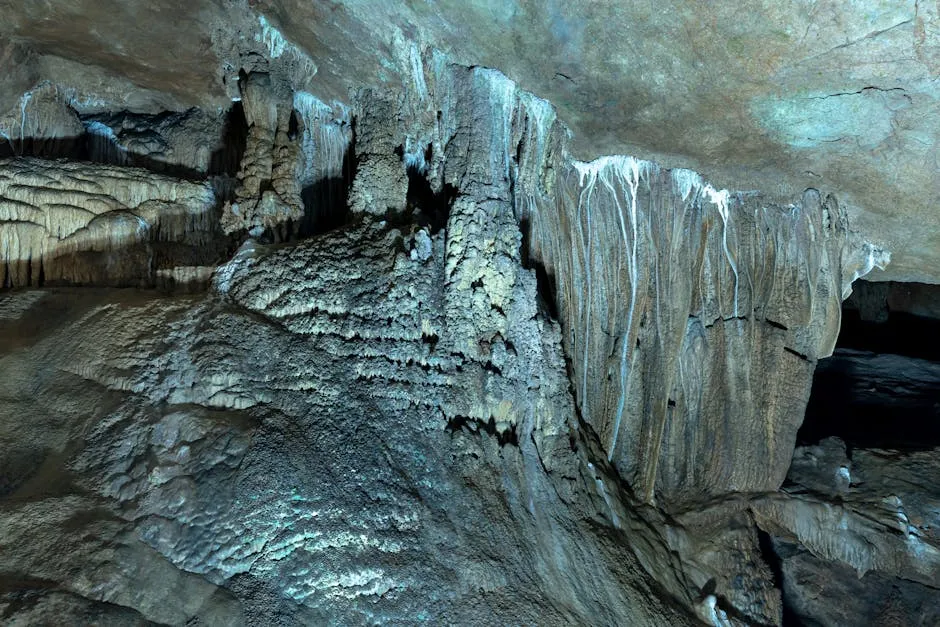
An 8.2 km navigable underground river flowing through a spectacular limestone cave system and directly into the South China Sea on the island of Palawan. The cave features dramatic chambers up to 120 m wide and 60 m high, adorned with massive stalactites, stalagmites, flowstones, and calcite formations sculpted over millions of years. The lower reaches are influenced by tidal movements, creating a rare intersection of freshwater river and marine tidal zone within a cave.

  • One of the world’s longest navigable underground rivers; a 2010 expedition confirmed the full 8.2 km length
  • Contains a complete cave ecosystem including eight bat species, swiftlets, whip spiders, and a species of blind cave fish
  • The surrounding karst landscape contains over 800 plant species, 165 bird species, and the critically endangered Palawan peacock-pheasant
UNESCO #652
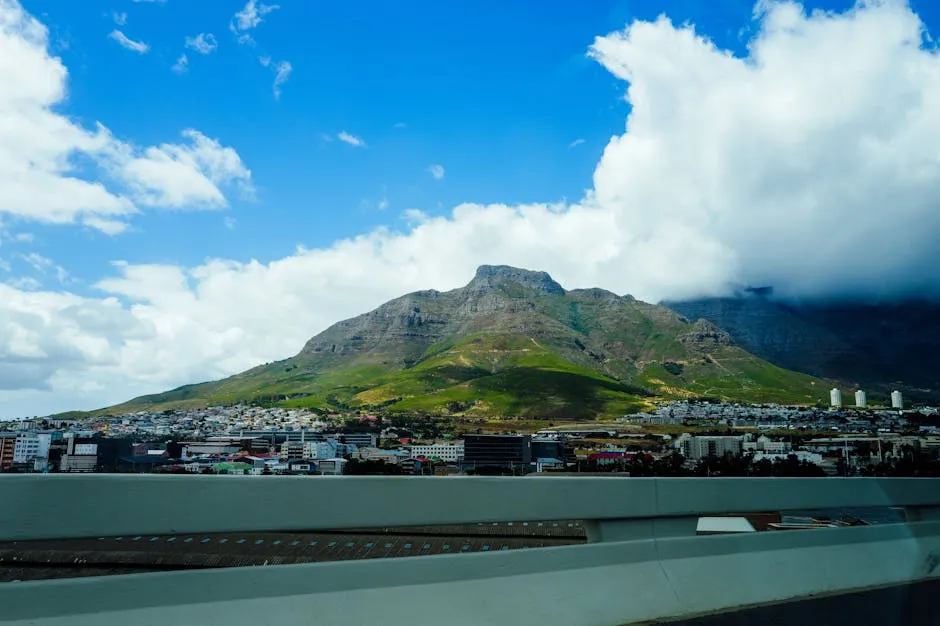
Table Mountain, Cape Town

Table Mountain

Cape Town, South Africa

A flat-topped sandstone massif rising abruptly to 1,085 m above Cape Town, with sheer cliffs on three sides and a 3 km plateau so level it appears to have been sliced by a ruler. The mountain supports over 1,500 plant species, more than the entire United Kingdom, many of them endemic fynbos species found nowhere else in the world. The famous “tablecloth” cloud forms when moisture-laden south-easterly winds are forced upward over the summit, cooling rapidly and condensing into a dramatic cascading white veil.

  • The sandstone layers are over 600 million years old — roughly five times older than the Himalayas
  • The endemic Table Mountain ghost frog survives only in a handful of streams on the mountain’s southern slopes
  • The aerial cableway, first installed in 1929 and upgraded to rotating floor cars in 1997, carries over a million visitors per year
Table Mountain National Park

CNN’s Seven Natural Wonders Originally compiled by CNN, widely cited

Predating the public vote, CNN’s list spotlights the planet’s most iconic natural spectacles — from the deepest canyon to the highest peak, plus a volcano that was born in a cornfield.

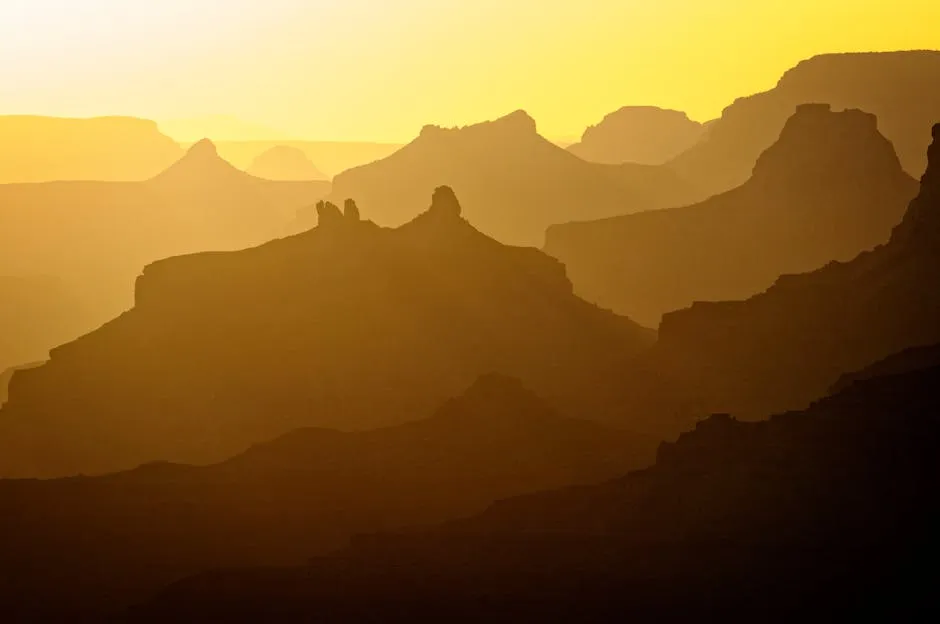
Grand Canyon

Grand Canyon

Arizona, USA

A 446 km gorge carved through the Colorado Plateau, up to 29 km wide and 1,857 m deep, exposing nearly two billion years of Earth’s geological history in its layered rock walls. The Colorado River began carving the canyon 5–6 million years ago, cutting through layer after layer of sandstone, limestone, shale, and eventually reaching the Vishnu Basement Rocks — ancient schist and granite formed 1.75 billion years ago. The interplay of light and shadow across the canyon’s strata creates a constantly shifting palette of reds, oranges, and purples.

  • The Colorado River at the canyon floor is still actively carving the gorge deeper at a rate of roughly 0.3 m per thousand years
  • Contains more than 1,000 caves, of which only 335 have been recorded and just one is open to the public
  • The temperature difference between the rim (2,100 m) and river (720 m) can exceed 15°C on the same day
  • Five of North America’s seven life zones are represented within the canyon, from desert scrub to boreal forest
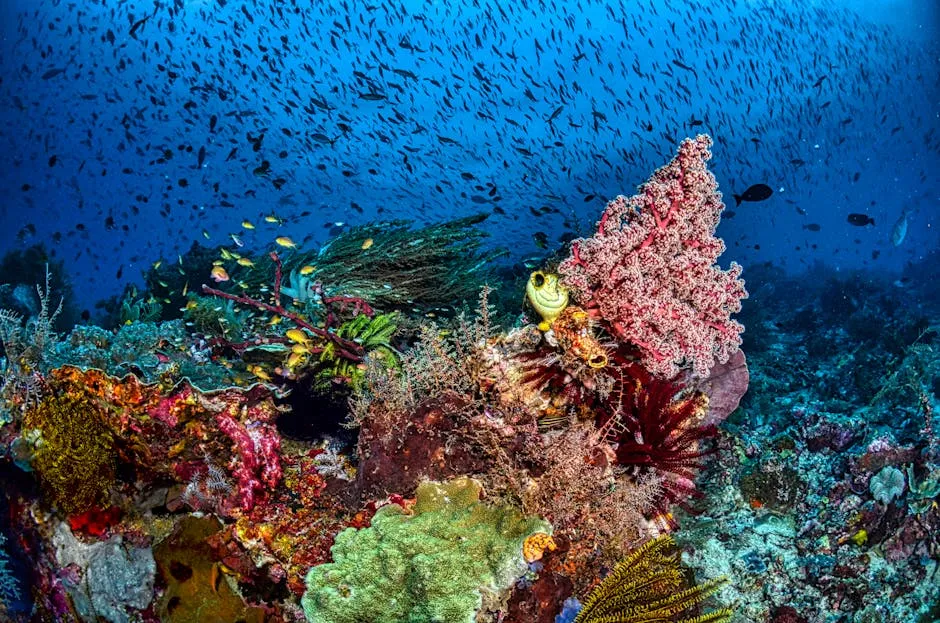
Great Barrier Reef

Great Barrier Reef

Queensland, Australia

The world’s largest coral reef system — 2,300 km long, covering 344,400 km² of the Coral Sea — and the largest living structure on Earth, visible from low orbit. Composed of nearly 3,000 individual reef systems and 900 islands, it supports an extraordinary web of marine life: over 1,500 fish species, 400 types of coral, 4,000 mollusc species, and 30 whale and dolphin species. The reef faces an existential threat from rising ocean temperatures, which have triggered five mass coral bleaching events since 1998.

  • The reef began growing on its present structure roughly 20,000 years ago, as sea levels rose after the last ice age
  • Six of the world’s seven species of marine turtle breed in the reef’s waters
  • The reef is managed by the Great Barrier Reef Marine Park Authority, which oversees an area roughly the size of Italy
UNESCO #154
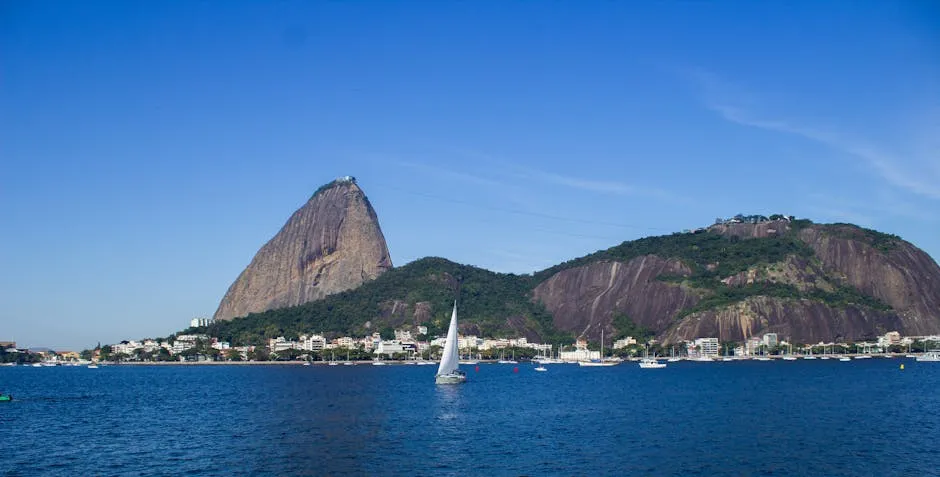
Harbour of Rio de Janeiro

Harbour of Rio de Janeiro

Rio de Janeiro, Brazil

Guanabara Bay, a 412 km² natural harbour framed by dramatic granite peaks including Sugarloaf (Pão de Açúcar, 396 m), Corcovado (710 m), and the Serra da Carioca mountains, creating one of the world’s most visually stunning natural harbours. The harbour contains over 100 islands of various sizes and provides the dramatic backdrop to one of the world’s great cities, with beaches, forests, and mountains interweaving through the urban landscape.

  • Sugarloaf mountain is a granite and quartz monolith formed over 600 million years ago, rising directly from the water’s edge
  • The bay’s entrance is only 1.6 km wide, creating a natural defensive position that shaped the city’s colonial history
  • One of the world’s largest natural deep-water harbours, capable of accommodating the largest vessels afloat
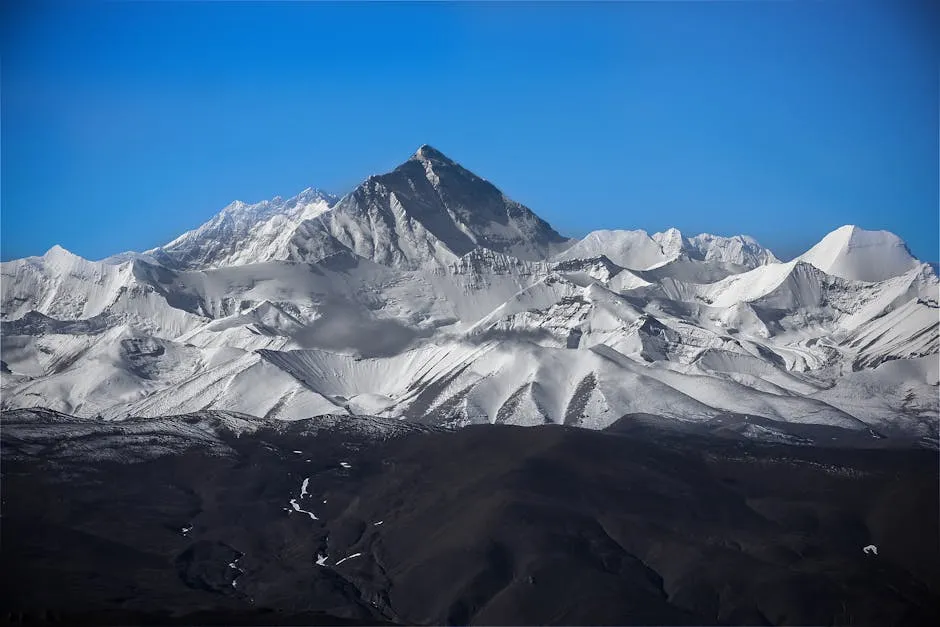
Mount Everest

Mount Everest

Nepal–China border

At 8,849 m above sea level (as resurveyed in 2020), the highest point on Earth — known as Sagarmatha in Nepali (“Forehead of the Sky”) and Chomolungma in Tibetan (“Mother Goddess of the World”). First successfully summited on 29 May 1953 by Edmund Hillary and Tenzing Norgay via the South Col route. The mountain sits at the collision zone of the Indian and Eurasian tectonic plates, rising from sedimentary rock that was once an ancient ocean floor.

  • Grows approximately 4 mm per year due to ongoing tectonic uplift from the Indian plate pushing beneath the Eurasian plate
  • The “death zone” above 8,000 m has roughly one-third the oxygen of sea level
  • Over 300 people have died attempting the summit; many bodies remain on the mountain, preserved by extreme cold
  • Wind speeds at the summit can exceed 280 km/h, and temperatures drop below −60°C in winter
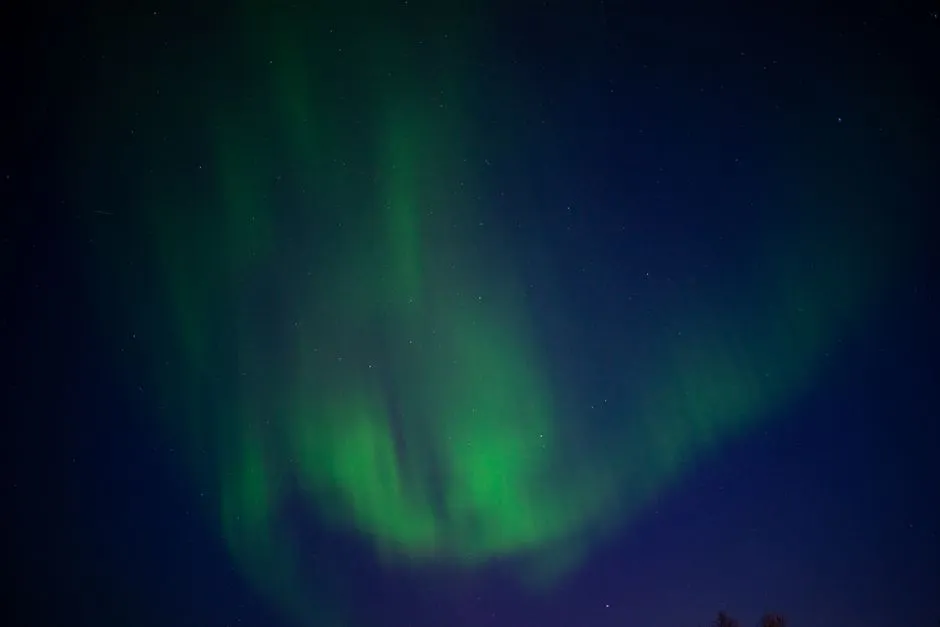
Aurora Borealis

Aurora Borealis

Arctic regions

Shimmering curtains and arcs of green, purple, red, and blue light that dance across the polar sky when charged particles from the solar wind interact with gases in Earth’s magnetosphere. The most common colour, pale green, is produced by oxygen atoms at altitudes of 100–300 km; red hues come from high-altitude oxygen above 300 km, while nitrogen produces blue and purple tones. Visible primarily from latitudes above 60°N, the aurora occurs along an oval ring centred on the magnetic poles.

  • Occurs 100–300 km above Earth’s surface, far higher than any cloud or weather phenomenon
  • Display intensity follows the 11-year solar cycle; the next solar maximum is expected around 2025–2026
  • Also occurs at the south pole, where it is called Aurora Australis; the two displays often mirror each other simultaneously
  • Best viewing locations include northern Norway, Iceland, Finnish Lapland, northern Canada, and Alaska during September to March
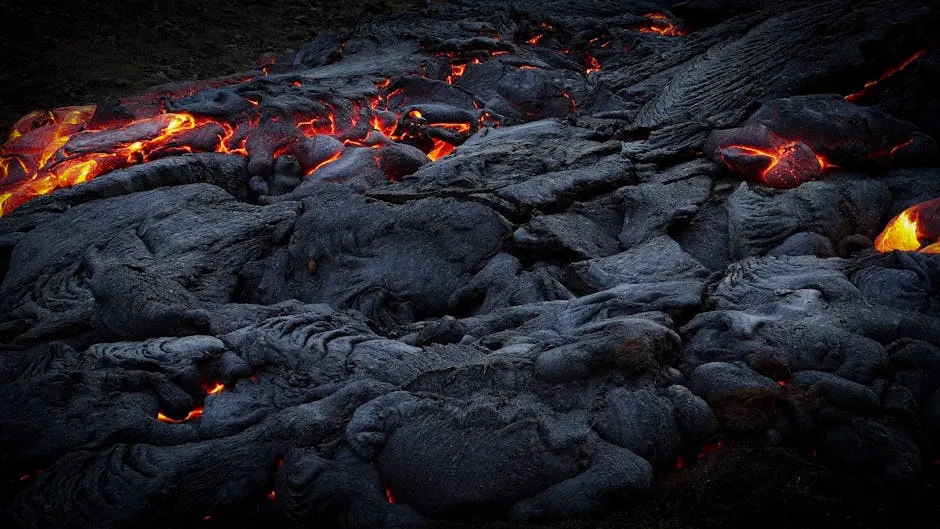
Parícutin Volcano

Parícutin Volcano

Michoacán, Mexico

The only volcano in recorded history whose complete lifecycle — birth, growth, and extinction — was observed and documented by scientists from start to finish. On 20 February 1943, a crack in a cornfield began emitting sulphurous fumes; by the next day, a 6 m cinder cone had formed. Within a week it stood 50 m tall, and by the end of its first year it had reached 336 m. The volcano erupted continuously for nine years, burying two villages under lava and ash.

  • Reached its final height of 424 m above the original cornfield before ceasing activity on 25 February 1952
  • The lava field covers roughly 25 km² and reached thicknesses of over 200 m in some areas
  • No one died directly from the eruption, though three people were killed by lightning generated by the ash column
  • Geologists consider it a monogenetic volcano — it will never erupt again, but a new vent could open nearby
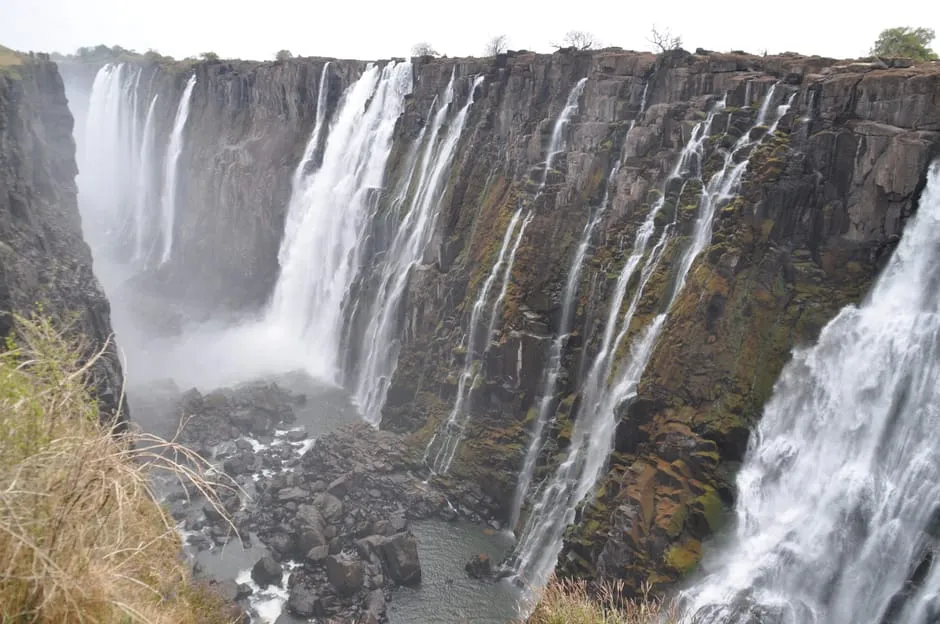
Victoria Falls

Victoria Falls

Zambia–Zimbabwe border

Known locally as Mosi-oa-Tunya (“The Smoke That Thunders”), Victoria Falls is the widest curtain of falling water in the world: 1,708 m across and 108 m high. At peak flow during the flood season (February–May), over 500 million litres per minute cascade into the narrow Batoka Gorge below, generating a permanent column of spray that rises 400 m into the air and is visible from 50 km away. The falls mark the border between Zambia and Zimbabwe, with walkways and viewpoints on both sides.

  • The combined height (108 m) and width (1,708 m) make it the world’s largest sheet of falling water by total area
  • The spray creates a permanent localised “rain forest” on the cliff faces opposite the falls, sustained entirely by the mist
  • Devil’s Pool, a natural rock pool at the very lip of the falls, allows swimmers to peer over the edge during low-water months
  • The Batoka Gorge downstream consists of a zigzagging series of gorges representing the previous positions of the falls over the past 100,000 years
UNESCO #509