Laos Travel Guide

The Land of a Million Elephants — Your complete handbook for Southeast Asia's most serene and untouched destination, from misty mountains to the mighty Mekong

Couple Travel Low-Medium Budget 24 Sections

Overview & Why Visit Laos

Luang Prabang temples at sunrise along the Mekong River

Laos occupies a unique position in Southeast Asia — both geographically and spiritually. Wedged between Thailand, Vietnam, Cambodia, China, and Myanmar, this landlocked nation of roughly 7.5 million people remains one of the region's least-visited countries.

Why this matters:

  • Relative obscurity is precisely what makes it so compelling
  • Thailand draws over 30 million visitors a year — Laos welcomes a fraction of that
  • Preserves a tranquillity that has all but vanished elsewhere in the region

The country's beating heart is the Mekong River, which snakes through nearly 1,900 kilometres of Lao territory before continuing south into Cambodia and Vietnam.

Along its banks you will find the nation's most storied cities:

  • Luang Prabang: A UNESCO World Heritage Site whose saffron-robed monks still collect morning alms at dawn
  • Vientiane: One of the world's most laid-back capital cities
  • Si Phan Don (the 4,000 Islands): Sleepy riverside hamlets in the far south, where the Mekong splinters into a labyrinth of channels and waterfalls before crossing into Cambodia

Buddhism permeates daily life in ways that feel deeply authentic rather than performative. Elaborate wats (temples) anchor every village, and the tak bat (alms-giving ceremony) in Luang Prabang predates tourism by centuries. The traditional baci ceremony — a ritual tying of cotton strings around the wrist to wish good fortune — is still the standard way to mark births, weddings, and homecomings.

For the adventure-minded traveller, Laos delivers experiences you simply cannot replicate elsewhere:

  • Spectacular karst limestone geology: Enormous cave systems such as the 7.5-kilometre Kong Lor Cave and the cathedral-sized Xe Bang Fai River Cave
  • Northern highlands trekking: Multi-day treks through ethnic minority villages around Luang Namtha and Phongsali that see only a handful of visitors per week
  • Vang Vieng: Once infamous for its party scene, now focused on kayaking, rock climbing, and hot-air ballooning above a jaw-dropping karst landscape
Capital
Vientiane
Pop. ~900,000
Population
7.5M
49 ethnic groups
Currency
EUR (€)
Prices in €. Local currency: Lao Kip (LAK), ~20,000 LAK = 1 EUR
Language
Lao
Thai understood widely
Why Laos Belongs in Your SE Asia Itinerary
  • Authenticity: Fewer tourists means more genuine interactions. Homestays here are real — you sleep in the family's home, eat what they eat, and share rice wine around the fire.
  • Adventure density: World-class caving, kayaking through underground rivers, multi-day jungle treks, and the legendary Gibbon Experience zipline — all at a fraction of comparable costs elsewhere.
  • Budget-friendly: Laos is one of SE Asia's cheapest countries. A comfortable couple's budget runs €35–70 USD/day including accommodation, food, transport, and activities.
  • Overland connectivity: Natural overland link between Thailand (cross at Huay Xai, Nong Khai, or Chong Mek) and Vietnam (multiple border crossings), making it an ideal segment in a multi-country trip.
  • The Mekong slow boat: The two-day journey from Huay Xai to Luang Prabang is one of Southeast Asia's most iconic travel experiences.

The country does come with caveats. Infrastructure remains basic outside the main tourist corridor: roads can be punishing, English is limited in rural areas, and the legacy of unexploded ordnance (UXO) from the Vietnam War era means that straying off marked paths in certain provinces carries real risk. Laos received more bombs per capita during the Secret War (1964–1973) than any country in history, and the COPE Visitor Centre in Vientiane offers a sobering, essential introduction to this ongoing issue.

None of that should deter you. The difficulty of getting around is part of what keeps Laos unspoiled, and the reward for slow, patient travel here is an intimacy with local life that faster-paced neighbours no longer offer. If Thailand is Southeast Asia's living room — comfortable, well-furnished, easy — then Laos is the garden out back: quieter, wilder, and full of surprises if you take the time to look.
Best Time to Visit

Laos has three distinct seasons driven by the southwest monsoon, and when you visit determines not just the weather but what you can actually do. The country's mountainous terrain means that a few hundred kilometres of latitude can produce meaningfully different conditions, so timing matters more here than in flatter neighbours like Cambodia.

Cool & Dry
Nov–Feb
Best overall. 20–30°C
Hot & Dry
Mar–May
Scorching. 35–40°C
Wet Season
Jun–Oct
Lush but muddy. 25–33°C

November to February: The Sweet Spot

This is peak season for good reason:

  • Temperatures: Pleasant (dropping to 15°C at night in the northern mountains around Phongsali and Luang Namtha)
  • Skies: Clear
  • Landscape: Still green from the preceding rains
  • Mekong: Runs at moderate levels, perfect for the slow boat
  • Trekking conditions: Ideal
  • Crowds: Popular spots like Luang Prabang and Vang Vieng see their highest visitor numbers, though "crowded" in Laos still feels relaxed by Thai or Vietnamese standards
  • Best months: November and February offer nearly identical weather with fewer people than December and January

March to May: The Burning Season

Challenging conditions:

  • Temperatures: Regularly exceed 38°C in the Mekong valley
  • Air quality: Slash-and-burn agriculture blankets the northern mountains in haze
  • Visibility: On bad days, can drop below a kilometre in Luang Prabang and Luang Namtha
  • River levels: Fall, limiting some boat services
  • Best avoided: Unless you handle extreme heat well or plan to stay in the south near waterfalls and swimming holes

June to October: The Green Season

The monsoon transforms Laos:

  • Waterfalls: Kuang Si and Tad Fane reach their thundering peak
  • Countryside: Erupts into vivid green
  • Tourism: Drops to its lowest levels

The trade-offs:

  • Unpaved roads: Become muddy or impassable
  • Leeches: Appear on jungle trails
  • River levels: Can make the slow boat route more dramatic (some would say uncomfortably so)
  • Flash flooding: Affects certain valleys

That said, rain typically falls in intense afternoon bursts rather than all-day drizzle, and mornings are often clear. Budget travellers benefit from lower accommodation prices, and the landscape photography is unmatched.

For Your Trip

If you are entering Laos from Thailand or Vietnam during your travels, the ideal window is November to February. Arriving in November catches the start of cool season with the landscape still lush. If your route brings you through Laos during the monsoon months (June–October), focus on the main tourist corridor (Luang Prabang → Vang Vieng → Vientiane) where roads are paved, and leave remote routes for drier conditions.

Key Festivals & Events

FestivalWhenWhereWhat to Expect
Boun Pi Mai (Lao New Year)13–15 AprilNationwide, esp. Luang PrabangThree-day water festival. Streets become a giant water fight; temples host ceremonial bathing of Buddha images. Accommodation books out — reserve weeks ahead.
Boun Bang Fai (Rocket Festival)May/JuneNationwide, esp. VientianeHomemade rockets launched to encourage rain. Exuberant, chaotic, and uniquely Lao.
Boun Ok PhansaOctober (full moon)NationwideEnd of Buddhist Lent. Boat races on the Mekong, illuminated boat processions, and temple celebrations.
Boun That LuangNovember (full moon)VientianeLaos's most important religious festival, centred on the golden That Luang stupa. Week-long fair with markets, music, and processions.
Hmong New YearLate Nov–DecNorthern highlandsColourful celebration with traditional dress, ball-throwing courtship games, and bullfighting. Best experienced near Phonsavan or Luang Prabang.

Map of Laos

Laos stretches roughly 1,100 kilometres from north to south but averages only 250 kilometres wide, creating a long, slender shape defined by the Mekong to the west and the Annamite Mountains to the east. The map below highlights key destinations and the three suggested routes covered later in this guide.

CHINA VIETNAM THAILAND VIETNAM CAMBODIA MYANMAR Mekong River Phongsali Luang Namtha Huay Xai Nong Khiaw Muang Ngoi Luang Prabang UNESCO World Heritage Phonsavan Plain of Jars Sam Neua Vang Vieng Vientiane Capital Thakhek Kong Lor Cave Savannakhet Pakse Gateway to the South Bolaven Plateau 4000 Islands Si Phan Don ~200 km
Major destinations
Key stops
Off-the-beaten-path
Mekong River
Reading the Map

Laos is a long, thin country — the distance from Phongsali in the far north to Si Phan Don in the south is roughly 1,000 km as the crow flies, but considerably more by road due to the mountainous terrain. Most travellers stick to the western corridor along the Mekong, which connects the country's main tourist destinations from Huay Xai in the north to the 4,000 Islands in the south. The dashed lines show the three suggested routes detailed in Sections 17–19.

Climate & Weather

Laos has a tropical monsoon climate, but the country's dramatic topography — ranging from Mekong-valley lowlands at 150 metres elevation to peaks above 2,800 metres in the north — creates significant regional variation. Understanding these differences is critical for packing and route planning.

The Mekong Lowlands (Vientiane, Savannakhet, Pakse)

The broad river valleys of central and southern Laos experience classic tropical monsoon conditions. The hot season (March–May) is genuinely oppressive, with daytime temperatures regularly hitting 38–40°C and humidity above 70%. The wet season brings relief from the heat but introduces heavy downpours, typically in intense late-afternoon bursts that last one to two hours. Annual rainfall in the lowlands ranges from 1,500 to 2,500 mm, with the vast majority falling between June and September.

The Northern Highlands (Luang Prabang, Phongsali, Luang Namtha)

Altitude moderates temperatures considerably. Luang Prabang (300m elevation) enjoys pleasant conditions year-round, with cool-season nights dipping to 14–16°C. Higher locations like Phongsali (1,400m) can drop to 5°C on winter nights — genuinely cold by Southeast Asian standards, and warm layers are essential. Fog and mist are common in mountain valleys from November through February, creating atmospheric but sometimes frustrating conditions for photography. The burning season (March–April) affects the north disproportionately, as slash-and-burn agriculture generates thick haze across the highlands.

The Bolaven Plateau (Southern Highlands)

This elevated plateau (1,000–1,350m) near Pakse is one of the wettest regions in Laos, receiving up to 3,700 mm of rainfall annually. Temperatures are noticeably cooler than the surrounding lowlands, making it a pleasant retreat even during the hot season. The plateau's volcanic soil supports Laos's famous coffee plantations, and the combination of altitude, rainfall, and rich soil creates conditions for dramatic waterfalls like Tad Fane (120m drop) and Tad Yuang.

The Burning Season (March–April)

Slash-and-burn agriculture, locally known as hai, remains widespread in the northern provinces. The resulting smoke and haze can be severe enough to close airports, reduce visibility to under a kilometre, and cause respiratory discomfort. If you are travelling in this period, consider masks (N95 or KN95), monitor air quality via the IQAir app, and be prepared for flight delays or cancellations. The south is generally less affected.

Average Temperatures

The table below shows average daily highs, lows, and rainfall for Vientiane (lowland reference) and Luang Prabang (northern reference). Expect the northern highlands to be 5–10°C cooler than Luang Prabang at higher elevations.

MonthVientiane HighVientiane LowLP HighLP LowRain (mm) VientianeSeason
January28°C17°C27°C14°C8Cool/Dry
February31°C19°C30°C15°C15Cool/Dry
March34°C22°C33°C18°C35Hot
April35°C24°C35°C22°C85Hot
May33°C25°C33°C23°C230Wet
June33°C26°C32°C24°C280Wet
July32°C26°C31°C24°C330Wet
August32°C25°C31°C24°C340Wet
September31°C25°C31°C23°C300Wet
October30°C24°C30°C21°C120Wet
November29°C21°C28°C17°C15Cool/Dry
December27°C18°C26°C14°C5Cool/Dry
Reading These Numbers

Vientiane sits at ~170m elevation and represents the warmest, most humid conditions you will encounter on the main tourist route. Luang Prabang (LP) is about 300m elevation and a few degrees cooler. For highland destinations like Phongsali, subtract another 6–10°C from the LP figures. The Bolaven Plateau runs roughly 5–8°C cooler than Pakse (which tracks close to Vientiane temperatures).

Seasons Deep Dive

Cool & Dry Season (November – February)

Conditions

Clear skies, low humidity, comfortable temperatures. Northern mountains can be surprisingly cold at night. Fog in river valleys during early mornings, typically clearing by 9–10 AM.

Best For

Trekking (Luang Namtha, Phongsali), Mekong slow boat, temple visits, cycling, kayaking. Peak conditions for the Thakhek Loop and Bolaven Plateau motorbike loops.

Watch Out For

Higher accommodation prices in Luang Prabang (book ahead for Dec–Jan). Cold nights in the mountains — many budget guesthouses have no heating and thin blankets. Waterfalls are at their lowest flow.

Hot Season (March – May)

Conditions

Extreme heat in the lowlands (38–40°C). Thick haze from agricultural burning in the north, particularly March–April. April brings the first pre-monsoon thunderstorms, offering brief but dramatic relief.

Best For

Lao New Year (Pi Mai, April 13–15) — the biggest festival of the year and a genuinely wild, joyous experience. Waterfalls begin to pick up flow by late May. Fewer tourists mean lower prices.

Watch Out For

Heat exhaustion is a real risk. Hydrate aggressively. Burning season smoke causes flight delays and respiratory issues. Many trekking operators reduce schedules. The Mekong drops to its lowest levels, and some boat routes suspend service.

Wet Season (June – October)

Conditions

Heavy afternoon downpours (typically 1–3 hours), followed by clear mornings. Rivers swell, waterfalls roar, and the landscape turns impossibly green. Humidity is high (80%+) but temperatures drop slightly from the hot season.

Best For

Waterfall chasers (Kuang Si, Tad Fane, Tad Sae at peak flow). Budget travellers (accommodation 30–50% cheaper). Photographers (dramatic skies, emerald rice paddies). Boun Ok Phansa boat races (October).

Watch Out For

Unpaved roads become impassable mud traps. Leeches on jungle trails. Flash flooding in narrow valleys. The Kong Lor Cave boat ride may be suspended during peak floods. Some guesthouses in remote areas close for the season.

Seasonal Strategy

The single best month for an all-round Laos experience is November: the rains have just ended, waterfalls still carry significant flow, the landscape is lush, temperatures are dropping into comfortable territory, and the Boun That Luang festival offers a cultural highlight. December is a close second but brings higher prices and more visitors.

Packing Guide

Packing for Laos requires balancing two extremes: tropical heat in the lowlands and genuine cold in the northern mountains (especially November–February). Add in temple dress codes, jungle treks, cave explorations, and long bus rides, and the packing list becomes more nuanced than for most SE Asian destinations.

Clothing Essentials

ItemWhyNotes
Light, breathable long trousers (2 pairs)Temple visits, mosquito protection, bus ridesQuick-dry hiking trousers that zip off into shorts are ideal
Lightweight long-sleeve shirts (2–3)Sun protection, temple dress code, insect defenceLinen or moisture-wicking synthetics
T-shirts / tank tops (3–4)Daily wear in lowland heatCotton or merino wool for odour resistance
Shorts (2 pairs)Casual wear, trekking in heatNot appropriate for temples — knees must be covered
Warm mid-layer (fleece or softshell)Northern highlands Nov–Feb, cold overnight busesEssential for Phongsali, Luang Namtha, Sam Neua
Lightweight rain jacketMonsoon showers, cold mornings, motorbike ridingPackable and breathable. A poncho works too but is less versatile.
Sarong / scarfTemple cover-up, towel, blanket, privacy curtainWomen: a must for temple visits. Men: optional but useful.
SwimwearWaterfalls, tubing, river swimsWomen: a one-piece or shorts+top is more culturally appropriate

Footwear

  • Sturdy sandals (Teva/Keen style): Your primary footwear for 80% of travel. Must handle wet conditions, muddy trails, and quick on/off for temples.
  • Trail shoes or light hiking boots: Essential for multi-day treks, cave exploration, and the 100 Waterfalls hike near Nong Khiaw (you wade through waterfalls).
  • Flip-flops: Hostel showers, lazy days, quick temple visits on paved ground.

Gear & Accessories

ItemPriorityNotes
Headlamp / torchEssentialPower cuts are common in rural areas. Critical for cave exploration.
Dry bag (20L)EssentialProtects electronics on boats, during monsoon, and in caves.
Mosquito repellent (DEET 30%+)EssentialDengue and malaria are present. Apply at dawn and dusk.
Sunscreen SPF 50EssentialExpensive and hard to find outside Vientiane and Luang Prabang.
Water purification (SteriPen / tablets)RecommendedReduces plastic waste. Tap water is not potable anywhere in Laos.
Universal power adapterRecommendedLaos uses Types A, B, C, E, and F. A universal adapter covers all.
Portable power bank (20,000mAh)RecommendedLong bus rides and remote areas with limited charging.
Leech socks / insect gaitersWet seasonJungle treks in June–October will involve leeches. Tobacco paste or salt helps removal.
Small padlockRecommendedMany hostel lockers require your own lock.
Temple Dress Code

Laos takes temple dress codes seriously. Both men and women must cover shoulders and knees. Some major temples (like Pha That Luang and Wat Xieng Thong) enforce this strictly and will turn you away or offer rental wraps. Carry a sarong or light long trousers that you can pull on over shorts. Shoes must be removed before entering any temple building.

Northern Laos: Mountains, Mekong & Minority Villages

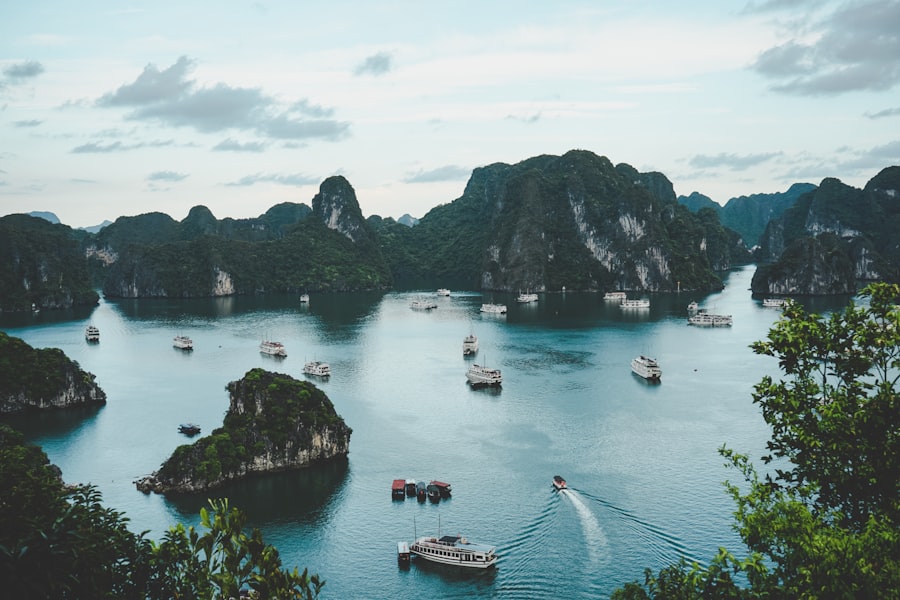
Misty limestone karsts and river valley in northern Laos

Northern Laos is where the country is at its most rugged, traditional, and rewarding. The terrain is overwhelmingly mountainous, with narrow valleys cut by the Mekong and its tributaries (especially the Nam Ou). Roads are winding and slow — distances that look short on a map routinely take twice as long as you expect. This is by far the most ethnically diverse part of the country, home to Hmong, Khmu, Akha, and dozens of smaller groups who maintain distinct languages, dress, and customs.

Luang Prabang

The undisputed jewel of Laos and a UNESCO World Heritage Site since 1995. Luang Prabang sits at the confluence of the Mekong and Nam Khan rivers, framed by green hills and anchored by over 30 gilded temples.

The town has a unique aesthetic that blends:

  • Lao temple architecture
  • French colonial villas (a legacy of the French Indochina period)

The morning tak bat (alms-giving ceremony) is one of SE Asia's most iconic cultural experiences: hundreds of saffron-robed monks walk in silent procession as local devotees kneel to offer sticky rice.

  • Must-see: Wat Xieng Thong (the finest temple in Laos, with its sweeping tree-of-life mosaic), the Royal Palace Museum, and the night market along Sisavangvong Road.
  • Day trips: Kuang Si Waterfalls (30 km south — the turquoise cascades are non-negotiable), Pak Ou Caves (25 km upstream, filled with thousands of Buddha statues), and Tad Sae Waterfalls (best in wet season when you can swim in natural pools).
  • Stay: 2–4 nights. Budget hostels run €4–10/bed; charming guesthouses €15–25/double.

Nong Khiaw & Muang Ngoi

Nong Khiaw is a small town straddling the Nam Ou River, surrounded by towering karst cliffs that look like they belong in a Chinese scroll painting. It serves as a base for some of northern Laos's best short treks and viewpoint hikes.

Key experiences:

  • Pha Tok Caves: Above town, used as shelter during the Secret War bombing campaigns. Offer both historical context and panoramic views
  • 100 Waterfalls trek: A full-day expedition that involves wading upstream through a series of cascades in the jungle — genuinely thrilling and unlike any standard waterfall visit

From Nong Khiaw, a one-hour boat ride up the Nam Ou brings you to Muang Ngoi, a village accessible only by river. There is no road in or out. Electricity arrived relatively recently, and the village retains a deeply peaceful character. Simple guesthouses line the riverbank, and the surrounding countryside offers easy half-day treks to ethnic minority villages, caves, and swimming holes. If you want to experience Laos at its quietest and most traditional, Muang Ngoi is where you go.

Luang Namtha & the Nam Ha NPA

Luang Namtha is the trekking capital of Laos, serving as the gateway to the Nam Ha National Protected Area — one of the country's largest wilderness zones. Multi-day treks here are run through community-based ecotourism programs that directly benefit local villages. You trek through dense jungle, stay overnight in Akha, Khmu, or Lanten villages, and eat meals prepared by your hosts. Guides are typically from the local ethnic groups themselves, adding a depth of cultural insight you will not find on commercial tours elsewhere.

  • Top experience: 2–3 day Nam Ha trek (€25–50/person/day, all-inclusive). Includes jungle trekking, river kayaking, and overnight village homestay.
  • Also worthwhile: Cycling through rice paddies around town, visiting the Luang Namtha Museum, and the night market for cheap local food.

Phongsali

One of the most remote major towns on the tourist trail, Phongsali sits at 1,400 metres elevation in the far north, near the Chinese border. The journey here is the adventure: winding mountain roads that take a full day from Luang Namtha, passing through landscapes that shift from tropical to almost temperate. Phongsali is known for its 400-year-old tea trees, Akha hill-tribe villages that cling to ridgelines, and a misty, cool climate that feels nothing like the rest of Laos. A one-day trek to the Akha villages of Phongsali district is among the most authentic cultural encounters available in northern Laos.

The Mekong Slow Boat: Huay Xai to Luang Prabang

This two-day journey is one of the defining travel experiences in Laos. The slow boats depart from Huay Xai (reached via the Thai border crossing at Chiang Khong) and travel downstream on the Mekong, stopping overnight in the small village of Pakbeng. Day two continues to Luang Prabang. Total river time is approximately 12–14 hours split across two days. Tickets cost around €20–35 for the public boat or €45–70 for private operators with better seating. Bring snacks, a cushion (the wooden seats are unforgiving), a book, and an open schedule — departure times are approximate at best.

The Gibbon Experience (Bokeo Province)

Near Huay Xai, the Gibbon Experience is a unique eco-adventure that combines ziplines through the rainforest canopy with overnight stays in treehouses perched 40+ metres above the forest floor. The project was established to protect the habitat of the black-crested gibbon through sustainable tourism. Three-day packages (€220–350/person) include all meals, guides, and the chance to hear gibbons calling at dawn from your treehouse. A shorter two-day express option is also available. It is physically demanding — expect steep jungle hiking and long zipline traversals — but consistently rated as one of the best wildlife experiences in SE Asia.

Central & Southern Laos: Capital, Karsts & the 4,000 Islands

Turquoise waters and waterfalls in southern Laos

While northern Laos dominates most travel itineraries, the central and southern regions offer a different but equally compelling set of experiences. This is where French colonial architecture lingers most visibly, where the country's most spectacular cave systems hide beneath karst mountains, and where the Mekong broadens into the island labyrinth of Si Phan Don before thundering over the Khone Phapheng Falls — the largest waterfall by volume in Southeast Asia.

Vientiane

Laos's capital is Southeast Asia's most low-key. With a population under a million, Vientiane feels like an unhurried city uncommon for a national capital. The Mekong riverfront promenade, especially at sunset, is a highlight — locals gather to exercise, eat street food, and watch Thailand glittering on the opposite bank. The city's pace is unhurried, and you can cover the main sights in a day or two.

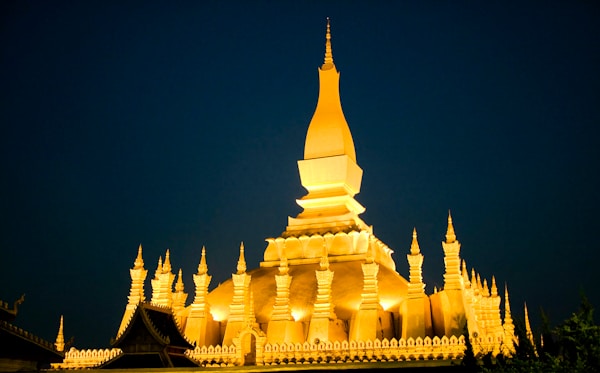
  • Pha That Luang: The golden stupa that serves as Laos's national symbol. Most impressive during the That Luang Festival in November.
  • COPE Visitor Centre: A free museum documenting the impact of unexploded ordnance from the Secret War. Essential, sobering, and brilliantly curated. Allow 1–2 hours.
  • Patuxai (Victory Gate): Laos's answer to the Arc de Triomphe, built with concrete originally donated by the US for a runway. Climb to the top for city views.
  • Buddha Park (Xieng Khuan): 25 km southeast of the centre, a riverside sculpture park filled with enormous, surreal Buddhist and Hindu statues. Unusual and photogenic.
  • Stay: 1–2 nights. Hostel dorms €4–8; guesthouses €9–18/double. The area around Nam Phu fountain has the best concentration of budget options and restaurants.

Vang Vieng

Once notorious for its hedonistic tubing scene (a reputation that led to multiple deaths and a government crackdown around 2012), Vang Vieng has reinvented itself as an adventure-sports hub set against some of the most photogenic karst scenery in Asia. The transformation is genuine: while the party bars have been dismantled, the stunning landscape remains, and the town now attracts a healthier mix of climbers, kayakers, and hikers.

  • Top activities: Rock climbing on bolted limestone routes (€20–40/half-day with guide), kayaking the Nam Song River through karst valleys, hot-air ballooning at sunrise (€80–110), cave exploration (Tham Jang, Tham Phu Kham with its famous blue lagoon), and cycling through rice paddies to viewpoints.
  • Tubing: Still available but now regulated. A gentler experience than the old days — more floating, less drinking. The scenery along the river is genuinely beautiful.
  • Stay: 2–3 nights. Budget options from €4/dorm bed; riverside bungalows €15–25.

The Thakhek Loop

A 450-km motorbike loop starting and ending in Thakhek, this route is one of SE Asia's great road trips. It winds through limestone karst countryside, past caves, viewpoints, and the stunning Kong Lor Cave (Section 13). Most riders complete the loop in 3–4 days, staying in basic guesthouses along the way. The road quality varies from good tarmac to rough gravel, so some motorbike experience is strongly recommended.

  • Motorbike rental: €4–6/day for a semi-automatic scooter from shops along Thakhek's main road.
  • Key stops: Tham Kong Lor (the centrepiece), Tham Pa Fa (Buddha Cave with 200+ ancient statues), the Green Climbers Home (a rock-climbing camp in a karst valley), and numerous swimming caves and lagoons along Route 12.
  • Best season: November to February for dry roads and comfortable temperatures.

Savannakhet

A sleepy Mekong town with well-preserved French-Vietnamese colonial architecture and a relaxed atmosphere that few tourists experience. Savannakhet is primarily a transit point (the Thai-Lao Friendship Bridge II connects to Mukdahan in Thailand), but it rewards a half-day wander through its old quarter, where crumbling colonial shophouses, Catholic churches, and Vietnamese temples create an atmospheric urban landscape. The town also serves as a base for visits to the Dong Natad Provincial Protected Area for day treks.

Pakse & the Bolaven Plateau

Pakse is southern Laos's largest city and the gateway to two of the region's highlights: the Bolaven Plateau and Si Phan Don. The city itself offers good food (the Dao Heuang Market is excellent), comfortable accommodation, and a mellow Mekong riverfront.

The Bolaven Plateau rises to 1,000–1,350 metres east of Pakse, creating a cooler microclimate that supports Laos's prized Arabica coffee plantations. A motorbike loop of the plateau (2–3 days) takes in spectacular waterfalls (Tad Fane, Tad Yuang, Tad Champi, Tad Lo), coffee farms where you can see beans roasted on-site, and ethnic minority villages of the Alak, Katu, and Suay peoples. The route is mostly paved and manageable for confident riders.

Si Phan Don (4,000 Islands)

At the far south of Laos, near the Cambodian border, the Mekong splinters into a vast archipelago of islands and channels. The main traveller hubs are three islands: Don Det (the backpacker favourite, with hammock-draped guesthouses and a chilled-out vibe), Don Khon (quieter, with the beautiful Li Phi Falls and a French-era railway bridge), and Don Khong (the largest island, more local and less touristed).

  • Highlights: Cycling between Don Det and Don Khon (connected by a bridge), watching the sunset from a riverside hammock, kayaking through the island channels, and visiting the thundering Khone Phapheng Falls on the mainland. Note: Irrawaddy dolphins were historically spotted here, but the last confirmed individual in Lao waters died in 2022; the surviving population (~100 animals) is now entirely in Cambodia's Kratie–Stung Treng stretch.
  • Budget: Si Phan Don is one of the cheapest destinations in Laos. Bungalows on Don Det start at €3–5/night; meals at riverside restaurants run €2–4.
  • Onward: From here, it is straightforward to cross into Cambodia (boat + bus to Stung Treng or direct to Siem Reap/Phnom Penh via tourist minibus).
China-Laos Railway: A Game-Changer

Opened in December 2021, the modern railway connects Vientiane to the Chinese border at Boten, with stops near Luang Prabang and Vang Vieng. The Vientiane–Luang Prabang journey takes approximately 2 hours (versus 10–12 by bus) and costs around 120,000–200,000 LAK (€5–10). Trains run several times daily. The stations are located outside the city centres (Luang Prabang station is ~10 km from the old town), so factor in a tuk-tuk ride at each end. This railway has fundamentally changed northern Laos travel logistics — what once required a full day by bus is now a comfortable morning trip.

Top Sightseeing

Laos punches well above its weight in natural and cultural sights. The country may lack the grand temple complexes of Cambodia or the soaring skyscrapers of Vietnam, but what it offers — intimate temple towns, thundering waterfalls, vast cave systems, and a landscape barely touched by mass tourism — is genuinely unique in the region.

Historic white temple with golden details in Vientiane

Kuang Si Waterfalls

One of Laos's most iconic sights. Multi-tiered turquoise cascades tumble through limestone pools ideal for swimming. The Tat Kuang Si Bear Rescue Centre at the entrance shelters Asiatic black bears saved from poaching. Allow half a day; arrive early (before 10 AM) to beat tour groups. Entry: €1.

Golden stupa of Pha That Luang Vientiane

Pha That Luang

The golden stupa that appears on Laos's national emblem. According to legend, originally built in the 3rd century BCE by envoys of Emperor Ashoka to enshrine a relic of the Buddha, then rebuilt in its current form in the 16th century. The surrounding cloisters contain numerous Buddha images. Most atmospheric at sunset when the gold catches the light. Entry: €0.50.

Wat Xieng Thong temple in Luang Prabang

Wat Xieng Thong

The crown jewel of Luang Prabang's 30+ temples, built in 1560 by King Setthathirath. The sweeping, multi-tiered roof is a masterpiece of Lao architecture, and the rear wall features a stunning tree-of-life mosaic in coloured glass. The funeral chapel houses an ornate royal funerary carriage. Entry: €1.

Mysterious Plain of Jars archaeological site

Plain of Jars (Phonsavan)

Thousands of megalithic stone jars, some weighing up to 6 tonnes, scattered across the plateau near Phonsavan. Their origin and purpose remain debated — likely funerary vessels from 500 BC–500 AD. Three main sites are open (Sites 1, 2, and 3); the area is heavily marked for UXO clearance. UNESCO World Heritage since 2019.

Monks collecting alms at dawn in Luang Prabang

Tak Bat (Alms Giving)

Every dawn in Luang Prabang, hundreds of monks walk in silent procession through the streets as locals kneel to offer sticky rice. This centuries-old Theravada tradition predates tourism entirely. Watch respectfully from a distance; do not use flash photography, do not touch monks, and only participate in the offering if you have purchased rice from the morning market (not from vendors who sell stale rice for tourist photo-ops).

COPE Centre prosthetic display Vientiane

COPE Visitor Centre

A free museum in Vientiane documenting the devastating impact of unexploded ordnance (UXO) from the Secret War, during which the US dropped over 2 million tonnes of bombs on Laos between 1964 and 1973. The centre explains the ongoing clearance efforts and provides prosthetics to survivors. Essential context for understanding modern Laos. Free entry; donations appreciated.

More Unmissable Sights

SightLocationWhy VisitTime Needed
Pak Ou Caves25 km north of Luang PrabangTwo river caves packed with thousands of Buddha statues deposited by pilgrims over centuries. Reached by scenic Mekong boat trip.Half day
Kong Lor CaveThakhek / Khammouane7.5 km underground river cave. Motorboat ride through vast, pitch-dark chambers. One of SE Asia's great natural wonders.Half day + travel
Tad Fane WaterfallBolaven PlateauTwin streams plunge 120 metres into a jungle gorge. Best viewed from the Tad Fane Resort overlook or via zipline across the canyon.2–3 hours
Khone Phapheng FallsNear 4,000 IslandsThe largest waterfall by volume in SE Asia. The Mekong crashes through a dramatic series of cascades within the broader Si Phan Don rapids system, which stretches over 10 km across.1–2 hours
Vieng Xai CavesNear Sam NeuaCave network that sheltered the Pathet Lao leadership during the Secret War. A guided tour reveals underground hospitals, theatres, and command centres.Half day
Wat PhouNear ChampasakRuined Khmer temple complex (UNESCO World Heritage) predating Angkor Wat. Set against Phou Kao mountain, atmospheric and uncrowded.Half day

Culture & Etiquette

Lao culture is rooted in Theravada Buddhism, communal values, and a concept the locals call bo pen nyang — roughly translated as “no problem” or “never mind.” This phrase captures the national temperament: patient, gentle, and remarkably tolerant of the inconveniences that life throws up. Understanding and respecting these cultural foundations will transform your experience from tourist observation to genuine human exchange.

Buddhism in Daily Life

Buddhism is not merely a religion in Laos; it is the organising framework for social life. Nearly every Lao male spends some time as a monk (often during the monsoon retreat), and temples serve as community centres, schools, and social-welfare institutions. Monks are the most respected members of society, and interactions with them follow strict protocols:

  • Women must never touch a monk or hand objects directly to one. Place offerings on a cloth or tray instead.
  • Sit lower than monks in any shared space. On buses, monks sit at the front; give up your seat if needed.
  • Photography: Ask permission before photographing monks. During tak bat, maintain a respectful distance and never use flash.

The Baci Ceremony

The baci (also spelled basi) is one of Laos's most distinctive cultural traditions. A village elder or spiritual leader ties white cotton strings around the wrists of guests while chanting blessings for health, prosperity, and safe travels. The strings are meant to bind your khwan (spiritual essence) to your body and should be worn for at least three days before removal. If you are invited to a baci ceremony — at a homestay, wedding, or festival — accept without hesitation. It is one of Laos's most moving cultural traditions.

Social Etiquette

SituationDoDo Not
GreetingPlace palms together at chest level in a nop (similar to Thai wai) and bow slightlyShake hands unless initiated by the other person. Avoid hugging or cheek-kissing.
Entering homesRemove shoes at the door. Wait to be invited to sit.Step on the threshold — it is believed to house a protective spirit.
Feet & headSit with feet tucked behind you or to the side, not pointed at people or Buddha imagesTouch anyone's head (considered the most sacred body part) or point your feet at someone
Temple visitsCover shoulders and knees. Remove shoes. Speak quietly.Climb on Buddha statues, point feet at images, or turn your back on the main altar
EatingWait for the eldest person to begin. Use sticky rice to scoop dishes. Eat communally.Stick chopsticks upright in rice (funeral symbolism). Waste food.
PhotographyAsk permission, especially with ethnic minority groups and childrenPhotograph military installations, bridges, or government buildings
BargainingGentle negotiation at markets is expected. Smile, be playful.Aggressive haggling or becoming visibly angry over small amounts

Ethnic Diversity

Laos officially recognises 49 ethnic groups, broadly classified into three categories based on the elevation they traditionally inhabit: Lao Loum (lowland Lao, ~60% of the population, dominant in the Mekong valley), Lao Theung (midland peoples, including the Khmu and various Mon-Khmer groups), and Lao Soung (highland peoples, primarily Hmong and Yao/Mien). When trekking in the north, you may pass through villages of different ethnic groups within a single day. Each has distinct languages, customs, textiles, and spiritual practices (not all groups are Buddhist — many highland communities practice animism). Approach these encounters with curiosity, patience, and respect. Note that this traditional three-tier classification, while still commonly referenced, is considered oversimplistic; the government now emphasises the 49 distinct ethnic groups rather than the altitude-based categories. Always trek with a local guide who knows the customs of the villages you are visiting.

The Secret War & Its Legacy

Between 1964 and 1973, the United States conducted a covert bombing campaign over Laos as part of the broader Vietnam War conflict, dropping an estimated 2 million tonnes of ordnance — more bombs per capita than any country in history. Approximately 30% of the bombs failed to detonate and remain in the soil as unexploded ordnance (UXO), continuing to cause casualties to this day. This history is not widely taught outside the region, and many visitors are shocked to learn the scale of what happened. Visit the COPE Centre in Vientiane and the UXO Lao Visitor Centre in Luang Prabang for essential context. In the countryside, never stray from marked paths in areas flagged for UXO (especially Xieng Khouang province around the Plain of Jars).

Food & Cuisine

Traditional Lao food spread with sticky rice and local dishes

Lao cuisine is the unsung hero of Southeast Asian food. Often overshadowed by Thai and Vietnamese cooking, it deserves recognition on its own terms — earthier, funkier, and built around a trio of staples that define the national palate:

  • Sticky rice (khao niao)
  • Laap (minced meat salad)
  • Green papaya salad (tam mak hoong)

If you think you have already tried these dishes in Thailand, prepare to discover that the Lao originals are bolder, more aromatic, and often spicier than their Thai-adapted versions.

The Holy Trinity

Khao Niao (Sticky Rice)

Not a side dish — the centrepiece of every meal. Steamed in a conical bamboo basket, served in a small woven container called a tip khao. You eat it with your hands: pinch off a small ball, roll it between your fingers, and use it to scoop up accompanying dishes. Laos has the highest per-capita sticky rice consumption in the world, and the Lao people sometimes call themselves luk khao niao — “children of sticky rice.”

Laap (Minced Meat Salad)

The national dish. Minced meat (pork, chicken, duck, beef, or fish) dressed with lime juice, fish sauce, roasted rice powder, chilli, and a mountain of fresh herbs — mint, coriander, green onions, sawtooth herb. The roasted rice powder (khao khua) adds a nutty crunch that is the signature texture of the dish. Laap can be cooked or raw (laap dip); the raw version is a delicacy best tried at established restaurants with high turnover.

Tam Mak Hoong (Green Papaya Salad)

Pounded in a mortar and pestle, Lao-style papaya salad is typically spicier and more pungent than its Thai cousin (som tam). The key difference is padaek — a thick, fermented fish paste that adds a deep umami funk absent from the Thai version. Also includes cherry tomatoes, long beans, lime, chilli, and often fermented crab. Order it pet noi (mild) if you are not accustomed to extreme heat.

Must-Try Dishes

DishWhat It IsWhere to Find ItPrice Range
Or LamThick, herby stew from Luang Prabang with meat, aubergine, beans, dill, and sakhan (a woody vine that numbs the mouth). Complex, unique flavour.Luang Prabang restaurants€1.25–2
Sai Oua (Lao Sausage)Coarsely chopped pork stuffed with lemongrass, galangal, kaffir lime leaves, and chilli. Grilled until the skin crisps. Served with sticky rice and fresh vegetables.Markets & street vendors everywhere€0.50–1
Mok PaFish steamed in banana leaves with padaek, lemongrass, dill, and ground sticky rice powder that binds the mixture. Delicate and aromatic.Local restaurants, especially riverside€1–1.75
Khao Piak SenHand-pulled rice noodle soup in a starchy, comforting broth with chicken or pork. The Lao answer to pho, eaten for breakfast or lunch.Morning markets, noodle shops€0.75–1.25
Khao JeeLao baguette (French legacy) stuffed with pâté, ham, lettuce, tomato, and chilli sauce. The ultimate Lao street snack.Street vendors, especially mornings€0.50–0.75
Ping KaiMarinated grilled chicken — flattened whole birds charcoal-grilled with lemongrass and garlic. Served with jaew dipping sauce.Roadside grills, night markets€0.75–1.50
Khao Nom KokCoconut milk and rice flour cakes cooked in a special cast-iron pan. Sweet, custardy, and addictive. Sold from carts in the morning.Morning markets, street carts€0.25–0.50
Jaew BongRoasted chilli paste with buffalo skin. Thick, smoky, and intensely flavoured. Used as a dip for sticky rice and vegetables.Local restaurants, especially LPIncluded with meals

Drinks

  • Beerlao: The national beer and widely considered one of Southeast Asia's best lagers. Crisp, clean, and available absolutely everywhere. A large bottle costs €0.50–0.75 in shops, €0.75–1.25 in restaurants. The Beerlao Dark variety is excellent.
  • Lao Coffee: Grown on the Bolaven Plateau, Lao Arabica and Robusta beans produce rich, strong coffee. Typically served with sweetened condensed milk (kafae nom). The Jhai Coffee House is a good introduction; for the real experience, visit a plantation on the Bolaven Plateau.
  • Lao-Lao: Homemade rice whisky that ranges from smooth to eye-watering. You will be offered it at homestays and village visits. One or two shots is polite; the host will understand if you decline more. The snake or scorpion-infused varieties are primarily for tourists.
  • Fruit Shakes: Fresh fruit blended with ice, available at most tourist restaurants. Mango, passion fruit, and watermelon are reliable choices. €0.50–1.
  • Lao Tea: In the north, especially Phongsali, you can try tea from centuries-old tea trees. The flavour is subtle and earthy, quite different from mass-produced teas.
Padaek & Adventurous Eating

Padaek (fermented fish paste) is the backbone of Lao cuisine. Its pungent, funky aroma can be off-putting to the uninitiated, but it provides the deep umami foundation that makes dishes like tam mak hoong and mok pa taste so distinctive. If you are offered raw laap (laap dip) or raw blood soup (luu), be aware these carry parasitic risks. Most travellers enjoy cooked versions safely, but raw preparations are best reserved for restaurants you trust.

Regional Differences

  • Northern Laos (Luang Prabang): More herbaceous and complex. The signature dish or lam originates here, along with distinctive use of dill, sakhan vine, and bitter greens. Luang Prabang's night market serves a popular all-you-can-eat vegetarian buffet for €0.75.
  • Central Laos (Vientiane): Influenced by Thai cuisine due to proximity. More variety of restaurants, including French bakeries (a colonial legacy), Vietnamese pho shops, and Indian food along the Mekong.
  • Southern Laos (Pakse, 4,000 Islands): Freshwater fish dominates. More coconut-based curries. Coffee culture is strong on the Bolaven Plateau. Khmer influence appears in some dishes near the Cambodian border.

Caves & Adventures

Laos is a landlocked country, but what it lacks in coastline it compensates for with some of the most thrilling adventure activities in mainland Southeast Asia. The country's karst limestone geology has created a subterranean wonderland of cave systems, while its rivers offer kayaking, tubing, and whitewater experiences that rival anything in the region.

Caving

If Laos had one adventure calling card, it would be caves. The Khammouane Province alone contains thousands of documented caves, and new ones continue to be discovered. Here are the standouts:

Dramatic cave interior with river

Tham Kong Lor (Kong Lor Cave)

The crown jewel. A 7.5 km river cave that you traverse by motorboat through pitch-black chambers averaging 90 metres wide and up to 100 metres high. A 2008 National Geographic expedition brought it to international attention. The boat ride takes about 45 minutes each way, emerging at a small village on the opposite side before you return. Entry plus boat: approximately €5–6 per person.

Xe Bang Fai cave entrance

Xe Bang Fai River Cave

One of the largest active river cave passages on Earth, with chambers averaging 76 metres wide and 56 metres high over a 12 km underground stretch. Far more remote and challenging to access than Kong Lor, this is an expedition-grade experience requiring a tour operator. Multi-day trips from Thakhek include kayaking, camping, and guided exploration.

Blue lagoon at cave entrance Vang Vieng

Vang Vieng Cave Network

Dozens of caves surround Vang Vieng, ranging from easy walk-ins to challenging explorations. Tham Phu Kham features a reclining Buddha and a gorgeous blue lagoon for swimming. Tham Jang is a war-era cave with viewpoint. Tham Nam (Water Cave) offers 200 metres of tubing through a flooded passage. Entry fees: €0.50–1 per cave.

Kayaking & River Activities

Laos's river network — the Mekong and its tributaries (Nam Ou, Nam Song, Nam Khan, Nam Tha) — provides exceptional kayaking opportunities. Unlike coastal kayaking, these are river experiences through dramatic landscapes with minimal motorised traffic.

  • Nam Ou River (Nong Khiaw → Luang Prabang): A multi-day kayaking route through towering karst valleys and past Khmu and Hmong villages. Can be combined with the 100 Waterfalls trek. Operators in Nong Khiaw run 1–3 day trips (€25–80/person).
  • Nam Song River (Vang Vieng): Half-day kayaking through the karst landscape. Calmer and more scenic than the old tubing party scene. €15–25/person including guide and transport.
  • Mekong Twin Rivers (Luang Prabang): A full-day kayaking adventure covering ~22 km on the Nam Ou and Mekong, including a visit to the Pak Ou Caves and lunch on a sandy beach beneath towering limestone cliffs. €45–70/person.
  • Nam Tha River (Luang Namtha): Often combined with multi-day treks through the Nam Ha NPA. One day of jungle trekking followed by a day of river kayaking through pristine forest. €35–60/person/day.

Tubing

Vang Vieng's tubing scene has been reformed but not eliminated. The modern version involves floating down the Nam Song River in an inflated tractor tube, stopping at riverside bars that now serve food alongside drinks. The scenery — karst towers reflected in calm water, rice paddies, water buffalo — is genuinely beautiful. A tube rental costs about €2.75 plus a €3 refundable deposit. The float takes 2–3 hours. Tham Nam (Water Cave) tubing, a separate experience, involves pulling yourself through a 200-metre flooded cave on a rope — atmospheric and fun.

Rock Climbing

The karst limestone that makes Laos a caving paradise also creates excellent climbing. Two main areas stand out:

  • Vang Vieng: Over 200 bolted routes on limestone cliffs ranging from beginner (5a) to expert (8a+). Adam's Climbing School and VV Climbing are reputable operators. Half-day guided climbing: €20–40/person.
  • Green Climbers Home (Thakhek): A dedicated climbing camp in a stunning karst valley along the Thakhek Loop. Over 300 routes across all grades, with on-site bungalow accommodation (€4–10/night). Multi-day stays are common. One of Asia's best-value climbing destinations.

Ziplining & Canopy Adventures

  • The Gibbon Experience (Bokeo): The signature adventure (see Section 8). Multi-day zipline-and-treehouse experience in primary rainforest. €220–350/person for 2–3 days.
  • Tad Fane Zipline (Bolaven Plateau): Zipline across the 120-metre Tad Fane waterfall gorge. Shorter but spectacular. ~€45/person.
  • Tree Top Explorer (Dong Hua Sao NPA): Zipline and trek through southern Laos's forest canopy near Pakse. €70–120/person for full day.

Hot-Air Ballooning

Vang Vieng offers sunrise balloon flights over the karst landscape — the combination of mist-filled valleys, jutting limestone pinnacles, and golden light makes it one of the most scenic balloon experiences in SE Asia. Flights run daily in the dry season (November–February). Cost: €80–110/person for a 40–60 minute flight. Book directly with the operator at the balloon site south of town.

Adventure Safety

Laos's adventure tourism industry has fewer safety regulations than you may be accustomed to. Always check equipment quality before participating, choose established operators with good reviews, and ensure your travel insurance covers adventure activities (especially rock climbing, caving, and motorbiking). Many standard travel insurance policies exclude motorbike accidents unless you hold a valid licence for the vehicle class.

Hikes & Treks

Laos is trekking country in a way that few SE Asian destinations can match. The combination of several factors makes trekking here both rewarding and responsible:

  • Mountainous terrain
  • Ethnic minority villages
  • Pristine jungle
  • Community-based tourism model that channels income directly to local communities

Unlike commercial trekking circuits in Nepal or Peru, most Lao treks feel genuinely exploratory — trails are not signposted, groups are small (typically 2–8 people), and your guide may well be from the village you are visiting.

Top Trekking Destinations

Jungle trekking through dense forest

Nam Ha NPA (Luang Namtha)

Laos's flagship ecotourism trekking area. 2–3 day treks through dense jungle with overnight stays in Akha, Khmu, or Lanten villages. Guides are local, groups are capped at 8 people, and proceeds go directly to host communities. Expect river crossings, bamboo bridges, and encounters with wildlife including hornbills and gibbons. €25–50/person/day all-inclusive.

Mountain viewpoint over misty valleys

Nong Khiaw Viewpoints & 100 Waterfalls

Two signature experiences. The viewpoint hikes (Pha Dok Siew, 2–3 hours return) offer vertiginous panoramas over the Nam Ou valley and karst peaks. The 100 Waterfalls trek is a full-day adventure: you hike upstream through a series of cascading waterfalls, scrambling over rocks and wading through knee-to-waist-deep water in the jungle. €20–35/person with guide.

Highland misty mountain trail

Phongsali Hill Tribe Treks

The most remote trekking in Laos. 1–3 day treks from Phongsali town to Akha villages that feel untouched by modernity. Expect steep mountain trails at 1,200–1,800m elevation, misty conditions (Nov–Feb), and genuinely warm hospitality from villagers who see very few foreigners. The Phongsali Tourism Office arranges treks. €20–40/person/day.

More Trekking Options

TrekLocationDurationDifficultyHighlights
Kuang Si Waterfall Day TrekLuang Prabang1 dayEasy–ModerateTrail through forest and farmland to the waterfall. Swim at the end. Tiger Trail offers guided versions with village visits.
Nam Et-Phou Louey Night SafariSam Neua / Vieng Thong2 days / 1 nightModerateNight-time river safari in a wildlife-rich NPA. Chance to spot sambar deer, civets, and (rarely) clouded leopards. The only night safari in Laos.
Bolaven Plateau Waterfall TrailPakse1–2 daysEasyWalking between waterfalls (Tad Fane, Tad Yuang, Tad Lo) through coffee plantations and Alak villages. Can be done on foot or by motorbike.
Dong Hua Sao NPANear Pakse1–2 daysModerateSouthern Laos's primary forest with gibbon habitat, waterfalls, and canopy ziplines. Less visited than northern treks.
Phou Si HillLuang Prabang30 min upEasy328 steps to the golden stupa at the summit. Panoramic sunset views over the Mekong and Nam Khan confluence. The most popular short hike in Laos.
Trekking Tips
  • Best season: November to February (cool, dry, clear trails). Avoid March–April (haze) and peak monsoon (July–August) when leeches and mud make jungle trails challenging.
  • Book locally: Do not pre-book treks online through third-party platforms that take large commissions. Walk into the tourism office or a reputable operator (Tiger Trail, Green Discovery, Luang Namtha Trekking) in town and book directly. Prices are lower, and more money reaches the communities.
  • Bring: Good trail shoes (not flip-flops), water bottle, insect repellent, long sleeves, rain layer, and a headlamp. Trekking poles are useful in the mountains but rarely provided.
  • Leeches: Common on wet-season jungle trails. Leech socks help. Do not pull leeches off — apply salt, tobacco, or a lighter flame to detach them. Bites bleed profusely but are harmless.

Wildlife & Nature

Laos is one of the most biodiverse countries in mainland SE Asia, with over 20 National Protected Areas (NPAs) covering roughly 14% of its territory. The low population density and limited development mean that large tracts of primary forest survive here that have been lost in neighbouring countries. However, wildlife faces severe pressure from poaching, habitat loss, and the wildlife trade, making responsible tourism choices particularly important.

Key Wildlife Encounters

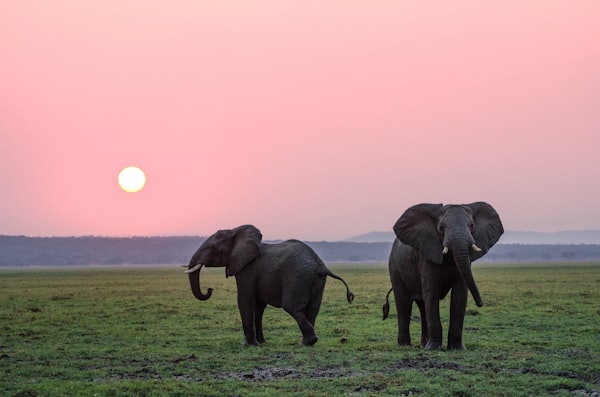
Asian elephant in natural habitat

Asian Elephants

Laos was historically known as Lan Xang — the “Land of a Million Elephants.” Wild populations have declined dramatically, but ethical elephant encounters are available at the MandaLao Elephant Conservation near Luang Prabang, where rescued elephants live in semi-wild conditions. Visitors walk alongside elephants in the forest and observe natural behaviour — no riding, no chains. Full-day visits: €70–120/person.

Gibbon in rainforest canopy

Gibbons

The Gibbon Experience in Bokeo Province was designed specifically to protect the black-crested gibbon. Hearing their haunting dawn calls echoing through the canopy from your treehouse is an unforgettable wildlife moment. In the Nam Ha and Nam Et-Phou Louey NPAs, white-cheeked gibbons can also be heard (and occasionally seen) on multi-day treks.

River dolphin surfacing

Irrawaddy Dolphins (Historical)

The Mekong near Si Phan Don was once home to a small population of Irrawaddy dolphins, but the last confirmed individual in Lao waters died in 2022 after entanglement in fishing nets. The surviving population (~100 animals) now resides entirely in Cambodia's Kratie–Stung Treng stretch. Some tour operators still run boat trips near the border zone, but dolphin sightings in Lao waters can no longer be reliably expected. The loss is a sobering reminder of the conservation challenges the Mekong ecosystem faces.

Bears, Birds & More

  • Tat Kuang Si Bear Rescue Centre: Adjacent to Kuang Si Waterfalls, this Free the Bears-operated sanctuary houses Asiatic black bears (moon bears) rescued from the illegal wildlife trade. Well-managed, educational, and included in your waterfall entry fee.
  • Birdwatching: Laos is underexplored ornithologically, with over 700 recorded species. The Xe Pian NPA in the south, the wetlands around Beung Kiat Ngong, and the forests of the Bolaven Plateau are productive sites. Species of interest include the white-winged duck (endangered), green peafowl, and multiple hornbill species.
  • Nam Et-Phou Louey Night Safari: The only nocturnal wildlife-viewing experience in Laos. A guided river safari at dusk and through the night, using spotlights to observe sambar deer, wild boar, civets, and potentially clouded leopards. The NPA is also home to tigers, though confirmed sightings by tourists are extremely rare.
Wildlife Tourism Ethics

Avoid any attraction that offers direct contact with wild animals (especially tiger or bear petting, elephant riding with a seat/howdah, or photo ops with chained animals). In markets, do not purchase wildlife products including ivory, pangolin scales, bear bile, or wild-caught birds. The wildlife trade is a major threat to Laos's biodiversity, and tourist demand fuels it. Ethical alternatives like MandaLao (elephants), the Gibbon Experience (gibbons), and Free the Bears (rescue centre) demonstrate that responsible tourism can protect wildlife while providing meaningful experiences.

Hidden Gems

In a country that is itself something of a hidden gem within SE Asia, finding truly off-the-radar destinations requires going beyond the Luang Prabang → Vang Vieng → Vientiane corridor. The places listed below see a trickle of visitors at most and reward the effort of reaching them with experiences you will not find in any guidebook's “Top 10.”

Vieng Xai Caves (Sam Neua)

The Pathet Lao leadership hid in a network of over 400 limestone caves during the Secret War bombing. Guided tours (run by the local tourism office for ~€3) take you through caves that housed underground hospitals, a printing press, a theatre, and the personal quarters of future Lao leaders. The historical significance is immense, the setting is hauntingly beautiful, and you will likely be one of fewer than a dozen visitors that day. Reaching Sam Neua requires a long bus journey from either Phonsavan or Luang Prabang, which keeps the crowds away.

Nong Khiaw & Muang Ngoi

While Nong Khiaw appears in Section 8, it remains genuinely under-visited compared to Luang Prabang or Vang Vieng. The Nam Ou valley here offers some of Laos's most dramatic karst scenery, and the boat ride to roadless Muang Ngoi transports you to a version of Laos that barely exists elsewhere. Off-season (June–October), you may have the viewpoint trails to yourself entirely.

Tha Falang & the Limestone Swimming Holes

Near Thakhek, a series of crystal-clear karst swimming holes are scattered through the countryside along the Thakhek Loop route. Tha Falang is the most accessible — a rope swing over turquoise water in a jungle-framed limestone setting that feels like a private paradise. Several other unnamed pools along Route 12 are even more secluded.

Beung Kiat Ngong Wetlands

A flooded forest and wetland area in Champasak Province, south of Pakse. Boat trips through the submerged forest offer excellent birdwatching, and the nearby community offers homestays with elephant-watching walks (verify the operator follows ethical no-riding practices) and visits to ancient Khmer ruins that predate Wat Phou. Almost no tourists make it here, despite the area being only 60 km from Pakse.

Tad Lo Village

A tiny village on the Bolaven Plateau centred around a beautiful waterfall that doubles as the local swimming pool. Tim Guesthouse and other family-run places offer hammock-strung terraces overlooking the falls. The pace of life here is wonderfully unhurried. Multi-day stays are common among travellers who arrive for one night and stay for a week. Elephants used to bathe in the waterfall at 4 PM daily, though this practice has been modified for animal welfare.

Xam Tai & Hua Phan Province

One of Laos's most remote and least-visited provinces, Hua Phan is home to the Tai Daeng people, renowned for their intricate silk weaving traditions. The village of Xam Tai is the centre of this textile craft, and several homes function as informal workshops where you can watch the entire process from silk worm to finished pha sin (traditional skirt). Getting here requires time and tolerance for rough roads, but the cultural authenticity is unmatched.

Getting Off the Beaten Path in Laos

The hidden gems above share common access challenges: long bus journeys on poor roads, limited English, and basic accommodation. Embrace these as features, not bugs. Bring a phrasebook or translation app (Google Translate's offline Lao pack is decent), carry cash (ATMs are sparse outside major towns), and adjust your expectations for comfort. The warmth of the people and the raw beauty of the landscape more than compensate for any inconvenience.

Route A: Classic 2-Week North-to-South

This is the essential Laos route, following the Mekong corridor from the Thai border to the capital. It connects the country's four most popular destinations in a logical north-to-south flow and can be completed comfortably in 12–14 days. If you only have two weeks, this is how to spend them.

Route Overview

Huay Xai & Luang Prabang (4 nights) → Nong Khiaw (3 nights) → Vang Vieng (3 nights) → Vientiane (3 nights)

Total duration: 13 nights / 14 days • Budget (couple): €500–966 USD total • Best season: Nov–Feb

Days 1–4: Huay Xai & Luang Prabang (4 nights)

Cross from Thailand at Chiang Khong, collect your visa on arrival at the Lao border, and board the slow boat. Day 1 takes you downstream to the small village of Pakbeng (overnight in a basic guesthouse, €4–10). Day 2 continues to Luang Prabang, arriving late afternoon. Day 3: explore the old town — Wat Xieng Thong, the Royal Palace Museum, and the night market. Sunrise tak bat observation, Phou Si hill climb. Day 4: full-day trip to Kuang Si Waterfalls (combine with the Bear Rescue Centre and a village visit on the way back). Boat trip to Pak Ou Caves, return via the Whiskey Village (Lao-Lao tasting), or afternoon cooking class.

Days 5–7: Nong Khiaw (3 nights)

Take a minivan (3–4 hours) or the more scenic Nam Ou boat to Nong Khiaw. Day 5 afternoon: hike to the Pha Dok Siew viewpoint for sunset over the karst valley. Day 6: full-day 100 Waterfalls trek (book through Tiger Trail or a local guide), or take the boat to Muang Ngoi for a gentler day of village walks and river swimming. Day 7: morning kayaking on the Nam Ou, explore Pha Tok cave, or relax riverside before departing for Vang Vieng.

Days 8–10: Vang Vieng (3 nights)

Take the minivan back to Luang Prabang and then the China-Laos Railway south to near Vang Vieng (total journey: ~4–5 hours). Day 8: settle in, explore the town, sunset kayak on the Nam Song. Day 9: morning rock climbing with a local guide, afternoon tubing or blue lagoon visit. Day 10: hot-air balloon at sunrise, cave exploration (Tham Phu Kham and Tham Chang), cycling through rice paddies. Alternatively, do a full-day kayak-and-cave combo.

Days 11–13: Vientiane (3 nights)

Train from Vang Vieng station to Vientiane (~1.5 hours). Day 11: Pha That Luang, COPE Visitor Centre, and a Mekong sunset dinner. Day 12: Patuxai, Buddha Park (morning trip, 25 km southeast by bus), afternoon at a café in the old quarter or a sunset river walk. Day 13: morning at the Talat Sao market, explore French colonial architecture, final temple visit. Day 14 departure — night bus to Pakse/4,000 Islands, train to Luang Prabang, or cross to Thailand via the Friendship Bridge to Nong Khai.

Budget Breakdown (Couple, 14 Days)

CategoryDaily (2 ppl)14-Day TotalNotes
Accommodation€10–20€150–280Guesthouses €7–15/double; hostels €4–8/bed
Food€9–18€130–252Local restaurants & markets; occasional splurge
Transport€4–8€65–112Slow boat, trains, minivans, tuk-tuks
Activities€7–15€100–210Waterfalls, caves, kayaking, cooking class
Miscellaneous€4–8€65–112SIM card, laundry, drinks, souvenirs
Total€35–69€500–966Comfortable budget for a couple

Route B: 3-Week North-to-South Extended

This route extends Route A southward, adding the Thakhek Loop, the Bolaven Plateau, and the 4,000 Islands. It covers the full length of Laos and ends near the Cambodian border, making it ideal if you are continuing south. Three weeks allows a comfortable pace with time for spontaneous detours.

Route Overview

Huay Xai & Luang Prabang (4 nights) → Vang Vieng (3 nights) → Vientiane (3 nights) → Thakhek & Loop (3 nights) → Pakse & Bolaven Plateau (3 nights) → 4,000 Islands (4 nights)

Total duration: 20 nights / 21 days • Budget (couple): €680–1,330 USD total • Best season: Nov–Feb

Days 1–4: Huay Xai & Luang Prabang (4 nights)

Cross from Thailand at Chiang Khong and board the slow boat. Day 1: downstream to Pakbeng (overnight). Day 2: continue to Luang Prabang, arriving late afternoon. Days 3–4: explore the old town — Wat Xieng Thong, Royal Palace Museum, night market, sunrise alms ceremony, Kuang Si Falls, Pak Ou Caves, cooking class, Phou Si hill climb, Mekong-side cafés.

Days 5–7: Vang Vieng (3 nights)

Train from Luang Prabang area to Vang Vieng. Day 5: settle in, explore the town, sunset kayak on the Nam Song. Day 6: morning rock climbing or tubing, afternoon Blue Lagoons and cave exploration. Day 7: hot-air balloon at sunrise, Tham Phu Kham cave, cycling through rice paddies, or full-day kayak-and-cave combo.

Days 8–10: Vientiane (3 nights)

Train from Vang Vieng to Vientiane (~1.5 hours). Day 8: Pha That Luang, COPE Visitor Centre, Mekong sunset dinner. Day 9: Patuxai, Buddha Park (morning trip), afternoon in the French quarter or sunset river walk. Day 10: Talat Sao market, explore colonial architecture, final temple visits, prep for the south.

Days 11–13: Thakhek & Loop (3 nights)

Bus from Vientiane to Thakhek (5–6 hours). Rent a motorbike and embark on the famous 450-km loop. Day 11: Thakhek to Kong Lor Cave (overnight near the cave — one of Laos' most spectacular sights, a 7.5 km navigable river cave). Day 12: explore Kong Lor, then ride south via Route 12, stopping at swimming caves and the Green Climbers Home. Day 13: return to Thakhek via Tham Pa Fa (Buddha Cave) and riverside viewpoints. The loop can be shortened or extended depending on your pace.

Days 14–16: Pakse & Bolaven Plateau (3 nights)

Bus from Thakhek to Pakse (6–7 hours). Day 14: explore Pakse — Dao Heuang Market, Mekong waterfront, prep for the Bolaven loop. Days 15–16: two-day motorbike loop of the Bolaven Plateau, visiting Wat Phou (pre-Angkorian UNESCO temple), Tad Fane, Tad Yuang, and Tad Lo waterfalls, coffee plantations (taste freshly roasted Bolaven beans), and ethnic minority villages. Stay overnight in Tad Lo village. Return to Pakse on Day 16 evening.

Days 17–20: Si Phan Don (4,000 Islands) (4 nights)

Minivan from Pakse to Don Det (2–3 hours + boat transfer). Check into a riverside bungalow and surrender to the island pace. Day 17: cycle across the French-built bridge to Don Khon, visit Li Phi Falls, swim in the Mekong. Day 18: morning boat trip to spot Irrawaddy dolphins, afternoon hammock time with a Beerlao. Day 19: kayak through the island channels, visit Khone Phapheng Falls (Southeast Asia's largest waterfall by volume). Day 20: final island relaxation, sunset watching, prepare for onward travel. Day 21 departure: cross into Cambodia (boat + bus to Stung Treng, then Siem Reap or Phnom Penh).

Budget Breakdown (Couple, 21 Days)

CategoryDaily (2 ppl)21-Day TotalNotes
Accommodation€9–18€190–378Mix of guesthouses, bungalows, and homestays
Food€9–16€190–336Southern Laos is even cheaper than the north
Transport€5–10€110–210Includes motorbike rental for loops (~€4/day)
Activities€5–12€110–252Cave entries, dolphin boats, waterfall fees
Miscellaneous€4–7€75–147Fuel for loops, laundry, drinks
Total€30–63€680–1,323Full-country experience on a budget

Route C: Off the Beaten Path — Deep North & East

This route is for experienced travellers who have either already visited Laos's main corridor or who prefer to avoid it entirely. It explores the country's most remote and least-visited regions — the far north (Phongsali), the northeast (Sam Neua, Vieng Xai), and the east (Phonsavan, Plain of Jars) — before connecting to the main tourist trail or crossing into Vietnam. Expect rough roads, limited infrastructure, and unforgettable encounters with communities that rarely see foreign visitors.

Route C Reality Check

This route requires patience, flexibility, and comfort with uncertainty. Buses run on approximate schedules, roads are often unpaved, and some stretches involve 10+ hour journeys on winding mountain passes. English is scarce outside Luang Namtha. The reward is a version of Laos that feels decades removed from the tourist trail — but it is not for everyone. Best in the dry season (Nov–Feb) when road conditions are at their most reliable.

Days 1–4: Luang Namtha & the North (4 nights)

Arrive via China-Laos Railway to Boten, then bus to Luang Namtha (or fly from Vientiane). Day 1: settle in, rent a bicycle, explore the town and night market. Days 2–3: two-day trek through the Nam Ha NPA with overnight in an Akha village homestay — one of the finest ecotourism experiences in SE Asia. Day 4: boat trips on the Nam Tha river, visit Khmu villages, cycling through rice paddies, or relax and prep for the journey to Phongsali.

Days 5–7: Phongsali (3 nights)

Bus from Luang Namtha (6–8 hours of winding mountain roads — take motion-sickness tablets). Day 5: recover and explore Phongsali town, including the Chinese quarter and the hilltop stupa viewpoint. Day 6: full-day trek to an Akha village, including a tea-picking experience at ancient tea trees. Day 7: morning at the Phongsali Museum, explore traditional crafts and Phou Fa summit area, afternoon bus back toward Luang Namtha or onward to Muang Khua.

Days 8–10: Nong Khiaw & Sam Neua (3 nights)

From Muang Khua, take a boat down the Nam Ou to Nong Khiaw (4–6 hours, a beautiful journey through gorges and past fishing villages — check availability, as this route operates intermittently). Alternatively, bus from Luang Namtha. Day 8: arrive Nong Khiaw, viewpoint hike at sunset over the stunning limestone river valley. Day 9: 100 Waterfalls trek or boat trip to Muang Ngoi, village walks. Day 10: travel toward Sam Neua area (long bus journey, can be broken with overnight in Phonsavan). Arrive Sam Neua/Vieng Xai area.

Days 11–13: Phonsavan & the Plain of Jars (3 nights)

If not already in the area, bus from Sam Neua to Phonsavan (6–7 hours). Day 11: visit Sites 1, 2, and 3 of the Plain of Jars (UNESCO World Heritage). The mysterious megalithic stone jars scattered across the plateau are among SE Asia's most enigmatic archaeological sites. Day 12: guided tour of the Vieng Xai Caves (if not visited earlier) — the Pathet Lao's wartime stronghold, with underground hospitals, theatres, and command centres carved into limestone cliffs. Visit the MAG (Mines Advisory Group) information centre in town for context on UXO clearance. Day 13: explore the countryside by motorbike, visit Hmong villages, morning market. Day 14 departure: onward travel — bus to Luang Prabang (7 hours) to connect with Route A, or cross into Vietnam via the Nong Het border to reach Vinh.

Combining Routes

Routes A, B, and C are designed to be combinable. A common strategy: fly into Luang Namtha or take the train to Boten, do Route C through the deep north and east (2 weeks), then join Route A at Luang Prabang, continuing south through Vang Vieng and Vientiane. If continuing to Route B's southern leg (Thakhek, Bolaven, 4,000 Islands), budget 4–5 weeks total for a comprehensive Laos journey.

Getting Around

Transportation in Laos is an adventure in itself. The country's mountainous terrain, limited road infrastructure, and long distances mean that getting from A to B often takes longer and is less comfortable than in neighbouring Thailand or Vietnam. Understanding your options — and their trade-offs — is essential for planning a realistic itinerary.

China-Laos Railway

The game-changer. Opened in December 2021, this modern railway connects Vientiane to Boten (Chinese border) with stops including Vang Vieng and a station near Luang Prabang. The Vientiane–Luang Prabang journey takes approximately 2 hours and costs €6–10, compared to 10–12 hours and €15–20 by bus. Trains run several times daily with first-class and second-class seating. Stations are located outside city centres (Luang Prabang station is ~10 km from the old town), requiring a tuk-tuk connection at each end (€1–2). Tickets can be purchased at the station or via the LCR Ticket app (Lao-China Railway).

Buses & Minivans

Still the backbone of Lao transport for routes not served by rail. Quality ranges from modern VIP coaches (for major routes like Vientiane–Pakse) to cramped, overloaded minivans on local routes. Key realities:

  • Schedules are approximate. Buses depart when full, not at the posted time. Arrive early and be prepared to wait.
  • Journey times are always longer than expected. Mountain roads with switchbacks mean a 200 km trip can take 6–8 hours.
  • Motion sickness is real. The roads between Luang Namtha and Huay Xai, and Phonsavan to Sam Neua, are notoriously winding. Bring medication.
  • Night buses operate on longer routes (Vientiane–Pakse, ~10 hours). Sleeper berths are available but narrow. Expect loud Lao music and air conditioning set to arctic.
  • Booking: Most buses are booked on the day of departure at the bus station or through your guesthouse. The website 12go.asia lists some routes but not all. Cash only.

Boats

RouteDurationCostNotes
Slow Boat: Huay Xai → LP2 days€20–35 public; €45–70 privateIconic Mekong journey. Overnight in Pakbeng.
Nam Ou: Nong Khiaw → Muang Ngoi1 hour€2–2.50Scenic gorge ride. The only access to Muang Ngoi.
Ferries: Don Det / Don Khon15–30 min€0.50–1Short crossings in Si Phan Don.
Speedboat: Huay Xai → LP6 hours~€25–40Fast but noisy, cramped, and less safe. Most travellers prefer the slow boat.

Domestic Flights

Lao Airlines is the national carrier and operates flights connecting Vientiane with Luang Prabang, Pakse, Savannakhet, and a few smaller airports. Flights are short (30–60 minutes) and reasonably priced (€45–120 one-way). The airline meets recognised safety standards and is a practical option for saving time on long north–south transfers. Book via the Lao Airlines website; schedules change seasonally.

Local Transport

TypeWhereCostTips
Tuk-tuksAll major towns€0.50–2 per rideNegotiate before boarding. Shared tuk-tuks are cheaper.
SongthaewsSmaller towns, rural routes€0.50–1.50Converted pickup trucks with bench seats. Flag them down on the road.
JumbosVientiane, some townsSimilar to tuk-tuksLarger, three-wheeled vehicles. Essentially a bigger tuk-tuk.
Motorbike rentalMost tourist towns€4–7.50/daySemi-autos are standard. Ensure brakes and lights work. Helmet mandatory. International licence recommended.
Bicycle rentalLuang Prabang, Vang Vieng, Don Det€0.50–1.50/dayGreat for flat areas. Check tyres and brakes before renting.
LOCA (ride-hailing app)Vientiane, Luang PrabangMeteredThe Lao equivalent of Grab. Works well in the capital.
Road Safety Warning

Laos has one of the highest road fatality rates in SE Asia. Roads are often unpaved, poorly lit, and shared with livestock. Many local drivers are unlicenced. If renting a motorbike: wear a helmet at all times, drive defensively, avoid night driving, and ensure your travel insurance covers motorbike accidents (many policies exclude them unless you hold a valid licence for the vehicle class). The Thakhek and Bolaven loops, while scenic, include sections of rough gravel and steep mountain passes.

Budget Breakdown

Laos is one of the cheapest countries in Southeast Asia for travellers. While prices are slowly rising along the main tourist corridor (especially Luang Prabang), the south remains remarkably affordable. A couple travelling on a low-to-medium budget can comfortably manage on €35–70 per day for two people combined.

Accommodation

TypePrice Range (per night)What to Expect
Hostel dorm€3–8 per bedFan or A/C dorms, shared bathrooms, common area. Available in LP, Vang Vieng, Vientiane.
Budget guesthouse (double)€7–15Private room, fan or A/C, private or shared bathroom. The standard for couple travel.
Mid-range hotel (double)€15–35A/C, hot water, Wi-Fi, possibly breakfast. Comfortable and common in tourist towns.
Riverside bungalow (4,000 Islands)€3–10Simple bamboo or wooden bungalow with hammock and river view. Cold water common.
Homestay€4–15 per person (meals often included)Village stay with local family. Mattress on floor, communal meals. Authentic and rewarding.

Food & Drink

ItemPrice
Street food meal (khao jee, noodle soup)€0.50–1
Local restaurant meal€1–2.50
Tourist restaurant meal€2–4
Large Beerlao (shop)€0.50–0.75
Large Beerlao (restaurant)€0.75–1.25
Lao coffee€0.50–1
Fruit shake€0.50–1
Water bottle (1.5L)€0.25–0.40

Transport

Route / TypeCost (per person)
China-Laos Railway: Vientiane → LP€5–10
Slow boat: Huay Xai → LP (2 days)€20–35
Bus: Vientiane → Pakse (overnight)€6.50–10
Minivan: LP → Vang Vieng€4–6
Motorbike rental (per day)€4–7.50
Tuk-tuk ride (in town)€0.50–2
Domestic flight: VTE → PKZ€45–120

Activities

ActivityCost (per person)
Kuang Si Waterfalls entry€1
Kong Lor Cave (entry + boat)€4–6
Multi-day trek (Nam Ha, per day)€25–50
Half-day kayaking (Vang Vieng)€15–25
Rock climbing half-day (Vang Vieng)€20–40
Gibbon Experience (2–3 days)€220–350
Hot-air balloon (Vang Vieng)€80–110
Cooking class (Luang Prabang)€20–40
Boat trip / kayaking (4,000 Islands)€2.50–4
Money Tips
  • Currency: Prices in this guide are shown in EUR (€). Local currency is Lao Kip (LAK), with an exchange rate of approximately 20,000 LAK = 1 EUR. Thai Baht and US Dollars are also widely accepted in tourist areas, but you often get a worse exchange rate. Carry Kip for local transactions.
  • ATMs: Available in all major towns. Withdrawal limit is typically 1,000,000–2,000,000 LAK (€50–100) per transaction, with a fee of around €1 per withdrawal. BCEL ATMs are the most reliable.
  • Cash is king: Many guesthouses, restaurants, and all bus stations are cash-only. Credit cards are accepted at mid-range and above hotels in LP and Vientiane. Carry enough cash for 3–5 days, especially when heading off the beaten path.
  • Tipping: Not expected in Laos. Rounding up the bill at restaurants is appreciated but not required. For guides and drivers on multi-day tours, a tip of €4–10/day is a generous gesture.

Practical Information

Visa

Most nationalities can obtain a visa on arrival at international airports (Vientiane, Luang Prabang, Pakse) and major land border crossings. The standard tourist visa costs €25–42 USD (varies by nationality; German citizens pay €25) and is valid for 30 days. You will need a passport with at least 6 months validity, two passport-sized photos, and the exact visa fee in USD cash. Some border crossings charge an unofficial “overtime” or “stamp” fee of €1–2, especially outside business hours — this is technically corruption but widely practiced and difficult to refuse without causing significant delays.

E-visa: Available at laoevisa.gov.la for some nationalities. Processed in 3 business days, valid for 30-day stay. Costs €45 (higher than on arrival but saves queue time).

Extensions: 30-day extensions are available at the Immigration Department in Vientiane for €2/day. Many travellers do a visa run to Thailand (cross the Friendship Bridge, re-enter, and get a fresh 30-day visa on arrival).

Health & Safety

ConcernRisk LevelPrevention / Response
Mosquito-borne diseases (Dengue, Malaria)ModerateUse DEET repellent, especially at dawn/dusk. Dengue mosquitoes bite during daytime. Malaria prophylaxis recommended for remote jungle areas (consult your doctor). Sleep under a mosquito net where provided.
Unexploded Ordnance (UXO)Serious in rural areasNever stray from marked paths in Xieng Khouang, Savannakhet, Salavan, and Sekong provinces. Do not touch any metallic objects in the ground. Report findings to authorities.
Water safetyModerateTap water is not potable anywhere. Drink bottled or purified water. Ice in tourist restaurants is generally safe (factory-produced); ice at local markets may not be.
Road accidentsModerate–HighLaos has poor road infrastructure and high accident rates. Drive defensively, wear helmets, avoid night driving, and ensure your insurance covers motorbike use.
Stomach issuesCommonCarry Imodium and oral rehydration salts. Wash hands frequently. Be cautious with raw foods, especially raw laap and unwashed salads.
Heat exhaustionHydrate aggressively. Avoid midday sun. Carry electrolyte tablets.

Connectivity

  • SIM cards: Buy a tourist SIM at the airport or any phone shop. Unitel and Lao Telecom are the main providers. A SIM with data costs €1.50–3 with 5–15 GB of data. Coverage is decent along the main corridor but spotty in mountains and remote provinces.
  • Wi-Fi: Available at most hostels and guesthouses in tourist towns. Speed ranges from usable to painfully slow. Do not rely on Wi-Fi for critical tasks — mobile data is more reliable.
  • Electricity: 220V, 50Hz. Power outages are common in rural areas, especially during monsoon. Carry a power bank.

Border Crossings

CrossingCountriesNotes
Friendship Bridge I (Nong Khai)Thailand ↔ Laos (Vientiane)The busiest crossing. Train from Bangkok connects to Nong Khai. Shuttle bus across the bridge. Visa on arrival available.
Chiang Khong ↔ Huay XaiThailand ↔ LaosPopular for slow boat travellers. Friendship Bridge IV. Bus or tuk-tuk from Chiang Rai.
Chong Mek ↔ Vang TaoThailand ↔ Laos (near Pakse)Convenient for southern Laos / Bolaven Plateau access.
Friendship Bridge II (Mukdahan)Thailand ↔ Laos (Savannakhet)Less touristed crossing. Handy for transit routes.
Boten ↔ MohanChina ↔ LaosNorthern terminus of the China-Laos Railway. Growing in popularity.
Nam Phao ↔ Cau TreoLaos ↔ VietnamNear Lak Sao. Connects to Vinh (Vietnam). Bus service available.
Nong Het ↔ Nam CanLaos ↔ VietnamNear Phonsavan. Useful for Route C travellers heading to Vietnam.
Voen Kham ↔ Dong KralorLaos ↔ CambodiaSi Phan Don to Stung Treng. Tourist minibuses run this route daily.
Travel Insurance

Travel insurance is not optional in Laos. Medical facilities are extremely limited — serious injuries or illnesses typically require medical evacuation to Thailand (usually Udon Thani or Bangkok). Ensure your policy covers: emergency evacuation (at least €90,000), motorbike accidents (if you hold a valid licence), adventure activities (rock climbing, caving, ziplining), and trip interruption. World Nomads and SafetyWing are popular choices among backpackers. Carry a printed copy of your policy number and emergency contact details.

Tips & Common Mistakes

Laos rewards slow, patient travel and punishes those who try to rush. Many of the mistakes below stem from applying expectations developed in Thailand or Vietnam to a country that operates on a fundamentally different rhythm.

Common Mistakes to Avoid

MistakeWhy It HappensWhat to Do Instead
Underestimating travel timesDistances look short on the map, but mountain roads and bus delays double or triple journey timesAdd 50–100% to any estimated travel time. Build in buffer days. A “4-hour” bus ride in northern Laos often takes 6–8 hours.
Running out of cashATMs are scarce outside main towns; many only dispense €50–100 at a timeWithdraw larger amounts in Vientiane or Luang Prabang. Carry enough cash for 3–5 days when heading off the main corridor. Bring backup USD.
Disrespecting the tak batTourists crowd monks, use flash photography, and buy stale rice from exploitative vendorsWatch from a respectful distance (at least 2 metres). Do not use flash. If participating, buy fresh rice from the morning market, not from street vendors targeting tourists.
Ignoring temple dress codesAssuming shorts and tank tops are fine everywhereCarry a sarong or light trousers. Cover shoulders and knees at all temples. Some enforce this strictly and will turn you away.
Riding motorbikes without a licenceRental shops do not ask for licences; insurance companies doCarry an International Driving Permit (IDP) with motorcycle endorsement. Without it, your travel insurance almost certainly will not cover an accident.
Skipping the southMost itineraries focus on LP → Vang Vieng → Vientiane onlyIf time allows, the Thakhek Loop, Bolaven Plateau, and 4,000 Islands are among the best experiences in the country.
Not carrying a headlampAssuming electricity is reliable everywherePower cuts are common in rural areas. A headlamp is also essential for cave exploration, early-morning temple visits, and night walks to your guesthouse.
Touching UXOMetallic objects in the ground look like scrapNever touch anything metallic in the ground, especially in Xieng Khouang, Savannakhet, and eastern provinces. UXO kills and injures dozens of people annually.

Smart Tips

Language Basics

A few Lao phrases go far. Sabaidee (hello), khob chai (thank you), bo pen nyang (no problem), pet noi (mildly spicy), khao niao (sticky rice), and tao dai? (how much?) will cover most situations. Thai is widely understood — if you have picked up some Thai, it works here too.

Haggling Etiquette

Bargaining is expected at markets but not at restaurants, guesthouses (unless negotiating a multi-night rate), or for bus tickets. Keep it light and friendly. Lao sellers are generally fair with initial prices — the mark-up is much less aggressive than in Thailand or Vietnam. A 10–20% reduction is reasonable; trying to halve the price is considered rude.

Dry Bags Are Essential

Whether on the slow boat, kayaking, riding a motorbike in the rain, or exploring caves, your electronics will get wet at some point. A 20-litre dry bag costs €4–10 and will save your phone, camera, and passport from water damage. Pack one even if you visit in the dry season — river splashes and unexpected rain are constants.

Charging & Connectivity

Bring a power bank (20,000mAh recommended). Some guesthouses in remote areas have electricity only during evening hours (6–10 PM). Download offline maps (Maps.me or Google Maps offline) and Google Translate's Lao language pack before heading into rural areas. Mobile data (Unitel SIM) is more reliable than Wi-Fi outside major towns.

Three Currencies

Laos operates on a practical three-currency system: Lao Kip (LAK), Thai Baht (THB), and US Dollars (USD). Tourist-facing businesses often quote prices in THB or USD. You can pay in any of the three, but you will almost always get a better deal paying in Kip. Exchange money at banks in major towns (not at border crossings, where rates are poor). Keep small-denomination Kip for tuk-tuks, markets, and temple entry fees. Note: Prices in this guide are shown in EUR for consistency, with the exchange rate of approximately 20,000 LAK = 1 EUR.

Laundry

Guesthouse laundry services typically charge €0.50–0.75/kg and return clothes the same day (or next morning). In the 4,000 Islands and Muang Ngoi, drying times are longer due to humidity. Quick-dry clothing is a significant advantage.

The Golden Rule of Laos Travel

Slow down. Seriously. Laos does not reward the traveller who tries to cram six destinations into two weeks. The country's greatest pleasures — a sunset over the Mekong, a conversation with a monk, a village meal shared with strangers, the hypnotic rhythm of the slow boat — require time and presence. Build rest days into your itinerary, say yes to unexpected invitations, and let bo pen nyang become your mantra.

Final Recommendation

Mekong River sunset in Laos with silhouetted boat

Laos is the antidote to the relentless pace of modern Southeast Asian travel. In a region where Thailand has been polished to a high-efficiency tourist sheen and Vietnam hums with frenetic energy, Laos remains defiantly, wonderfully slow. That slowness is not a limitation — it is the entire point. The two-day slow boat, the unpaved roads that double your journey time, the village where the electricity runs from 6 to 10 PM: these are not obstacles to your trip; they are the trip itself.

For adventure, the country delivers far beyond what its modest tourism profile suggests. The underground river passage through Kong Lor Cave is among the most awe-inspiring natural experiences in mainland SE Asia. The multi-day treks in Nam Ha NPA offer genuine wilderness immersion with a community-tourism model that other countries are still trying to replicate. The Gibbon Experience turns conservation into a full-body adventure. The karst landscape of Vang Vieng has been liberated from its party-town past and now serves as a world-class playground for climbers, kayakers, and balloonists.

The food is a revelation for anyone who assumes they already know Lao cuisine from eating at Thai restaurants. The original laap is bolder, the sticky rice is more integral, the padaek is funkier, and the breakfast baguettes are a delightful reminder of the French colonial footnote. Beerlao is a genuinely excellent lager that holds its own across Asia.

Our Recommended Approach

For Your Travel Window
  • Best window: Enter Laos in November or December for optimal weather, manageable roads, and the Boun That Luang festival (November). The landscape is still lush from the rains, waterfalls carry good flow, and the cool-season temperatures make trekking and motorbike touring comfortable.
  • Ideal duration: 2–3 weeks. The classic Route A (2 weeks) covers the highlights; Route B extends south for a full north-to-south traversal that exits naturally into Cambodia.
  • Entry point: Cross from Chiang Rai (Thailand) to Huay Xai and take the slow boat to Luang Prabang — this is the definitive way to begin a Laos trip.
  • Exit point: From the 4,000 Islands, cross into Cambodia (Stung Treng) and continue to Siem Reap or Phnom Penh. From Vientiane, cross the Friendship Bridge to Nong Khai (Thailand) for a train to Bangkok. From Phonsavan, cross into Vietnam at Nong Het.
  • Budget: Plan for €35–70/day for two people. This is generous by Lao standards and allows comfortable guesthouses, daily restaurant meals, regular activities, and the occasional splurge.

The Bottom Line

Laos will not overwhelm you with grand monuments, luxury resorts, or Instagram-ready infinity pools. What it will do is get under your skin in a way that flashier destinations cannot. The monk who shares his English practice with you over morning coffee. The guesthouse owner who insists on feeding you dinner because “you are far from home.” The karst valley that unfolds below your viewpoint at dawn, with no other human in sight. The cotton string tied around your wrist with a whispered blessing.

These are the moments that define travel, and Laos offers them with a generosity that belies its modest means. Come with patience, an appetite for sticky rice, and an open schedule. Leave the rushing to the Mekong — it knows where it is going, and so, eventually, will you.

Ideal Duration
2–3 Weeks
Route A + B for completists
Best Months
Nov–Feb
Cool, dry, lush landscapes
Couple Budget
€35–70/day
Comfortable low-medium
Highlight
Slow Boat
Mekong journey of a lifetime