Indonesia — Nusantara Travel Guide

From ancient temples to coral kingdoms — the complete planning guide to 17,000 islands

For: Couple, low-to-medium budget Style: Island-hopping / backpacking

Indonesia Overview

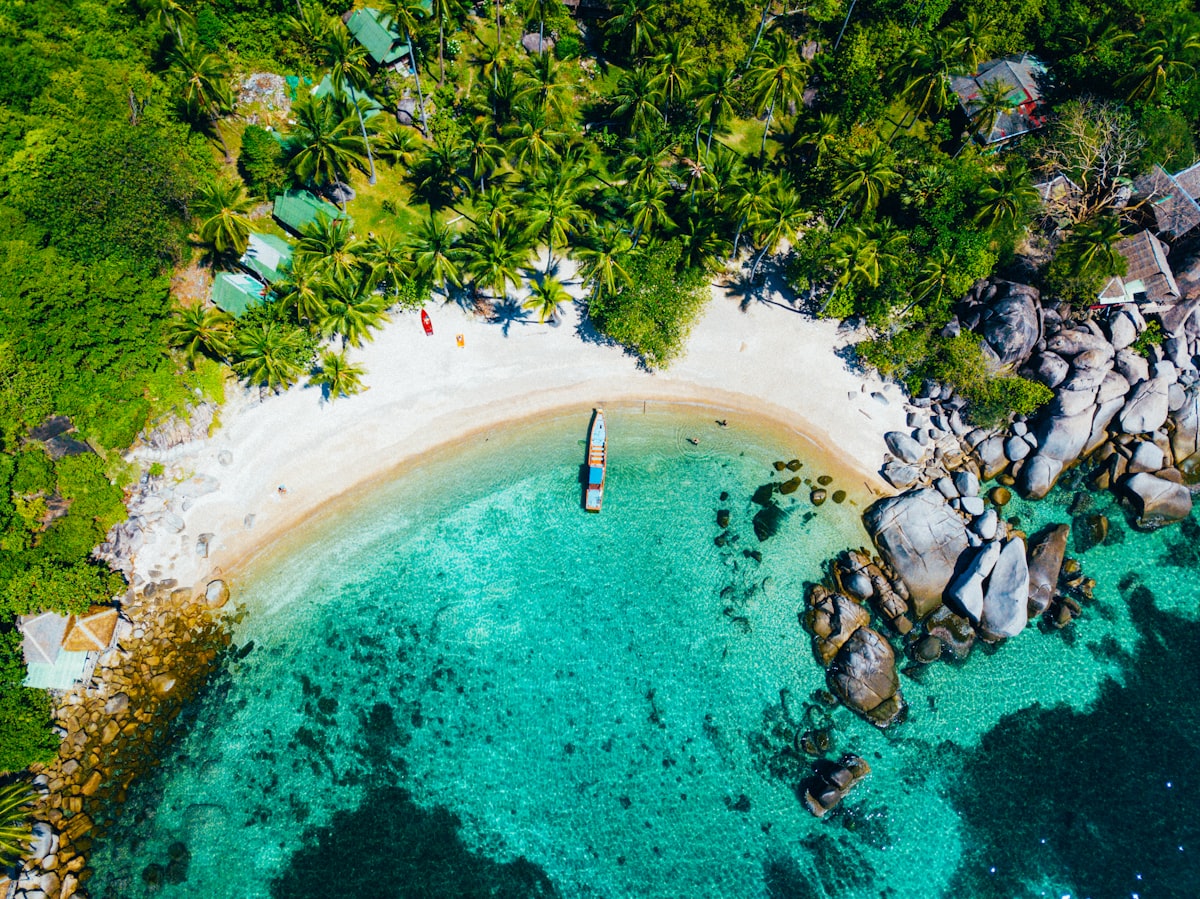
Indonesia landscape

Indonesia is the world's largest archipelago, stretching across more than 17,500 islands and spanning an incredible 5,000 kilometers from east to west.

  • Population: Over 280 million people – the fourth most populous nation on Earth
  • Geography: Bridges three time zones with astonishing diversity of landscapes
  • Landscapes: Volcanic peaks, pristine rainforests, coral reefs, and sprawling rice terraces
  • Major islands: Java (home to more than half the population), Sumatra, Kalimantan (Indonesian Borneo), Sulawesi, Papua, plus tourist destinations Bali, Lombok, and Flores

The nation's capital is in transition, moving from Jakarta to the purpose-built city of Nusantara in East Kalimantan. Indonesia's religious and cultural landscape is remarkably diverse:

  • Religion: World's largest Muslim-majority country, yet Hindu-majority Bali, Christian communities in Sulawesi/Papua/North Sumatra, and animist traditions in remote regions all coexist
  • Ethnic diversity: More than 300 ethnic groups speaking over 700 distinct languages
  • National language: Bahasa Indonesia unifies communication across the archipelago

For travelers, Indonesia offers extraordinary value:

  • Currency: Indonesian Rupiah (IDR), approximately 17,000 IDR = 1 EUR
  • Driving: Left side of the road (same as Australia)
  • Infrastructure: Varies dramatically – Bali and Java have well-developed tourism facilities, while remote islands offer authentic experiences with basic amenities
  • Flexibility: Tailor your adventure to match your budget, comfort level, and appetite for adventure

Travel Style

Budget-Friendly: Accommodation from €4-15/night, meals €1-3, local transport pennies. Splurge options available in Bali/Gilis.

Adventure-Ready: Volcano treks, jungle hikes, diving, surfing, island hopping. Endless outdoor activities.

Cultural Immersion: Ancient temples, traditional villages, ceremonies, crafts. Genuine interactions outside tourist zones.

Key Facts

Visa: Visa on Arrival (VOA) €30 USD for 30 days, extendable once. Free visa for short stays ending soon.

Language: Bahasa Indonesia (easy to learn basics). English in tourist areas, limited elsewhere.

Currency: 17,000 IDR ≈ €1. Cash essential outside cities. ATMs widely available.

Best For

Nature Lovers: Komodo dragons, orangutans, pristine reefs, active volcanoes, rice terraces, rainforests.

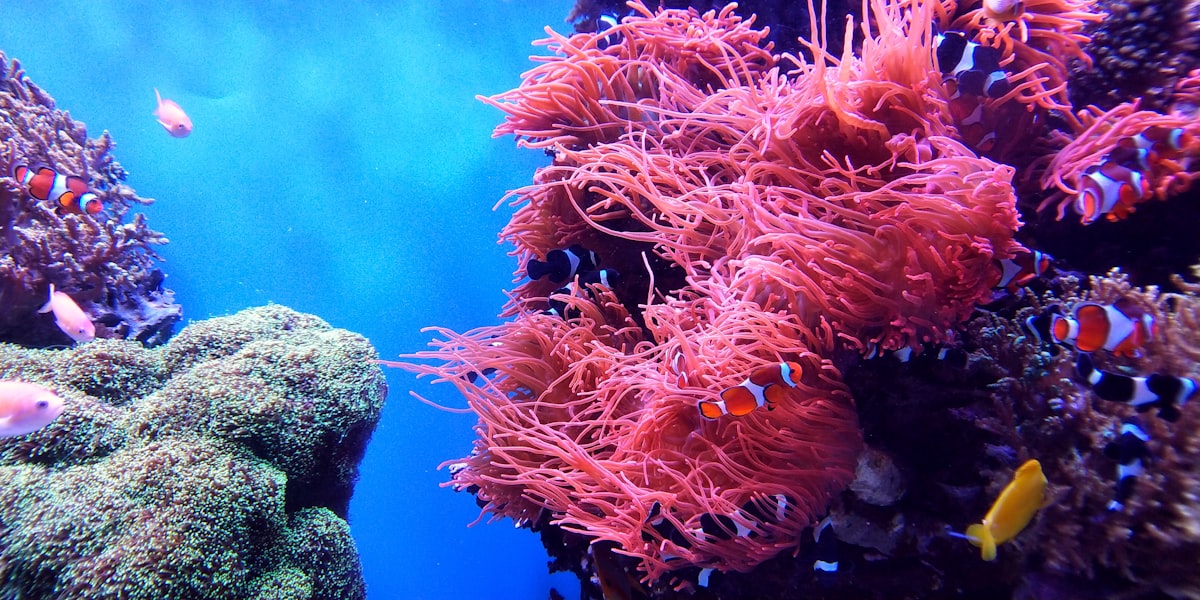
Divers: Raja Ampat, Komodo, Bunaken, Nusa Penida. World-class sites at budget prices.

Culture Seekers: Yogyakarta temples, Toraja funerals, Balinese ceremonies, traditional villages.

Best Time to Visit

Indonesia's tropical climate divides the year into two distinct seasons, and timing your visit correctly can make the difference between paradise and a soggy disappointment.

  • Dry season (May-September): Most reliable weather across most of the archipelago – clear skies, calm seas, lower humidity ideal for diving, trekking, and island hopping
  • Trade-offs: Accommodation prices rise 30-50%, popular sites crowded, need to book diving trips and guesthouses well in advance (especially July-August during European/Australian school holidays)

The shoulder months of April and October represent the sweet spot for savvy travelers:

  • Weather: Near-perfect with occasional brief showers
  • Crowds: Significantly fewer tourists
  • Prices: Haven't yet peaked or are beginning to drop
  • Best for: Bali, Lombok, and Flores

The wet season (November-March) brings heavy afternoon downpours and higher humidity, but offers advantages:

  • Cost savings: Accommodation costs plummet 40-60%
  • Solitude: Beaches and temples largely to yourself
  • Timing: Mornings often gloriously sunny, rain typically arrives predictably in afternoon
  • Scenery: Landscape turns lush and green, waterfalls flow at full force

Recent climate forecasts suggest a moderate El Niño pattern, which typically means a drier and slightly hotter dry season with less rainfall during the wet season. This could extend the optimal travel window and make the wet season more manageable than usual. However, Indonesia's vast geography means weather patterns vary significantly by region, and some destinations march to their own climatic rhythm.

Window Months Weather Crowds Prices Verdict
Peak Dry Jun-Aug Sunny, 28-32°C, low humidity, calm seas Very High Highest Best weather but crowded and expensive. Book ahead.
Shoulder Apr-May, Sep-Oct Mostly sunny, brief showers, 27-31°C Moderate Mid-range Ideal balance of weather, crowds, and value. Highly recommended.
Early Dry May Transitioning, occasional rain, warming up Low-Moderate Rising Good value, weather improving. Some dive sites still murky.
Wet Season Nov-Mar Heavy afternoon rain, 26-30°C, high humidity Very Low Lowest Budget paradise. Mornings often clear. Diving visibility reduced.
Peak Wet Dec-Jan Daily downpours, flooding possible, rough seas Minimal Rock bottom Challenging but adventurous. Some boat services suspended.

Regional Variation: Raja Ampat Exception

Important: Raja Ampat in West Papua has a reversed season pattern compared to the rest of Indonesia. The best time to visit is October through April, when the rest of the country is experiencing its wet season. From May to September, Raja Ampat faces rougher seas, stronger winds, and reduced visibility. Many liveaboards and resorts close during this period. Plan accordingly if Raja Ampat is on your itinerary.

Other regional quirks: North Sulawesi (Bunaken) is diveable year-round with minimal seasonal variation. Sumatra's west coast gets rain throughout the year. Eastern Indonesia (Flores, Komodo, Alor) has a more pronounced dry season and can be uncomfortably hot in September-October.

Indonesia Geography Map

Jakarta Yogyakarta Surabaya Medan Lake Toba Bali Lombok Labuan Bajo Makassar SUMATRA JAVA KALIMANTAN SULAWESI PAPUA Flores Major City Landmark

Indonesia's geography is defined by its position along the Pacific Ring of Fire, resulting in more than 130 active volcanoes and frequent seismic activity. The archipelago stretches along the equator between the Asian and Australian continental plates, creating a dramatic landscape of volcanic peaks, deep ocean trenches, and coral-rich shallow seas. The western islands of Sumatra, Java, and Bali are characterized by fertile volcanic soil that supports dense populations and intensive agriculture, particularly rice cultivation. These islands are mountainous, with peaks exceeding 3,000 meters, and are covered in tropical rainforest at higher elevations.

The central islands, including Kalimantan (Borneo), Sulawesi, and the Nusa Tenggara chain (Lombok, Sumbawa, Flores, Sumba), display remarkable diversity. Kalimantan features vast lowland rainforests and winding rivers, home to orangutans and proboscis monkeys. Sulawesi's unique K-shaped geography creates isolated ecosystems with high levels of endemism. The Nusa Tenggara islands become progressively drier as you move east, transitioning from lush rice terraces in Lombok to the savanna-like landscapes of Sumba and the arid hills of Flores and Komodo.

Eastern Indonesia, encompassing Maluku and Papua, represents the country's final frontier. Papua, sharing the island of New Guinea with the independent nation of Papua New Guinea, contains Indonesia's highest mountains, with peaks reaching over 4,800 meters and even supporting permanent glaciers near the equator. The region is covered in some of the world's most pristine rainforest and surrounded by the richest coral reefs on the planet, particularly in Raja Ampat. This vast geographical diversity means that Indonesia offers everything from alpine trekking to world-class diving, often within a short flight of each other.

Climate Overview

Indonesia's climate is dominated by its equatorial position, resulting in consistently warm temperatures throughout the year with minimal seasonal variation.

  • Temperature: Average 26-32°C across most of the archipelago year-round
  • Humidity: Remains high (70-90%), making heat feel more intense
  • Seasons: Dry season (musim kemarau, April-October) and wet season (musim hujan, November-March)

The seasonal pattern is driven by monsoon winds that reverse direction twice annually:

  • Dry season (southeast monsoon): Brings dry air from Australian continent – clear skies, lower humidity, calm seas ideal for diving and island hopping
  • Wet season (northwest monsoon): Picks up moisture over Indian Ocean and South China Sea, delivering heavy rainfall especially to western-facing coasts
  • Rain pattern: "Wet season" doesn't mean constant rain – typically sunny mornings with heavy downpours in afternoon/evening (1-3 hours) before clearing

Regional variations are significant due to Indonesia's vast size and complex topography:

  • Western Indonesia: Sumatra, western Java, western Kalimantan receive substantially more rainfall year-round with truly torrential wet season downpours
  • Eastern Indonesia: Nusa Tenggara (Lombok, Flores, Sumba) experiences pronounced dry season with very little rain May-October, can become quite arid
  • Highland areas: Dieng Plateau, Bromo, Baliem Valley experience cooler temperatures (15-25°C), surprisingly cold at night requiring warm clothing
  • Coastal/lowlands: Remain hot and humid year-round, with sea breezes providing some relief

Understanding Monsoon Patterns

The term "monsoon" refers to seasonal wind patterns rather than rain itself. Indonesia experiences two monsoon periods: the southwest monsoon (May-September) brings dry conditions to most of the archipelago, while the northwest monsoon (November-March) brings wet conditions. The transition months (April and October) can be unpredictable, with variable winds and mixed weather patterns.

Interestingly, the monsoon pattern reverses in eastern Indonesia and Papua. Raja Ampat, for instance, experiences its best weather from October to April, opposite to the rest of the country. This is because it's influenced more by Pacific weather systems than Indian Ocean patterns. Always research specific regional patterns for your destinations.

Regional Temperature & Rainfall Guide

Temperature and rainfall patterns vary considerably across Indonesia's vast archipelago, and understanding these regional differences is essential for planning your route. The table below provides detailed climate data for major travel regions, helping you optimize your itinerary based on weather conditions. Note that "dry season" and "wet season" are relative terms; even during the wet season, you'll typically enjoy sunny mornings, while the dry season isn't entirely rain-free. Coastal areas tend to be hotter and more humid, while highland regions offer cooler, more comfortable conditions year-round.

Region Dry Season Temp Wet Season Temp Rainfall (Dry) Rainfall (Wet) Best Months
Bali 27-32°C 26-30°C 30-60mm/month 250-350mm/month Apr-Oct Recommended
Java (Lowlands)
Jakarta, Surabaya, coastal areas
28-33°C 26-31°C 40-80mm/month 280-400mm/month May-Sep
Java (Highlands)
Yogyakarta, Dieng, Bromo, Ijen
18-26°C 16-24°C 30-70mm/month 300-450mm/month Apr-Oct Best
Flores & Komodo
Labuan Bajo, Komodo NP
28-34°C
Hot & dry
26-31°C 10-40mm/month 200-320mm/month Apr-Nov Hot
Raja Ampat
West Papua
27-31°C
Wet & rough
26-30°C
Calm & clear
180-280mm/month
May-Sep
120-200mm/month
Oct-Apr
Oct-Apr Reversed!
Sumatra
Medan, Lake Toba, Bukit Lawang
26-32°C 25-30°C 100-180mm/month
Rain year-round
280-450mm/month Jun-Sep Drier
Kalimantan
Borneo - orangutan areas
27-33°C
Very humid
26-31°C 120-200mm/month 300-500mm/month Jun-Sep
Sulawesi
Bunaken, Toraja, Makassar
27-32°C 26-30°C 50-100mm/month 250-400mm/month May-Oct Recommended

Dry Season Advantages

  • Excellent diving visibility (20-40m in most locations)
  • Calm seas make island hopping reliable and comfortable
  • Hiking trails dry and accessible, volcano treks safer
  • Lower humidity makes heat more bearable
  • Outdoor activities rarely disrupted by weather
  • Stunning sunsets with clear skies

Wet Season Considerations

  • Reduced diving visibility (10-20m), plankton blooms common
  • Rough seas can cancel boat trips, especially to remote islands
  • Hiking trails muddy and slippery, leeches more active
  • High humidity can feel oppressive, mold on gear
  • Afternoon plans often disrupted by heavy rain
  • Some remote areas inaccessible due to flooding

Pro Tip: Micro-Climate Strategies

Smart travelers exploit Indonesia's regional climate variations to enjoy good weather year-round. During the wet season (Nov-Mar), focus on eastern destinations like Flores, Komodo, and Sumba, which receive less rain. Alternatively, head to Raja Ampat, which is at its best during this period. During the dry season (May-Sep), explore Sumatra, Java, and Bali, which are at their most accessible and beautiful.

Another strategy: start your trip in one region during its optimal season, then move to another region as seasons shift. For example: Bali/Java in May-August, then fly to Raja Ampat for October-December. This approach maximizes good weather throughout an extended trip.

Travel Seasons & Planning

Indonesia follows a clear seasonal pattern that will significantly influence your travel planning. The peak season in July and August coincides with Australian school holidays and brings not only the highest prices but also the largest crowds – especially on Bali, where beaches and popular spots can become truly overrun. During these months you must expect price premiums of 30-50% for accommodation and share attractions like Borobudur Temple or the Gili Islands with hundreds of other tourists.

The shoulder season from April to June and September to October offers the best value for your trip. The weather during these months is excellent – dry, sunny, and with pleasant temperatures around 28-32 degrees Celsius. The beaches are less crowded, accommodation significantly cheaper, and you have better chances for spontaneous bookings without months of advance planning. These months are perfect for diving, volcano treks, and relaxed beach days without the feeling of constantly swimming in the tourist stream. Many locals consider April-May the most beautiful travel time of all.

The low season from November to March is the rainy season, which does not mean it rains continuously. Typically there are heavy but brief showers in the afternoon or evening, followed by sunshine. Prices drop by 20-50%, and some luxury resorts offer incredible deals. However, you must expect rougher seas, which can affect boat connections to smaller islands, and some remote areas can become difficult to access due to flooding. For surfers this is paradoxically a peak season, as the waves are particularly good. If you are flexible and don't mind occasional rain showers, you can find real bargains during this time.

Season Months Accommodation Costs Flight Costs Visitor Crowds Weather
Peak Season July – August Very High (+30-50%) Very High Very Crowded Excellent
Shoulder Season April – June, Sept – Oct Medium Moderate Pleasant Very Good
Low Season November – March Low (-20-50%) Cheap Quiet Variable

Ramadan & Eid: Special Travel Times to Consider

During the Islamic fasting month of Ramadan (dates shift yearly) and especially during Eid al-Fitr (Lebaran) at month's end, Indonesia experiences the world's largest internal migration – over 30 million people travel to their families (mudik). Transportation is hopelessly overbooked, roads congested, and accommodation in home regions fully booked. In more conservative areas like Aceh, West Sumatra, or Central Java, many restaurants are closed during the day, and you should not eat or drink in public. Bali as a Hindu island is largely unaffected and continues to function normally. Either plan around this time or stay in one fixed location during Eid.

Packing List for Indonesia

Indonesia's packing list requires thoughtful balance of comfort, respect for local traditions, and practical needs:

  • Clothing fabric: Lightweight, breathable natural fibers (cotton/linen) essential – synthetics uncomfortable at 30+°C and high humidity
  • Quantity: Plan for multiple sets as clothing needs frequent changing due to sweat and rain
  • Quick-drying: Travel clothing ideal for washing in simple accommodations without dryers
  • Cultural respect: Indonesia is predominantly Muslim – appropriate dress earns significantly more respect, especially outside Bali

For temple visits and practical gear:

  • Temple dress code: Knees and shoulders must be covered, sarong mandatory at many sacred sites
  • Sarong tip: Buy traditional sarong at local market early in trip (50,000-100,000 IDR) – serves as temple clothing, beach towel, picnic blanket, or light blanket in over-air-conditioned buses
  • Sunscreen: Reef-friendly crucial for protecting sensitive coral reefs while snorkeling
  • Mosquito repellent: DEET (at least 30%) essential, especially at dusk and in rural areas where dengue fever and malaria can occur

Practical equipment makes the difference between frustration and comfort:

  • Waterproof bag: Dry bag (10-20 liters) protects valuables during boat trips to Gili Islands or rafting tours
  • Footwear: Good sandals with heel straps (Teva, Keen) more important than sneakers – you'll wear them 80% of the time
  • Hiking boots: Lightweight boots with ankle support necessary for volcano hikes (Bromo, Ijen)
  • Rain protection: Light rain jacket more compact and practical than umbrella
  • Power adapter: Good news – Indonesia uses Type C/F plugs (same as Germany), so your devices work directly!
Item Reason Priority
Sarong Temple visits, beach towel, versatile use Essential
Reef-Friendly Sunscreen Protection without coral damage Essential
Mosquito Repellent (DEET 30%+) Dengue and malaria prevention Essential
Waterproof Bag (Dry Bag) Boat trips, water activities Essential
Good Sandals with Heel Straps Main footwear for 80% of the time Essential
Lightweight Hiking Boots Volcano hikes (Bromo, Ijen, Rinjani) Recommended
Rain Jacket More compact than umbrella, more versatile Recommended
Snorkeling Equipment Available for rent everywhere, but own is more hygienic Optional
Power Adapter Type C/F – same as Germany! Not Needed

Clothing Tips

  • 5-7 lightweight t-shirts/tops
  • 2-3 long, airy pants
  • 1-2 long shirts/blouses (temples)
  • Swimwear (2 sets)
  • Light fleece jacket (air-conditioned buses)
  • Hat with neck protection

Health Kit

  • Diarrhea medication (Imodium)
  • Electrolyte powder (Hydralyte)
  • Band-aids & blister plasters
  • Antihistamines
  • Pain relievers (Paracetamol)
  • Personal medications (stock up!)

Tech Essentials

  • Power bank (20,000+ mAh)
  • Waterproof phone case
  • Headphones (long bus rides)
  • Offline maps (Maps.me, Google Maps)
  • E-reader (books are heavy)
  • Multi-plug adapter (few outlets)

Java & Sumatra: The Western Major Islands

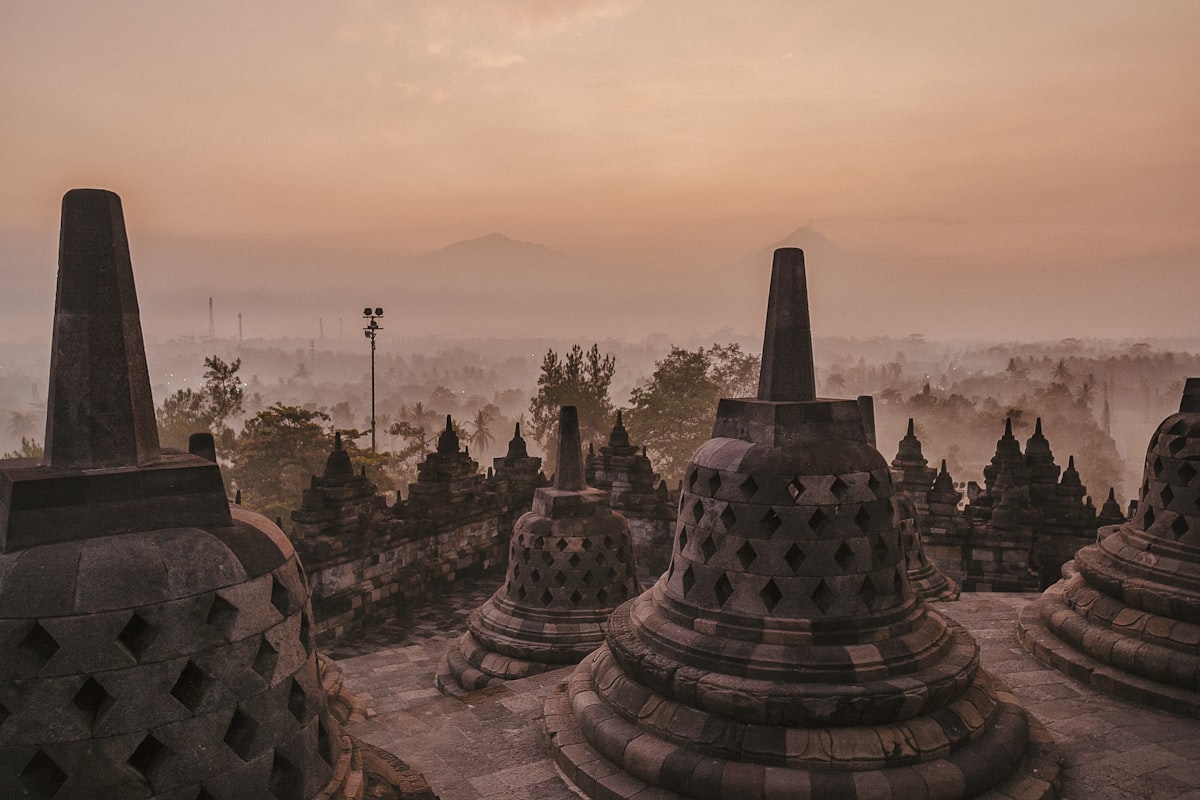
Borobudur Temple at sunrise

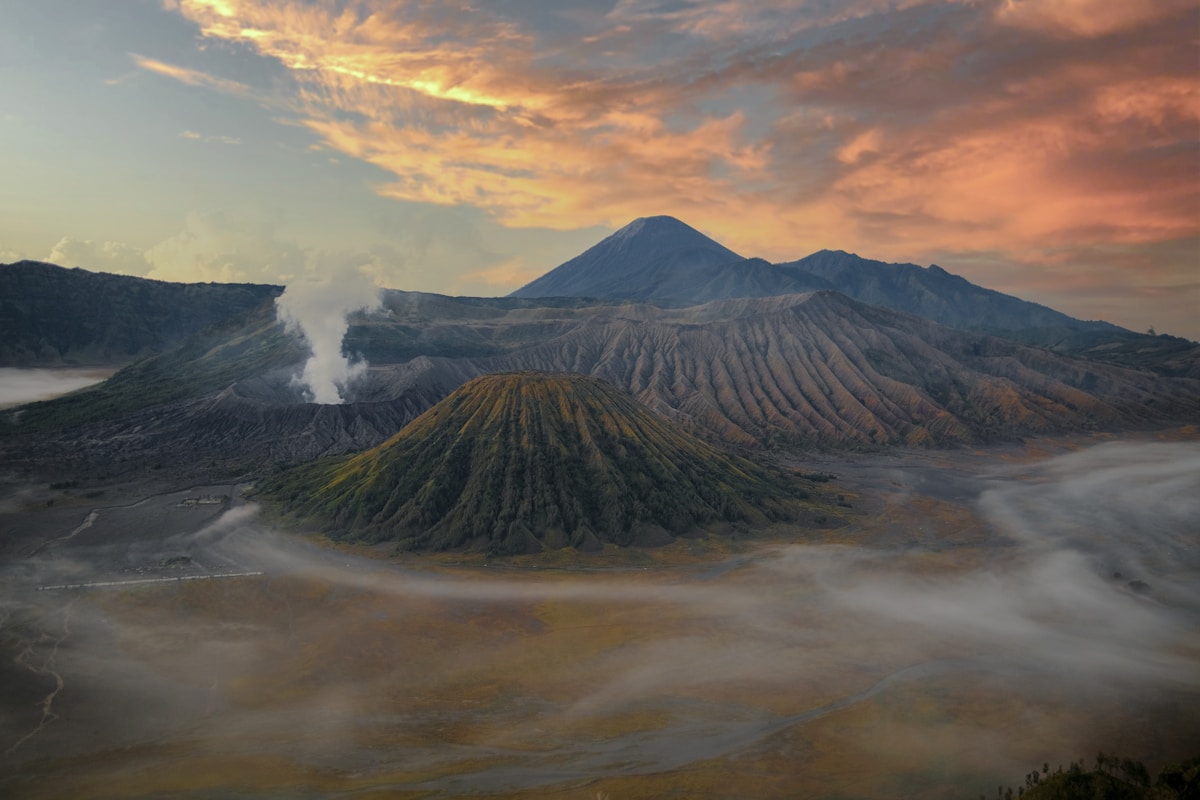
Java is Indonesia's cultural and political heart – an island where 145 million people live and which offers a fascinating blend of millennia-old history and modern chaos. Yogyakarta (often called "Jogja") is the undisputed highlight: a vibrant university city that serves as the center of Javanese art and culture. Here you'll find the majestic Borobudur, the world's largest Buddhist temple, best visited at sunrise when mist envelops the surrounding volcanoes. The Hindu Prambanan temple complex is equally impressive, and the city itself pulses with batik workshops, traditional wayang puppet theaters, and a fantastic street food scene. East Java offers dramatic natural experiences: Mount Bromo with its legendary sunrise over a moon-like volcanic landscape, and Kawah Ijen, where sulfur workers illuminate blue flames from the crater at night. Jakarta, the chaotic capital, is a necessary transit point for most travelers but offers excellent museums, the historic Kota Tua district, and some of the country's best restaurants.

Sumatra is the wild, untamed counterpart to Java – a massive island with rough infrastructure, breathtaking nature, and significantly fewer tourists. Lake Toba, the world's largest volcanic lake, is a place of surreal beauty: a lake as large as Singapore with the inhabited island of Samosir in the middle, where Batak culture with its characteristic boat houses and shamanistic traditions is alive. Bukit Lawang in the north is the gateway to Gunung Leuser National Park, one of the last places where wild orangutans can be observed in their natural habitat – multi-day jungle treks here rank among Southeast Asia's most intense nature experiences. Bukittinggi in West Sumatra is the center of the matrilineal Minangkabau culture, surrounded by dramatic volcanoes and the spectacular Ngarai Sianok Canyon. Infrastructure on Sumatra is significantly more challenging than on Java – roads are worse, buses slower, and comfort is relative – but that's exactly what makes it appealing for those who want to travel off the beaten path.

The connection between Java and Sumatra is best made by flight (Jakarta-Medan approximately 2 hours, from €30) or by ferry from Merak (West Java) to Bakauheni (South Sumatra), which is an adventurous but time-consuming option. Java itself has an excellent rail network – the Executive class is comfortable, punctual, and surprisingly affordable (Jakarta-Yogyakarta approximately 8 hours, 200,000-300,000 IDR). Book train tickets via the KAI Access App or at www.tiket.com at least a few days in advance. On Sumatra you mainly rely on buses and private drivers – plan more time than the Google Maps estimate, as road conditions and traffic are unpredictable. Both islands offer a more authentic, less touristy Indonesia experience than Bali, but require more patience, flexibility, and sense of adventure.

Java Highlights

  • Yogyakarta: Borobudur, Prambanan, Batik, Kraton Palace
  • Mount Bromo: Sunrise, volcanic landscape, jeep tours
  • Kawah Ijen: Blue flames, sulfur mining, crater lake
  • Jakarta: National Museum, Kota Tua, culinary scene
  • Transport: Excellent rail network, good roads
  • Duration: 10-14 days for main highlights

Sumatra Highlights

  • Lake Toba: Volcanic lake, Samosir Island, Batak culture
  • Bukit Lawang: Orangutan trekking, jungle adventure
  • Bukittinggi: Minangkabau culture, Ngarai Sianok Canyon
  • Berastagi: Sibayak & Sinabung volcanoes, fruit markets
  • Transport: Rough roads, long bus rides
  • Duration: 14-21 days for relaxed pace

Between the Islands

  • Flight: Jakarta-Medan 2h, from €30 (best option)
  • Ferry: Merak-Bakauheni, 2h, adventurous but slow
  • Java Trains: KAI Access App, Executive class recommended
  • Sumatra Buses: Plan more time, night buses available
  • Tip: Java first (easier), then Sumatra (adventure)
  • Combination: 3-4 weeks for both islands ideal

Java Rail Network: Comfortable & Reliable

Indonesia's railway system on Java is a pleasant surprise – modern, punctual, and significantly more comfortable than buses. The Executive class offers air conditioning, comfortable seats, power outlets, and often even snacks. Book via the KAI Access App (requires Indonesian phone number) or via tiket.com / traveloka.com. Main routes: Jakarta-Yogyakarta (8h), Yogyakarta-Surabaya (6h), Jakarta-Bandung (3h). Prices are extremely affordable by Australian standards – an 8-hour journey often costs less than 15 euros. Book early, especially before holidays!

Eastern Islands & Bali

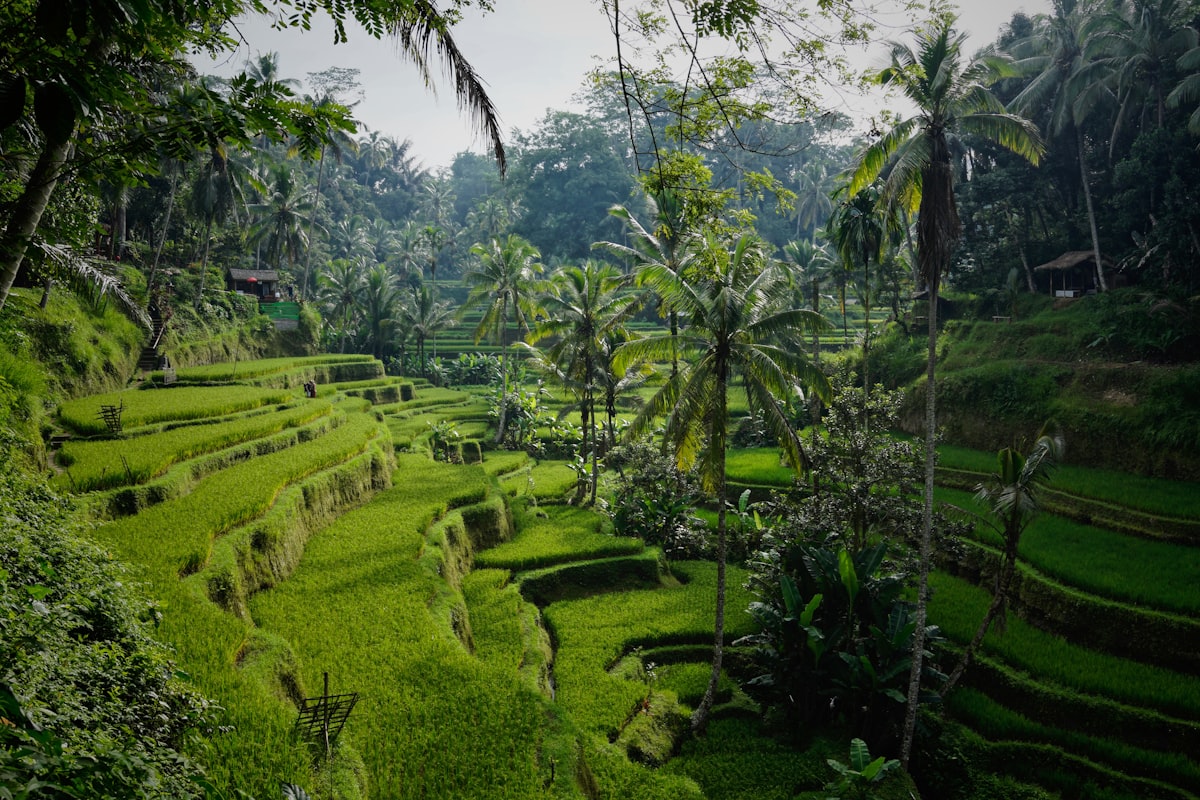
Bali rice terraces

The eastern archipelago of Indonesia represents the country's most iconic and diverse destinations, stretching from the tourist haven of Bali through the rugged landscapes of Nusa Tenggara to the remote wilderness of Sulawesi and beyond. This vast region encompasses everything from world-class surf breaks and pristine diving sites to ancient cultural traditions and some of Southeast Asia's most dramatic natural scenery. Whether you're seeking spiritual renewal in Ubud's rice terraces, adventure on the volcanic peaks of Lombok and Flores, or underwater encounters in Raja Ampat's legendary reefs, the eastern islands offer an extraordinary range of experiences that can easily fill months of exploration.

Bali: The Island of Gods

Bali remains Indonesia's most visited destination for good reason, offering a sophisticated tourism infrastructure alongside genuine cultural depth. Ubud serves as the island's cultural heart, where emerald rice terraces cascade down hillsides, the Sacred Monkey Forest harbors ancient temples within jungle canopy, and countless galleries and workshops showcase traditional and contemporary Balinese art. The town has evolved into a global wellness destination, with yoga studios, organic cafés, and healing centers complementing the traditional dance performances and temple ceremonies that continue daily. South of Ubud, the clifftop temple of Uluwatu perches dramatically above world-class surf breaks, where the famous Kecak fire dance unfolds at sunset against the backdrop of the Indian Ocean. Canggu has emerged as Southeast Asia's digital nomad capital, its laid-back surf culture blending with co-working spaces, specialty coffee roasters, and beach clubs that transition seamlessly from daytime lounging to sunset sessions. Seminyak offers Bali's most sophisticated nightlife and dining scene, while the day-trip destination of Nusa Penida delivers dramatic coastal cliffs, the iconic Kelingking Beach viewpoint, and opportunities to snorkel with manta rays at Manta Point.

Lombok & the Gili Islands

Just east of Bali, Lombok offers a quieter alternative with equally stunning natural beauty and the challenge of summiting Mount Rinjani, Indonesia's second-highest volcano. The two-to-three-day trek to Rinjani's crater rim rewards hikers with views of the turquoise crater lake and the opportunity to soak in natural hot springs before sunrise summit attempts. Off Lombok's northwest coast, the three Gili Islands each offer distinct personalities despite their proximity: Gili Trawangan pulses with backpacker energy, beach parties, and dive schools; Gili Air strikes a middle ground with a more relaxed vibe while maintaining good restaurant and accommodation options; and Gili Meno remains the quietest, ideal for couples seeking tranquility and excellent snorkeling right off the beach. Meanwhile, Lombok's southern coast around Kuta (not to be confused with Bali's Kuta) has developed into a surfer's paradise, with a string of beautiful bays offering waves for all levels and a fraction of Bali's crowds.

Flores: Dragons, Lakes & Villages

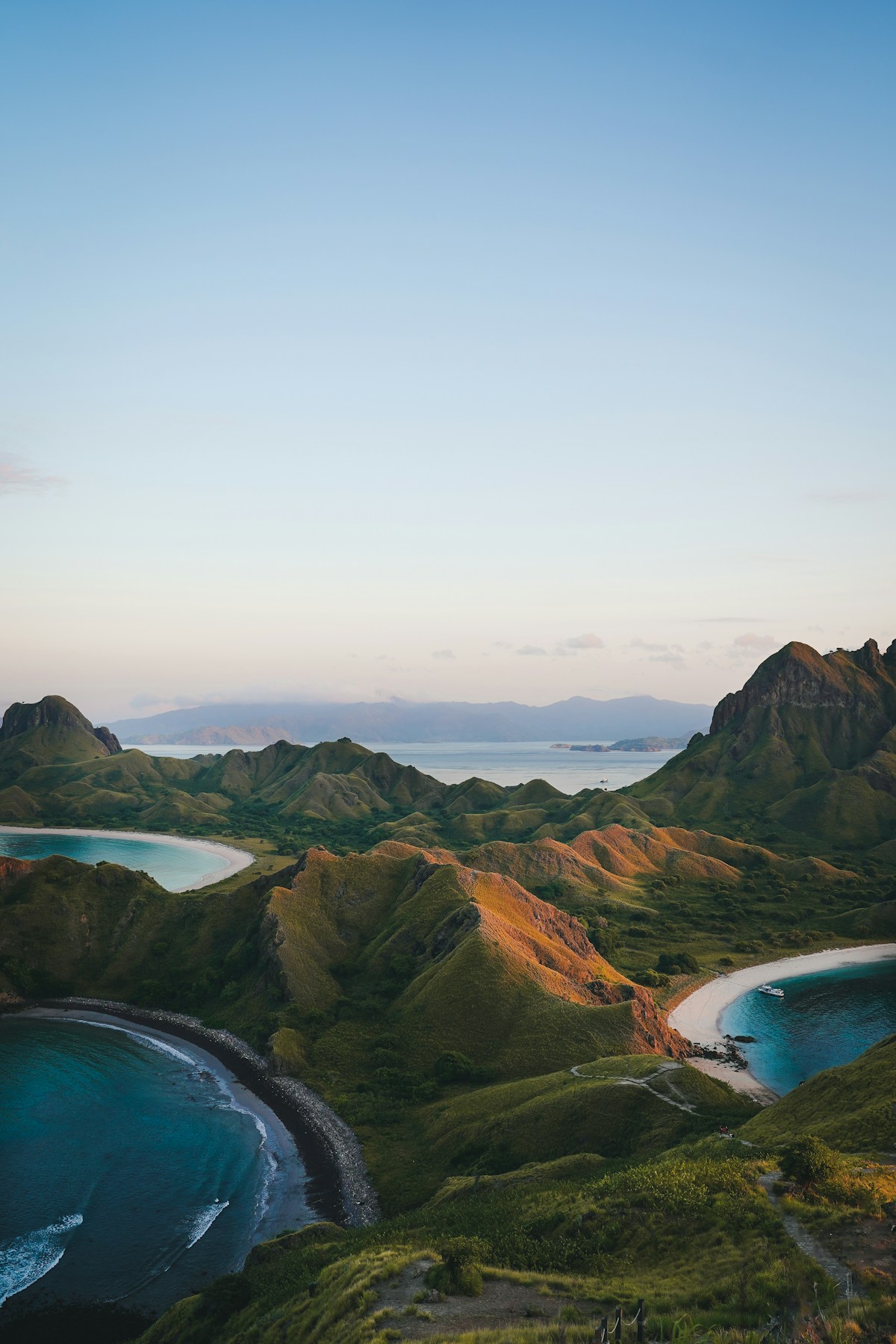
Flores represents adventure travel at its finest, a long, narrow island stretching across hundreds of kilometers of rugged terrain with limited infrastructure but extraordinary rewards for those willing to make the journey. Labuan Bajo on the western tip serves as the gateway to Komodo National Park, where liveaboard boats and day trips offer encounters with the prehistoric Komodo dragons alongside some of Indonesia's best diving and snorkeling in crystal-clear waters teeming with marine life. At the island's eastern end, Mount Kelimutu's three crater lakes change colors mysteriously throughout the year, shifting between turquoise, green, black, and red in a natural phenomenon that draws photographers for sunrise viewings. The traditional village of Wae Rebo, accessible only by a challenging three-hour hike through mountain forests, preserves the distinctive cone-shaped mbaru niang houses and offers homestay experiences that provide genuine insight into Manggarai culture. Near Ruteng, the spider-web rice fields create intricate geometric patterns across the landscape, a unique agricultural system found nowhere else in Indonesia.

Sulawesi & Eastern Frontiers

Sulawesi's distinctive K-shape harbors some of Indonesia's most unique cultural and natural attractions, though its size and limited infrastructure mean most visitors focus on specific regions rather than attempting to cover the entire island. Tana Toraja in the southern highlands maintains one of Indonesia's most fascinating indigenous cultures, where elaborate funeral ceremonies can last for days and involve the sacrifice of dozens of buffalo, cliff faces are carved with burial chambers, and life-sized tau tau effigies guard the graves of ancestors. The distinctive boat-shaped tongkonan houses with their soaring rooflines dominate village landscapes, and visitors are often welcomed to observe ceremonies and stay in local homestays. Off North Sulawesi, Bunaken National Marine Park offers world-class wall diving with dramatic drop-offs and abundant marine life, while the remote Togean Islands in the gulf provide a castaway experience with simple beach bungalows, excellent snorkeling, and minimal development. For those with the budget and time, Raja Ampat in West Papua represents the pinnacle of Indonesian diving and natural beauty, an archipelago of over 1,500 islands where marine biodiversity reaches its global peak and limestone karst islands rise dramatically from turquoise waters. While expensive and remote, requiring flights to Sorong followed by boat transfers, Raja Ampat delivers an experience that justifies its reputation as one of the planet's last true paradises.

Bali Regions

Ubud: Cultural heart, rice terraces, art & wellness
Uluwatu: Clifftop temple, surf breaks, sunset views
Canggu: Digital nomad hub, beach clubs, co-working
Seminyak: Upscale dining, nightlife, shopping
Nusa Penida: Day trip for dramatic cliffs & manta rays

Nusa Tenggara Gems

Lombok: Mt Rinjani trek, quieter Bali alternative
Gili Islands: Three personalities from party to peaceful
Flores: Komodo dragons, tri-colored lakes, traditional villages
Sumba: Megalithic tombs, traditional villages, surf beaches
Alor: Remote diving, traditional culture, off-grid adventure

Eastern Frontiers

Tana Toraja: Unique funeral culture, cliff graves, tongkonan houses
Bunaken: World-class wall diving, marine biodiversity
Togean Islands: Castaway beaches, simple living, snorkeling
Raja Ampat: Planet's best diving, remote luxury, pristine nature
Banda Islands: Spice trade history, colonial forts, diving

Top Sightseeing Attractions

Indonesian temple and nature

Indonesia's extraordinary geographic and cultural diversity translates into a staggering array of sightseeing opportunities, from ancient Buddhist and Hindu temple complexes that rival Angkor Wat to active volcanoes offering sunrise treks, from pristine marine parks teeming with life to remote villages where centuries-old traditions continue unchanged. The archipelago's 17,000+ islands span three time zones and encompass virtually every type of tropical landscape imaginable, meaning that any itinerary requires difficult choices and strategic planning. The attractions listed below represent the cream of Indonesia's offerings, the experiences that travelers consistently rank as highlights and that justify the sometimes challenging logistics required to reach them.

What makes Indonesian sightseeing particularly rewarding is the combination of natural and cultural attractions, often found in close proximity. You might spend the morning exploring a 9th-century temple complex, the afternoon trekking through rice terraces to a traditional village, and the evening watching a traditional dance performance, all within a single region. The country's volcanic geology creates dramatic landscapes – crater lakes, sulfur mines, hot springs, and fertile slopes – while its position in the Coral Triangle ensures that underwater sightseeing rivals anything on land. From the organized tourism infrastructure of Bali and Yogyakarta to the adventure-travel challenges of Papua and Maluku, Indonesia offers sightseeing experiences for every comfort level and budget.

The following table summarizes Indonesia's top fifteen attractions, providing practical information about location, type, time requirements, and budget impact. Note that "time needed" refers to the minimum recommended time at the destination itself, not including travel time to reach it, which can be substantial for remote locations. Budget impact considers entry fees, guide requirements, equipment rental, and typical associated costs, with remote destinations like Raja Ampat commanding premium prices while many temples and natural sites remain remarkably affordable. The diversity represented here – from world heritage temples to dragon-inhabited islands, from tribal funeral ceremonies to technicolor crater lakes – illustrates why Indonesia rewards extended visits and often inspires return trips to explore regions missed on the first journey.

Attraction Island/Region Type Time Needed Budget Impact
Borobudur Temple Java (Yogyakarta) UNESCO temple complex, sunrise visits Half day Medium (entry €20)
Prambanan Temple Java (Yogyakarta) Hindu temple complex, evening dance Half day Low-Medium (€15)
Mount Bromo Java (East Java) Active volcano, sunrise viewpoint 2 days Medium (tour €30-50)
Kawah Ijen Java (East Java) Sulfur mine, blue flames, crater lake 1-2 days Medium (tour €25-40)
Ubud Rice Terraces Bali Tegallalang & Jatiluwih terraces, walks 1-3 days Low (small donations)
Uluwatu Temple Bali Clifftop temple, Kecak dance, sunset Half day Low (€5 entry)
Nusa Penida Bali (day trip) Kelingking Beach, manta rays, cliffs 1-2 days Medium (tour €40-60)
Gili Islands Lombok Beach paradise, snorkeling, diving 2-5 days Medium (accommodation)
Mount Rinjani Lombok Volcano trek, crater lake, hot springs 2-3 days Medium-High (€150-250)
Komodo National Park Flores Komodo dragons, diving, liveaboards 2-4 days High (tours €100+/day)
Kelimutu Lakes Flores Tri-colored crater lakes, sunrise 1-2 days Low-Medium (€15)
Raja Ampat West Papua World's best diving, pristine islands 5-10 days Very High (€200+/day)
Lake Toba Sumatra Volcanic lake, Samosir Island, Batak culture 2-4 days Low-Medium
Tana Toraja Sulawesi Funeral ceremonies, cliff graves, villages 3-5 days Medium (guide €30-50/day)
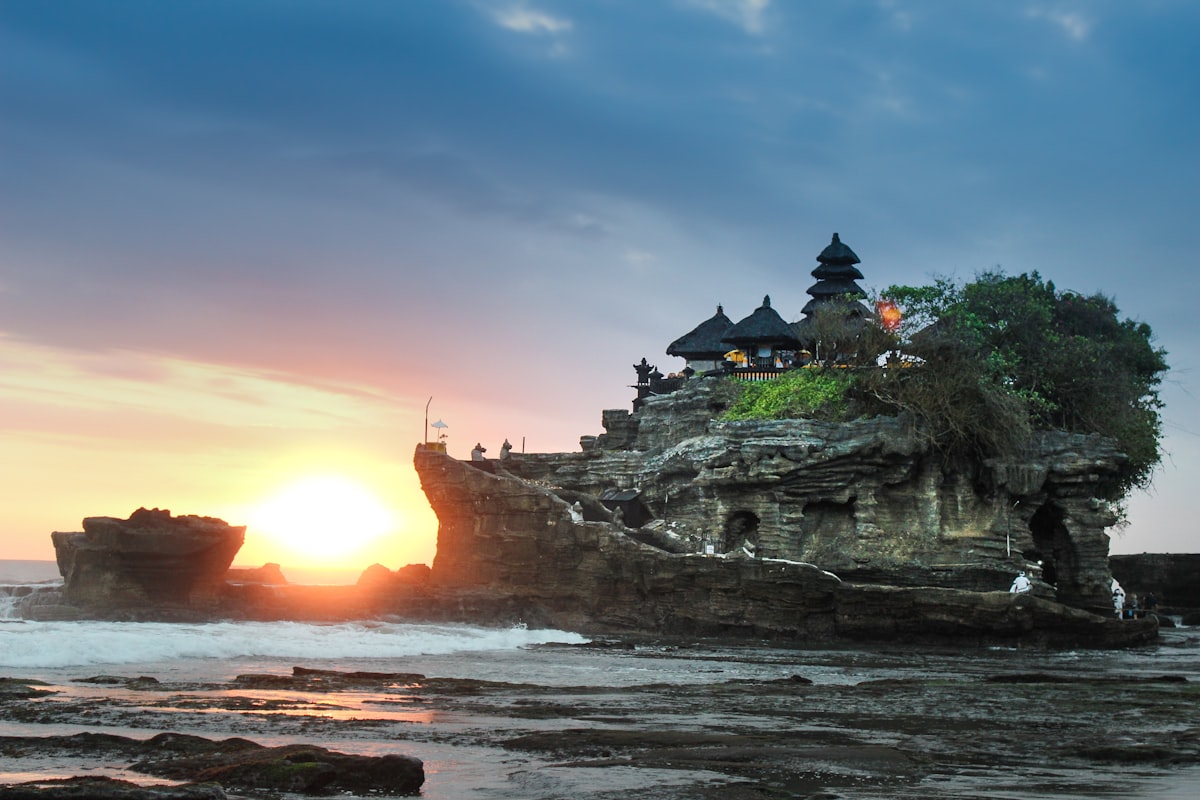
Tanah Lot Bali Sea temple, sunset icon, photography Half day Low (€5 entry)

Unmissable Top 5 Picks

1. Borobudur at Sunrise: The world's largest Buddhist temple emerging from morning mist is Indonesia's most iconic sight, justifying the 4am wake-up call.

2. Komodo National Park: Encountering prehistoric dragons in their natural habitat, combined with world-class diving, creates an experience found nowhere else on Earth.

3. Mount Bromo Sunrise: The otherworldly volcanic landscape with smoking craters and the "sea of sand" offers Java's most dramatic scenery and photography opportunities.

4. Raja Ampat: For divers and nature lovers, this remote archipelago represents the pinnacle of marine biodiversity and pristine tropical beauty, worth the expense and effort.

5. Tana Toraja: The unique funeral culture and traditional villages provide Indonesia's most profound cultural experience, a window into beliefs and practices unchanged for centuries.

Culture & Traditions

Balinese ceremony

Indonesia's cultural landscape ranks among the world's most diverse and complex, a tapestry woven from over 300 ethnic groups speaking more than 700 languages across an archipelago that stretches further than the distance from London to Baghdad. This extraordinary diversity stems from the country's geography – thousands of islands that historically developed in relative isolation – combined with centuries of influence from Indian, Chinese, Arab, and European traders and colonizers. The result is a nation where the world's largest Muslim population coexists with Hindu Bali, Christian-majority regions in eastern Indonesia, and indigenous animist traditions that predate all major world religions. Understanding this cultural complexity enriches every aspect of travel in Indonesia, from the daily rhythms of village life to the grand ceremonies that mark life's major transitions, from the artistic traditions that flourish in royal courts to the architectural styles that vary dramatically from island to island.

What makes Indonesian culture particularly fascinating for visitors is its living, breathing quality – these are not museum pieces or tourist performances (though those exist too), but genuine traditions that continue to structure daily life and community identity. In Bali, you'll witness elaborate temple ceremonies almost daily, with processions of women carrying towering offerings on their heads and gamelan orchestras providing the soundtrack. In Java, the ancient courts of Yogyakarta and Solo maintain centuries-old protocols, with batik artisans and puppet masters preserving UNESCO-recognized traditions. In Tana Toraja, funeral ceremonies remain the most important social events, with families saving for years or even decades to provide proper send-offs for deceased relatives. This cultural vitality means that visitors willing to show respect, learn basic customs, and venture beyond the main tourist circuits can experience authentic cultural encounters that have become rare in much of Southeast Asia.

Balinese Hinduism: The Island of Ceremonies

Bali's unique form of Hinduism, which blends Indian Hindu elements with Buddhism and indigenous animist beliefs, structures every aspect of island life and creates the distinctive atmosphere that has captivated visitors for over a century. The most visible daily practice is the creation and placement of canang sari, small palm-leaf offerings filled with flowers, incense, and food, which appear on doorsteps, sidewalks, temple altars, and even car dashboards throughout the day. These offerings, made fresh each morning by Balinese women, represent gratitude to the gods and appeasement of negative forces, a constant negotiation between the spiritual and material worlds. Temple ceremonies occur almost daily somewhere on the island, following the 210-day Pawukon calendar, with major odalan (temple anniversary) celebrations featuring elaborate processions, gamelan music, traditional dance performances, and communal feasting. The most dramatic annual event is Nyepi, the Balinese New Year, when the entire island shuts down for 24 hours of silence, darkness, and fasting – no lights, no work, no travel, not even speaking – to trick evil spirits into thinking Bali is uninhabited. Cremation ceremonies (ngaben) represent the pinnacle of Balinese ritual, with elaborate multi-tiered towers carrying the deceased to the cremation ground, accompanied by gamelan music and sometimes hundreds of participants, the flames releasing the soul for reincarnation. This constant interweaving of the sacred and everyday creates an atmosphere where spirituality is not separate from daily life but rather its foundation, visible in the penjor (bamboo poles) that line streets during festivals, the temple dress worn for ceremonies, and the artistic traditions – dance, music, painting, wood carving – that serve primarily religious rather than commercial purposes.

Javanese Culture: Courts, Crafts & Shadows

Java's cultural heartland lies in the royal cities of Yogyakarta and Surakarta (Solo), where the sultanates maintain centuries-old traditions despite Indonesia's republican government. The island's greatest cultural achievements include the massive Buddhist temple of Borobudur and Hindu Prambanan, both UNESCO World Heritage sites that demonstrate the sophisticated civilizations that flourished here over a millennium ago. Javanese batik, the intricate wax-resist dyeing technique that produces complex patterns on cloth, achieved UNESCO recognition as a Masterpiece of Oral and Intangible Heritage, with different regions maintaining distinctive styles and motifs – the earthy browns and indigos of Solo, the brighter colors of the north coast, the formal patterns reserved for court occasions. Wayang kulit, the shadow puppet theater, represents one of the world's oldest continuous dramatic traditions, with dalang (puppet masters) manipulating dozens of intricately carved leather puppets while providing all voices, narrating stories from the Ramayana and Mahabharata epics through all-night performances accompanied by gamelan orchestras. The gamelan itself – the bronze percussion ensemble that provides the soundtrack for ceremonies, dances, and puppet shows – follows complex musical systems that sound alien to Western ears but create hypnotic, shimmering textures that perfectly complement the slow, controlled movements of Javanese classical dance. The keraton (palace) traditions continue in Yogyakarta's Sultan's Palace, where court retainers maintain daily rituals, gamelan rehearsals occur in open pavilions, and the sultan himself remains a revered figure who serves as the region's governor, a unique arrangement that preserves royal authority within Indonesia's democratic framework.

Islamic Traditions & Regional Variations

Indonesia's identity as the world's largest Muslim-majority nation manifests in diverse ways across the archipelago, from the strict Sharia law of Aceh to the syncretic Islam of Java that incorporates Hindu-Buddhist and animist elements. Mosque architecture varies dramatically by region, with Javanese mosques often featuring multi-tiered roofs reminiscent of Hindu temples, Sumatran mosques showing Middle Eastern influence, and modern urban mosques adopting contemporary designs with massive domes and minarets. The call to prayer (adhan) structures daily rhythms in most Indonesian cities and villages, with the five daily prayers marking time more reliably than clocks. Ramadan, the month of fasting, transforms the country's atmosphere, with restaurants closed during daylight hours, special evening markets (pasar Ramadan) offering breaking-fast foods, and a general slowing of pace during the day followed by festive evenings. The Eid al-Fitr celebration marking Ramadan's end triggers the world's largest annual human migration, as tens of millions of Indonesians return to home villages for family reunions, making this a challenging time for travel but a fascinating window into Indonesian family culture. Local Islamic customs often blend with regional traditions, creating unique practices like the Kasada ceremony at Mount Bromo, where Tenggerese Muslims throw offerings into the volcanic crater, or the Islamic boarding schools (pesantren) of Java that teach traditional Quranic recitation alongside modern subjects, maintaining educational traditions that date back centuries.

Tana Toraja: Death as Celebration

The Toraja people of South Sulawesi's highlands maintain one of Indonesia's most distinctive indigenous cultures, centered on elaborate funeral ceremonies that can last for days and involve the sacrifice of dozens of water buffalo and pigs. In Toraja belief, death is not an instant transition but a gradual process, with the deceased considered "sick" rather than dead until the funeral ceremony is completed, sometimes months or even years after physical death. The body is preserved and kept in the family home, treated as though still alive, until sufficient funds and preparations allow for a proper ceremony. The funeral itself becomes the most important social event, with the deceased's status determining the ceremony's scale – high-ranking nobles might have 50 or more buffalo sacrificed, their horns later displayed on the family's tongkonan (traditional boat-shaped house) as a permanent record of status. After the ceremony, bodies are interred in cliff faces, with caves carved into limestone walls and wooden effigies (tau tau) placed on balconies to watch over the living. The tongkonan houses themselves, with their distinctive boat-shaped roofs soaring upward at both ends, dominate village landscapes, their facades decorated with geometric patterns and buffalo horns, serving as family centers that can house multiple generations. Visitors are often welcomed to observe funeral ceremonies, provided they follow proper etiquette – wearing black, bringing gifts (usually cigarettes or sugar), and showing appropriate respect. This openness to outsiders witnessing their most sacred ceremonies reflects Toraja hospitality and pride in their unique culture, though it also raises questions about the impact of tourism on authentic traditions, with some ceremonies now incorporating elements designed for tourist cameras alongside genuine ritual practices.

English Bahasa Indonesia Pronunciation Usage Context
Hello / Goodbye Halo / Selamat tinggal HAH-loh / seh-LAH-mat TING-gahl Formal greeting / leaving
Good morning Selamat pagi seh-LAH-mat PAH-gee Until 11am
Good afternoon Selamat siang seh-LAH-mat see-AHNG 11am-3pm
Good evening Selamat malam seh-LAH-mat MAH-lahm After dark
Thank you Terima kasih teh-REE-mah KAH-see Essential phrase
You're welcome Sama-sama SAH-mah SAH-mah Response to thanks
Excuse me / Sorry Permisi / Maaf per-MEE-see / mah-AHF Getting attention / apologizing
How much? Berapa harganya? beh-RAH-pah har-GAH-nyah Shopping, bargaining
Where is..? Di mana..? dee MAH-nah Asking directions
I don't understand Saya tidak mengerti SAH-yah TEE-dak meng-ER-tee Communication difficulties

Temple Etiquette & Cultural Respect

Dress Code: Wear a sarong and sash (selendang) when entering temples – these are usually provided for rent or loan at major sites. Shoulders and knees must be covered. Remove shoes before entering temple grounds.

Menstruation: Women who are menstruating should not enter Balinese temples, as they are considered ritually impure during this time. This is a serious religious prohibition, not a suggestion.

Ceremony Respect: If you encounter a ceremony, stay quiet and at the back. Don't walk in front of people praying. Photography is usually acceptable but ask permission and avoid using flash during rituals.

Head & Feet: The head is considered sacred, the feet profane. Never touch someone's head (including children) and avoid pointing your feet at people or religious objects. When sitting, tuck your feet to the side.

Left Hand: Use your right hand for giving, receiving, eating, and gesturing. The left hand is considered unclean. When giving something important, use both hands or support your right elbow with your left hand.

Offerings: Don't step on the small offerings (canang sari) placed on the ground – walk around them. These are active religious objects, not decorations or litter.

Balinese Traditions

Daily Offerings: Canang sari placed multiple times daily
Temple Ceremonies: Odalan festivals every 210 days
Nyepi: Silent day, entire island shuts down
Cremations: Elaborate ngaben ceremonies for soul release
Arts: Dance, gamelan, painting, wood carving
Subak: UNESCO water temple irrigation system

Javanese Arts

Batik: UNESCO wax-resist dyeing, regional styles
Wayang Kulit: Shadow puppet theater, all-night epics
Gamelan: Bronze percussion orchestras
Classical Dance: Slow, controlled court traditions
Keraton: Palace culture in Yogya & Solo
Temples: Borobudur (Buddhist), Prambanan (Hindu)

Indigenous Cultures

Tana Toraja: Funeral ceremonies, cliff graves, tau tau effigies
Tongkonan: Boat-shaped houses with buffalo horns
Asmat: Papua wood carving, ancestor poles
Dayak: Borneo longhouses, tattoos, headhunting history
Mentawai: Sumatra shamans, traditional tattoos
Sasak: Lombok weaving, traditional villages
Indonesian Cuisine & Food Culture

Indonesian cuisine

Indonesian cuisine represents one of the world's most diverse and flavorful culinary traditions, shaped by centuries of trade, migration, and cultural exchange across the archipelago's 17,000 islands. From the fiery rendang of West Sumatra to the aromatic soto of Java, each region offers distinct flavors reflecting local ingredients, cooking techniques, and cultural influences from Indian, Chinese, Arab, and Dutch traders. The foundation of Indonesian cooking relies on bold spice pastes (bumbu), coconut milk, palm sugar, tamarind, and an array of fresh herbs that create the complex layers of sweet, salty, sour, and spicy flavors characteristic of the cuisine.

Street food culture thrives throughout Indonesia, with humble warungs (small family-run eateries) serving authentic local dishes at prices that make eating out more affordable than cooking at home for many Indonesians. These establishments range from simple roadside stalls with plastic stools to slightly more established venues with proper seating, but all share a commitment to fresh preparation and bold flavors. The communal dining experience, often involving shared plates and eating with your right hand, offers travelers an authentic window into daily Indonesian life. Night markets (pasar malam) transform streets into culinary wonderlands after sunset, with vendors grilling satay over charcoal, frying banana fritters, and ladling steaming bowls of bakso meatball soup.

Regional variations create distinct culinary identities across the archipelago. Padang cuisine from West Sumatra features the famous nasi Padang presentation style where dozens of small dishes arrive at your table and you pay only for what you eat, with rendang curry recognized by CNN as the world's most delicious food. Javanese cooking tends toward sweeter profiles with generous palm sugar use, while Balinese cuisine incorporates more pork (unusual in this Muslim-majority nation) and complex spice pastes. Sundanese food from West Java emphasizes fresh raw vegetables and simple grilled fish, and Manado cuisine from North Sulawesi brings extreme heat levels that challenge even experienced spice lovers. Coffee culture has exploded in urban areas, though traditional kopi tubruk (grounds settled in the cup) remains popular, and the controversial kopi luwak (civet coffee) commands premium prices despite ethical concerns about animal welfare.

Must-Try Indonesian Dishes

Dish Region Description Typical Price
Nasi Goreng National Fried rice with sweet soy sauce, shrimp paste, egg, and vegetables 15,000-30,000
Rendang West Sumatra Slow-cooked beef in coconut milk and spice paste, intensely flavorful 25,000-50,000
Satay National Grilled skewered meat with peanut sauce, variations across regions 20,000-40,000
Gado-gado Java Vegetable salad with peanut sauce, tofu, tempeh, and hard-boiled egg 15,000-25,000
Nasi Campur National Mixed rice plate with various side dishes, meats, and vegetables 20,000-40,000
Bakso National Meatball soup with noodles, tofu, and vegetables in beef broth 15,000-30,000
Soto Java Aromatic soup with turmeric, chicken or beef, regional variations 15,000-35,000
Martabak National Sweet or savory stuffed pancake, popular street food dessert 20,000-50,000
Mie Goreng National Fried noodles with vegetables, egg, and choice of protein 15,000-30,000
Babi Guling Bali Spit-roasted suckling pig with spices, crispy skin, Balinese specialty 35,000-75,000
Rawon East Java Black beef soup with keluak nut, rich and earthy flavor 20,000-40,000
Nasi Padang West Sumatra Rice with array of curries and dishes, pay for what you eat 25,000-60,000

Daily Food Budget

Budget traveler: €3–6 per day eating at warungs and street stalls for all meals. Mid-range: €9–18 including some restaurant meals and cafes. Comfort: IDR 400,000+ for international restaurants and upscale dining. A filling warung meal typically costs IDR 15,000-35,000, making Indonesia one of Southeast Asia's most affordable food destinations.

Recommended Street Food Tips

Look for busy warungs with high turnover ensuring fresh ingredients. Eat where locals eat, especially during lunch hours. Point at dishes if language is a barrier. Bring small bills as vendors rarely have change for large notes. Try kaki lima (mobile food carts) for authentic snacks. Avoid raw vegetables at questionable hygiene establishments.

Best Value Regional Specialties

Padang restaurants offer incredible variety and value with the pay-for-what-you-eat system. Javanese gudeg (young jackfruit stew) in Yogyakarta is a must-try. Manado's rica-rica dishes bring serious heat. Balinese lawar (mixed vegetables with meat and spices) showcases complex flavors. Sundanese restaurants feature fresh vegetables and grilled fish.

Trending Coffee Culture

Third-wave coffee shops have exploded in Jakarta, Bali, and Yogyakarta, showcasing Indonesian single-origin beans. Traditional kopi tubruk remains popular at warungs. Kopi luwak (civet coffee) is controversial due to animal welfare concerns; avoid unless from verified ethical sources. Local coffee costs IDR 5,000-15,000, specialty cafes IDR 25,000-60,000.

World-Class Diving & Snorkeling

Diving in Indonesia

Indonesia's position within the Coral Triangle, the global epicenter of marine biodiversity, makes it arguably the world's premier diving destination with over 3,000 fish species and 600 coral species—more than 75% of all known coral species on Earth. The archipelago's 54,716 kilometers of coastline and strategic location between the Pacific and Indian Oceans create diverse underwater environments ranging from nutrient-rich currents attracting pelagic megafauna to pristine coral gardens teeming with macro life. From the legendary reefs of Raja Ampat to the manta cleaning stations of Nusa Penida, Indonesian waters offer encounters with whale sharks, mola mola (oceanic sunfish), pygmy seahorses, and everything in between across conditions suitable for beginners through technical divers.

The affordability of diving in Indonesia represents exceptional value compared to other world-class destinations, with PADI Open Water certification courses costing €270-400 (versus €450-800 in Western countries) and individual fun dives averaging €25-50 including equipment. This accessibility has made Indonesia a hub for dive training, with many travelers arriving as non-divers and leaving as certified enthusiasts after completing courses in the Gili Islands or Bali. Liveaboard expeditions to remote locations like Komodo, Raja Ampat, and the Banda Islands offer the ultimate diving experience, with week-long trips providing access to sites impossible to reach from shore-based operations while maximizing bottom time with four to five dives daily.

Seasonal variations significantly impact diving conditions and marine life encounters across the archipelago. The dry season (April-November) generally offers the best visibility and calmest seas, though specific sites have optimal windows: manta rays congregate at Nusa Penida year-round but mola mola appear only July-October; whale sharks visit Cenderawasih Bay December-April; and Raja Ampat's calmest conditions occur October-April despite being diveable year-round. Snorkeling provides an accessible alternative for non-divers, with many sites offering spectacular shallow reef experiences—the house reefs at Bunaken, the Gili Islands, and various Raja Ampat homestays deliver world-class snorkeling steps from shore. Water temperatures remain comfortable year-round at 26-30°C (79-86°F), though thermoclines at certain sites can drop to 20°C (68°F), making 5mm wetsuits advisable.

Top Diving Destinations

Location Island Highlights Difficulty Best Season Cost/Dive
Raja Ampat West Papua Highest coral diversity on Earth, pristine reefs, pelagics, macro life Intermediate-Advanced Oct-Apr €40-65
Komodo National Park Flores Manta rays, strong currents, diverse sites, pelagic action Advanced Apr-Nov €35-60
Bunaken North Sulawesi Dramatic walls, excellent visibility, turtles, reef sharks All levels Apr-Nov €25-45
Gili Islands Lombok Turtle encounters, easy conditions, budget-friendly, training hub Beginner-Intermediate Apr-Nov €25-40
Nusa Penida Bali Manta rays year-round, mola mola (Jul-Oct), strong currents Intermediate-Advanced Apr-Nov €45-70
Wakatobi Southeast Sulawesi Pristine coral gardens, macro photography, house reef diving All levels Year-round €40-60
Derawan Islands East Kalimantan Stingless jellyfish lake, turtles, manta rays, whale sharks All levels Mar-Jun €30-50
Tulamben Bali USAT Liberty wreck, easy shore diving, macro life, night dives All levels Year-round €30-50
Alor East Nusa Tenggara Pristine reefs, strong currents, pelagics, off-beaten-path Advanced Apr-Nov €35-55
Banda Islands Maluku Volcanic walls, hammerhead sharks, pristine corals, remote location Advanced Oct-Apr €40-60

Raja Ampat: The Crown Jewel

Raja Ampat's coral reefs represent the pinnacle of marine biodiversity with over 1,600 fish species and 75% of the world's coral species documented in these waters. The region's remote location and strong conservation efforts have preserved reefs in near-pristine condition. Expect to see schools of barracuda, trevally, and tuna; reef sharks on most dives; and incredible macro life including pygmy seahorses, nudibranchs, and rare critters. Liveaboards offer the best access, though homestays provide budget-friendly alternatives with excellent house reef snorkeling. The region's remoteness means higher costs but unparalleled diving quality.

Recommended For Beginners

Gili Islands offer the perfect introduction to diving with calm conditions, shallow reefs, and guaranteed turtle encounters. Bunaken provides excellent visibility and gentle currents at most sites. Tulamben's shore diving allows easy access to the Liberty wreck without boat rides. Consider completing your Open Water certification in Indonesia to save money while learning in tropical paradise. Most dive centers offer Discover Scuba Diving experiences for non-certified divers.

Best Value Advanced Diving

Komodo delivers thrilling drift dives through nutrient-rich currents attracting mantas, sharks, and massive schools of fish. Raja Ampat offers the ultimate bucket-list destination for experienced divers seeking pristine reefs. Nusa Penida's challenging conditions reward advanced divers with manta and mola mola encounters. Alor and Banda Islands provide remote diving with minimal crowds. Strong current experience and excellent buoyancy control essential for these sites.

Hot Spots Snorkeling

Non-divers can experience world-class marine life through snorkeling at many Indonesian destinations. Gili Islands offer easy turtle encounters from shore. Bunaken's house reefs drop dramatically just meters from the beach. Raja Ampat homestays provide access to pristine reefs via short boat rides. Nusa Penida's Manta Point allows snorkeling with mantas. Derawan's jellyfish lake offers a unique non-stinging jellyfish experience. Rental gear costs €3–6 per day.

Wildlife & Natural Wonders

Orangutan in Borneo rainforest

Indonesia straddles the Wallace Line, an invisible biogeographical boundary that separates the ecozones of Asia and Australasia. This unique position has created one of the most biodiverse regions on Earth, home to species found nowhere else on the planet. From the dense rainforests of Sumatra and Borneo to the volcanic islands of Komodo and the pristine waters of Raja Ampat, Indonesia offers wildlife encounters that rank among the world’s most extraordinary. The archipelago harbors critically endangered megafauna, endemic bird species that dazzle with their plumage, and marine ecosystems teeming with life from the smallest nudibranchs to the largest whale sharks.

The country’s wildlife tourism presents both tremendous opportunities and significant responsibilities. Iconic experiences like floating down jungle rivers on traditional klotok boats in Tanjung Puting National Park to observe orangutans in their natural habitat, trekking through the misty forests of Bukit Lawang for close encounters with Sumatran orangutans, or snorkeling alongside gentle whale sharks in Cenderawasih Bay create memories that last a lifetime. On the arid islands of Komodo and Rinca, visitors can witness the world’s largest lizards – the prehistoric Komodo dragons – in landscapes that feel transported from another era. The waters surrounding Indonesia are equally spectacular, with manta rays performing underwater ballets at cleaning stations and sea turtles gliding through coral gardens.

However, Indonesia’s wildlife faces mounting pressures from habitat loss, poaching, and climate change. Orangutan populations continue to decline as palm oil plantations expand into their forest homes. The Sumatran tiger and Sumatran rhinoceros teeter on the brink of extinction, with only handfuls of individuals remaining in fragmented habitats. Conservation efforts are underway across the archipelago, from community-based initiatives protecting nesting sea turtles to international collaborations working to preserve critical ecosystems. Visitors play a crucial role in these efforts – tourism revenue funds conservation programs and provides economic incentives for local communities to protect rather than exploit their natural heritage. Choosing responsible operators, maintaining proper distances from wildlife, and supporting accredited sanctuaries and national parks ensures that future generations will also have the privilege of experiencing Indonesia’s remarkable biodiversity.

Species Where to See Status Best Season
Orangutan Tanjung Puting (Borneo), Bukit Lawang (Sumatra) Critically Endangered Jun–Sep (dry season)
Komodo Dragon Komodo Island, Rinca Island Vulnerable Apr–Dec
Sumatran Tiger Kerinci Seblat NP, Way Kambas NP Critically Endangered Jun–Sep
Sumatran Rhino Way Kambas NP (sanctuary only) Critically Endangered Year-round
Proboscis Monkey Tanjung Puting, Bako NP (Sarawak border) Endangered Jun–Sep
Sun Bear Borneo Sun Bear Conservation Centre Vulnerable Year-round
Birds of Paradise Raja Ampat, Waigeo Island Various (some threatened) Aug–Nov
Manta Ray Komodo, Nusa Penida, Raja Ampat Vulnerable Apr–Nov
Sea Turtle Gili Islands, Derawan, Bunaken Endangered Year-round
Whale Shark Cenderawasih Bay, Triton Bay Endangered Oct–Apr

Responsible Wildlife Tourism

Always maintain safe distances from wildlife (minimum 10 meters for orangutans, 3 meters for Komodo dragons). Never feed wild animals or touch marine life. Choose operators certified by national park authorities. Avoid facilities that offer photo opportunities with captive wildlife or allow direct contact. Support genuine sanctuaries focused on rehabilitation and release, not entertainment. Report any illegal wildlife trade or abuse to local authorities or conservation organizations.

Primate Encounters

Indonesia’s great apes and monkeys offer unforgettable encounters. Orangutans swing through canopies in Borneo and Sumatra, proboscis monkeys display their distinctive noses along riverbanks, and gibbons fill forests with haunting songs at dawn. Multi-day jungle treks provide the most authentic experiences.

Marine Megafauna

The Coral Triangle’s nutrient-rich waters attract ocean giants. Whale sharks congregate at fishing platforms in Cenderawasih Bay, manta rays glide through channels in Komodo, and sea turtles nest on remote beaches. Responsible snorkeling and diving operations ensure minimal impact on these gentle creatures.

Conservation Efforts

Community-based conservation programs are transforming former poachers into wildlife guardians. Orangutan rehabilitation centers prepare rescued individuals for forest release. Marine protected areas safeguard critical habitats. Your visit directly funds these initiatives and demonstrates the economic value of living wildlife.

Hidden Gems & Off-the-Beaten-Path Destinations

Remote Indonesian island landscape

Beyond Bali’s beaches and Java’s temples lie Indonesia’s true treasures – islands and highlands where ancient traditions persist, nature remains largely untouched, and travelers are greeted with genuine curiosity rather than commercial transactions. These hidden gems require more effort to reach, often involving multiple flights, long boat journeys, or challenging overland travel, but they reward adventurous visitors with experiences that feel like genuine discoveries. From megalithic cultures frozen in time to underwater worlds of staggering beauty, these destinations represent Indonesia at its most authentic and awe-inspiring.

Sumba

This rugged island in East Nusa Tenggara preserves one of Indonesia’s most intact traditional cultures. Massive stone tombs dot the landscape, some weighing over 70 tons, testament to ancient megalithic traditions still practiced today. Villages of peaked-roof houses cluster around sacred stones where animist rituals continue despite the arrival of Christianity. The annual Pasola festival transforms beaches into battlegrounds where mounted warriors hurl wooden spears in ritualized combat, their blood believed to ensure agricultural fertility. Beyond culture, Sumba offers pristine beaches with turquoise waters and world-class surf breaks that see only a handful of visitors. Weekabubak and Waingapu serve as bases for exploring traditional villages like Ratenggaro and Praijing, while Nihiwatu Beach has gained recognition as one of Asia’s most exclusive resort destinations, though budget travelers can find simple homestays nearby.

Belitung

Between Sumatra and Borneo, Belitung Island surprises visitors with landscapes unlike anywhere else in Indonesia. Massive granite boulders, smoothed by millennia of wind and waves, balance impossibly on white-sand beaches and emerge from impossibly blue waters. Tanjung Tinggi Beach became famous as the filming location for the Indonesian blockbuster “Laskar Pelangi,” but dozens of equally stunning beaches remain virtually deserted. Island-hopping tours by traditional boat visit formations like Batu Berlayar (Sailing Rock) and snorkeling spots where visibility exceeds 20 meters. The island’s tin-mining heritage is visible in offshore dredges and museum exhibits, while the cuisine reflects Chinese-Indonesian fusion from generations of Hakka miners. Belitung offers an easy escape from Jakarta or Sumatra with daily flights, yet feels worlds away from Indonesia’s tourist circuits.

Banda Islands

These ten volcanic specks in the Banda Sea were once the world’s only source of nutmeg, valuable enough to spark wars between European powers and reshape global history. The Dutch East India Company built Fort Belgica here in 1611, its pentagonal walls still standing above Banda Neira’s harbor. Colonial mansions decay gracefully along waterfront streets where descendants of exiled Javanese princes and Dutch planters live in quiet obscurity. Beneath the waves, the diving rivals Raja Ampat – vertical walls plunge into the abyss, covered in pristine soft corals and patrolled by schools of trevally and barracuda. Gunung Api volcano rises dramatically from the sea, its perfect cone climbable for sunrise views across the archipelago. Reaching Banda requires either a two-day ferry from Ambon or expensive chartered flights, ensuring only dedicated travelers make the journey.

Togean Islands

In the heart of Sulawesi’s Gulf of Tomini, the Togean archipelago offers a rare combination of coral atolls, volcanic islands, and traditional sea nomad culture. The Bajo people, sometimes called “sea gypsies,” live in stilt villages built over coral reefs, their entire existence oriented toward the ocean. Visitors can stay in simple overwater bungalows and spend days snorkeling between islands, encountering all three major reef types (fringing, barrier, and atoll) within a small area. Jellyfish Lake on Pulau Kadidiri hosts millions of stingless jellyfish that migrate across the lake daily, creating an otherworldly swimming experience. The islands remain blissfully undeveloped – no ATMs, limited electricity, and boat transport only – appealing to travelers seeking digital detox and genuine remoteness. Access involves flying to Poso or Ampana on Sulawesi, then a six-hour ferry crossing.

Wakatobi

The name is an acronym of four islands – Wangi-Wangi, Kaledupa, Tomia, and Binongko – that form a marine national park in Southeast Sulawesi. Wakatobi’s reefs consistently rank among the world’s healthiest, with coral cover exceeding 90 percent in many areas and fish biomass several times higher than degraded reefs elsewhere. The diversity is staggering: over 750 coral species and 900 fish species have been recorded. While the luxury Wakatobi Dive Resort caters to well-heeled divers with private planes and all-inclusive packages, budget travelers can stay in village homestays and dive with local operators for a fraction of the cost. The Bajo villages here maintain traditional boat-building skills, constructing elegant wooden vessels without plans or power tools. Reaching Wakatobi independently requires flights to Wangi-Wangi via Makassar, but the effort yields some of Indonesia’s most rewarding diving.

Derawan Archipelago

Off the coast of East Kalimantan, Derawan’s islands offer marine encounters that rival anywhere in Southeast Asia. Derawan Island itself hosts a sea turtle conservation project where green and hawksbill turtles nest nightly on the beach, and snorkelers can swim alongside them in the shallow waters surrounding the island’s jetty. Kakaban Island contains a marine lake filled with millions of stingless jellyfish, evolved in isolation to lose their defensive capabilities – swimming among them feels like floating through a living lava lamp. Sangalaki Island is a manta ray cleaning station where dozens of these graceful giants circle in shallow waters, often approaching within arm’s reach of snorkelers. Maratua Island offers wall diving with frequent sightings of turtles, reef sharks, and schooling barracuda. The archipelago remains relatively undeveloped, with simple guesthouses and dive operations run by local families. Access is via Berau on the Kalimantan mainland, then speedboat transfers.

Tana Toraja

In the highlands of South Sulawesi, the Torajan people maintain funeral traditions that are among the world’s most elaborate and expensive. Death ceremonies can last for days or weeks, involving the sacrifice of dozens of water buffalo and pigs, with the deceased kept in the family home – sometimes for years – until sufficient funds are accumulated for a proper send-off. The dead are interred in caves carved into limestone cliffs, with wooden effigies (tau tau) standing guard on balconies overlooking the valleys. Traditional tongkonan houses, with their distinctive boat-shaped roofs curving skyward at both ends, cluster in villages surrounded by emerald rice terraces. While tourism has inevitably commercialized some aspects of Torajan culture, the underlying beliefs remain genuine, and visitors who approach respectfully are often welcomed to observe ceremonies. The highland scenery alone justifies the journey – mist-shrouded mountains, coffee plantations, and hiking trails connecting remote villages. Makassar serves as the gateway, with a scenic eight-hour drive or short flight to Toraja.

Wae Rebo

Hidden in the mountains of western Flores, Wae Rebo is a village of seven traditional Mbaru Niang houses – massive conical structures rising five stories high, thatched with palm fiber and housing multiple families under a single roof. The village was nearly abandoned in the 1990s as residents moved to more accessible lowland areas, but a cultural preservation project revived the traditional architecture and established community-based tourism. Reaching Wae Rebo requires a three-hour uphill trek through cloud forest from the roadhead at Denge, but the sight of the village emerging from the mist is unforgettable. Visitors sleep on the fourth floor of the communal houses, sharing meals with villagers and participating in evening ceremonies. The experience offers genuine cultural immersion without feeling exploitative – tourism income has allowed young people to remain in the village rather than migrate to cities. The trek can be arranged from Ruteng or Labuan Bajo, with guides mandatory.

Dieng Plateau

At 2,000 meters above sea level in Central Java, the Dieng Plateau is a volcanic landscape of sulfurous lakes, steaming vents, and ancient Hindu temples predating Borobudur. Morning mist clings to the valleys, creating an ethereal atmosphere as farmers tend potato and cabbage fields between bubbling mud pools. The Arjuna Complex temples, built in the 8th century, are among Java’s oldest surviving structures, their simple stone forms weathered by centuries of volcanic gases. Telaga Warna (Color Lake) shifts from turquoise to green depending on sulfur concentrations and light angles. Sunrise from Sikunir Hill reveals a sea of clouds with volcanic peaks emerging like islands. The plateau’s cool climate and otherworldly scenery provide a refreshing contrast to Indonesia’s tropical lowlands. Dieng is accessible as a day trip from Yogyakarta (four hours) or as an overnight stay in the village of Dieng, where simple guesthouses offer hot showers – a luxury in this chilly highland environment.

Moyo Island

Just off the coast of Sumbawa, Moyo Island remains remarkably pristine despite its proximity to more developed areas. Most of the island is protected as a nature reserve, with dense forests harboring wild pigs, deer, and macaques. The main attraction is Mata Jitu waterfall, where spring water cascades into a series of turquoise pools perfect for swimming – the water is so clear and the setting so idyllic that it feels like a natural infinity pool. Snorkeling and diving around the island reveal healthy reefs with excellent visibility and frequent sightings of reef sharks, turtles, and rays. While the ultra-luxury Amanwasa resort occupies one corner of the island, budget travelers can visit on day trips from Sumbawa Besar or stay in simple accommodations in the fishing village on the island’s east coast. The island sees a fraction of the visitors that flock to nearby Lombok and Bali, offering a taste of how Indonesian islands looked before mass tourism arrived.

Name Region Why Visit Time Needed
Sumba East Nusa Tenggara Megalithic culture, Pasola festival, pristine beaches 4–7 days
Belitung Between Sumatra & Borneo Granite boulder beaches, crystal-clear waters 3–4 days
Banda Islands Maluku Spice trade history, world-class diving, colonial architecture 5–7 days
Togean Islands Central Sulawesi Coral atolls, Bajo sea nomad villages, jellyfish lake 5–7 days
Wakatobi Southeast Sulawesi World’s healthiest reefs, exceptional diving 5–7 days
Derawan East Kalimantan Sea turtles, jellyfish lake, manta rays 4–6 days
Tana Toraja South Sulawesi Elaborate funeral ceremonies, cliff graves, highland scenery 3–5 days
Wae Rebo Flores Traditional conical houses, mountain trekking, cultural immersion 2–3 days
Dieng Plateau Central Java Ancient temples, volcanic landscapes, misty highlands 1–2 days
Moyo Island Sumbawa Pristine waterfall pools, excellent snorkeling, unspoiled nature 2–3 days

Reaching Remote Islands

Many hidden gems require multiple connections and flexible schedules. Domestic flights in Indonesia are affordable but subject to delays and cancellations, especially during rainy season. Ferry schedules are often unreliable – confirm departure times locally and build buffer days into your itinerary. For truly remote destinations, chartering boats may be necessary and should be arranged through reputable operators. Always purchase comprehensive travel insurance that covers medical evacuation, as healthcare facilities in remote areas are limited. Download offline maps and carry sufficient cash, as ATMs are rare or non-existent on smaller islands. The extra effort required to reach these destinations is precisely what keeps them special – embrace the journey as part of the adventure.

3-Week Classic Route: The Complete Indonesian Journey

Recommended
Mount Bromo volcano at sunrise with misty caldera

The three-week route represents the quintessential Indonesian adventure, weaving together the cultural heartland of Java, the iconic landscapes of Bali, the pristine beaches of Lombok and the Gilis, and the prehistoric wonder of Komodo National Park. This west-to-east trajectory follows the natural flow of the archipelago, allowing you to experience the dramatic diversity of Indonesia’s islands while maintaining a comfortable pace that balances active exploration with moments of relaxation. Unlike rushed itineraries that leave you exhausted, this route provides sufficient time in each destination to truly absorb the atmosphere, connect with local communities, and adapt to the tropical rhythm of island life.

Beginning in Yogyakarta rather than Bali offers a profound advantage: you’ll encounter Indonesia’s cultural and historical foundations before arriving at the more tourist-oriented destinations. The ancient temples of Borobudur and Prambanan provide context for the Hindu-Buddhist heritage that still influences Balinese culture today. The volcanic landscapes of Mount Bromo and Ijen in East Java prepare you for the dramatic geology you’ll encounter throughout the archipelago. By the time you reach Bali, you’ll have developed a deeper appreciation for the island’s unique position within Indonesian culture, and the beaches and rice terraces will feel like a well-earned reward after the more adventurous Java segment.

The route’s eastern extension to Lombok, the Gili Islands, and Flores distinguishes this itinerary from typical Bali-centric holidays. While many visitors never venture beyond Bali’s shores, those who continue eastward discover a different Indonesia—one where tourism infrastructure is less developed but natural beauty and authentic experiences are more abundant. The Komodo boat trip represents the journey’s crescendo, combining world-class diving and snorkeling with the unforgettable experience of observing the world’s largest lizards in their natural habitat. This route requires more logistical planning and tolerance for basic accommodations in certain segments, but the rewards far exceed those of more conventional itineraries.

YogyakartaBorobudur/PrambananBromo & IjenBali (Ubud)Canggu/UluwatuNusa PenidaGili IslandsLabuan BajoKomodoFlores
Day Location Activities Nights
1-2 Yogyakarta Arrive from Australia via Bali/Jakarta, explore Kraton palace, Malioboro street, local batik workshops 2
3 Borobudur/Prambanan Sunrise at Borobudur temple, afternoon Prambanan temple complex, traditional Ramayana dance 1
4-6 East Java (Bromo/Ijen) Organized tour: Mount Bromo sunrise, Ijen blue flame trek (midnight), crater lake hike 3
7 Ferry to Bali Ketapang-Gilimanuk ferry crossing, transfer to Ubud 0
8-10 Ubud Rice terrace walks, Monkey Forest, traditional dance performances, cooking class, temple visits 3
11-12 Canggu/Uluwatu Beach clubs, surf lessons, Uluwatu temple sunset, Kecak fire dance, cliff-top dining 2
13-14 Nusa Penida Kelingking Beach, Angel’s Billabong, snorkeling at Crystal Bay, manta ray spotting 2
15-16 Gili Islands Fast boat from Bali, snorkeling/diving, bicycle exploration, beach relaxation, sunset swings 2
17 Lombok Boat to Lombok, explore Senggigi or Kuta beaches, traditional Sasak villages 1
18 Travel to Labuan Bajo Flight from Lombok to Flores, prepare for Komodo trip, harbor-side dinner 1
19-21 Komodo Boat Trip 3-day/2-night liveaboard: Komodo dragons on Rinca & Komodo islands, Pink Beach, Padar Island hike, world-class snorkeling/diving 2
22-23 Flores Explore Labuan Bajo, visit mirror stone cave, relax before departure, fly back to Bali 2

Budget Estimate for Couple (3 Weeks)

Mid-range budget: €2,800–3,500 per couple (excluding international flights from Australia)

  • Accommodation: €900–1,200 (mix of guesthouses, mid-range hotels, and boat cabin)
  • Domestic flights: €400–600 (Yogyakarta, Lombok-Flores, Flores-Bali)
  • Tours & activities: €700–900 (Bromo-Ijen tour, Komodo boat trip, temple entries, diving/snorkeling)
  • Food & drinks: €500–700 (local warungs to mid-range restaurants)
  • Transport: €300–400 (ferries, fast boats, private drivers, scooter rentals)

Booking tips: Reserve the Bromo-Ijen tour and Komodo boat trip at least 4–6 weeks in advance, especially during peak season (July-August, December-January). Book domestic flights early for better prices. Fast boats between islands can be booked 1–2 weeks ahead. Accommodation in Ubud and Gili Islands should be reserved in advance; other locations offer more flexibility.

2-Week Highlights: Bali, Gilis & Lombok

The two-week itinerary concentrates on the Bali-Lombok corridor, offering a more relaxed pace while still capturing the essential Indonesian experience. This route is ideal for travelers who prefer to minimize transit time and maximize their enjoyment of each destination, or for those combining their Indonesia visit with an extended stay in Australia. By focusing on four bases with 3–4 nights each, you’ll have time to settle into the rhythm of each place, discover hidden beaches and warungs that rushed visitors miss, and perhaps even take a few spontaneous detours based on recommendations from fellow travelers or locals you meet along the way.

The Bali-centric approach allows for deeper exploration of the island’s diverse regions. Four days in Ubud provides ample time for both the major attractions and more intimate experiences—perhaps a dawn walk through rice paddies with a local farmer, an afternoon learning traditional offerings from a Balinese family, or a leisurely bicycle ride through villages where tourism hasn’t yet transformed daily life. The South Bali segment combines Canggu, Seminyak, and Uluwatu into one base, offering surf culture, international dining, dramatic cliff-top temples, and beach relaxation. This contrast within Bali itself demonstrates why the island has captivated travelers for decades.

The extension to Nusa Penida and the Gili Islands provides just enough adventure and variety to prevent the itinerary from feeling too resort-focused. Nusa Penida’s dramatic cliffs and relatively undeveloped coastline offer a glimpse of what Bali was like before mass tourism, while the Gili Islands deliver the quintessential tropical island fantasy—turquoise water, white sand, and a car-free environment where bicycles and cidomo horse carts are the only transport. The optional day trip to Lombok’s Sasak villages serves as a cultural counterpoint to Bali, reminding you that Indonesia’s diversity extends far beyond the Hindu island that dominates tourist imaginations.

Bali (Ubud)South Bali (Canggu/Uluwatu)Nusa PenidaGili Islands & LombokBali Departure
Day Location Activities Nights
1-4 Ubud Arrive Bali, transfer to Ubud. Rice terrace walks (Tegallalang), Monkey Forest, traditional dance performances, cooking class, temple visits, yoga classes, traditional markets. Extra day allows for a dawn walk through paddies with a local farmer or bicycle ride through villages. 4
5-8 South Bali: Canggu, Seminyak & Uluwatu Beach clubs, surf lessons, sunset at Tanah Lot temple, shopping and international dining, Uluwatu temple sunset, Kecak fire dance, Padang Padang beach, cliff-top dining 4
9-11 Nusa Penida Fast boat from Sanur. Kelingking Beach, Broken Beach, Angel’s Billabong, snorkeling, Crystal Bay, manta ray encounter. Extra night allows for exploring the east side of the island. 3
12-14 Gili Islands & Lombok Fast boat from Bali. Choose Gili Trawangan (lively), Gili Meno (quiet), or Gili Air (balanced). Snorkeling, diving, cycling, beach relaxation. Optional day trip to Lombok mainland (Sasak villages, Selong Belanak beach). Depart from Lombok or fast boat back to Bali for departure. 3

Comparison: 2-Week vs. 3-Week Route

Aspect 2-Week Route 3-Week Route
Pace Relaxed, 3–4 nights per base Moderate, balanced exploration
Cultural depth Bali-focused, some Lombok culture Java temples, diverse island cultures
Adventure level Moderate (beaches, snorkeling, temples) High (volcanoes, Komodo, varied terrain)
Logistics Simple, fewer transfers Complex, multiple flights and ferries
Crowds Higher (popular Bali destinations) Lower in Java and Flores segments
Best for Beach lovers, first-time visitors, relaxation-focused Adventure seekers, culture enthusiasts, comprehensive experience

Budget Estimate for Couple (2 Weeks)

Mid-range budget: €1,800–2,400 per couple (excluding international flights from Australia)

  • Accommodation: €650–900 (14 nights, mix of guesthouses and mid-range hotels)
  • Domestic flights: €100–200 (optional Lombok-Bali return flight)
  • Tours & activities: €400–550 (temple entries, snorkeling, diving, day tours)
  • Food & drinks: €350–500 (local warungs to mid-range restaurants)
  • Transport: €300–400 (fast boats, private drivers, scooter rentals)

Pros: More affordable, less complex logistics, deeper immersion in fewer places, easier to adjust plans spontaneously, less physical demand. 3–4 nights per destination—no rushed transfers.

Cons: Misses Java’s cultural treasures and Komodo’s unique wildlife, stays within more touristy zones, less geographic diversity, fewer “wow” moments compared to 3-week route.

10-Day Express: Bali & Komodo Essentials

The ten-day express route is designed for travelers who want to experience Indonesia’s two most iconic destinations—Bali and Komodo National Park—without the time commitment of a longer journey. This itinerary works exceptionally well as an add-on to an extended Australian holiday, delivering a concentrated dose of culture, beaches, and wildlife adventure.

By combining Ubud and Uluwatu into one Bali base, you’ll experience the island’s cultural heart and dramatic coastal cliffs. The Komodo segment transforms this from a simple beach holiday into an adventure of genuine distinction, with encounters with the world’s largest lizards and some of the planet’s best snorkeling.

While this route requires accepting a faster pace, it delivers an impressive concentration of memorable experiences within a limited timeframe, making it ideal for those with constrained vacation time or those treating Indonesia as one component of a larger Asia-Pacific journey.

Bali (Ubud & Uluwatu)Komodo & FloresBali (Seminyak/Canggu)Departure
Day Location Activities Nights
1-4 Bali: Ubud & Uluwatu Arrive Bali. Days 1-2 in Ubud (Tegallalang rice terraces, Monkey Forest, traditional market, evening dance). Days 3-4 in Uluwatu area (beach time at Padang Padang or Bingin, Uluwatu temple sunset, Kecak fire dance, cliff-top dining, surf lesson). 4
5-7 Komodo & Flores Day 5: morning flight Bali→Labuan Bajo, afternoon harbor exploration, boat trip briefing. Days 6-7: 2-day/1-night boat trip OR 3-day/2-night option. Komodo dragons on Rinca Island, Padar Island sunrise hike, Pink Beach, snorkeling at Manta Point. Day 7 evening return to Labuan Bajo. 3
8-10 Bali Beach: Seminyak/Canggu Fly back to Bali. Beach clubs, surf culture, shopping, farewell dinners, relaxation. Day 10: departure. 3

Budget Estimate for Couple (10 Days)

Mid-range budget: €1,600–2,100 per couple (excluding international flights from Australia)

  • Accommodation: €350–500 (9 nights hotels in Bali, plus boat cabin)
  • Domestic flights: €350–500 (return Bali-Labuan Bajo, book early for best prices)
  • Komodo boat trip: €500–700 (2-day/1-night or 3-day/2-night liveaboard, all meals included)
  • Food & drinks: €200–300 (excluding boat trip meals)
  • Transport & activities: €200–300 (airport transfers, temple entries, scooter rental)

Ideal for: This route is perfect if you’re spending 3–6 weeks in Australia and want to add an Indonesian adventure without significantly extending your time away from home. The 10-day format fits neatly into most vacation schedules.

Combining with Australia: Practical Tips

Flight routing: Many European-Australia routes offer free or low-cost stopovers in Southeast Asian cities. Check if your airline allows a Bali stopover, or book a separate return ticket from your Australian departure city (Sydney, Melbourne, Brisbane) to Denpasar (DPS). Jetstar, Virgin Australia, and Garuda Indonesia offer competitive prices on this route.

Timing: Position your Indonesia segment at the end of your Australia trip when you’re acclimatized to the time zone and ready for a different pace. Alternatively, start with Indonesia to decompress from the long-haul flight before the more active Australian portion.

Visa: German citizens receive a free 30-day visa on arrival in Indonesia. Ensure your passport has at least 6 months validity from your entry date.

Luggage strategy: If combining with Australia, pack light layers for Indonesia’s tropical climate separately from Australia’s potentially cooler weather gear. Consider leaving heavy items in storage in Australia if your accommodation allows, or use luggage forwarding services.

Transport in Indonesia

Indonesia's vast archipelago of over 17,000 islands presents unique transportation challenges and opportunities for budget travelers. The country has developed a surprisingly efficient network of domestic flights, ferries, and ground transport that makes island-hopping both affordable and accessible. Understanding your options and booking strategies will save you significant time and money while allowing you to experience the incredible diversity of this sprawling nation.

Domestic flights are the backbone of inter-island travel, with budget carriers like Lion Air, Citilink, and AirAsia offering remarkably cheap fares – often just €25-80 between major islands. Garuda Indonesia provides a more premium option with better reliability and service, though still affordable by Western standards. Book directly through airline apps or websites for the best prices, and be flexible with dates if possible. Flights can be delayed or cancelled, particularly during rainy season, so build buffer time into your itinerary. The main hubs are Jakarta, Bali (Denpasar), and Surabaya, with excellent connections to Lombok, Flores, Sulawesi, and beyond.

Within islands, your transport options multiply dramatically. On Java, the train network is excellent – modern, punctual, and incredibly cheap. Download the KAI Access app to book tickets for routes between Jakarta, Yogyakarta, Surabaya, and other cities. Scooter rental is the most popular option for tourists in Bali and other island destinations, costing just €4-8 per day, though you'll need an International Driving Permit and should be aware this represents the single biggest safety risk for visitors. The Grab app (Southeast Asia's Uber) is essential for short trips in cities and tourist areas, offering both car and motorbike options at transparent, affordable prices. For longer day trips or multi-day excursions, hiring a private driver with car costs surprisingly little – typically €35-60 for a full day – and provides comfort, local knowledge, and flexibility that public transport cannot match.

Transport Options Vergleich

Transport Type Cost Range Best For Booking Method
Domestic Flights €25-80 Inter-island travel, long distances Airline apps/websites, Skyscanner
Ferries €4-25 Scenic routes, budget travel, Java-Bali At port, some online options
Fast Boats €20-50 Bali-Gili Islands, Bali-Lombok Online (12go.asia), hotels, agents
Trains (Java) €4-20 Java cities, comfortable long-distance KAI Access app
Scooter Rental €4-8/day Island exploration, flexibility Local shops, hotels
Grab (ride-hailing) €1-5 Short city trips, airport transfers Grab app
Private Driver €35-60/day Day trips, comfort, groups Hotels, online, local contacts
Local Minibus (bemo/angkot) €0.30-1 Local experience, very short trips Flag down on street
Scooter Safety Warning: Motorbike accidents are the leading cause of tourist injuries and deaths in Indonesia, particularly in Bali. Roads can be chaotic, poorly maintained, and follow different traffic norms than Western countries. If you're not an experienced rider, seriously consider alternative transport. If you do rent a scooter: always wear a helmet (required by law), get proper insurance that covers motorbike riding, never ride after drinking, avoid riding at night, and check that your travel insurance explicitly covers scooter accidents. An International Driving Permit is legally required and may be checked by police or needed for insurance claims.

Inter-Island Travel

Domestic flights are your best option for covering the vast distances between Indonesian islands. Budget airlines dominate the market with rock-bottom prices. Book 2-4 weeks in advance for best fares. Ferries offer a slower, more scenic alternative for routes like Java-Bali or Bali-Lombok, while fast boats serve popular tourist routes like Bali to the Gili Islands (though seas can be rough).

Within Islands

Scooters provide maximum flexibility and are the default choice for most tourists in Bali and beach destinations. Grab is perfect for short urban trips and airport transfers. Private drivers offer excellent value for day trips or when traveling as a couple or group. Java's train network is outstanding for intercity travel. Local minibuses (bemo, angkot) are cheap but confusing for newcomers.

Essential Apps

Download these before arrival: Grab (ride-hailing, essential), KAI Access (Java train tickets), Gojek (alternative to Grab, food delivery), Google Maps (download offline maps), 12Go Asia (ferries and buses), airline apps (Lion Air, Citilink, AirAsia, Garuda). Having these installed and set up will make your travel infinitely smoother.

Budget & Costs

Indonesia ranks among Southeast Asia's most affordable destinations, offering exceptional value for budget-conscious travelers from Australia and Germany. A couple can travel comfortably on €70-130 AUD per day, enjoy basic backpacker style for €35-60, or indulge in considerable luxury for €140-250. The key to maximizing your budget lies in understanding the dramatic price differences between local and tourist-oriented services, and being willing to eat at local warungs, stay in guesthouses rather than resorts, and use public or shared transport when practical.

Accommodation costs vary enormously depending on location and standards. In tourist hotspots like Canggu or Ubud in Bali, you'll find clean hostel dorm beds for €7-15 per person, simple guesthouses with private rooms for €20-40, comfortable mid-range hotels with pools for €35-80, and beautiful private villas for €55-150. Outside major tourist areas, these prices drop by 30-50%. Food is where Indonesia truly shines for budget travelers – a filling meal at a local warung (small family restaurant) costs just €1-2.50, while a sit-down meal at a tourist restaurant runs €4-10, and upscale dining rarely exceeds €15-30 per person. Eating local not only saves money but provides authentic culinary experiences that are often more memorable than tourist-oriented restaurants.

Activity costs depend heavily on what you choose to do. Many of Indonesia's best experiences – temple visits, rice terrace walks, beach time, waterfall hikes – are free or cost just a few dollars for entrance fees. However, some bucket-list activities require significant investment: a 3-day, 2-night boat trip to Komodo National Park costs €140-300 per person, scuba diving runs €25-50 per dive, and multi-day treks or tours can add up quickly. For a three-week trip, a budget-conscious couple should plan for €2,250-3,500 AUD total (excluding international flights), mid-range travelers €3,600-5,500, and those seeking comfort €5,400-8,000. These estimates assume a mix of islands, activities, and accommodation types typical of first-time visitors.

Daily Budget Categories (Per Couple)

Kategorie Budget (€35-60/Tag) Mid-Range (€70-130/Tag) Comfort (€140-250/Tag)
Accommodation €15-25 (hostel private room, basic guesthouse) €25-60 (nice guesthouse, budget hotel with pool) €65-120 (boutique hotel, private villa)
Food €9-15 (mostly warungs, occasional restaurant) €20-35 (mix of local and tourist restaurants) €35-70 (restaurants, cafes, some upscale)
Transport €7-12 (scooter rental, local transport, some Grab) €15-20 (scooter, regular Grab, occasional private driver) €20-40 (private drivers, comfortable transport)
Activities €6-8 (free activities, cheap entrance fees) €15-15 (some paid activities, tours) €20-20 (regular tours, diving, experiences)

Specific Costs (Examples)

Item Cost (USD) Notes
Warung meal €1-2.50 Nasi goreng, mie goreng, local dishes
Tourist restaurant meal €4-10 Per person, mid-range
Upscale restaurant €15-30 Per person, nice setting
Beer (bar/restaurant) €3-5 Bintang, local beer
Scooter rental €4-8/day Cheaper for longer rentals
Grab short ride €1-3 Within town/area
Private driver €35-60/day Full day with car
Komodo boat trip €140-300pp 3D2N, all-inclusive
Scuba diving €25-50/dive Including equipment
Temple entrance €1-5 Most temples
Massage (1 hour) €4-10 Local spa
SIM card (tourist) €4-15 Telkomsel, with data

3-Week Total Cost (Couple, Excluding International Flights)

Budget Level Daily Rate 21 Days Total AUD Equivalent
Budget €35-60/day €760-1,260 €1,500-2,500 AUD
Mid-Range €70-130/day €1,500-2,730 €2,350-4,300 AUD
Comfort €140-250/day €2,850-5,250 €4,400-8,200 AUD
Currency & Money Tips: Prices in this guide are in euros (€). The local currency is the Indonesian Rupiah (IDR). Exchange rates: approximately 17,000 IDR = 1 EUR, 10,500 IDR = 1 AUD, 15,500 IDR = 1 USD (rates fluctuate). ATMs are widely available in tourist areas and cities, but can be scarce in remote locations – withdraw cash before heading to small islands or rural areas. Most ATMs charge fees of 50,000-100,000 IDR (€3-6) per withdrawal, so take out larger amounts to minimize fees. Use a Wise card or fee-free travel card to avoid additional foreign transaction fees from your home bank. Credit cards are accepted at hotels and upscale restaurants but rarely at local establishments. Always carry cash in small denominations (10,000, 20,000, 50,000 IDR notes — roughly €0.60 to €3) for small purchases, tips, and places that can't break large bills.

Praktische Informationen

Navigating Indonesia's practical requirements is straightforward for German and Australian passport holders, though attention to detail will prevent headaches. The visa situation has evolved in recent years, with Indonesia offering both visa-free entry and paid visa-on-arrival options depending on your plans. German citizens can enter visa-free for 30 days, but this option is NOT extendable – if there's any chance you'll want to stay longer, opt instead for the Visa on Arrival (VoA) or electronic VoA (eVOA), which costs IDR 500,000 (approximately USD 32 or EUR 30) and can be extended once for an additional 30 days, giving you 60 days total. Apply for the eVOA online at molina.imigrasi.go.id before departure to skip airport queues, or purchase on arrival at major airports. Your passport must have at least six months validity remaining from your date of entry.

Health preparation requires some thought but no mandatory vaccinations for Indonesia. Doctors recommend being up-to-date on Hepatitis A and B, typhoid, and tetanus before traveling. Malaria risk exists in Papua and remote eastern regions but is not a concern in Bali, Java, Lombok, or most tourist destinations – consult a travel medicine clinic if visiting remote areas. Dengue fever, transmitted by daytime mosquitoes, poses a risk throughout Indonesia including popular tourist areas, so use insect repellent containing DEET, especially during rainy season. Never drink tap water – stick to bottled or filtered water, and be cautious with ice in less touristy areas. "Bali belly" (traveler's diarrhea) affects many visitors in their first few days; bring anti-diarrheal medication and rehydration salts, eat at busy establishments where food turnover is high, and gradually introduce local food rather than diving straight into street food on day one.

Indonesia is generally very safe for travelers, with friendly locals and low rates of violent crime. However, be aware of several important considerations. Drug laws are extraordinarily strict – Indonesia enforces the death penalty for drug trafficking and has lengthy prison sentences even for possession of small amounts. Never carry drugs or accept packages from strangers. Scooter accidents represent the single biggest danger to tourists, particularly in Bali where chaotic traffic and inexperienced riders create a dangerous combination. Petty theft occurs in crowded tourist areas, so use hotel safes for valuables and be aware of your surroundings. Indonesia sits on the Pacific Ring of Fire, meaning earthquakes and volcanic eruptions occur regularly; familiarize yourself with evacuation procedures at your accommodation. Connectivity is excellent in Java and Bali with reliable 4G coverage, but becomes spotty in remote islands – purchase a Telkomsel SIM card for the best nationwide coverage, available at airports and phone shops for around €4-15 with data included.

Visa Options for Germans

Option Cost Duration Extendable? Best For
Visa-Free Entry Free 30 days No Short trips, definite departure date
Visa on Arrival (VoA) €30 30 days Yes, +30 days Flexibility, possible extension
eVOA (online) €30 30 days Yes, +30 days Skip airport queues (recommended)

Notfall-Kontakte

Service Number Notes
Emergency (general) 112 Universal emergency number
Police 110 Tourist police available in major areas
Ambulance 118 or 119 Response times vary greatly by location
Fire 113 Fire department
German Embassy Jakarta +62 21 3985 5000 Jl. M.H. Thamrin No.1, Jakarta
German Consulate Bali +62 361 288535 Honorary consul, limited services
Australian Consulate Bali +62 361 241118 Jl. Tantular No.32, Renon, Denpasar

Emergency Contacts

Save these numbers in your phone before arrival: 112 for general emergencies, 110 for police, 118/119 for ambulance. In tourist areas like Bali, tourist police are available and often speak English. For serious medical emergencies, BIMC Hospital in Bali and Siloam Hospitals in major cities provide international-standard care but are expensive – ensure your travel insurance covers medical evacuation.

Consular Help

The German Embassy in Jakarta (+62 21 3985 5000) provides full consular services including passport replacement and emergency assistance. An honorary consul operates in Bali with limited services. Australian citizens can contact the Australian Consulate in Bali (+62 361 241118). Register your trip with your government's travel registration system (Elefand for Germany, Smartraveller for Australia) so your embassy can contact you in emergencies.

Health Resources

International-standard hospitals: BIMC Hospital Bali (Kuta, Nusa Dua, Ubud locations), Siloam Hospitals (Jakarta, Bali, major cities), RS Kasih Ibu (Denpasar). Pharmacies (apotek) are common in tourist areas. Many medications available over-the-counter that require prescriptions in Western countries. For diving accidents, hyperbaric chambers are located in Sanglah Hospital (Denpasar) and Gili Islands. Always carry travel insurance details and emergency contact numbers.

Essential Travel Tips

Success in Indonesia often comes down to understanding local customs, practical realities, and insider knowledge that guidebooks gloss over. These essential tips will help you navigate cultural expectations, avoid common tourist mistakes, and travel more smoothly and respectfully through this diverse archipelago. From currency practicalities to temple etiquette, these insights come from experienced travelers and long-term residents.

1. Carry Small Bills

Always keep a supply of small denomination notes (IDR 10,000, 20,000, 50,000 — roughly €0.60 to €3) for tips, street food, small purchases, and situations where vendors genuinely cannot break large bills. ATMs often dispense only 100,000 notes, so break these at supermarkets or larger establishments. Running out of small change is a constant frustration that's easily avoided with planning.

2. Negotiate at Markets

Bargaining is expected and part of the cultural experience at markets, with street vendors, and for transport without meters. Start at 30-40% of the asking price and negotiate with a smile. Don't bargain aggressively over tiny amounts – remember that 20,000 IDR (€1.30) means more to a vendor than to you. Fixed prices apply at supermarkets, malls, and establishments displaying price tags.

3. Temple Dress Code

Modest dress is required at temples: shoulders and knees covered for both men and women. Many temples provide sarongs and sashes for rent or loan (small donation expected). Women menstruating are traditionally not permitted to enter temples, though this is rarely enforced for tourists. Remove shoes before entering temple grounds and any building. Show respect – these are active places of worship, not just tourist attractions.

4. Download Grab App

Install and set up the Grab app (Southeast Asia's Uber) before you arrive, including adding a payment method. This single app will save you countless hassles with transport, eliminate price negotiations, and provide transparent, fair pricing. Works for both cars and motorbike taxis. Gojek is the local alternative with similar functionality plus food delivery.

5. Never Touch Heads

The head is considered the most sacred part of the body in Indonesian and Balinese Hindu culture. Never touch anyone's head, including children, even affectionately. This is deeply offensive. Similarly, avoid pointing your feet at people or religious objects, as feet are considered the lowest and least clean part of the body. Sit properly in temples and during ceremonies.

6. Use Your Right Hand

Always use your right hand for giving and receiving items, eating, shaking hands, and gesturing. The left hand is traditionally associated with bathroom hygiene and considered unclean. If you must use your left hand for something, apologize. When eating with your hands (common with traditional food), use only your right hand. This applies throughout Indonesia regardless of religion.

7. Don't Flush Toilet Paper

Indonesian plumbing often cannot handle toilet paper. Most bathrooms provide bins for used paper – use them. Many local bathrooms use the "bum gun" (spray hose) instead of paper, which is more hygienic and environmentally friendly once you get used to it. Upscale hotels and Western-style establishments usually have plumbing that can handle paper, but when in doubt, use the bin.

8. Book Flights Directly

For domestic flights, book directly through airline websites or official apps (Lion Air, Citilink, Garuda, AirAsia) rather than third-party booking sites. This makes changes and customer service much easier if flights are delayed or cancelled, which happens regularly. You'll also avoid booking agent fees. Check-in online 24 hours before departure to secure better seats and save time at the airport.

9. Carry Tissues/Toilet Paper

Public restrooms, small restaurants, and tourist sites often don't provide toilet paper. Carry a small pack of tissues or a travel-size toilet paper roll in your day bag at all times. Also useful for wiping hands, cleaning up spills, and general hygiene. Hand sanitizer is equally essential. These small items will save you from uncomfortable situations multiple times during your trip.

10. Beware "Free" Transport

Near tourist sites, you'll encounter friendly locals offering "free" transport or to "just show you around." These invariably end at shops where they receive commission on anything you buy, or the "free" ride comes with aggressive requests for payment. Politely decline and use Grab, pre-arranged transport, or negotiate a clear price upfront. Genuine hospitality exists, but be cautious with unsolicited offers near tourist hotspots.

11. Bottled Water Only

Never drink tap water in Indonesia. Use bottled water for drinking and brushing teeth. Be cautious with ice in drinks at local establishments (upscale restaurants and hotels use filtered water for ice). Wash fruit and vegetables with bottled water if eating raw. Water-borne illness is one of the most common travel health issues. Refillable water bottles with filters are environmentally friendly and cost-effective for long trips.

12. Get Proper Insurance

Travel insurance is essential, but read the fine print carefully. Many policies EXCLUDE scooter/motorbike riding unless you have a valid motorcycle license and International Driving Permit. If you plan to ride scooters (most tourists in Bali do), ensure your policy explicitly covers this. Also verify coverage for adventure activities like diving, surfing, or trekking. Medical evacuation coverage is crucial – emergency flights to Singapore or Australia cost tens of thousands of dollars.

Bonus Tip – Offline Maps: Download offline maps for your destinations in Google Maps before arrival. Indonesia's internet can be unreliable in remote areas, and having offline navigation prevents getting lost and saves mobile data. Download maps for each island or region you'll visit: Bali, Lombok, Java, Flores, etc. Maps.me is an excellent alternative app that works entirely offline and includes hiking trails and points of interest not shown in Google Maps.

Finale Empfehlung

Aerial view of Padar Island's dramatic coastline in Komodo National Park

For a German couple arriving from Australia, Indonesia represents an ideal three-week adventure that combines cultural immersion, natural beauty, and exceptional value for money. The classic route – Bali (5-6 days), Lombok and the Gili Islands (4-5 days), and either Komodo/Flores or Java's cultural heartland (7-8 days) – provides a perfect introduction to Indonesia's diversity without feeling rushed. This itinerary balances beaches and relaxation with adventure and cultural experiences, allows time for both planned activities and spontaneous discoveries, and keeps transport logistics manageable while still covering significant ground across this vast archipelago.

Timing your visit for the shoulder seasons of May-June or September offers the sweet spot of dry weather, fewer crowds than peak season (July-August), and slightly better prices on accommodation. These months provide excellent conditions for diving, hiking, and beach activities while avoiding both the rainy season's downpours and the peak season's tourist hordes. Budget-wise, expect to spend €2,250-4,000 AUD for a couple for three weeks on the ground (excluding your flights from Australia, which typically run €270-500 return to Bali from east coast cities). This budget assumes mid-range accommodation, a mix of local and tourist restaurants, some splurge activities like the Komodo boat trip or diving, and efficient but comfortable transport choices.

Indonesia offers something increasingly rare in modern travel: genuine adventure at backpacker prices, where €45 can buy a full day of experiences that would cost €270 in Australia or Europe. The warmth and hospitality of Indonesian people, the incredible diversity of landscapes and cultures across the islands, and the perfect complement to your Australian experience make this an obvious choice. You'll return home with stories of sunrise over volcanic peaks, encounters with Komodo dragons, temple ceremonies at sunset, and the satisfaction of having traveled deeply and authentically through one of the world's most captivating countries – all without breaking the bank.

Zusammenfassung & Empfehlung

Decision Point Recommendation
Duration 3 weeks (21 days) – ideal for first visit without feeling rushed
Best Months May-June or September (shoulder season: dry, fewer crowds, good prices)
Route Bali (5-6d) → Lombok/Gili (4-5d) → Komodo/Flores OR Java (7-8d) → Return Bali (2-3d)
Transport Domestic flights between islands, scooters + Grab within destinations, occasional private driver
Budget (couple) €2,250-4,000 AUD for 3 weeks (mid-range), plus €270-500 AUD flights from Australia
Fly In/Out Denpasar (Bali) – best connections from Australia, start and end here
Top 3 Highlights 1) Komodo boat trip (dragons, diving, pink beaches) 2) Bali's cultural heart (Ubud, temples, rice terraces) 3) Gili Islands (snorkeling, beaches, relaxation)
Why This Works: Coming from Australia, you're already in the region with cheap, short flights to Bali (4-6 hours). Indonesia offers a completely different cultural experience from Australia at a fraction of Australian prices – your money goes 3-4 times further here. Three weeks provides enough time to experience multiple islands without constant packing and moving, allows for both adventure and relaxation, and lets you travel at a comfortable pace rather than rushing through highlights. The suggested route covers Indonesia's greatest hits while remaining logistically simple, with well-established tourist infrastructure that makes independent travel easy even for first-timers. You'll return to Germany with incredible stories and photos, having experienced one of Southeast Asia's most diverse and rewarding destinations, all for less than you'd spend on a week in Western Europe.