Croatia

Adriatic islands, ancient walled cities, world-class national parks, Mediterranean food and 1,246 islands along 6,000 km of coastline

Europe Islands & Coast National Parks Mediterranean

Overview & Why Visit Croatia

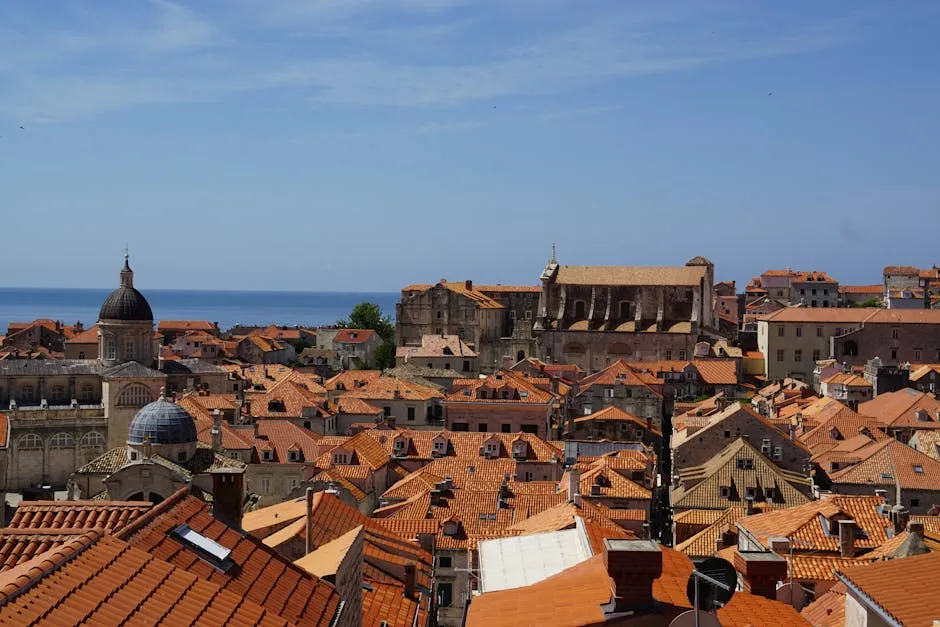
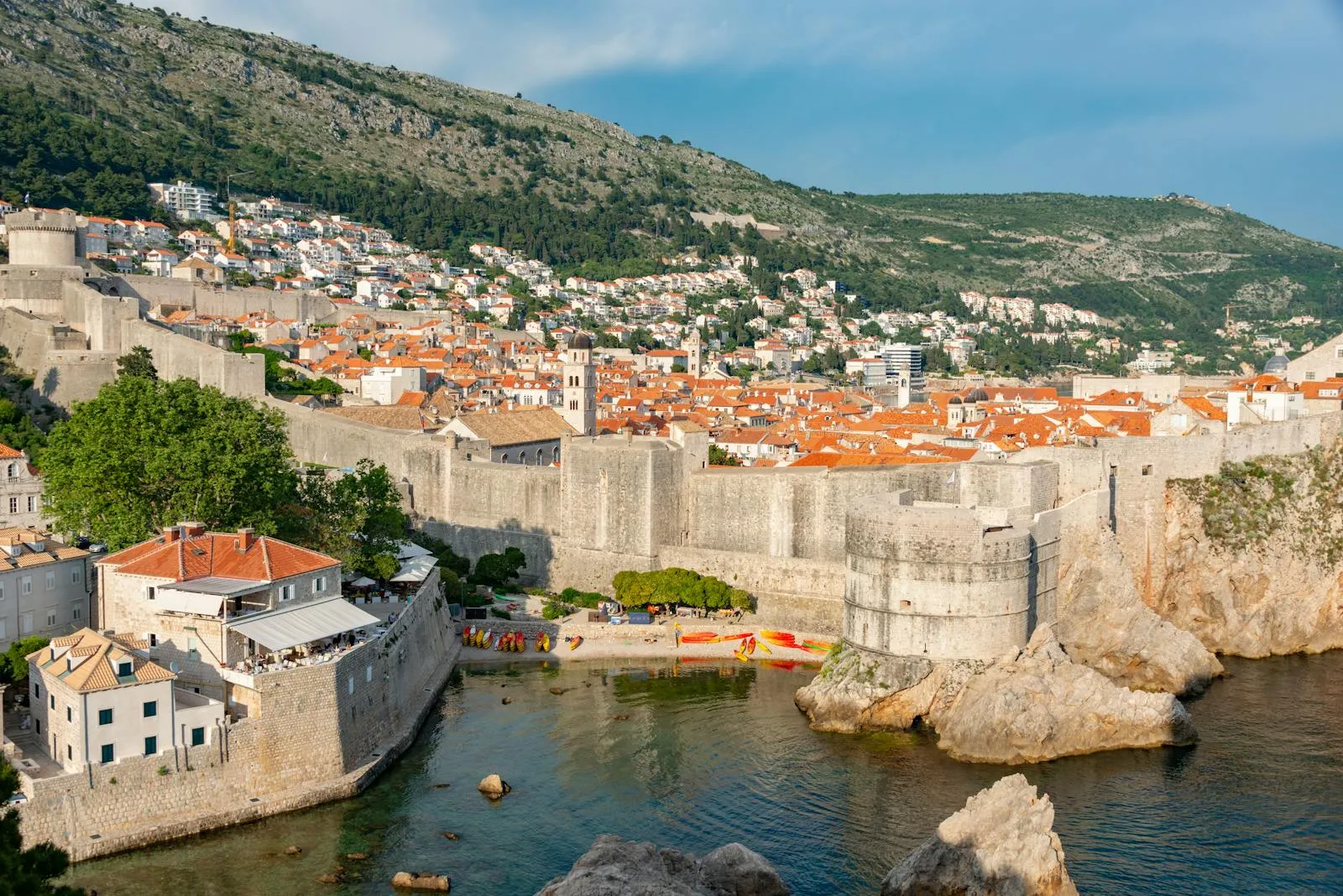
Panoramic view of Dubrovnik old town and Adriatic coastline

🏝 Croatia is a narrow, crescent-shaped country hugging the eastern Adriatic. 56,594 km² of land, roughly 6,000 km of coastline, and 1,246 islands (47 permanently inhabited). 🇪🇺 Joined the EU in 2013, adopted the Euro in January 2023, and entered Schengen the same month.

🏛 But Croatia is not just coast. Zagreb is a proper Central European capital with Habsburg architecture and cafe culture. 🌳 Plitvice Lakes are one of Europe’s most extraordinary natural sights. Istria has been called “the new Tuscany” for its hilltop villages and truffle forests.

🇭🇷 Capital

Zagreb (~800,000, metro ~1.1 million)

👥 Population

~3.9 million

📏 Size

56,594 km² (about the size of West Virginia)

💰 Currency

Euro (€) since January 2023

🌐 Languages

Croatian. English widely spoken on the coast and in tourism

📞 Emergency

112 (EU-wide). Pharmacies marked with green cross

Why Visit

🏝 Adriatic Coast & Islands

1,246 islands, crystal-clear water, secluded coves, and some of the cleanest beaches in the Mediterranean. Island-hopping by catamaran is easy and affordable

🌳 National Parks

Eight national parks covering waterfalls, lakes, canyons, mountain ranges, and marine archipelagos. Plitvice and Krka are world-class

🏰 Medieval Old Towns

Dubrovnik, Split, Trogir, and Zadar have UNESCO-listed old towns built from Adriatic limestone. Intact city walls, Roman palaces, and Venetian architecture

🍲 Mediterranean Food & Wine

Istrian truffles and olive oil, Dalmatian grilled fish and peka, Slavonian kulen sausage, and local wines (Plavac Mali, Malvazija) that rarely leave the country

🐾 Diving & Water Sports

Exceptional visibility, underwater caves, WWII shipwrecks, and marine life. Kayaking around Dubrovnik, windsurfing in Bol, sailing the Kornati archipelago

💸 Affordable Mediterranean

Cheaper than Italy or Greece for accommodation, food, and transport. Local restaurants serve three-course meals for €15–25. Hostels from €15/night
Good to know. Croatia adopted the Euro and joined Schengen in January 2023. No currency exchange needed if you are coming from the Eurozone. No border checks from other Schengen countries. This has made Croatia significantly more convenient than it was even three years ago.

Best Time to Visit

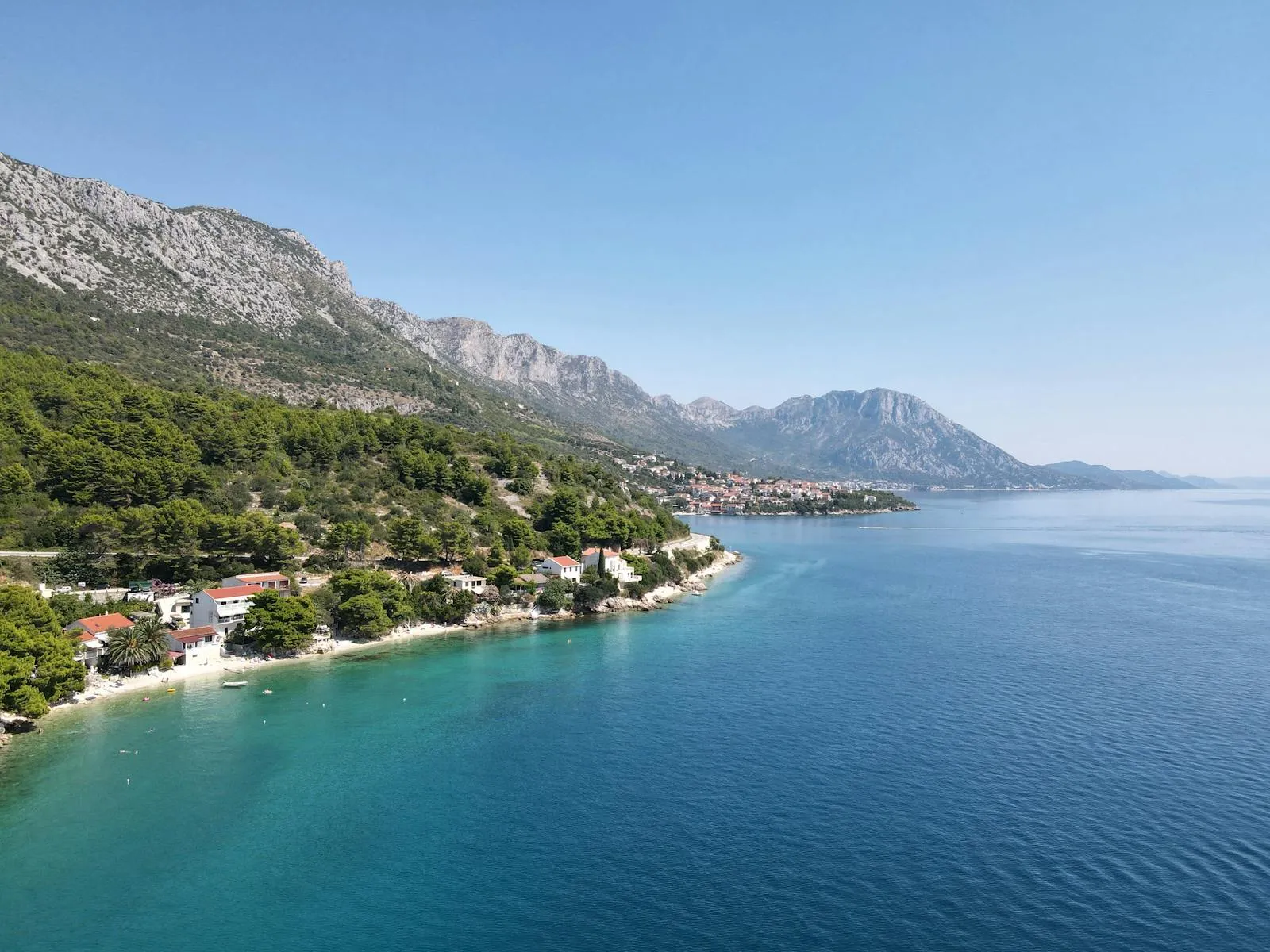
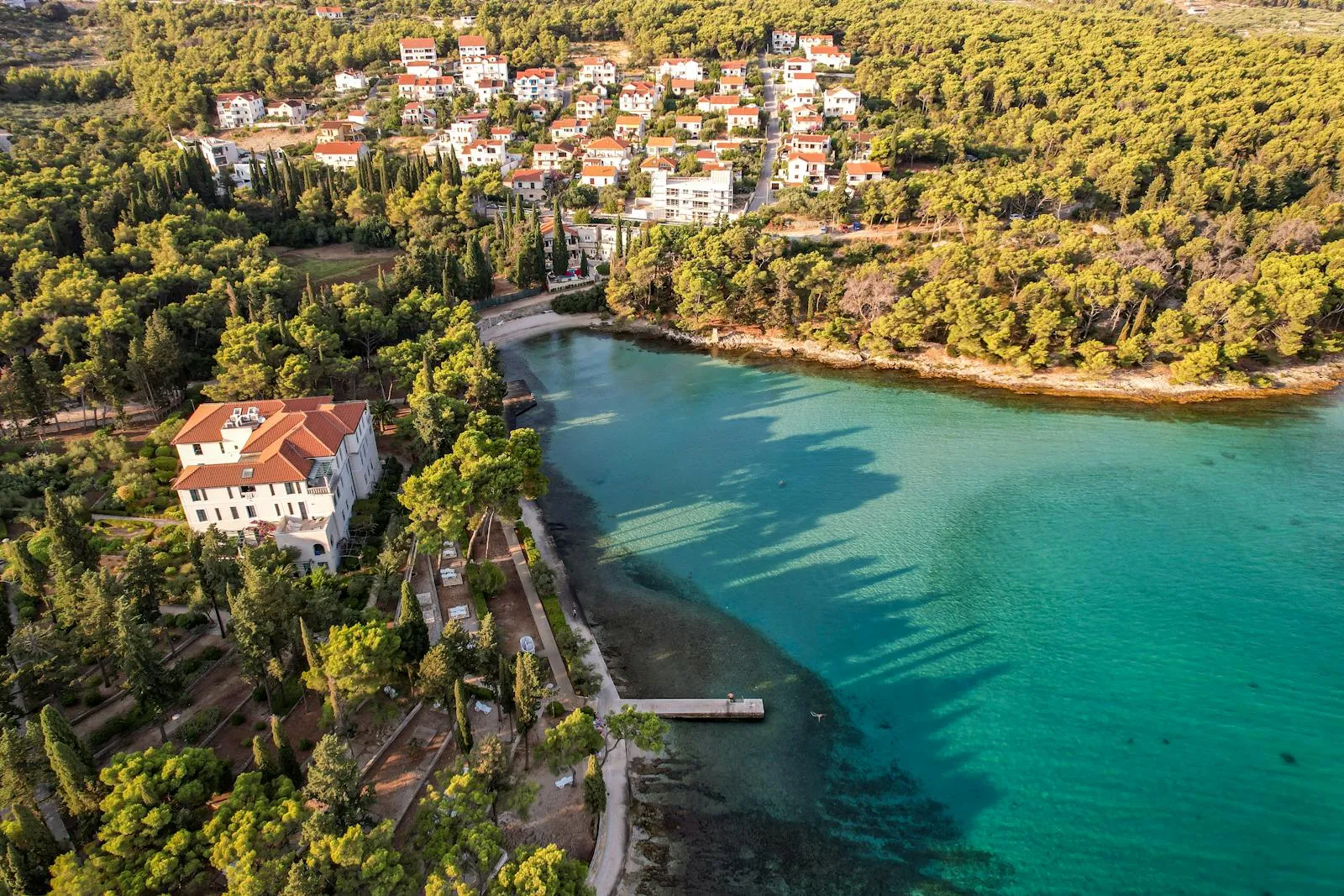
Croatian coastal town with turquoise water in late spring sunshine

☀ May through June and September through mid-October. Those shoulder months give you warm weather, swimmable seas, fewer crowds, and lower prices. 🔴 July and August are high season: Dubrovnik, Hvar, and Split get genuinely overcrowded. Book accommodation and ferry tickets well ahead if you must travel in summer.

MonthSeasonBest RegionsCrowdsPricesRating
JanuaryWinterZagreb (museums, cafes)🟢 Very Low🟢 Low⭐⭐
FebruaryWinterZagreb, Rijeka Carnival🟢 Very Low🟢 Low⭐⭐
MarchEarly springZagreb, Istria, Split🟢 Low🟢 Low⭐⭐⭐
AprilSpringCoast warming up, Plitvice, Istria🟡 Moderate🟡 Rising⭐⭐⭐⭐
MayLate springAll regions – coast, parks, islands🟡 Moderate🟡 Moderate⭐⭐⭐⭐⭐
JuneEarly summerAll regions – perfect balance🟡 High🟡 Moderate⭐⭐⭐⭐⭐
JulyHigh summerIslands, coast (crowded)🔴 Very High🔴 High⭐⭐⭐
AugustHigh summerIslands, coast (very crowded)🔴 Very High🔴 High⭐⭐⭐
SeptemberEarly autumnAll regions – warm seas, fewer people🟡 Moderate🟡 Moderate⭐⭐⭐⭐⭐
OctoberAutumnDalmatia, Istria, Plitvice (autumn colours)🟢 Low🟢 Low⭐⭐⭐⭐
NovemberLate autumnZagreb, Istria, Split🟢 Very Low🟢 Low⭐⭐
DecemberWinterZagreb (Christmas markets)🟢 Low🟢 Low⭐⭐
Sweet spot. The last two weeks of May and the first two weeks of June are arguably the best time to visit Croatia. Warm enough for swimming, everything is open, prices are 30–40% below peak, and you can actually walk through Dubrovnik’s old town without being in a crowd. September is equally good. Early October still works for the southern coast and islands.

Map of Croatia

Croatia has an unusual shape. It curves from the Pannonian plains in the northeast, through the capital Zagreb in the centre, and then runs southeast along the Adriatic coast in a long, narrow strip. The Dinaric Alps separate the coast from the interior. Bosnia and Herzegovina sits in the middle, almost splitting the country in two. The coastline runs from Istria in the northwest (bordering Italy and Slovenia) down to Dubrovnik in the far southeast, with Montenegro beyond.

Map of Croatia showing major cities, national parks, and islands
Geography note. The Neum corridor, a 20 km strip of Bosnian coastline, technically splits Croatian territory between the main coast and the Dubrovnik exclave. The Pelješac Bridge (opened 2022) now bypasses this, so you no longer need to cross Bosnian border checkpoints when driving south to Dubrovnik. A big improvement for road trips.

Holidays & Festivals

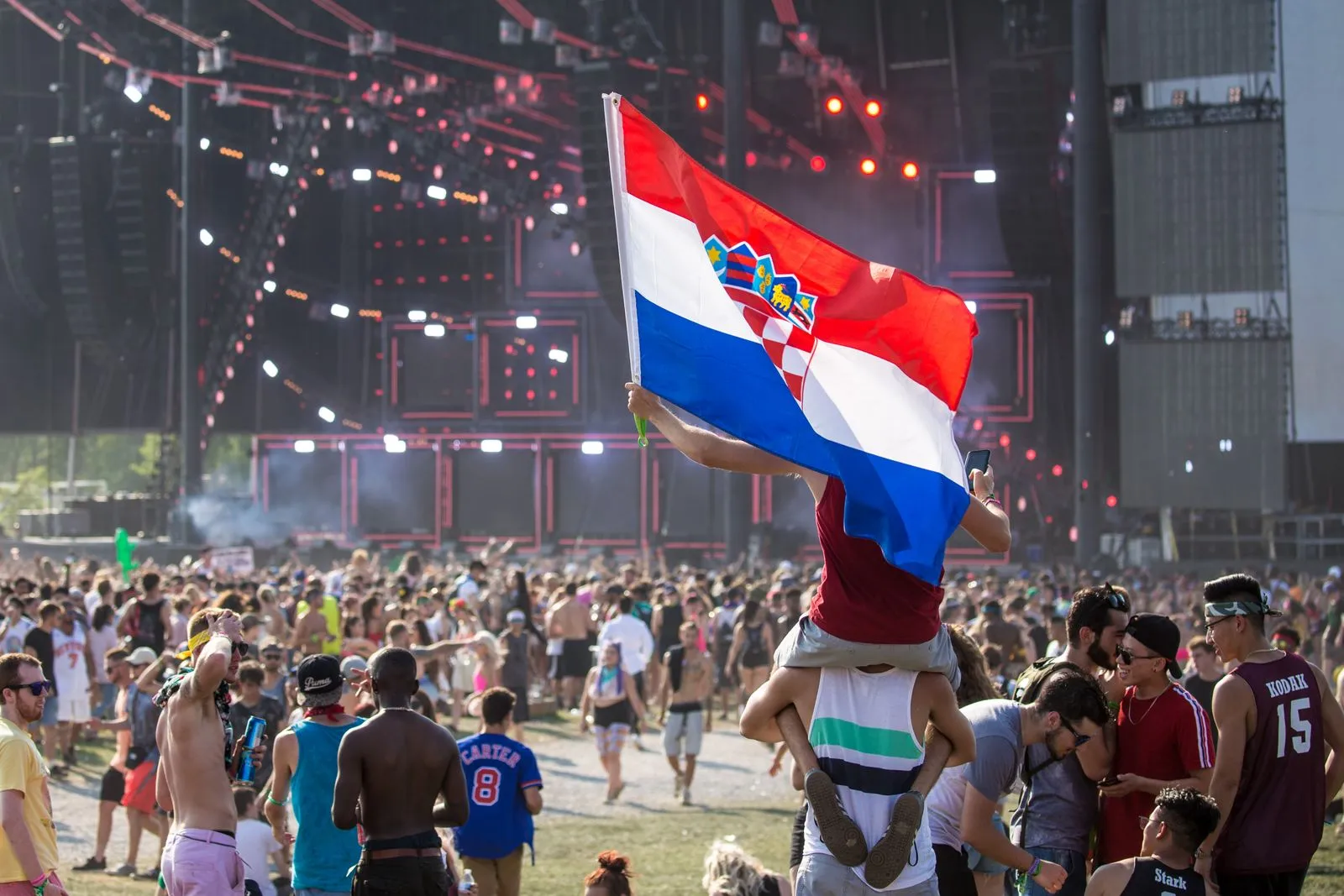
Traditional Croatian festival celebration with flags and music

🎊 Croatia has 14 public holidays. Most are religious or tied to national history. 💡 The bigger impact is on ferries and buses, which run reduced schedules. Tourist areas along the coast stay open.

Holidays, Festivals & Events

DateEventWhereWhat to ExpectType
1 JanNew Year’s DayNationwidePublic holiday. Everything closedHoliday
6 JanEpiphanyNationwideCatholic holiday. Public holidayHoliday
FebRijeka CarnivalRijekaBiggest carnival in Croatia, one of largest in Europe. Parades, masks, street parties. Runs several weeks to Shrove TuesdayMust See
Mar/AprEaster Sunday & MondayNationwidePublic holidays. Dates vary annuallyHoliday
1 MayLabour DayNationwidePublic holidayHoliday
30 MayStatehood DayNationwideMarks 1990 multi-party parliament. Public holidayHoliday
Jun (varies)Corpus ChristiNationwideCatholic holiday, 60 days after Easter. Public holidayHoliday
22 JunAnti-Fascist Struggle DayNationwideWWII remembrance. Public holidayHoliday
Jul–AugDubrovnik Summer FestivalDubrovnikSix weeks of theatre, music, dance in open-air venues across old town. Running since 1950. Tickets sell out for headline showsCultural
Jul–AugSplit Summer FestivalSplitOpera, ballet, concerts in Diocletian’s Palace and historic venues. Less famous than Dubrovnik but equally atmosphericCultural
5 AugVictory & Homeland Thanksgiving DayNationwideMarks 1995 Operation Storm. Public holiday. Sensitive date with nationalist elementsHoliday
AugSinjska AlkaSinjMedieval jousting tournament running continuously since 1715. UNESCO Intangible Heritage. Knights ride at full gallop, aim lances at metal ringCultural
15 AugAssumption of MaryNationwideCatholic holiday. Public holiday. Peak of summer seasonHoliday
Aug/SepOutlook FestivalPulaBass music and sound system culture in abandoned Fort Punta Christo. One of Europe’s best electronic music festivalsCultural
1 NovAll Saints’ DayNationwidePublic holiday. Families visit cemeteriesHoliday
18 NovRemembrance DayNationwideVukovar remembrance (1991). Public holidayHoliday
DecAdvent in ZagrebZagrebRepeatedly voted Europe’s best Christmas market. Mulled wine, street food, ice skating, festive lights across upper and lower townCultural
25–26 DecChristmasNationwideTwo-day public holiday. Everything closedHoliday
5 August matters. Victory & Homeland Thanksgiving Day marks the end of the Croatian War of Independence. It is a sensitive date. Some celebrations include nationalist elements. If you are in Croatia around this date, be aware of the significance and respect the solemnity.

Regions of Croatia

Aerial view of Croatia showing diverse coastal and inland landscapes
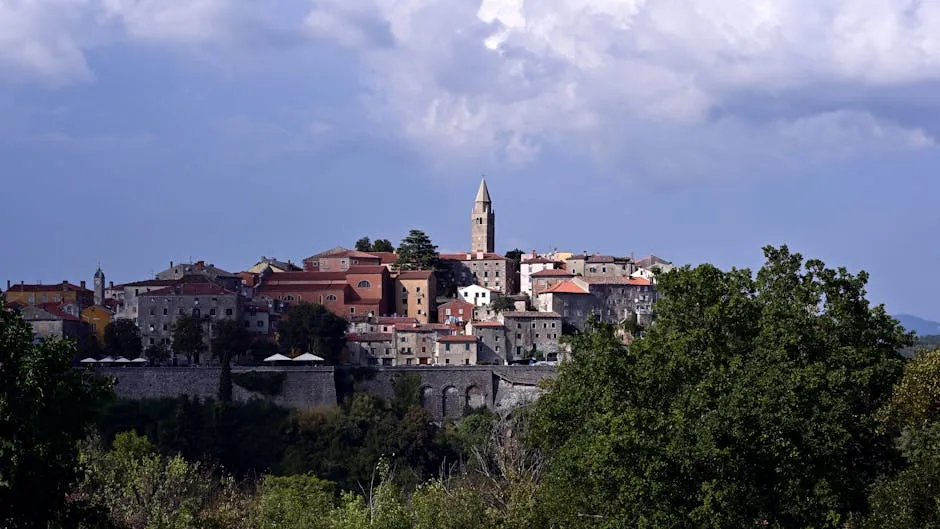
Hilltop village in Istria surrounded by rolling green countryside

🌿 Istria

The northwestern peninsula. Italian-influenced architecture, truffle forests, excellent olive oil and wine, and coastal towns like Rovinj, Pula (Roman amphitheatre), and Poreč. Less crowded than Dalmatia. Often compared to Tuscany. Base yourself in Rovinj or inland in Motovun

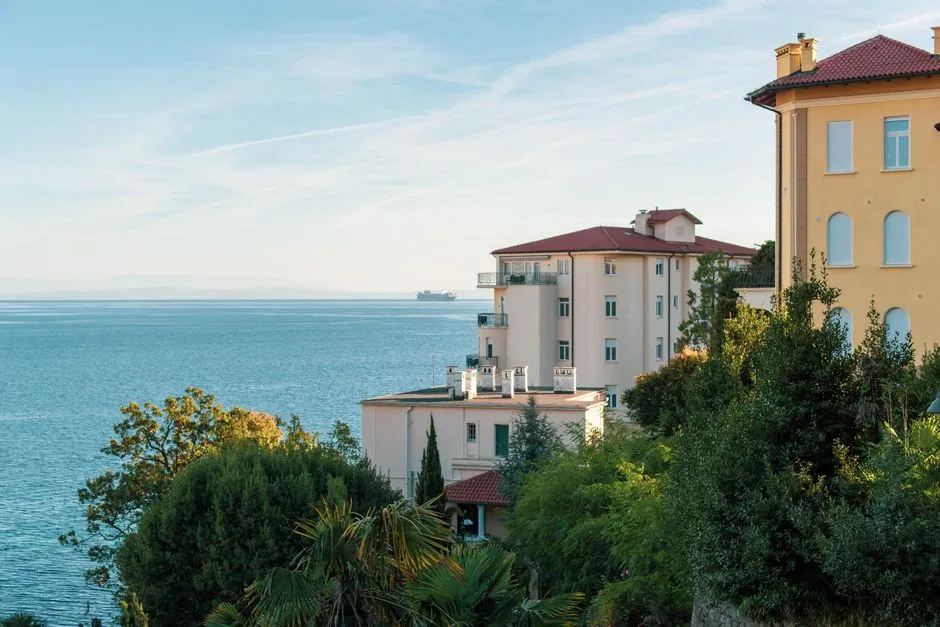
Opatija waterfront with elegant Habsburg-era architecture

⚓ Kvarner Bay

The gulf between Istria and the mainland. Rijeka (European Capital of Culture 2020), the elegant resort town of Opatija, and the islands of Cres, Lošinj, Krk, and Rab. Griffon vultures on Cres. Dolphins around Lošinj. Less touristy than the Dalmatian islands

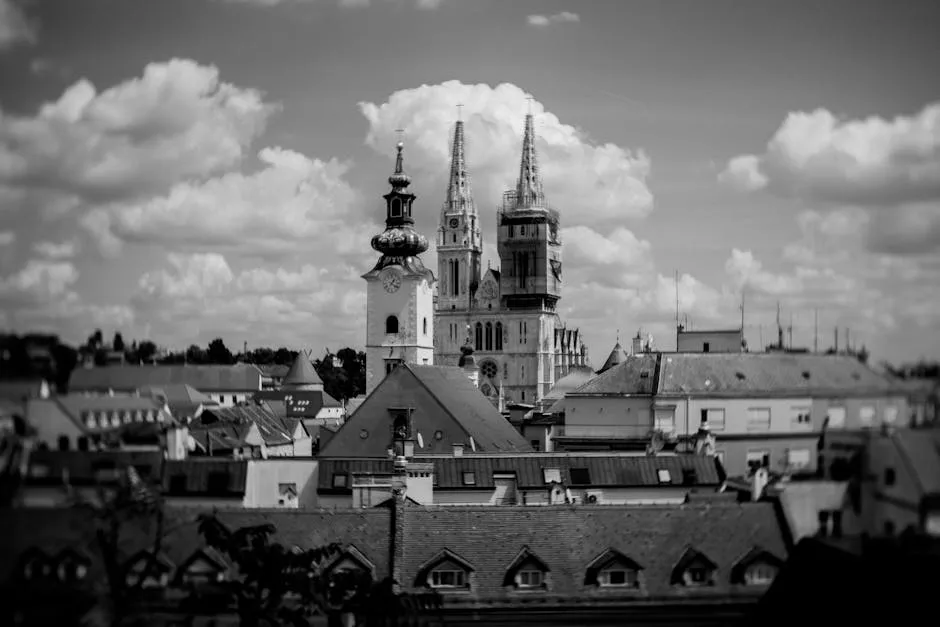
Zagreb upper town with cathedral spires and red rooftops

🏛 Zagreb & Central Croatia

The capital and the continental interior. Habsburg upper town, vibrant cafe culture, the best museums in the country, and Plitvice Lakes National Park within a two-hour drive. A proper Central European city that most coastal tourists skip entirely

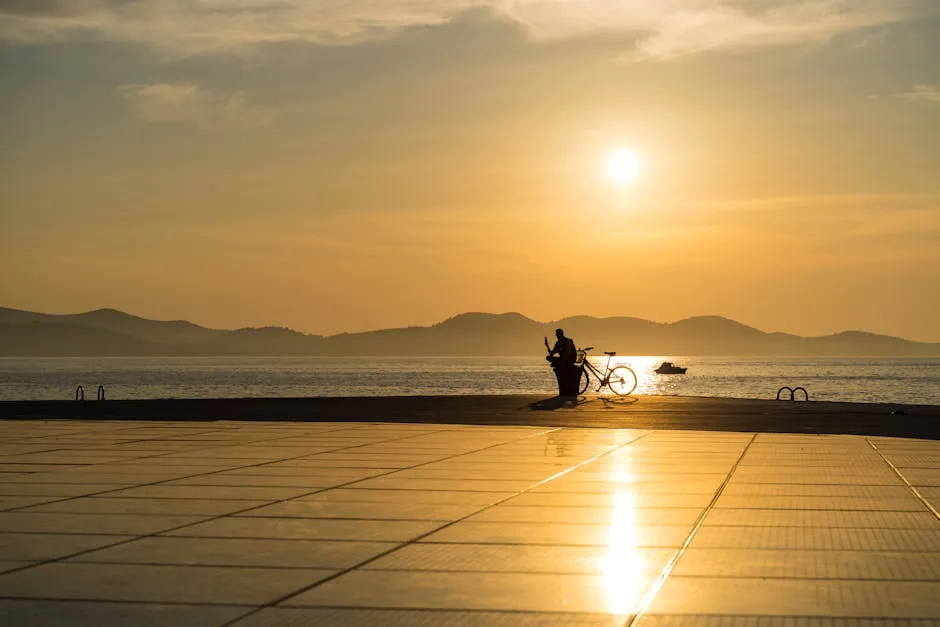
Zadar sea organ at sunset with golden light on the Adriatic

🌞 Northern Dalmatia

Zadar (the sea organ, the Sun Salutation), Šibenik, Krka National Park, and the Kornati archipelago. Less visited than the southern coast but packed with Roman ruins, waterfalls, and island day trips. Zadar is an underrated base

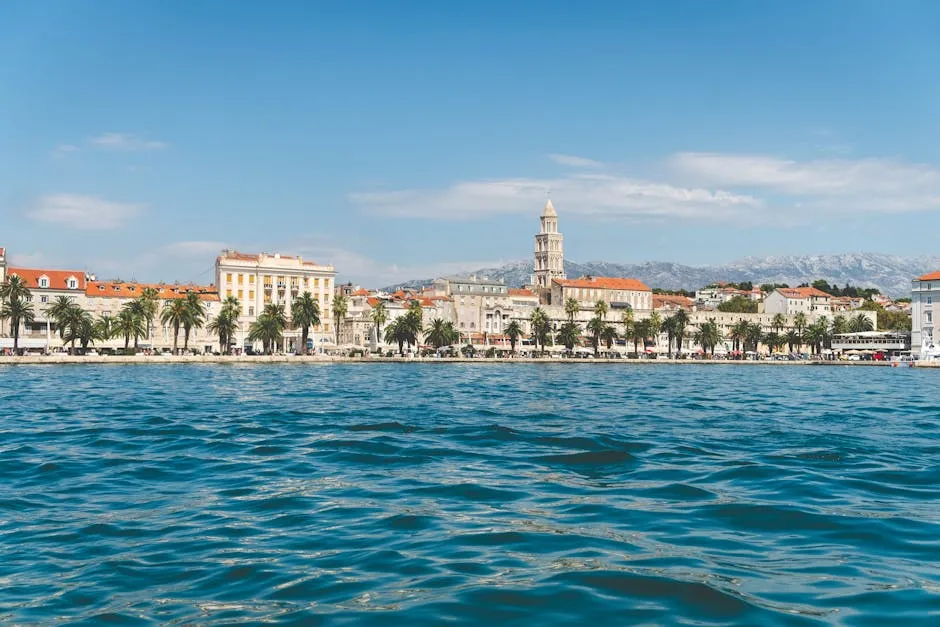
Split waterfront with Diocletian's Palace and palm-lined promenade

🏙 Central Dalmatia

Split (Diocletian’s Palace), Trogir, and the famous islands of Hvar, Brač, and Vis. The heart of Croatian coastal tourism. Split is the transport hub for island-hopping south. Hvar has the nightlife, Brač has Zlatni Rat beach, and Vis is the quiet alternative

Dubrovnik old town walls with terracotta rooftops and blue Adriatic

🏘 Southern Dalmatia

Dubrovnik, the Pelješac peninsula, and the islands of Korčula and Mljet. Dubrovnik is the headline act but Mljet National Park (saltwater lakes, Benedictine monastery) is the hidden gem. Korčula claims to be Marco Polo’s birthplace. Pelješac has Croatia’s best red wines

Top Sightseeing

Plitvice Lakes boardwalk winding through turquoise cascading waterfalls

🏛 Croatia packs a surprising density of world-class sights into a small country. Roman palaces, medieval walled cities, UNESCO-listed old towns, and natural wonders that rank among Europe’s best.

Dubrovnik old town walls stretching along the Adriatic coast

Dubrovnik Old Town

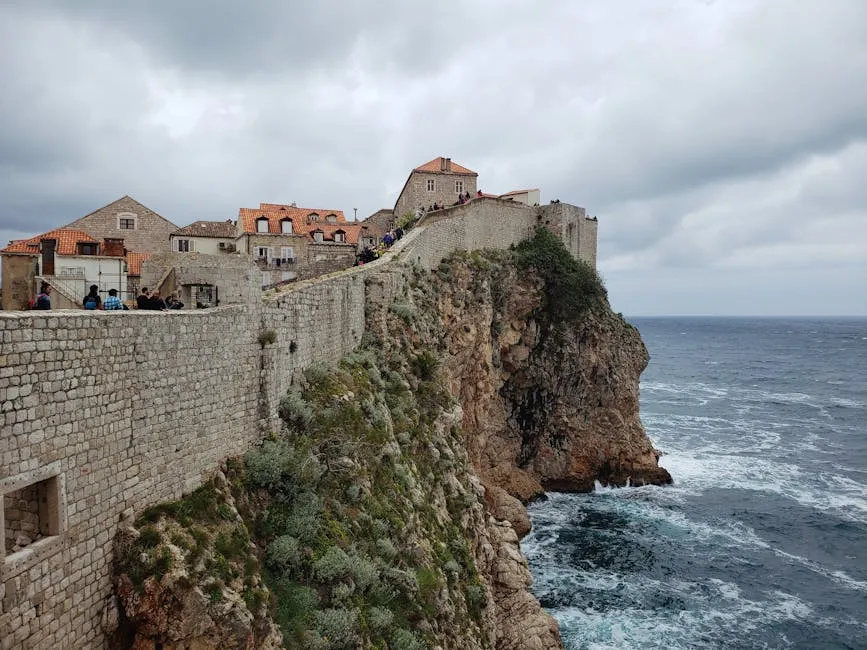
The “Pearl of the Adriatic.” Walk the 2 km city walls for rooftop views, explore the marble-paved Stradun, and take the cable car to Mount Srđ for the full panorama. UNESCO-listed. Gets very crowded in summer. Best in May, June, September or October

Find on Get Your Guide →
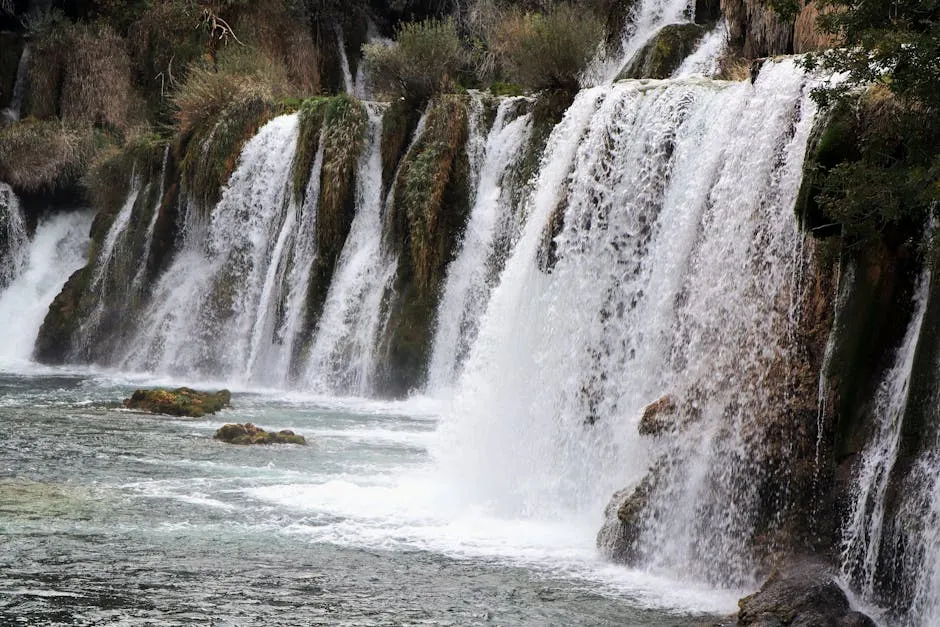
Cascading turquoise waterfalls at Plitvice Lakes National Park

Plitvice Lakes National Park

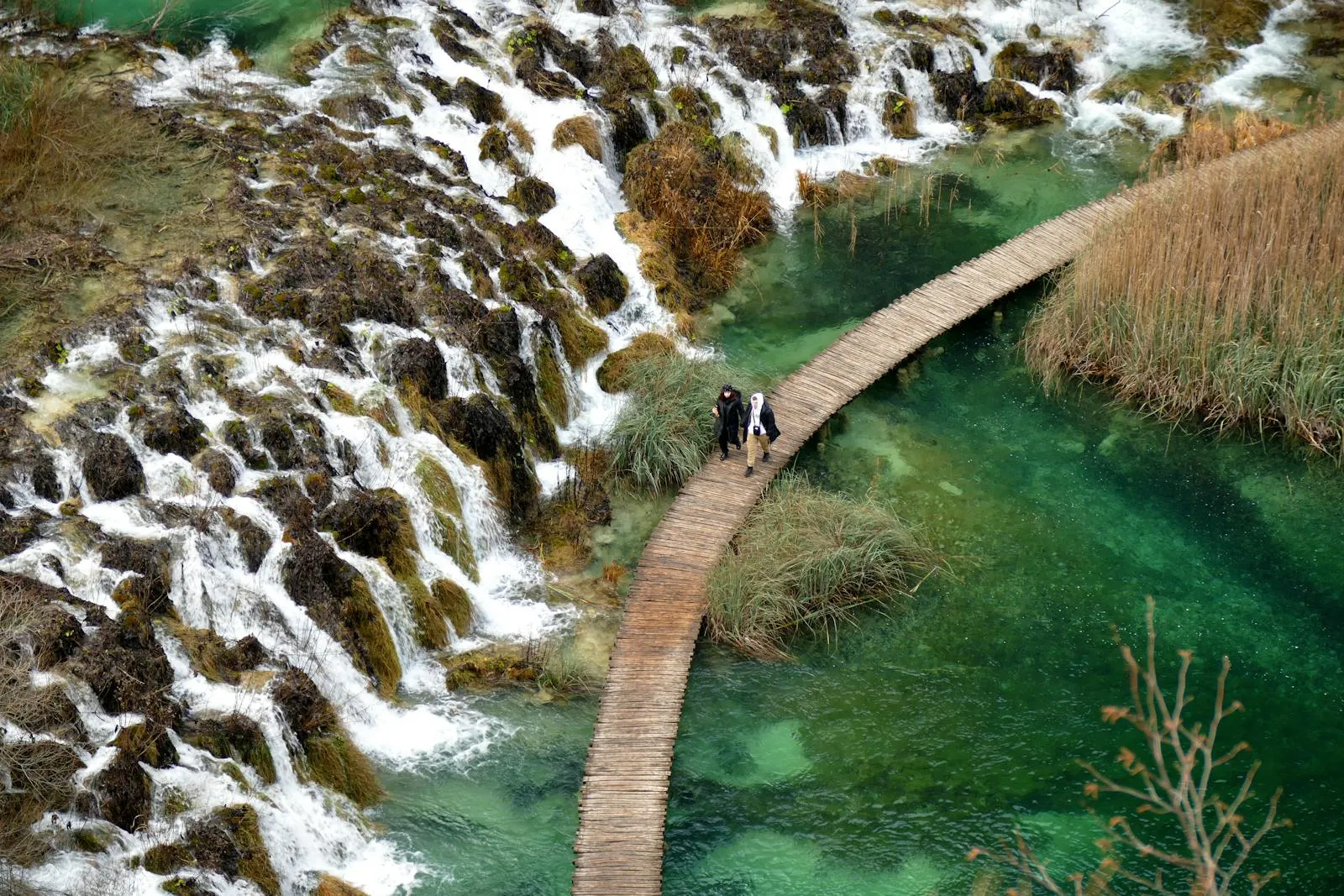
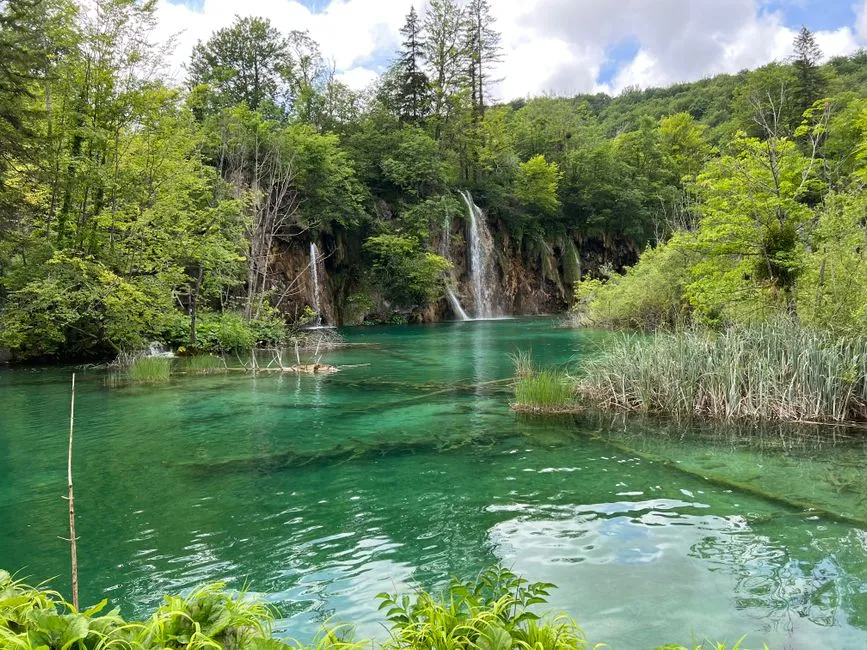
Sixteen terraced lakes connected by waterfalls cascading through forested hills. Wooden boardwalks wind through the system. Entry €10–40 depending on season. Book timed tickets online in summer. Allow a full day. No swimming. One of Europe’s most extraordinary natural sights

Find on Get Your Guide →
Diocletian's Palace peristyle courtyard in Split at dusk

Diocletian’s Palace, Split

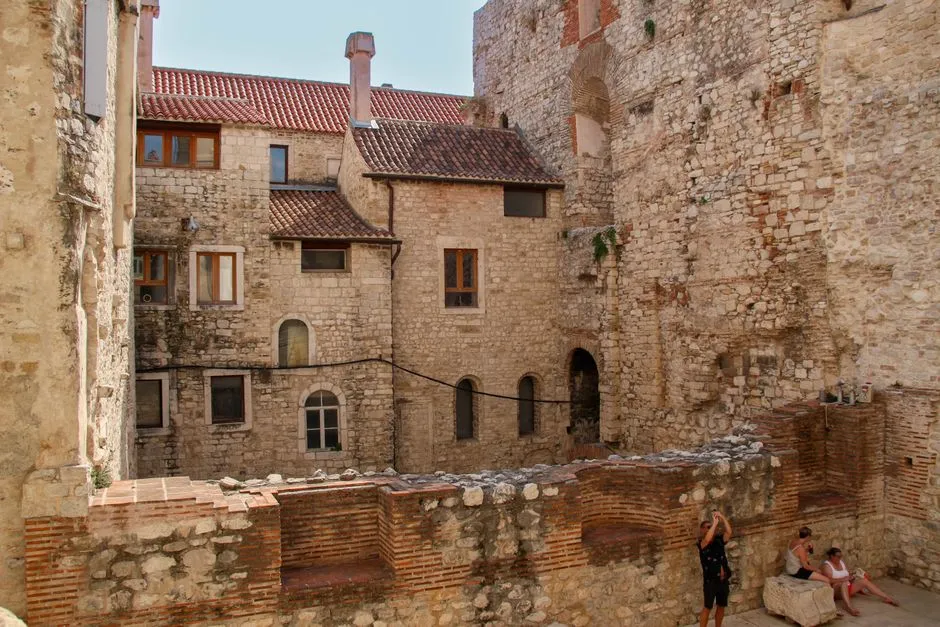
Roman emperor Diocletian retired here in 305 AD. The palace is not a museum. It is the living heart of Split, with restaurants, bars, and apartments built into the ancient walls. The Peristyle courtyard, the Cathedral of St. Domnius (built inside the emperor’s mausoleum), and the basement halls are the highlights

Find on Get Your Guide →
Skradinski Buk waterfall at Krka National Park with cascading terraces

Krka National Park

The Krka River drops through travertine terraces at Skradinski Buk, creating 17 cascades. Easier to reach than Plitvice (1 hour from Split, 15 min from Šibenik). Swimming banned since 2021. Boat trips to Visovac Island and its monastery. Entry €10–30 depending on season

Find on Get Your Guide →
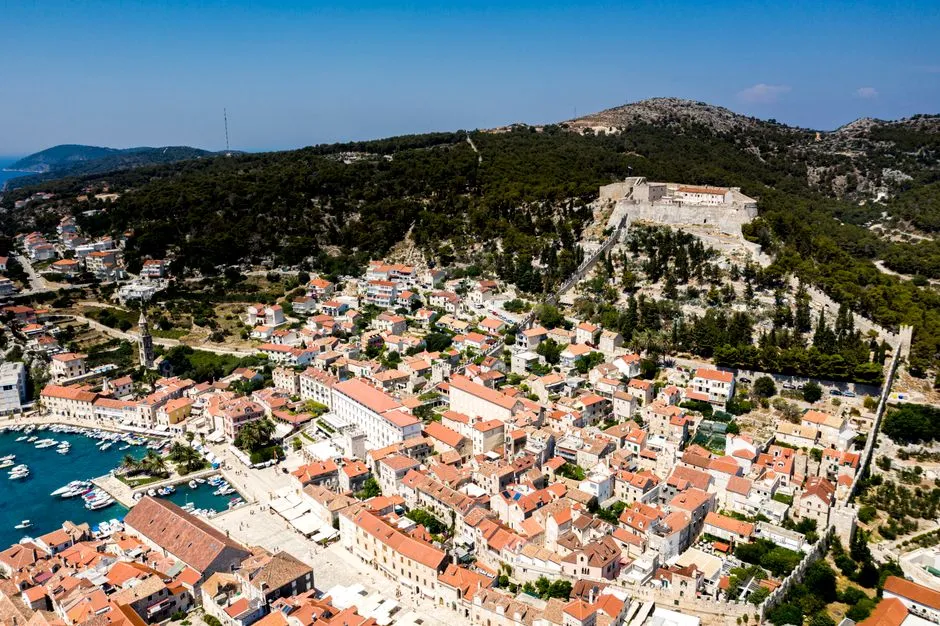
Hvar town harbour with boats and medieval fortress above

Hvar Town

The most glamorous of the Dalmatian islands. Renaissance-era main square, 16th-century fortress with panoramic views, lavender fields in the interior, and the Pakleni Islands for swimming. Known for nightlife in summer. Take the catamaran from Split (1 hour)

Find on Get Your Guide →
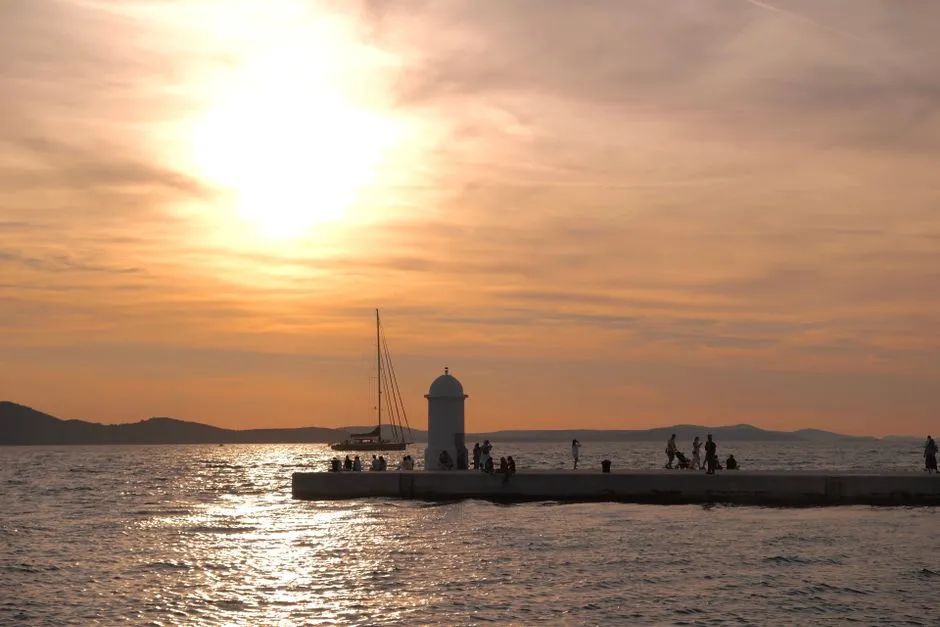
Zadar Sea Organ at sunset with golden light reflecting on water

Zadar Sea Organ & Sun Salutation

Zadar’s waterfront has two installations by architect Nikola Bašić. The Sea Organ plays music from wave action through underwater pipes. The Sun Salutation is a 22-metre solar-powered light disc that creates a light show at dusk. Alfred Hitchcock called Zadar’s sunset the best in the world

Find on Get Your Guide →
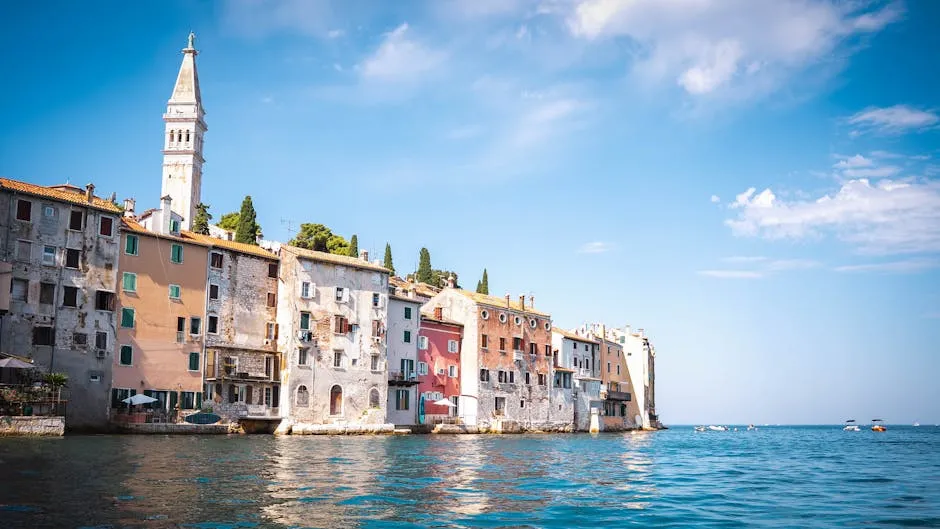
Rovinj old town peninsula with colourful buildings rising from the sea

Rovinj

Istria’s postcard town. A jumble of pastel-coloured Venetian buildings climbing a peninsula, topped by the Church of St. Euphemia. Narrow cobbled streets, small galleries, waterfront restaurants, and pine-shaded swimming spots along the coast. Less frantic than the Dalmatian towns

Find on Get Your Guide →
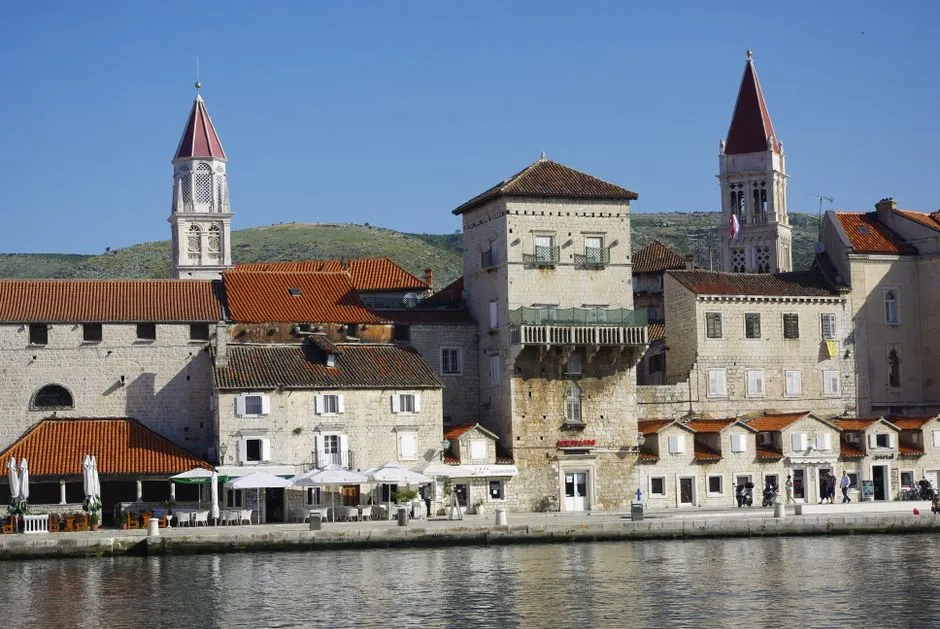
Trogir old town island with medieval stone buildings and tower

Trogir Old Town

A tiny island packed with Romanesque and Renaissance architecture. The Cathedral of St. Lawrence has a remarkable 13th-century portal by Master Radovan. UNESCO-listed. Just 30 minutes from Split by bus. Small enough to explore in half a day but charming enough to linger

Find on Get Your Guide →
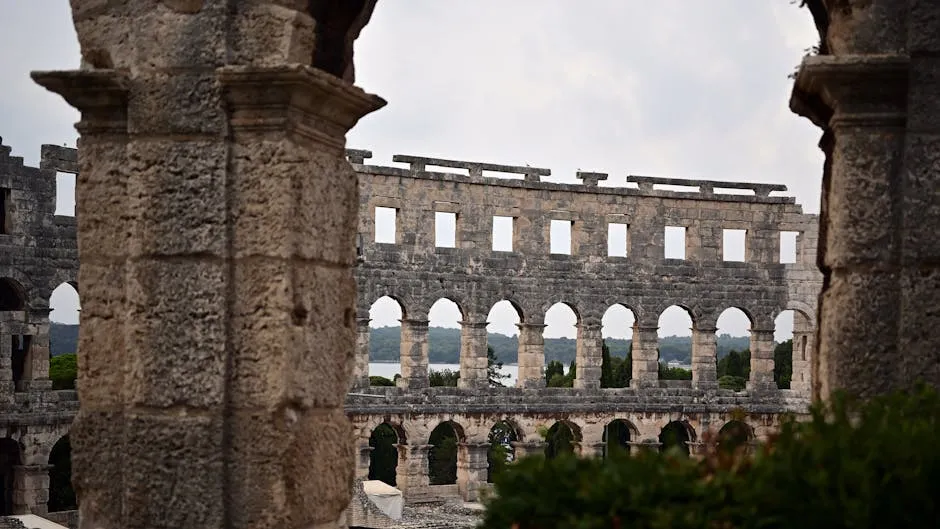
Pula Roman Arena amphitheatre with intact arched walls

Pula Arena

One of the best-preserved Roman amphitheatres in the world. Built in the 1st century AD, it held 23,000 spectators. Still used for concerts and film festivals in summer. The underground chambers house an olive oil and wine exhibition. Entry €10

Find on Get Your Guide →
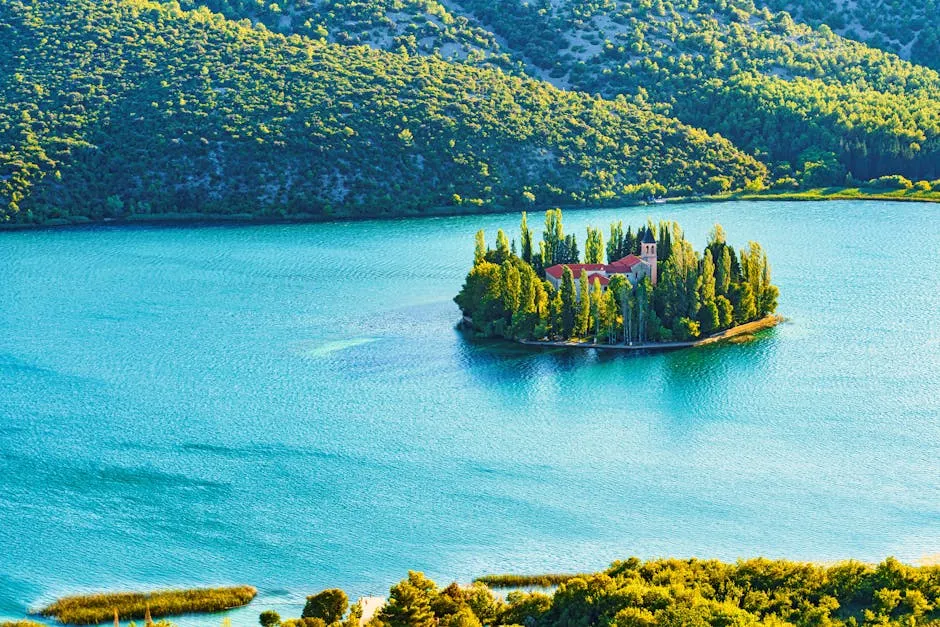
Mljet saltwater lake with small island and Benedictine monastery

Mljet National Park

Two saltwater lakes (Veliko and Malo Jezero) on a forested island south of Korčula. A 12th-century Benedictine monastery sits on an islet in the big lake. Swim, kayak, cycle, or just sit on the shore. Ferry from Dubrovnik (1.5 hours). Entry €14–20. One of Croatia’s most peaceful places

Find on Get Your Guide →
🏰️ Discover More
UNESCO World Heritage

Culture & Cuisine

Traditional Croatian konoba restaurant with stone walls and wooden tables

🍴 Croatian culture splits along the coast-interior divide. The Adriatic coast is Mediterranean: late dinners, afternoon coffee that stretches for hours. 🏛 The interior is more Central European. ⛪ Religion matters: Croatia is about 86% Roman Catholic. Dress modestly when visiting churches.

Konoba vs. restoran. A konoba is a traditional tavern, usually family-run, with stone walls, simple decor, and honest local cooking. A restoran is more formal. For the best food at the best prices, eat at konobas. They serve what they cooked that morning and what the fisherman brought in that day. Many do not even have printed menus. Ask what is fresh.

Food & Drink

Croatian peka dish with meat and vegetables under a bell-shaped lid

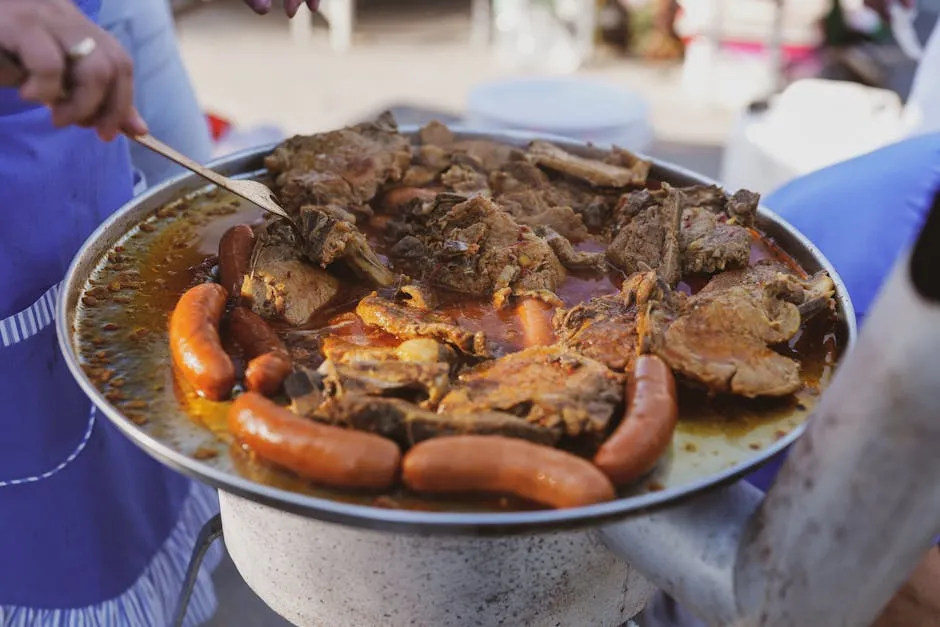
🍖 Peka

The signature Dalmatian dish. Meat (lamb, veal, or octopus) slow-cooked with potatoes and vegetables under a bell-shaped metal lid covered in hot coals. Usually needs to be ordered hours in advance. Worth the wait

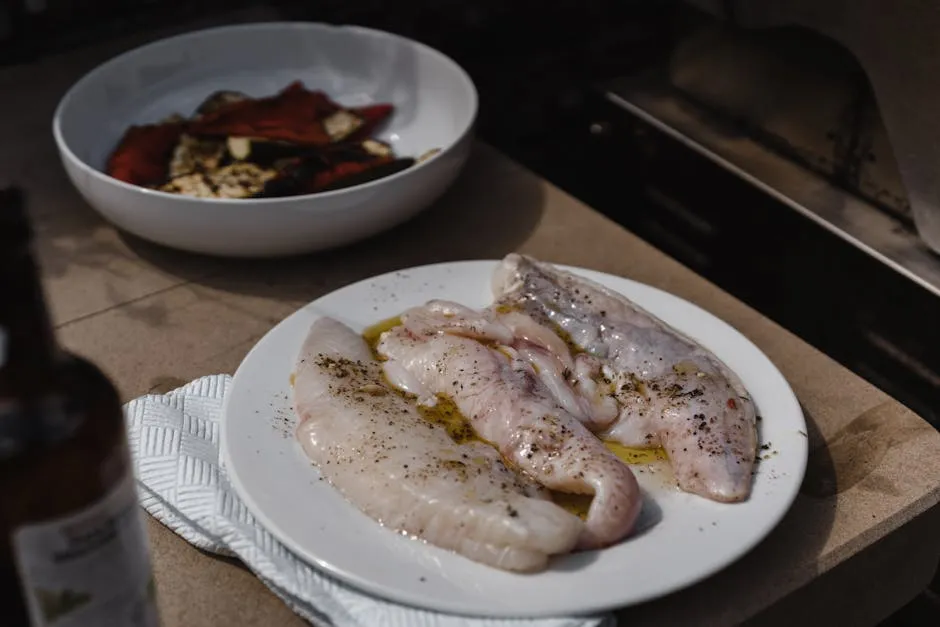
Grilled fresh Adriatic fish on a plate with olive oil and lemon

🍣 Adriatic Seafood

Grilled fish (branzino, sea bream, John Dory), buzara (shellfish in white wine, garlic, and breadcrumbs), black risotto (crni rižot) made with cuttlefish ink. Coastal konobas serve fish by weight. Fresh, simple, cooked over open flame

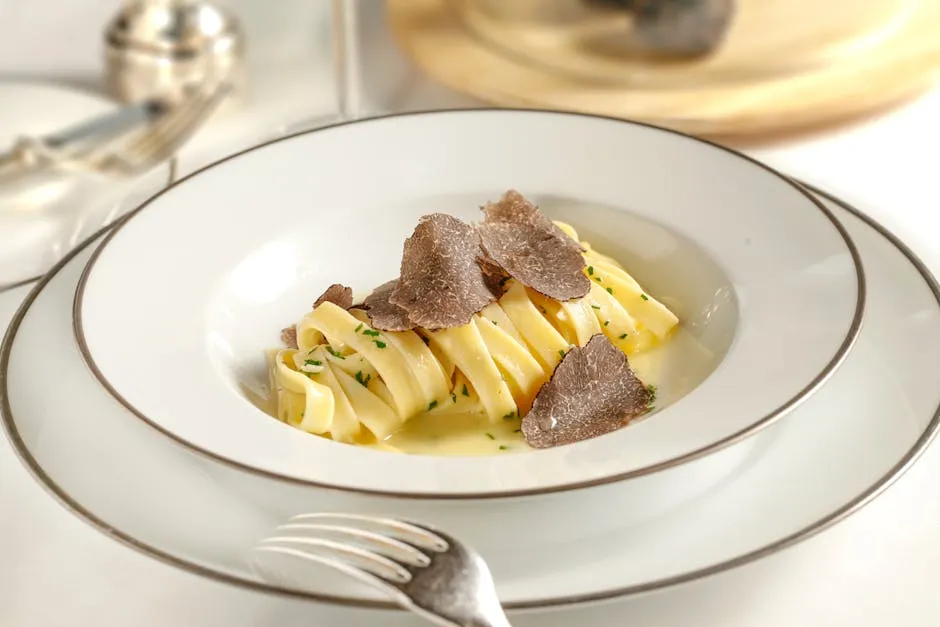
Istrian truffle pasta with shaved truffles on top

🍄 Istrian Truffles

Istria produces some of the finest truffles outside of Piedmont and Périgord. White truffles (autumn) and black truffles (year-round) appear on pasta, eggs, cheese, and even ice cream. Motovun and Livade are the truffle capitals. Restaurant prices are a fraction of Italian equivalents

Plate of cevapi sausages with onions and flatbread

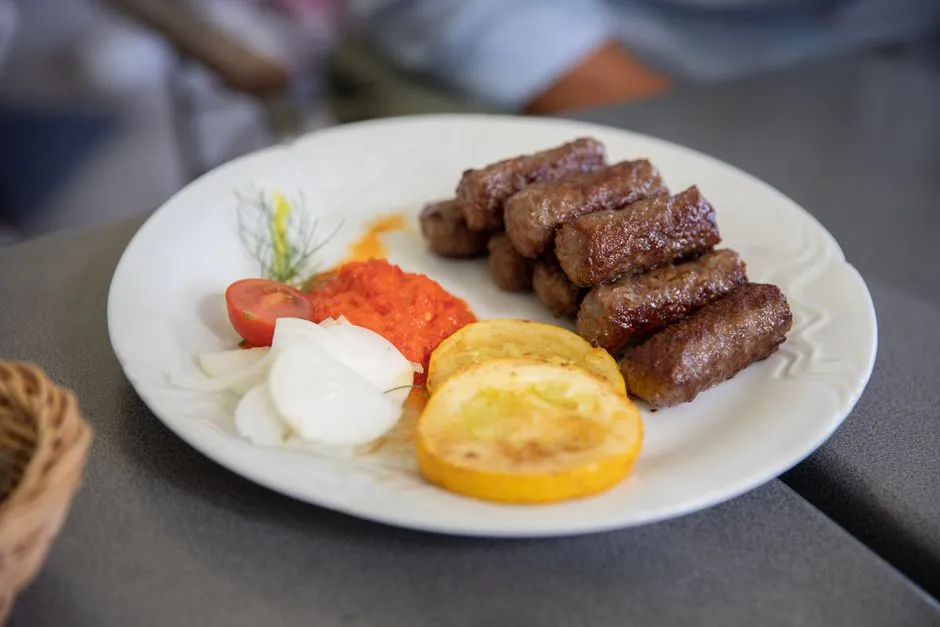
🌮 Ćevapi & Continental Food

In Zagreb and the interior, the food is heartier. Ćevapi (grilled minced-meat sausages) with ajvar (roasted pepper relish) and somun flatbread. Štrukli (baked cheese pastry) is a Zagreb speciality. Kulen is a spicy paprika sausage from Slavonia

Croatian wine glasses overlooking vineyard terraces by the coast

🍷 Croatian Wine

Excellent and underrated. Plavac Mali (bold red) from Pelješac peninsula. Malvazija (crisp white) from Istria. Graševina (Welschriesling) from Slavonia. Pošip from Korčula. Dingač from the steep Pelješac slopes. Most never leave the country, which keeps prices low

Croatian pastries and coffee served at an outdoor cafe

☕ Coffee Culture

Coffee is a ritual, not a fuel stop. Croatians drink it slowly, often spending an hour or more over a single cup. Zagreb’s Cvjetni trg and Tkalcićeva street are prime spots. Order a kava (coffee). Espresso is standard. Filtered coffee barely exists

Wildlife & Nature

Croatian coastline with dolphins in clear Adriatic waters

Croatia’s position where the Alps meet the Mediterranean, combined with its pristine Adriatic coastline and dense interior forests, creates exceptional biodiversity. The country’s national parks protect some of Europe’s healthiest populations of large mammals, while its clear coastal waters harbour marine life found few other places in the Mediterranean.

Brown Bear

Brown Bear

Where: Plitvice Lakes, Northern Velebit, Gorski Kotar

Croatia hosts around 800–1,000 brown bears, one of the largest populations in Western Europe. The forests around Plitvice Lakes and Northern Velebit National Park are prime bear territory. Bears emerge from hibernation in March and are most active in spring when they forage for food. Bear-watching tours operate from hides in the Velebit region.

Griffon Vulture

Griffon Vulture

Where: Kvarner Gulf islands (Cres, Krk), Velebit

Croatia’s coastal cliffs host one of the last Mediterranean breeding colonies of griffon vulture. The islands of Cres and Krk in the Kvarner Gulf are the main habitats, with around 100 breeding pairs. These enormous birds (wingspan up to 2.8 m) nest on cliff ledges and can soar for hours without flapping. They were once nearly extinct in Croatia.

Bottlenose Dolphin

Bottlenose Dolphin

Where: Adriatic coast, Kvarner Gulf, around Brijuni Islands

The Adriatic Sea is home to an estimated 6,000–7,000 bottlenose dolphins. Boat trips from coastal towns like Rovinj, Split, and Dubrovnik frequently encounter pods. The Brijuni National Park (former Tito’s island retreat) has a resident population. Dolphins are protected by law — approach within 100 m is prohibited but they often come closer on their own.

Chamois

Chamois

Where: Velebit, Biokovo, Northern Dinaric Alps

These agile mountain ungulates thrive in Croatia’s rugged Dinaric Alps. Velebit Nature Park and Biokovo Nature Park host healthy populations. They are most visible at dawn and dusk grazing above the treeline. Groups of 10–30 are common. Their ability to navigate near-vertical cliff faces makes them a thrilling sight in the mountain landscapes.

Wildlife experiences: Bear-watching tours from Krasno and Plitvice. Griffon vulture viewing on Cres and Krk islands (best March–September). Dolphin-watching boat trips from Rovinj, Split, and Dubrovnik. Chamois spotting on Velebit hiking trails at dawn.

Activities & Hikes

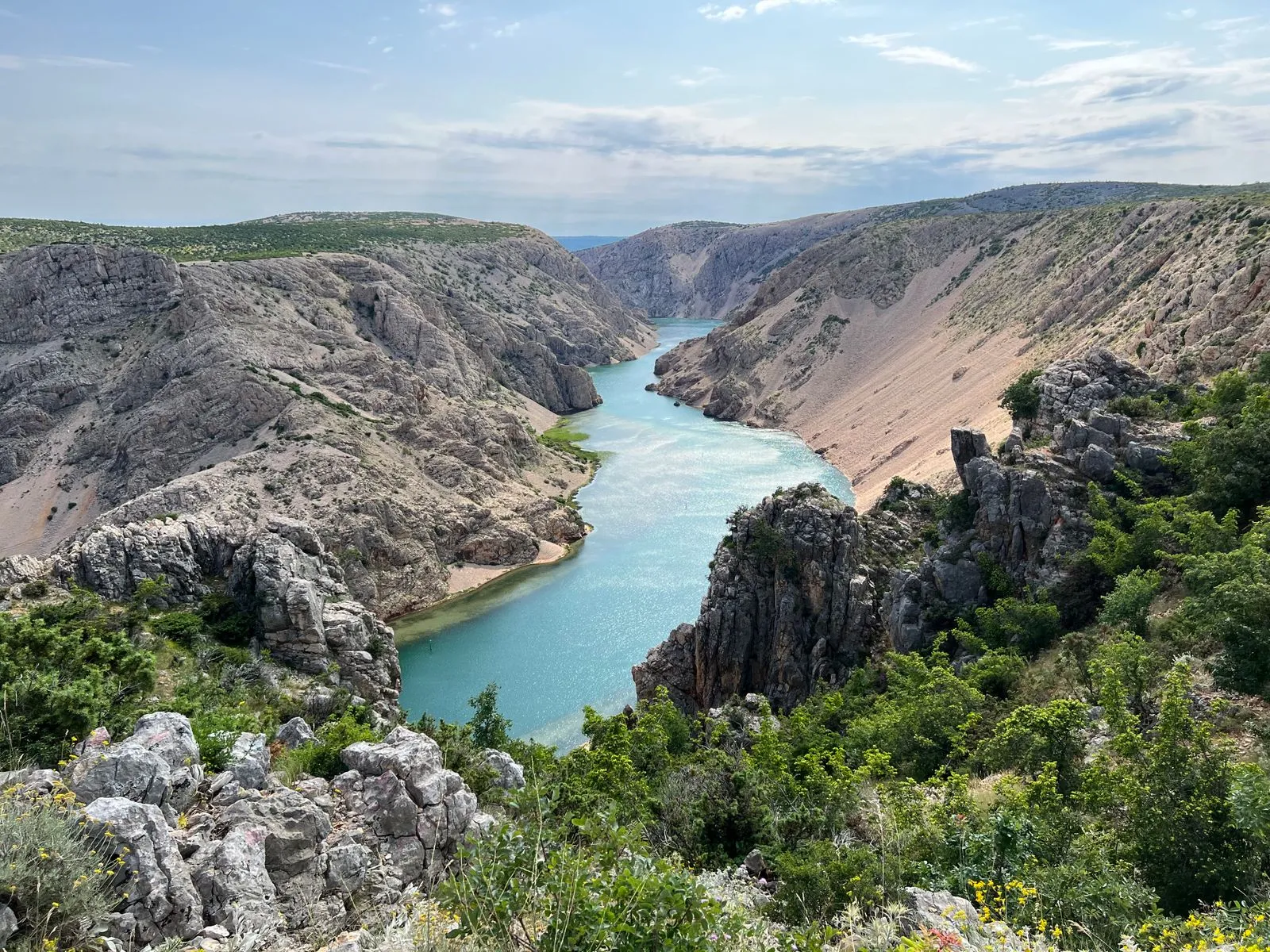
Hiking trail along dramatic Croatian canyon cliffs with Adriatic views
🏆Looking for the best tours and experiences? Browse our hand-picked recommendations across 17 countries — from skip-the-line museum tickets to sunrise hot air balloon rides.

🌊 Croatia has more outdoor range than its beach-holiday reputation suggests. The Dinaric Alps run parallel to the coast, creating dramatic canyons and mountain trails. 🚣 The Adriatic offers some of Europe’s best diving and kayaking. 1,246 islands mean endless options for sailing and exploring empty coves.

ActivityWhereSeasonDifficultyNotes
Premužić TrailNorthern VelebitJun–OctModerate–Hard57 km ridge trail, no steps, spectacular views. Mountain huts for overnights
Paklenica Canyon hikePaklenica NPApr–NovEasy–HardMultiple trails from easy 2-hour canyon walks to Vaganski Vrh summit (1,757 m)
Plitvice forest trailsPlitvice NPYear-roundEasy–ModerateMed­veđak hiking trail (8 km), Čorkova Uvala (21 km). Brown bear territory
Sea kayakingDubrovnik, Split, HvarMay–OctEasyHalf-day guided tours around city walls and nearby islands. No experience needed
Scuba divingVis, Kornati, Cres, KrkMay–SepVariousCaves, WWII wrecks, Roman amphorae. Vis has the best wreck diving. Permit required (€318/year or dive with a centre)
Rock climbingPaklenica NPMar–NovAll levels400+ routes on canyon walls. Croatia’s premier climbing destination
Sailing/island-hoppingDalmatian coastMay–OctEasyCharter a skippered yacht or join a flotilla. Kornati archipelago is the jewel
Windsurfing & kitesurfingBol (Brač), Vigánj (Pelješac)May–SepVariousConsistent maestral wind. Zlatni Rat beach at Bol is the most famous spot
CyclingIstria, islandsApr–OctEasy–ModerateParenzana trail (former railway, 123 km). Island cycling on Mljet and Korčula
CanyoningCetina River (Omiš)May–OctModerateAbseiling waterfalls, cliff jumping, swimming through canyons. Guided tours from Omiš or Split
Diving permits. To dive independently in Croatia you need a permit from the harbour master (€318.53/year, one person). But most visitors dive with a licensed dive centre, which handles permits. Diving in national parks (Kornati, Mljet, Brijuni, Krka) requires a special permit and must be done with an authorized centre. Worth it. The underwater visibility regularly exceeds 30 metres.

🌊 Best Dive Sites

Baron Gautsch wreck (Istria, 40 m), Blue Cave (Biševo), Cathedral Cave (Premuda Island), Teti wreck (Vis, 8–34 m), Vis B-17 bomber (deep), Lina wreck (Cres)

🚣 Best Kayak Routes

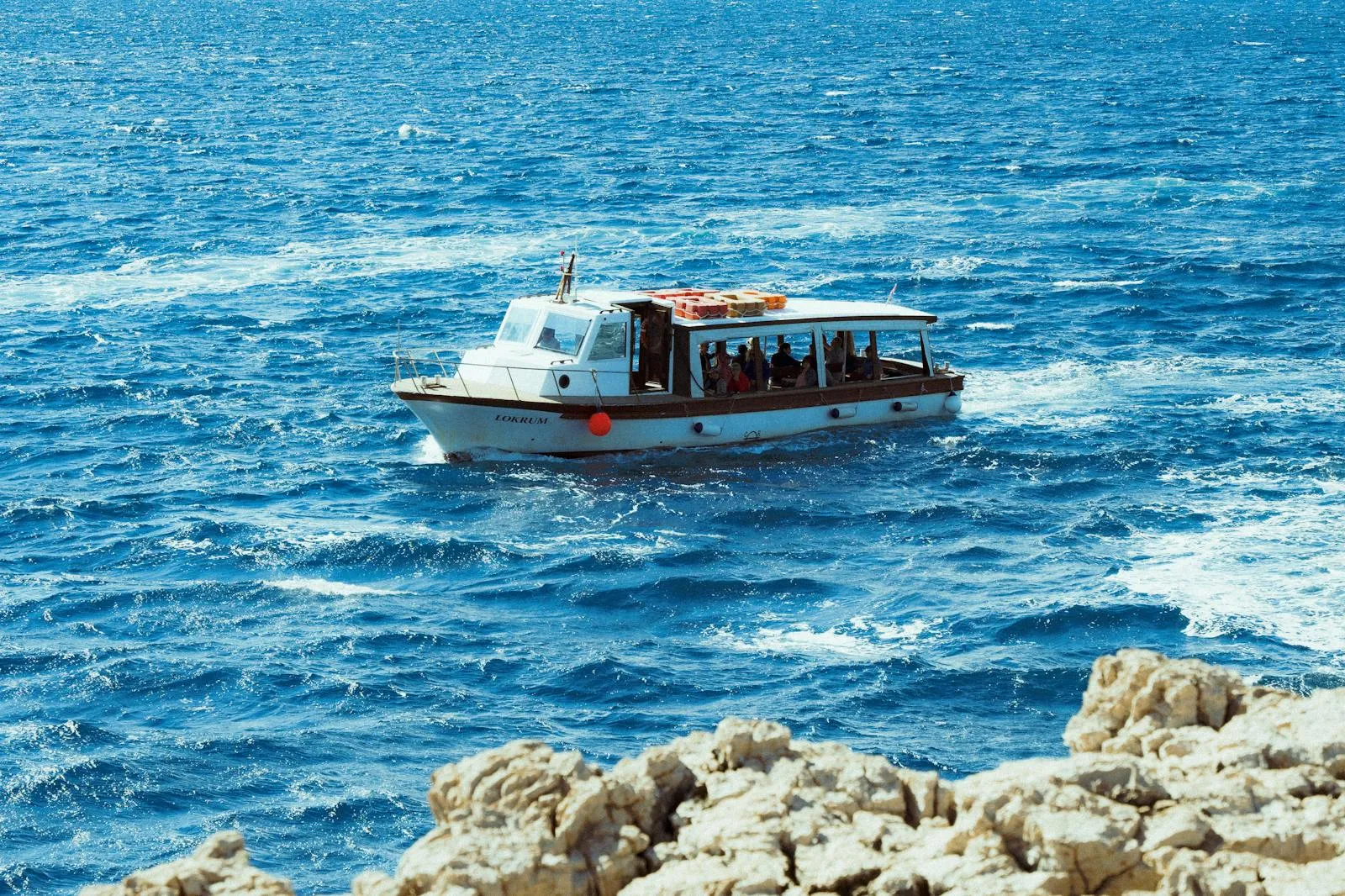
Dubrovnik walls circuit, Lokrum Island loop, Elafiti Islands day trip, Hvar Pakleni Islands, Split to Čiovo. Half-day tours €35–60

⛰ Best Hiking

Premužić Trail (Velebit ridge), Paklenica canyon, Biokovo Skywalk (1,228 m), Mljet island trails, Vidova Gora (Brač, 780 m, highest Adriatic island peak)

🏄 Best Sailing

Kornati archipelago, Split–Hvar–Vis triangle, Istrian coast. Flotilla holidays from €600/week. Bareboat charters need ICC licence

Route Planner

Planning a trip to Croatia requires consideration of several factors that affect routing, timing, and budget. Visa requirements vary by nationality, domestic transport ranges from modern highways to unpaved mountain roads, and seasonal weather can dramatically alter your experience. The routes below are designed around Croatia's geography and transport networks, but conditions change — always verify road access, border crossings, and transport schedules before departing.

Before choosing a route, consider: your time frame (a focused one-week trip differs vastly from a three-week exploration), your budget (some routes require domestic flights or private transport), what you want to see (cities, nature, culture, adventure), and seasonal conditions (monsoon, dry season, temperature extremes). Each route is a template — adjust it to fit your style.

🚀

Plan Your Trip with the Travel Planner

Build a personalised itinerary with weather forecasts, safety warnings, visa info, transport options, and cost estimates — all in one report.

🚀 Open the Travel Planner
🏬

Find the Best Hotels & Resorts

We hand-picked the highest-rated hotels, apartments and resorts for your trip — from budget stays to luxury retreats. Filter by country, budget and guest rating.

🏬 Browse Hotels & Resorts

Route A: 10-Day Coastal Classic (Split, Hvar, Dubrovnik)

Catamaran ferry crossing blue Adriatic water between Croatian islands

The first-timer’s route. Start in Split, island-hop to Hvar and possibly Korčula, then end in Dubrovnik. Connected by catamarans and ferries. Works best May through October. This hits all the iconic coastal spots without needing a car.

Budget: €60–100/day (hostel/mid-range, eating at konobas, catamarans). High summer adds 30–50%.

Transport: Fly into Split, out of Dubrovnik (or reverse). Jadrolinija and Krilo catamarans between islands. One-way fares €10–35 per leg.

Day-by-day itinerary

Days 1–3: Split

Arrive, settle in. Explore Diocletian’s Palace, climb the bell tower for city views, walk the Riva waterfront. Day 2: visit Marjan Hill park for trails and swimming spots. Day 3: day trip to Trogir (30 min by bus, UNESCO old town) or Krka National Park (1.5 hours by bus, €20–30 entry). Evening: eat at a konoba in the Va’s neighbourhood behind the palace

Days 4–5: Hvar

Morning catamaran from Split (1 hour). Explore Hvar Town: main square, Spanish Fortress for sunset views, Pakleni Islands by water taxi for swimming. Day 5: rent a scooter and see the lavender fields and hilltop villages in the island interior. Stari Grad (a UNESCO-listed agricultural plain) if you want a quieter side of Hvar. Nightlife in Hvar Town if that is your thing

Days 6–7: Korčula (optional) or straight to Dubrovnik

Catamaran from Hvar to Korčula Town (1.5 hours). A compact walled old town on a peninsula, less crowded than Dubrovnik. The Moreska sword dance, Marco Polo’s alleged birthplace, wine tasting in Lumbarda (Pošip white). If skipping Korčula, take the direct catamaran from Hvar to Dubrovnik

Days 8–10: Dubrovnik

Walk the city walls early morning (opens 08:00, go first thing to avoid crowds). Cable car to Mount Srđ for the panorama. Kayak around the walls and to Lokrum Island. Day trip to Mljet National Park (1.5-hour catamaran) or Elafiti Islands. Final day: sunset drinks at Buza Bar (cliff bar outside the walls). Avoid the old town between 10:00–16:00 in summer when cruise ship passengers flood in

Route B: 2-Week Islands & National Parks

Aerial view of Kornati archipelago islands in blue Adriatic Sea

This route adds Plitvice Lakes, Zadar, and more islands to the coastal classic. It shows Croatia’s range, from cascading inland lakes to empty offshore archipelagos. Needs catamarans and one or two bus rides. Best May through September.

Budget: €70–110/day. National park entries add up (€50–80 total for Plitvice + Krka + Kornati day trip).

Transport: Fly into Zagreb or Zadar, out of Dubrovnik. Internal buses (FlixBus, Arriva) + catamarans + one Kornati boat tour.

Day-by-day itinerary

Days 1–2: Zagreb

Arrive, explore the upper town (Gornji Grad): St. Mark’s Church, Stone Gate, Lotrščak Tower. Museum of Broken Relationships (one of Europe’s most original museums). Lower town: Dolac market for fresh produce and breakfast. Tkalcićeva street for cafe crawling. Zagreb is often skipped but rewards a full day

Day 3: Plitvice Lakes

Bus from Zagreb (2–2.5 hours). Full day exploring the lakes. Arrive early (park opens 07:00 in summer) and start from Entrance 1 for the lower lakes and Veliki Slap (big waterfall). The full circuit takes 4–6 hours. Book timed tickets online. Stay nearby if you want a second day on the forest hiking trails. Otherwise, afternoon/evening bus to Zadar (2.5 hours)

Days 4–5: Zadar

Sea Organ and Sun Salutation at sunset. Church of St. Donatus and Roman Forum in the old town. Day 5: boat day trip to the Kornati Islands from Zadar (full day, €50–80 including lunch and park entry). Or drive to Krka National Park (1.5 hours) for the Skradinski Buk waterfalls

Day 6: Šibenik & Krka

Bus from Zadar to Šibenik (1.5 hours). Visit the Cathedral of St. James (UNESCO). Afternoon at Krka NP (15 min from Šibenik). If you did Krka from Zadar already, spend the day exploring Šibenik’s old town and St. Michael’s Fortress for panoramic views

Days 7–9: Split & Islands

Bus to Split (1.5 hours). Diocletian’s Palace, Marjan Hill. Day 8: catamaran to Vis Island (2.5 hours). Vis is the least touristy major island. Blue Cave on Biševo (boat trip from Komiža). Day 9: return to Split or catamaran to Hvar

Days 10–11: Hvar & Brač

Explore Hvar Town, Pakleni Islands. Or take the ferry to Brač and visit Zlatni Rat beach at Bol. Hike up Vidova Gora (780 m, highest point on any Adriatic island) for views across to Hvar. Return to Split or continue south

Days 12–14: Dubrovnik & Mljet

Catamaran from Hvar or Split to Dubrovnik. City walls, Lokrum Island, Mount Srđ cable car. Day 13: day trip to Mljet National Park (catamaran 1.5 hours). Kayak the saltwater lakes, swim, visit the monastery. Day 14: Elafiti Islands boat trip or final Dubrovnik exploration. Fly out

Route C: 3-Week Grand Tour

Coastal road winding along Croatian Adriatic cliffs with turquoise sea

Three weeks lets you cover Zagreb, Istria, the Kvarner islands, the entire Dalmatian coast, and most of the national parks. This is the route that shows all of Croatia’s range, from truffle forests to underwater caves. A rental car for the Istria segment makes it easier, but bus and ferry connections work too. Best May through September.

Budget: €70–120/day. Car rental for Istria portion adds €30–50/day (4–5 days). National park entries total €80–120.

Transport: Fly into Zagreb, out of Dubrovnik. Car rental for Istria, then buses and catamarans down the coast.

Day-by-day itinerary

Days 1–2: Zagreb

Upper town, Dolac market, Museum of Broken Relationships, Tkalcićeva cafe street. Day 2: take the funicular (shortest in the world, 66 metres), visit Mirogoj Cemetery (arcades and domes, one of Europe’s most beautiful cemeteries). Evening in the Medvedgrad area or Jarun Lake neighbourhood

Day 3: Plitvice Lakes

Drive or bus from Zagreb (2 hours). Full day in the park. Stay nearby overnight for early access the next morning (optional second half-day on the forest trails). Then drive or bus west towards Istria

Days 4–6: Istria

Pick up a rental car if driving. Base in Rovinj. Day 4: Rovinj old town, Church of St. Euphemia, waterfront restaurants. Day 5: Pula (Roman Arena, Temple of Augustus), Cape Kamenjak (wild swimming and cliff jumping at Istria’s southern tip). Day 6: inland Istria. Motovun (hilltop town, truffle hunting), Groznjan (artists’ village), Hum (the “smallest city in the world”). Truffle lunch in the Mirna Valley

Day 7: Opatija & Kvarner

Drive along the coast from Istria to Opatija. Walk the Lungomare (12 km seaside promenade). Habsburg-era villas and gardens. If time allows, ferry to Cres Island for the griffon vultures at Beli. Drop the car in Rijeka and switch to public transport

Days 8–9: Zadar

Bus from Rijeka to Zadar (3–4 hours) or via Pag Island. Sea Organ at sunset, Roman Forum, Church of St. Donatus. Day 9: Kornati day trip by boat or Paklenica NP for canyon hiking (50 km northeast of Zadar)

Day 10: Šibenik & Krka

Bus to Šibenik (1.5 hours). UNESCO cathedral, fortress viewpoints. Afternoon at Krka National Park. Evening in Šibenik old town

Days 11–12: Split

Diocletian’s Palace, Marjan Hill trails and beaches, konoba dinner in the Va’s neighbourhood. Day 12: day trip to Trogir or free afternoon on the beaches south of Split (Kaštela or Podstrana)

Days 13–14: Hvar & Vis

Catamaran to Hvar (1 hour). Hvar Town, Pakleni Islands. Or go direct to Vis for the quieter, more authentic island experience. Blue Cave at Biševo (boat trip from Komiža). Stiniva Cove on Vis (one of Europe’s most beautiful beaches, accessible by boat or steep trail)

Day 15: Brač

Catamaran from Hvar to Bol. Zlatni Rat beach, Vidova Gora hike. Ferry back to Split in the evening, or continue south

Days 16–17: Korčula & Pelješac

Catamaran from Split to Korčula Town. Walled old town, Moreska sword dance, wine tasting in Lumbarda (Pošip). Day 17: ferry to Orebic on the Pelješac peninsula. Wine tasting at Dingač (steep hillside vineyards producing Croatia’s most famous red). Drive or bus to Ston (oyster farming town with massive defensive walls)

Days 18–21: Dubrovnik & Mljet

Day 18: arrive in Dubrovnik. City walls (early morning), Lokrum Island (afternoon swim). Day 19: Mljet National Park day trip. Kayak the saltwater lakes. Day 20: Mount Srđ cable car, War Photo Limited museum, Buza cliff bar at sunset. Day 21: Elafiti Islands boat trip (Kolocep, Lopud, Sipan) or final exploration. Fly out of Dubrovnik

Getting Around

Jadrolinija ferry departing Croatian harbour with islands in background

✈️ Flights

Main airports: Zagreb, Split, Dubrovnik, Zadar, Pula. Croatia Airlines, Ryanair, easyJet, Eurowings fly domestically and internationally. Split and Dubrovnik have the most international connections in summer

🚂 Buses

The backbone of overland travel. FlixBus and Arriva cover major routes. Zagreb–Split (5–6 hours, €15–25), Zagreb–Dubrovnik (8–10 hours, €25–40). Book at getbybus.com or buscroatia.com. Comfortable and reliable

⛵ Ferries & Catamarans

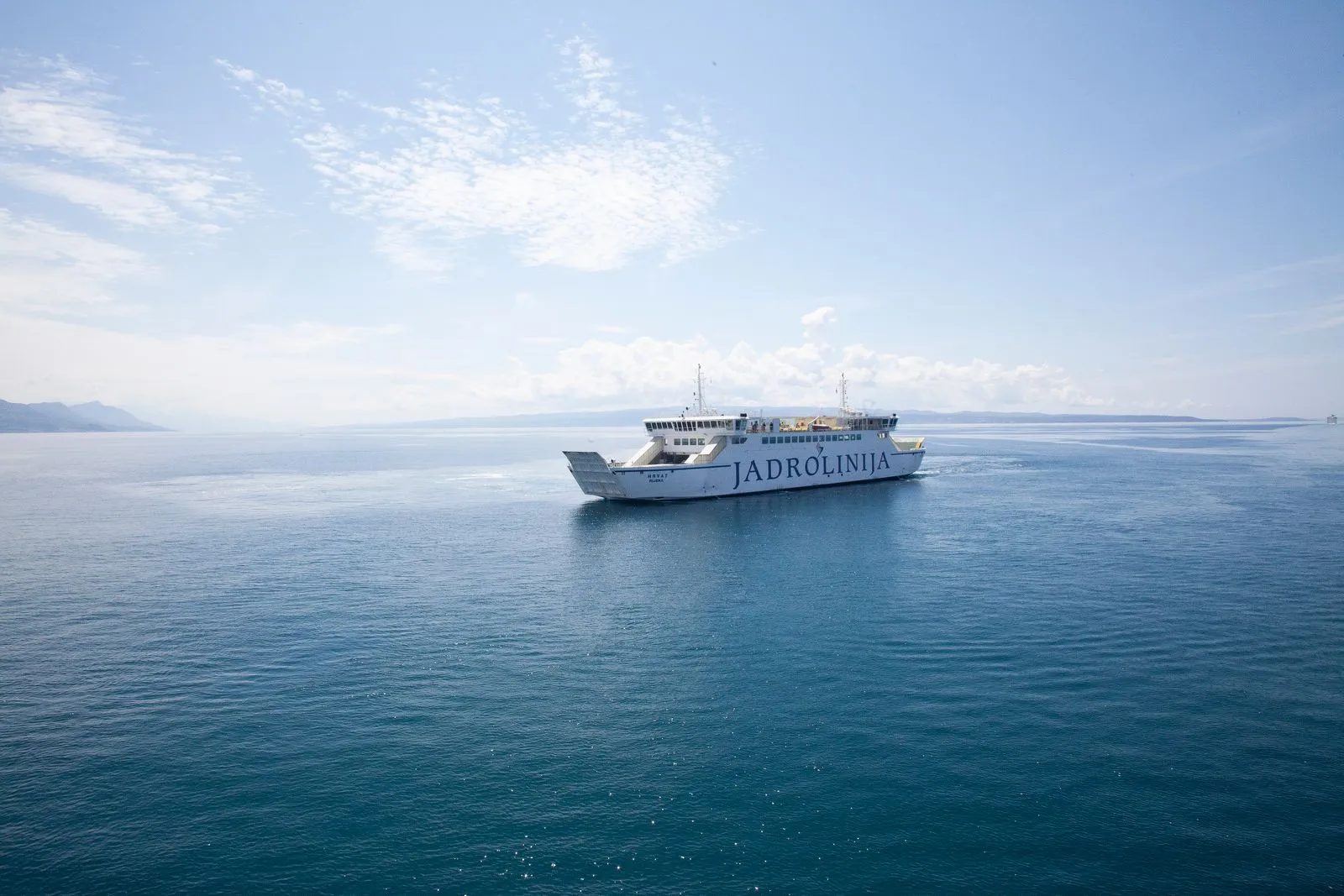
Jadrolinija (state ferry company) and Krilo/Kapetan Luka (fast catamarans) connect the coast and islands. Split is the main hub. Book catamarans online in summer. Walk-on passengers rarely have issues on car ferries

🚘 Rental Cars

Essential for Istria and useful for the coast. Roads are good. Motorways (autoceste) connect Zagreb to Split and Rijeka. Tolls apply. Parking in old towns is difficult and expensive. Not needed for island-hopping. From €25–50/day

🚆 Trains

Limited network. Zagreb–Split (6 hours) and Zagreb–Rijeka (4 hours) exist but buses are faster and more frequent. No coastal railway. Trains are mainly useful for Zagreb connections

🚶 Within Cities

Zagreb has trams and buses. Coastal cities are walkable. Taxis/Bolt/Uber work in larger cities. Water taxis between nearby islands (e.g., Split to Čiovo). Scooter rental popular on islands like Hvar and Vis

Catamaran booking. In July and August, catamaran seats from Split to Hvar, Korčula, and Dubrovnik sell out days in advance. Book online as soon as you know your dates. Jadrolinija car ferries are slower but rarely full for walk-on passengers. The Krilo Jet catamaran (Split–Hvar–Korčula–Dubrovnik) is the most useful single route for island-hopping south.

Key Routes & Prices

RouteTransportDurationPrice (approx.)
Zagreb → SplitBus5–6 hours€15–25
Zagreb → DubrovnikBus8–10 hours€25–40
Split → HvarCatamaran1 hour€12–20
Split → DubrovnikCatamaran4–5 hours€25–35
Split → VisCar ferry2.5 hours€8–12
Dubrovnik → MljetCatamaran1.5 hours€12–18
Zadar → KornatiDay trip boatFull day€50–80
Zagreb → PlitviceBus2–2.5 hours€10–15
🚌 Getting Around
Transportation Guide

Budget Breakdown

Budget and costs

Croatia is cheaper than Italy, France, or Greece but more expensive than its Balkan neighbours (Bosnia, Montenegro, Serbia). The coast is 30–50% pricier than the interior. Hvar and Dubrovnik in July/August are the most expensive. Zagreb, Zadar, and Istria outside of high season offer the best value.

CategoryBudget (€/day)Mid-Range (€/day)Comfort (€/day)
Accommodation€15–30 (hostel/private room)€60–120 (apartment/3-star hotel)€150–300 (boutique hotel)
Food€15–25 (bakeries, markets, cheap konobas)€30–50 (konobas, local restaurants)€60–100 (upscale restaurants)
Transport€5–15 (buses, slow ferries)€15–30 (catamarans, occasional taxi)€30–60 (rental car, fast catamarans)
Activities€5–15 (park entries, beaches)€15–40 (guided tours, national parks)€40–100 (diving, sailing, wine tours)
Total€40–85€120–240€280–560

Money-Saving Tips

🍞 Eat at bakeries

Croatian bakeries (pekara) sell burek (filled phyllo pastry), pizza slices, and pastries for €1–3. A solid breakfast or lunch for almost nothing. Every town has at least one

🏛 Book apartments

Apartments (sobe or apartmani) are cheaper than hotels and let you cook. Booking.com and Airbnb have extensive listings. A studio apartment in Split off-peak: €40–60/night
📅 Travel in shoulder season

May, June, September, and October are 30–50% cheaper than July/August with better weather for sightseeing. Many restaurants run lunch specials (marenda) at reduced prices

🌊 Use slow ferries

Jadrolinija car ferries are significantly cheaper than fast catamarans. Split–Hvar by car ferry: €6–8. By catamaran: €12–20. They take longer but you can sit on deck and enjoy the crossing

Tipping. Not expected but appreciated. Rounding up the bill or leaving 10% at a sit-down restaurant is standard. Nobody tips at cafes or bars. Service charges are sometimes included (check the bill). Cash tips preferred even if paying by card.
💰 Save Money
Travel Hacks

Practical Information

Practical travel information

💳 Money

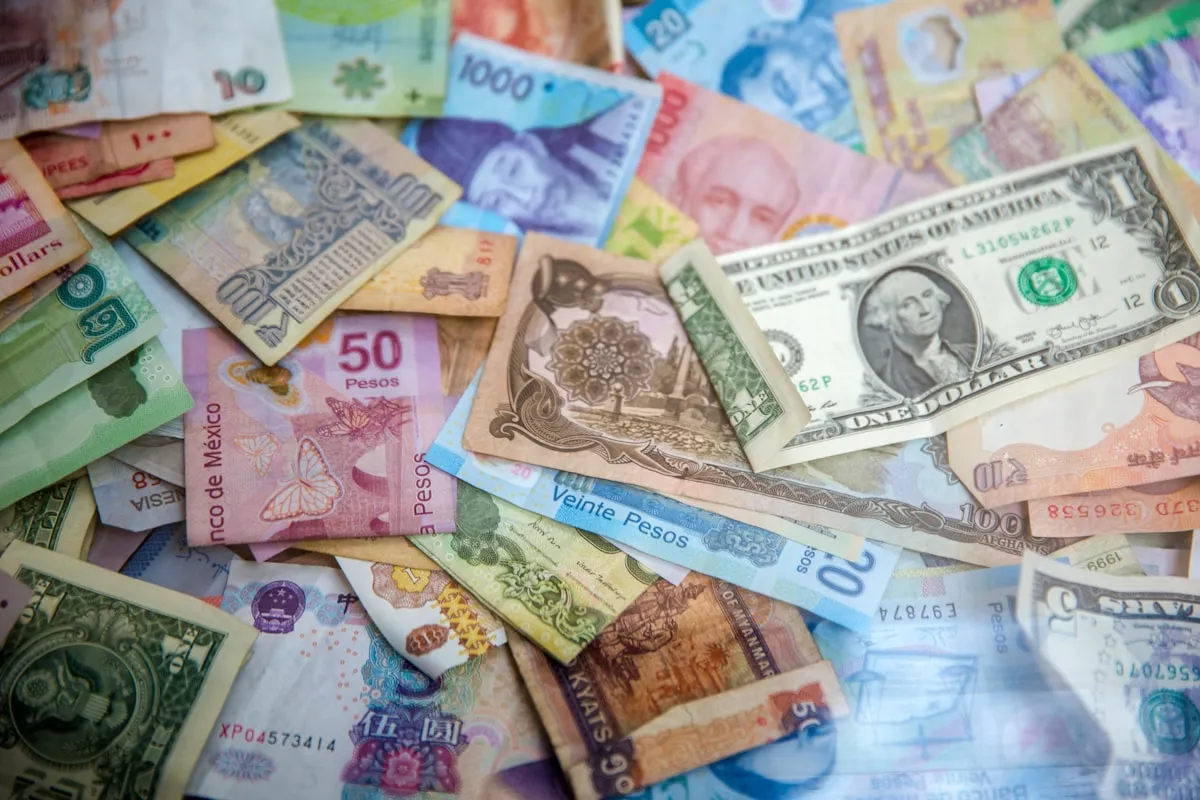
Euro (€) since January 2023. Cards widely accepted. Some small konobas and markets are cash-only. ATMs everywhere. No need to exchange currency if coming from the Eurozone

📡 SIM & Internet

EU roaming rules apply (no extra charges with EU SIM). Local SIMs from A1, T-Mobile, or Telemach at airports and Tisak kiosks. Free WiFi in most cafes and accommodation. 4G coverage good along the coast

🔑 Visa & Entry

Schengen zone since January 2023. EU/EEA citizens: ID card or passport. Most Western passport holders: 90 days visa-free in the Schengen area. ETIAS pre-authorisation expected for non-EU visitors

⚡ Power

230V, 50Hz. European Type C/F plugs (round two-pin). Same as Germany, France, Spain. UK/US travellers need an adapter

🏥 Healthcare

EU citizens: bring your EHIC/GHIC card for reciprocal healthcare. Pharmacies (ljekarna) are well-stocked. Private clinics in Split and Zagreb for non-emergency care. Travel insurance recommended for non-EU visitors

🚰 Safety

Very safe. Violent crime is rare. Petty theft (pickpocketing in crowded tourist spots) is the main risk. Dubrovnik and Split old towns in summer: watch your bag. Landmine warnings still exist in some remote border areas near Bosnia. Stay on marked paths

🌢 Weather Gear

Sun protection essential on the coast (UV is strong May–September). Light layers for evenings. The bura (cold northeast wind) can drop coastal temperatures suddenly, even in summer. Bring a windbreaker. Rain gear for spring/autumn
🔄 Language Tips

Croatian uses Latin script. English is widely spoken in tourism (especially younger generations on the coast). Italian in Istria. German in Zagreb. Learning “hvala” (thanks), “molim” (please), and “dobar dan” (good day) is appreciated

🏠 Plan Your Stay
Hostel Guide Health & Vaccines

Tips & Common Mistakes

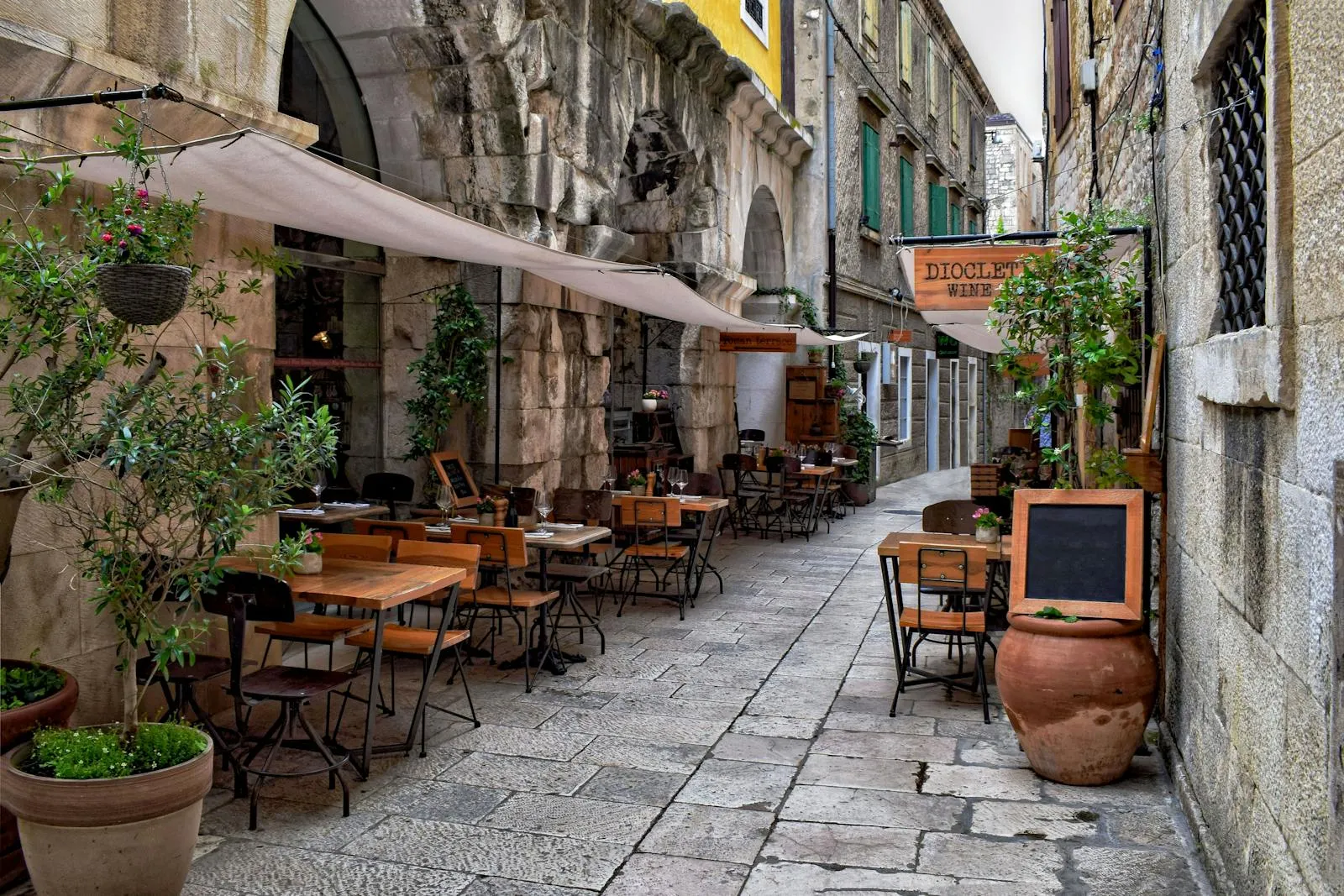
Traveller exploring a quiet Croatian old town alley

Mistakes that cost time, money, or enjoyment in Croatia. All avoidable with basic preparation.

  • Not booking Plitvice tickets in advance. In summer, timed-entry tickets sell out. You cannot buy walk-up tickets when they are gone. Book online the moment you know your date. Arrive at the 07:00 opening to beat the midday crush
  • Planning to swim at Krka. Swimming at Skradinski Buk has been banned since January 2021. Some guidebooks and websites still show swimming photos. Do not plan your trip around it
  • Visiting Dubrovnik when cruise ships are in. Cruise ships dock in the morning and passengers flood the old town between 10:00–16:00. Check the Dubrovnik port schedule online before your visit. Walk the walls at 08:00 opening and explore old town in the evening instead
  • Only doing the coast. Zagreb, Istria’s interior, and Plitvice are world-class. Skipping inland Croatia means missing truffles, continental food culture, Habsburg architecture, and some of the best national parks
  • Not booking catamarans early in summer. Krilo and Jadrolinija catamaran seats from Split to Hvar, Vis, and Dubrovnik sell out in July/August. Book 2–3 days ahead minimum. Car ferries are a slower backup that rarely sell out for walk-on passengers
  • Driving to Dubrovnik without checking the Pelješac Bridge. The Pelješac Bridge (opened 2022) lets you bypass the Neum corridor (Bosnian territory) and avoid border checks. Use it. Some GPS apps still route through Neum by default
  • Ignoring the bura wind. The bura is a cold, strong wind that blows from the northeast over the coastal mountains. It can shut down ferries, ground catamarans, and make beaches unpleasant. Check weather and ferry status before island trips
  • Expecting cheap Dubrovnik. Dubrovnik is Croatia’s most expensive city by a wide margin. Budget €100+/day for a basic stay in summer. Book accommodation well outside the old town walls (Lapad or Gruž) to save money. Restaurants inside the walls charge 50–100% more than side streets
  • Renting a car for the islands. You do not need a car on most islands. Hvar, Vis, Korčula, and Brač are better explored by scooter, bicycle, or foot. Taking a car on the ferry is expensive and parking is a nightmare. Rent a scooter on arrival instead
  • Not knowing about landmines. The 1990s war left some remote inland and border areas with unexploded mines. Affected areas are marked with red triangles and skull-and-crossbones signs. This is mainly relevant in rural Slavonia and near the Bosnian border. Stay on paved roads and marked trails. This is not an issue in tourist areas
⚠️ Stay Safe
Travel Warnings

Final Recommendation

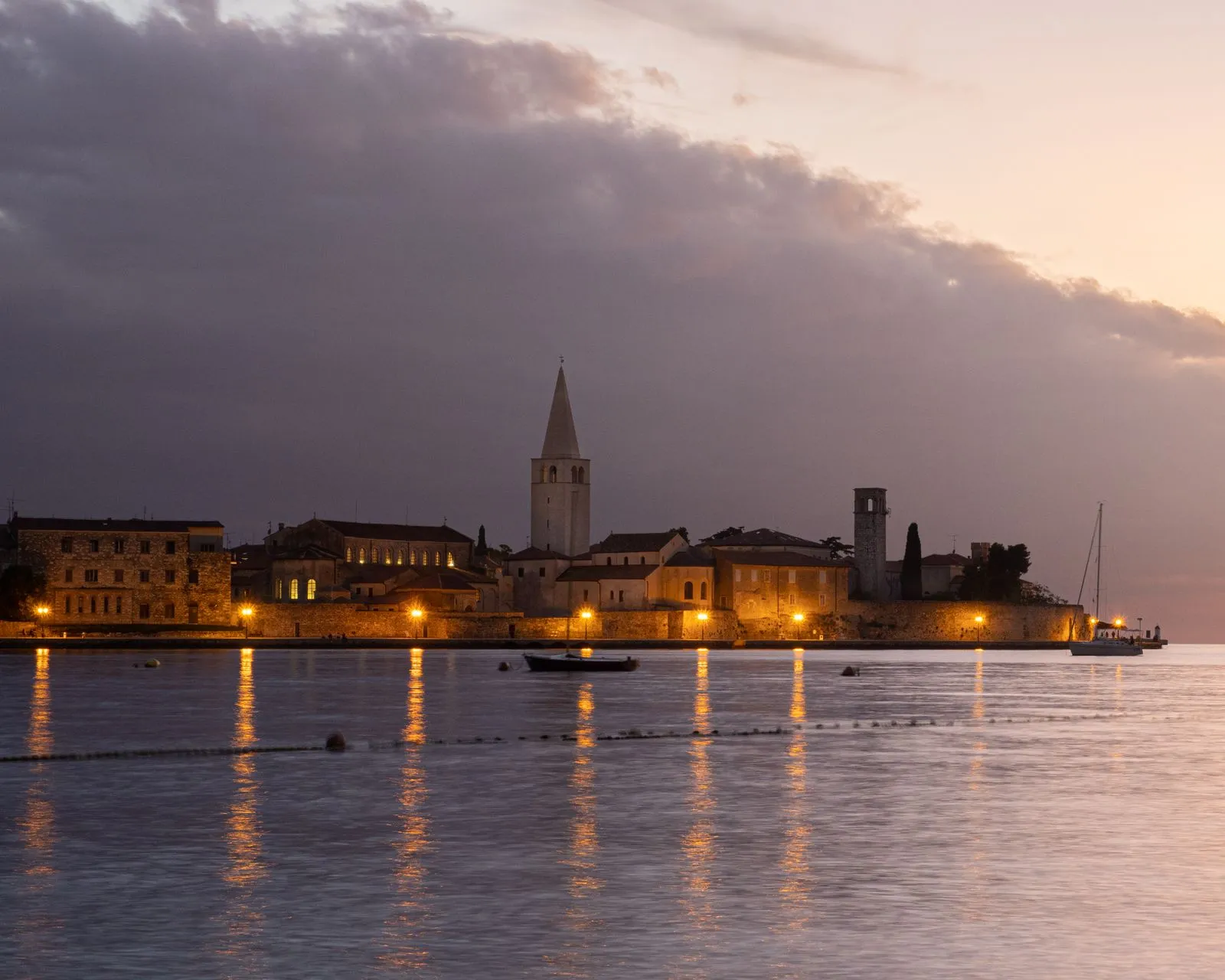
Warm sunset over Croatian coastal town with church spire silhouette

Croatia is the Mediterranean distilled into a small, manageable country. The coast delivers everything that people go to Italy or Greece for, but it is easier to navigate, less expensive, and still has stretches of genuine emptiness between the famous spots. The water is impossibly clear. The old towns are made from the same Adriatic limestone that glows gold at sunset. And the food is honest, seasonal, and served without pretension.

For a first visit, fly into Split and work south to Dubrovnik over ten days. Add Hvar and one quieter island (Vis or Korčula). Two weeks lets you include Zadar and Plitvice. Three weeks lets you add Istria, which is a different country in flavour, literally. That is the route where Croatia’s full range reveals itself.

Avoid July and August if you can. Not because the weather is bad, but because the crowds and prices undermine the experience. Late May, June, and September are the sweet spot. The water is warm, the days are long, and the konoba owners still have time to sit down and tell you about their grandmother’s peka recipe.

Book the first few nights and the first catamaran. Get Plitvice tickets if you are going. And then leave room for the unplanned. The hidden cove someone tells you about at the harbour. The konoba with no sign that turns out to have the best grilled fish you have ever eaten. The sunset from a random cliff that makes you put your phone down. Croatia rewards people who leave space in their itinerary.