Austria

Habsburg palaces, alpine peaks, coffeehouse culture, and 600 years of imperial memory

Europe Alpine & Imperial Music Capital Coffeehouse UNESCO

Overview & Why Visit Austria

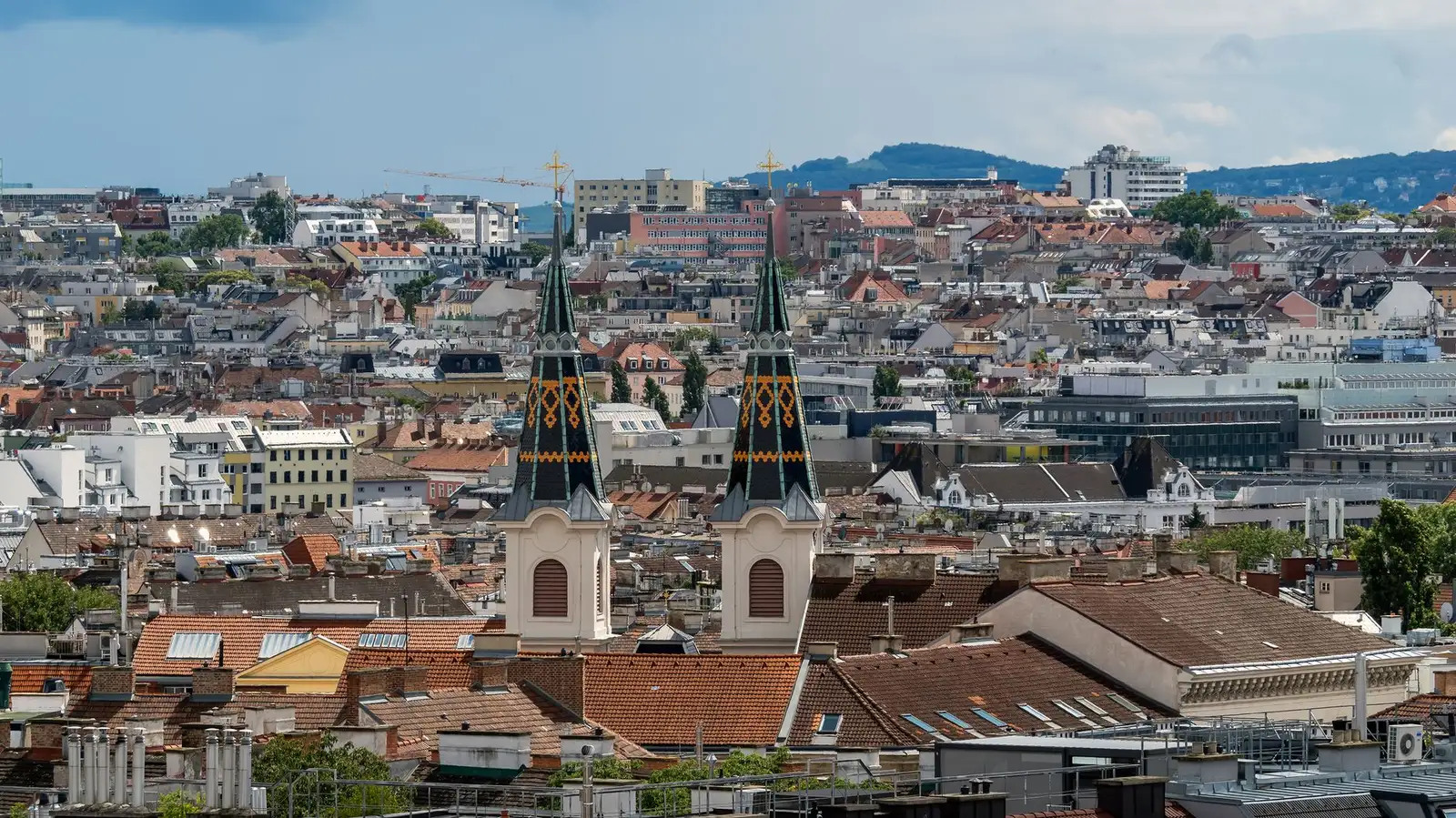
Panoramic view of Vienna with St. Stephen's Cathedral and the Habsburg skyline

📍 Austria is a small country carrying the weight of a large empire. 9.1 million people in 83,879 km², roughly 62% of it covered by Alps. 🎧 The Habsburgs ran Central Europe from Vienna for 600 years, which is why the capital has more palaces per capita than seems reasonable, why the Vienna Philharmonic plays like it owns music, and why you can spend four hours reading a newspaper in a coffeehouse and the waiter will only bring you a glass of water, unasked. 🏔 Beyond the imperial centre, Austria is alpine to its bones: Innsbruck, Salzburg, Hallstatt, the Grossglockner, ski resorts that invented the modern ski holiday, and a hiking culture that treats a 25-km ridge walk as a normal Sunday. It is also €30–40% cheaper than Switzerland while giving you 90% of the same Alps.

Travel Style

Austria is one of the easiest countries in Europe to travel independently. OeBB trains are punctual, comfortable, and reach every corner. English is widely spoken in cities and tourist areas. The Vienna City Card (EUR 21.90–29.90) covers public transport plus 200+ discounts. Sparschiene advance-purchase train tickets cut fares by 60-75% if booked 60 days out. Budget travellers manage on EUR 75/day. Mid-range comfort is around EUR 140/day.

Key Facts

Area: 83,879 km²
Currency: Euro (€)
Language: German (Austrian dialect; English widely spoken in cities)
Capital: Vienna (2M metro)
Population: ~9.1 million
Time zone: CET (UTC+1, CEST in summer)
Plugs: Type C/F (European standard, 230V)

Best For

Music lovers, palace enthusiasts, hikers, skiers, coffeehouse afternoons, opera on standing-room tickets, Christmas markets, and anyone who wants Alps at 60% of the Swiss price. Austria is also an outstanding Central Europe hub: Vienna to Budapest is 2 h 15 min, Vienna to Prague 4 h, Salzburg to Munich 1 h 30 min.

Not Ideal For

Beach seekers (landlocked), late-night party hunters outside a few clubs in Vienna, and those looking for cheap tropical adventures. Sundays mean shops closed almost everywhere. Alpine weather changes fast and rain is possible in every summer month. If you dislike formality (title-conscious "Herr Doktor" etiquette), start with Vienna and expect gentle amusement.

Map of Austria

Illustrated map of Austria showing federal states, major cities, alpine regions, rivers, lakes and famous sights
Reading the map: Red dots mark major cities, the red ring marks Vienna (federal capital). Gold diamonds highlight key sights. Blue polylines and ellipses show the main rivers and lakes. Region names in italic capitals show the nine federal states. Austria stretches roughly 570 km east–west but only 280 km at its widest north–south. Vienna sits in the east, the Alps dominate the west and centre, and the Danube runs across the top.

Best Time to Visit

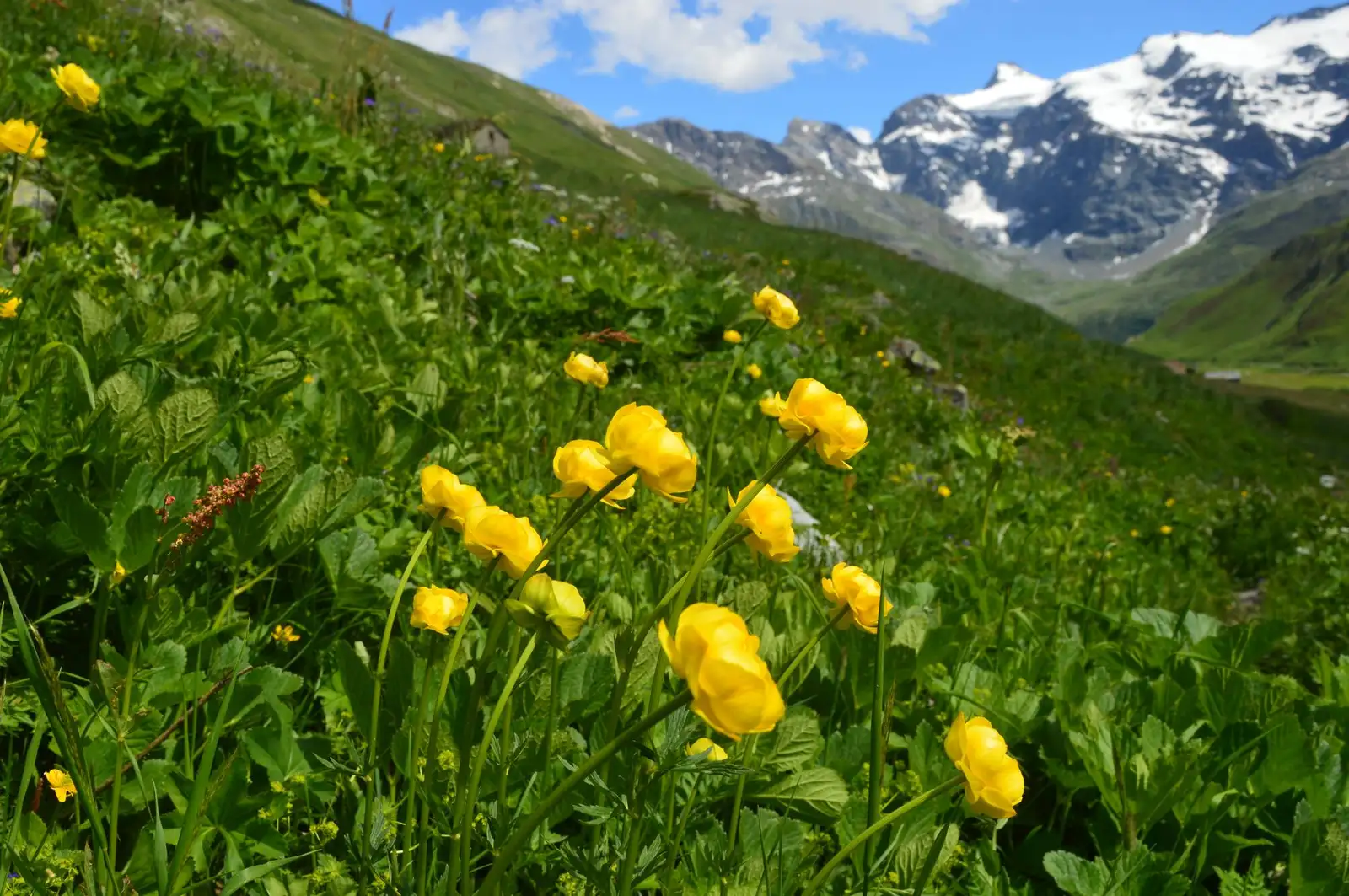
Alpine meadow full of wildflowers with the Austrian Alps in the distance

🌡 Austria has a continental climate that swings hard between seasons. ☀ Vienna at 400 m gets to 30°C in July and below zero in January. The Alps do their own thing entirely: at 2,000 m it can be snowing in June. 🎗 The best months for hiking, lakes, and city terraces are May through September. December is the Christmas market and ski-season sweet spot. April and October are quiet and cheaper if you can tolerate variable weather.

Month-by-Month Overview

MonthSeasonBest ForCrowdsPricesRating
JanuaryDeep winterSki season peak, Vienna Ball Season🔴 High (resorts)🔴 High (resorts)⭐⭐⭐
FebruaryWinterFasching carnival, skiing, ball peak🔴 High🔴 High⭐⭐⭐
MarchLate winterSpring skiing at altitude, early cherry blossoms🟡 Moderate🟡 Moderate⭐⭐⭐
AprilEarly springCherry blossoms, quieter Vienna🟢 Low🟢 Low⭐⭐⭐
MayLate springVienna terraces open, Wiener Festwochen, hikes accessible🟡 Moderate🟡 Moderate⭐⭐⭐⭐
JuneEarly summerBest hiking, Donauinselfest, long days🟡 Moderate🔴 High⭐⭐⭐⭐⭐
JulySummerSalzburg Festival opens, Wachau apricots, lake swimming🔴 High🔴 High⭐⭐⭐⭐⭐
AugustHigh summerSalzburg Festival, Bregenz opera, warm alpine lakes🔴 High🔴 High⭐⭐⭐⭐⭐
SeptemberEarly autumnWine harvest, Almabtrieb, golden light🟡 Moderate🟡 Moderate⭐⭐⭐⭐⭐
OctoberAutumnGolden larches, National Day, autumn colours🟢 Low🟡 Moderate⭐⭐⭐⭐
NovemberLate autumnAdvent markets from mid-Nov. Grey elsewhere🟢 Low🟢 Low⭐⭐
DecemberEarly winterChristmas markets peak, ski season opens, Silvester🔴 High🔴 High⭐⭐⭐⭐
Sweet spot: Late May through mid-September for the classic combination of coffeehouse mornings, alpine afternoons, and lake evenings. September is quietly the best month: warm days, cooling evenings, wine harvest festivals, cows descending from the alpine pastures. December is the second sweet spot – Christmas markets in Vienna, Salzburg, and Innsbruck are magical, and the ski season is properly open by mid-month. Avoid November unless you specifically want silence and low prices.

Holidays & Festivals

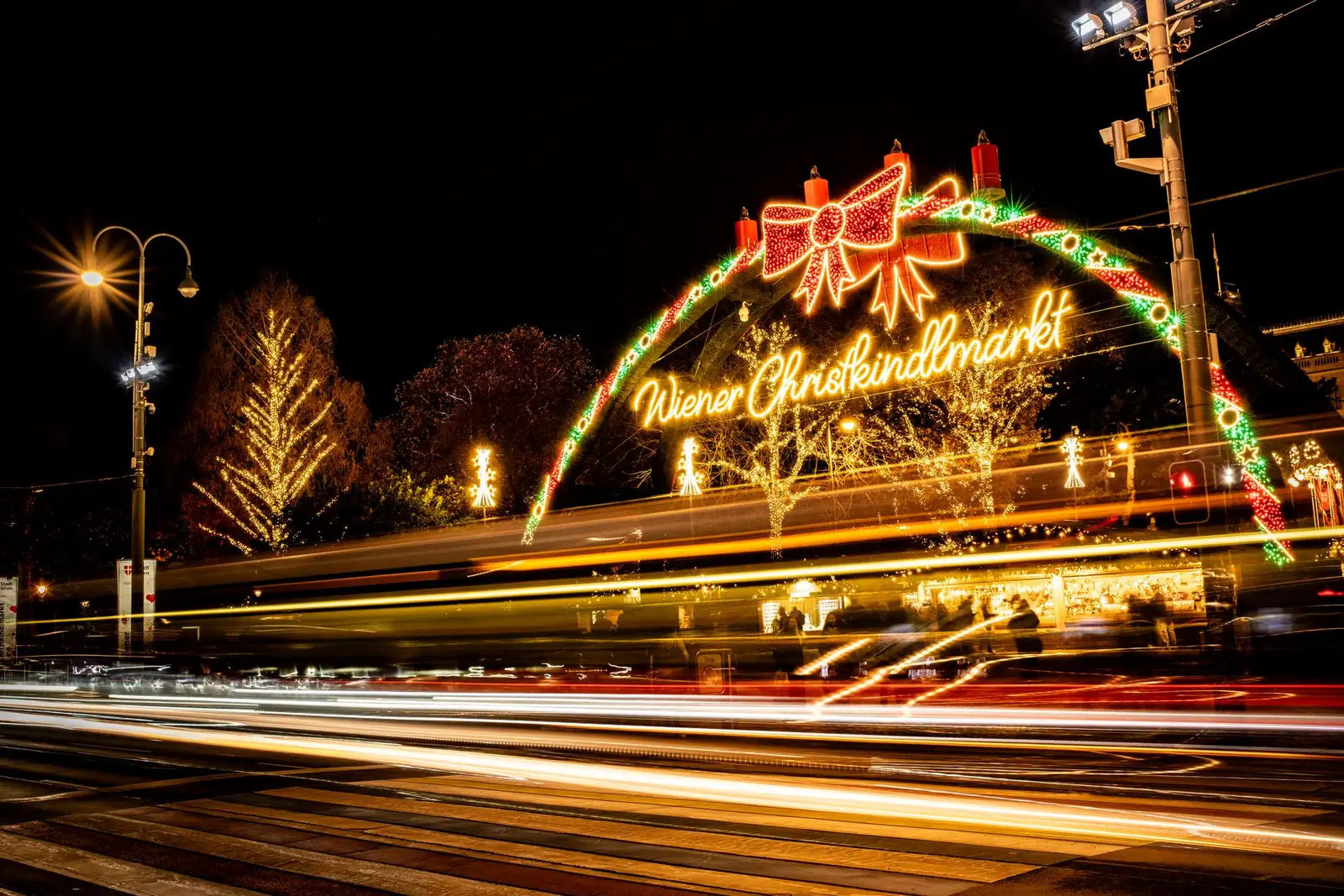
Vienna Christmas market with festive lights and mulled wine stalls

🎊 Austria observes 13 public holidays nationwide, more than most European countries, reflecting its Catholic heritage. 💡 The dates worth planning your trip around are the Salzburg Festival (July–August), Almabtrieb (September cattle descent), and the Christmas markets (late November through Christmas Eve). Vienna's Ball Season runs January–February and Krampuslauf on Dec 5 is genuinely frightening.

Holidays, Festivals & Events

DateEventWhereWhat to ExpectType
Jan 1New Year’s DayNationwideVienna New Year’s Concert broadcast worldwide from the Musikverein. Silvesterpfad street party the night beforeHoliday
Jan 6Epiphany (Heilige Drei Koenige)NationwideStar Singers (Sternsinger) go door-to-door for charity. Public holiday, shops closedHoliday
Jan-FebVienna Ball SeasonVienna450+ balls city-wide. Opernball (last Thu before Ash Wednesday) is the peak. Tickets from EUR 350. White-tie requiredMust See
Feb 17, 2026Faschingsdienstag (Shrove Tuesday)Villach, Woergl, nationwideCarnival parades, costumes, krapfen doughnuts. Biggest in VillachCultural
Apr 6, 2026Easter MondayNationwidePublic holiday. Easter markets in Vienna's Freyung and Am Hof squares run the week priorHoliday
May 1Labour Day (Staatsfeiertag)NationwidePublic holiday. Union march on Vienna's Ringstrasse. Shops closedHoliday
May-Jun (5 weeks)Wiener FestwochenViennaTheatre, opera, contemporary art across the city. Free opening concert on RathausplatzMust See
Jun 4, 2026Corpus Christi (Fronleichnam)Nationwide, esp. TraunkirchenPublic holiday. Boat processions on Salzkammergut lakes are famousHoliday
Late Jun (3 days)DonauinselfestVienna3 million people, 600 acts on the Danube Island. Europe’s largest free open-air festivalMust See
Jul 18 – Aug 30, 2026Salzburg FestivalSalzburgWorld-class opera, theatre, orchestra. Tickets EUR 40–500. Book in JanuaryMust See
Jul-AugBregenz FestivalBregenz (Vorarlberg)Opera on the floating stage in Lake Constance. Spectacular sets. Tickets from EUR 40Must See
Aug 15Assumption Day (Maria Himmelfahrt)NationwidePublic holiday. Church processions, alpine services. Shops closedHoliday
Sep-OctAlmabtrieb (Cattle Descent)Reith im Alpbachtal (Tyrol), Grossarl (Salzburg)Cows return from summer pastures with flower crowns and giant bells. Farmer processions, folk music, cheese festivalsMust See
Sep-OctWachau Wine Harvest (Weinlese)Wachau, Vienna hillsHeurigers (wine taverns) open, hanging pine branches signal welcome. Sturm (young wine) available brieflyCultural
Oct 26National Day (Nationalfeiertag)NationwideFree entry to federal museums in Vienna. Army display on Heldenplatz. Commemorates 1955 declaration of neutralityHoliday
Nov 1All Saints’ Day (Allerheiligen)NationwidePublic holiday, cemetery visits, chrysanthemums. Shops closedHoliday
Dec 5KrampuslaufSalzburg, Tyrol, StyriaTerrifying costumed devils run through the streets with chains and sticks. Genuinely frightening. Do not touch the KrampusseMust See
Nov 15 – Dec 24Christmas Markets (Christkindlmaerkte)Vienna, Salzburg, InnsbruckGluehwein, roasted chestnuts, wooden crafts. Vienna Rathausplatz is the classic, Spittelberg the boutique, Schoenbrunn the palace oneMust See
Dec 8Immaculate ConceptionNationwidePublic holiday. One of the few Sundays that shops CAN open (many do) for Christmas shoppingHoliday
Dec 25-26Christmas & St Stephen’s DayNationwideTwo public holidays. Everything closed Dec 25. St Stephen’s Day is a family visiting dayHoliday
Sunday closures & the 13 holidays: Austria has more public holidays than most European countries and shops close on all of them. Sundays too. Restaurants often stay open, and train-station shops (BILLA at the Hauptbahnhof, Spar Express) open seven days. Plan groceries around Saturday afternoon. Museums are usually open on Sundays and holidays but closed one weekday, typically Monday.

Regions

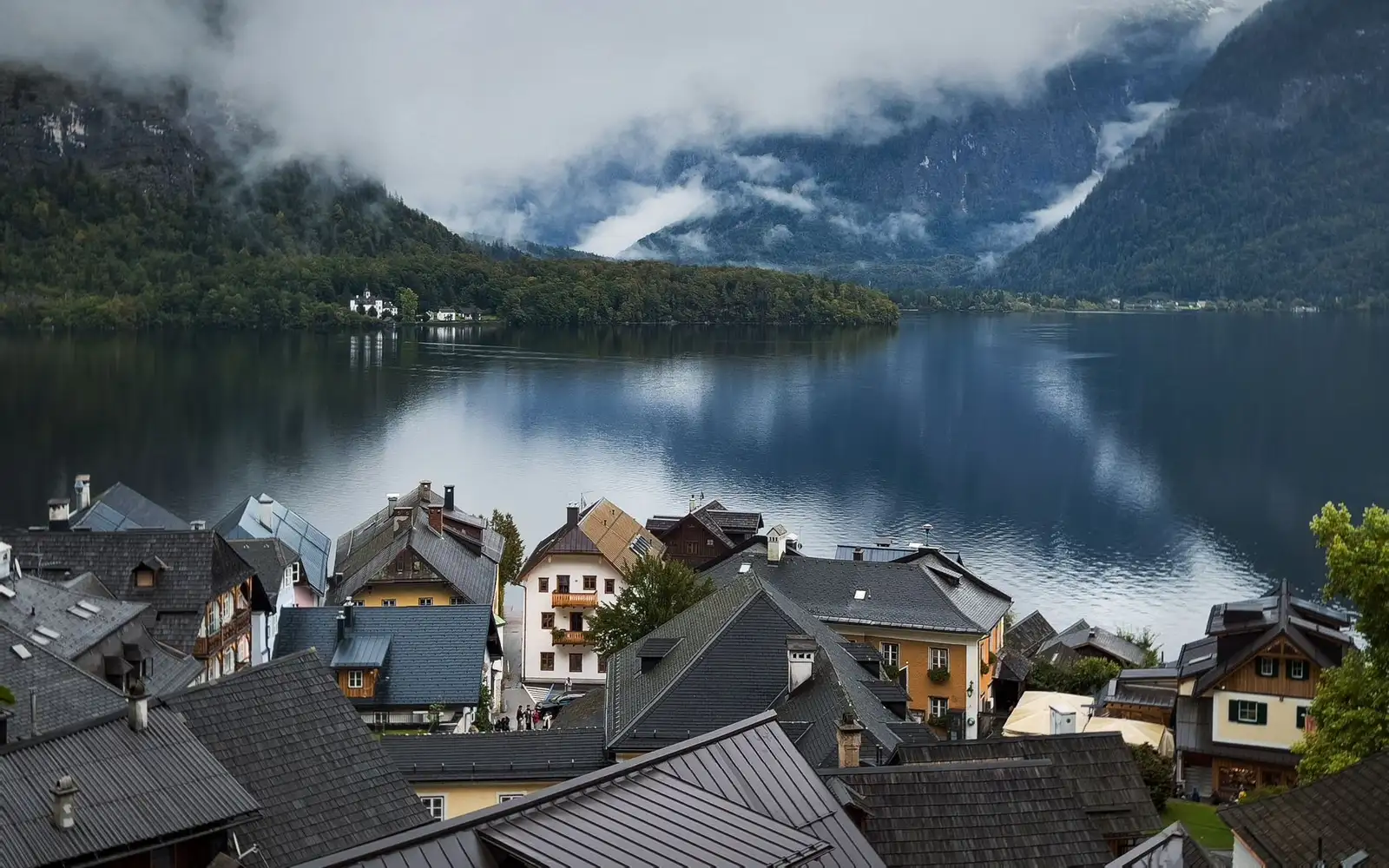
Hallstatt village on its alpine lake with mountains rising behind

🏔 Austria has 9 federal states (Bundeslaender), each with its own character, its own dialect, and often its own resentments toward Vienna. 💡 Most first-time visitors do Vienna, Salzburg, Innsbruck, and Hallstatt. That covers the greatest hits but skips Styria, Carinthia, Burgenland, and Vorarlberg entirely. If you have three weeks, add at least one of them. Graz alone is worth the detour.

Vienna

🏙 Vienna (Wien)

Federal capital and its own state. 2 million people. Habsburg palaces (Schoenbrunn, Belvedere, Hofburg), Vienna State Opera, Musikverein, Ringstrasse boulevard, UNESCO coffeehouse culture, Naschmarkt food market, Prater amusement park with the Riesenrad ferris wheel. 24 districts, each with a distinct feel. The imperial city in freeze-frame.

Lower Austria

🏷 Lower Austria (Niederoesterreich)

Wachau Valley, Melk Abbey, Duernstein, Semmering. Surrounds Vienna. The Wachau (UNESCO) has Danube vineyards, apricot orchards, and Melk Abbey. Duernstein castle held Richard the Lionheart for ransom in 1192. Semmering Railway (UNESCO) was the first mountain railway in the world.

Upper Austria

🏙 Upper Austria (Oberoesterreich)

Linz, Hallstatt, Salzkammergut lakes. Linz is the culture capital with the Bruckner concert hall. Hallstatt is the postcard alpine village (UNESCO, oldest salt mine in the world). The Salzkammergut lake district around Wolfgangsee, Mondsee, and Attersee is a summer paradise.

Salzburg

🎤 Salzburg

Salzburg city, Hohe Tauern, Grossglockner. Mozart’s birthplace. UNESCO Old Town under the Hohensalzburg Fortress. Salzburg Festival (July–August) is one of Europe’s finest cultural events. Hohe Tauern National Park (Austria’s largest) contains the Grossglockner (3,798 m) and Krimml Waterfalls (380 m).

Tyrol

🏟 Tyrol (Tirol)

Innsbruck, Kitzbuehel, St. Anton, Zillertal. The heart of alpine Austria. Innsbruck hosted two Winter Olympics and has a cable car from the city centre to a 2,300 m ridge in 20 minutes. Kitzbuehel is the glamorous ski resort of the Hahnenkamm downhill. St. Anton for off-piste. Zillertal for family skiing.

Vorarlberg

🏕 Vorarlberg

Bregenz, Montafon, Arlberg. The westernmost state, bordering Switzerland and Liechtenstein. Bregenz stages opera on a floating stage in Lake Constance every July–August. Arlberg ski region straddles the Tyrol border. Remote alpine hut culture. Feels more Swiss than Austrian.

Styria

🌿 Styria (Steiermark)

Graz, Southern Styrian Wine Road, Dachstein. Graz has a UNESCO Old Town, a hilltop clock tower, and the Kunsthaus (the alien-blob museum). The Southern Styrian Wine Road is Austria’s Tuscany, complete with wooden wind rattles in the vineyards. Pumpkin seed oil comes from here.

Carinthia

🌴 Carinthia (Kaernten)

Klagenfurt, Woerthersee, Grossglockner Road. Sunniest state, closest to Italian influence in language and food. Woerthersee is the warmest alpine lake (26°C in summer). Klagenfurt hosts jazz festivals on the lakeshore. The Grossglockner High Alpine Road crosses in from Salzburg.

Burgenland

🍷 Burgenland

Eisenstadt, Neusiedler See. Easternmost, flattest state, on the Hungarian border. Neusiedler See is a UNESCO steppe lake with 350+ bird species. Esterhazy Palace at Eisenstadt is where Haydn worked for 30 years. Wine country. Roman ruins at Carnuntum nearby.

Beyond the Vienna-Salzburg corridor: Most visitors trace an east-to-west line from Vienna through Salzburg to Innsbruck and call it Austria. The country is bigger than that. Styria and Burgenland give you wine and food traditions the alpine states don’t. Carinthia gives you warm lake swimming below 3,000 m peaks. Vorarlberg gives you Alps that feel like Switzerland at half the price. If you have three weeks, pick one of these and stay two nights.

Top Sightseeing

Schoenbrunn Palace and its formal gardens on a summer afternoon

🎨 Austria has 10 UNESCO World Heritage Sites plus four Intangible Cultural Heritage entries (Viennese coffeehouse culture, Spanish Riding School, ball culture, falconry). 💡 If you plan to hit multiple Vienna museums, the Vienna Pass or Vienna City Card pays for itself quickly. Book Salzburg Festival tickets in January for July performances, and set an alarm for the Anne Frank House model of ticket release for the most in-demand shows.

Schoenbrunn Palace facade with formal gardens

🏰 Schoenbrunn Palace (Vienna)

Habsburg summer residence. 1,441 rooms, 40 open to visitors. Grand Tour EUR 34 (all 40 rooms), Imperial Tour EUR 26 (22 rooms). Gardens free. The world’s oldest zoo (1752) sits inside the grounds. Book online with a timed slot.

Vienna Hofburg imperial palace

🛡 Hofburg (Vienna)

The Habsburg winter palace, still the working office of the Austrian President. Imperial Apartments + Sisi Museum + Silver Collection combo EUR 21. Home to the Spanish Riding School (Lipizzaner horses, morning training EUR 15).

Belvedere Palace baroque facade

🎨 Belvedere (Vienna)

Baroque palace complex. Upper Belvedere houses Klimt’s The Kiss and Judith. EUR 17. Book online for morning slots to avoid selfie-stick crowds. Lower Belvedere has changing exhibitions.

St Stephens Cathedral tiled roof

🏯 St. Stephen’s Cathedral (Stephansdom)

Vienna’s Gothic heart. Distinctive glazed-tile roof. Free to enter the nave. South tower climb 343 steps EUR 6.50. Catacombs tour EUR 6 (hourly). The North tower has an elevator to the Pummerin bell (EUR 6).

Hallstatt village on its alpine lake

🏕 Hallstatt (Salzkammergut)

Alpine lake village of 800 residents. In July it gets 10,000 tourists a day. Salt mine tour EUR 40 (funicular + tour + slide). Boat across the lake, walk the shoreline. Go before 09:00 or after 17:00 to see it as it should be seen.

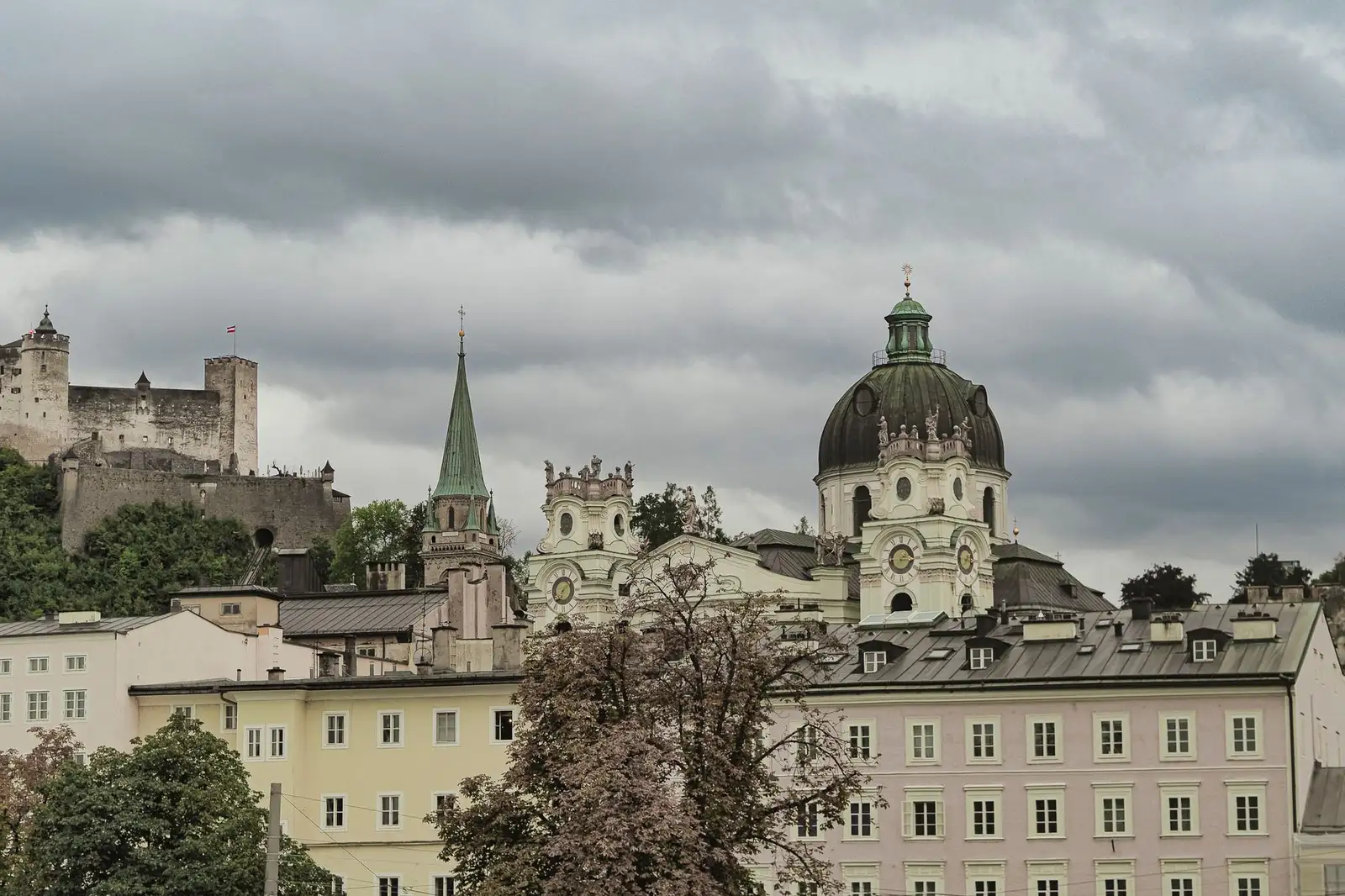
Salzburg Old Town with fortress above

🎺 Salzburg Old Town (UNESCO)

Mozart’s birthplace at Getreidegasse 9 (EUR 13.50). Hohensalzburg Fortress by funicular (EUR 16.90 return with entry). Mirabell Gardens (free, Sound of Music steps). Baroque cathedral. Best walked slowly with a coffee break in the middle.

Melk Abbey baroque facade on the Danube

📚 Melk Abbey (Wachau)

Baroque Benedictine monastery high above the Danube. EUR 15 with a guided tour of the library and marble hall. Combine with a boat trip Melk-Krems (3 h, EUR 30) to see the Wachau valley from the water.

Innsbruck Golden Roof balcony

🏆 Innsbruck & Golden Roof

The Goldenes Dachl (Golden Roof, 2,657 gilded copper tiles on Maximilian I’s palace balcony) is free from the street. From Congress station, the Nordkette funicular reaches 2,300 m in 20 minutes. Old Town walk, Ambras Castle, Alpine Zoo.

Grossglockner peak from the high alpine road

🗻 Grossglockner High Alpine Road

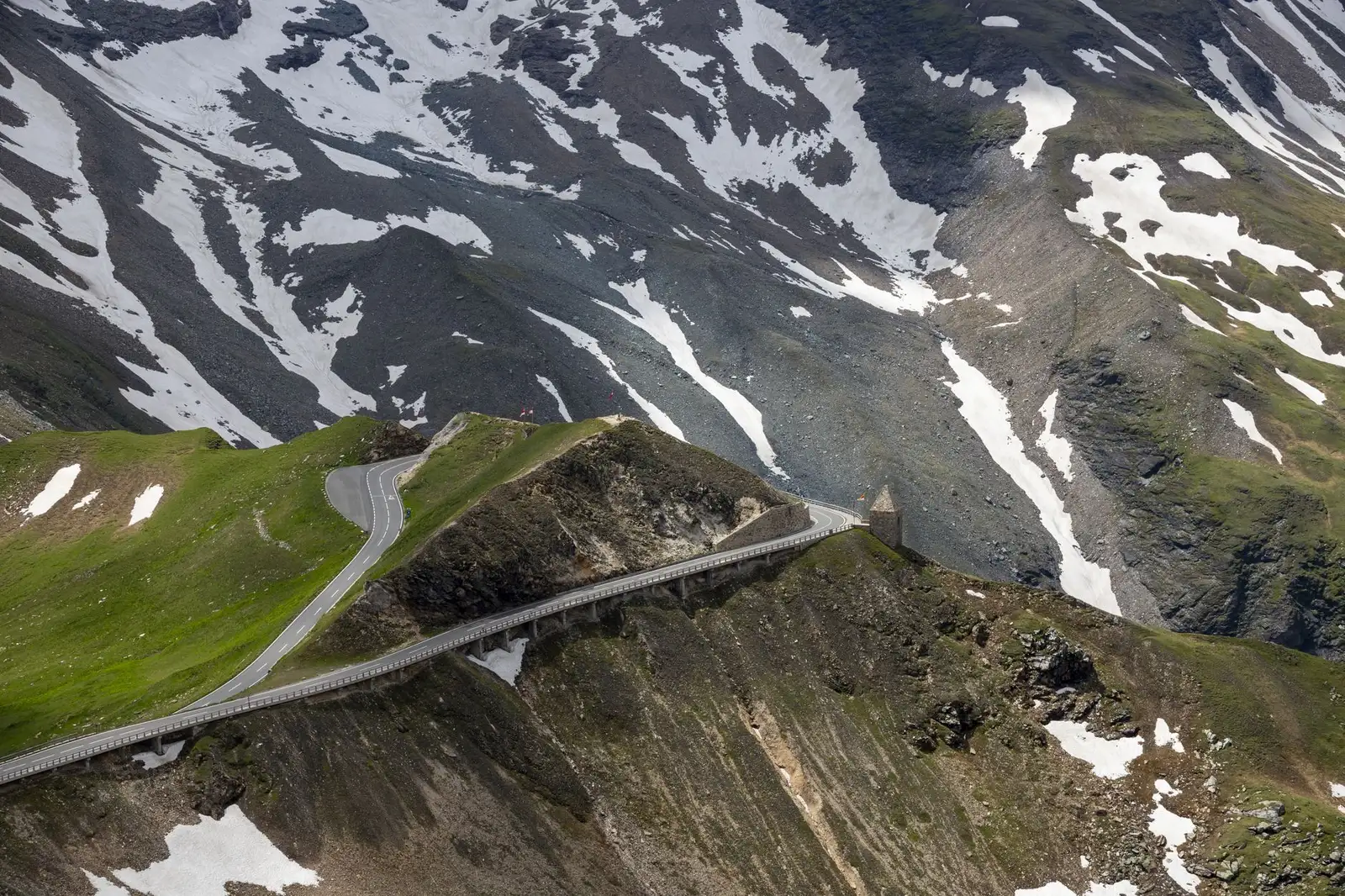
Scenic toll road, 48 km with 36 hairpin bends. EUR 42/day per car. Open May–October only. Franz-Josefs-Hoehe viewpoint of the Pasterze Glacier. Marmot spotting almost guaranteed. Do the drive slowly.

Graz UNESCO Old Town with clock tower

🏘 Graz Old Town (UNESCO)

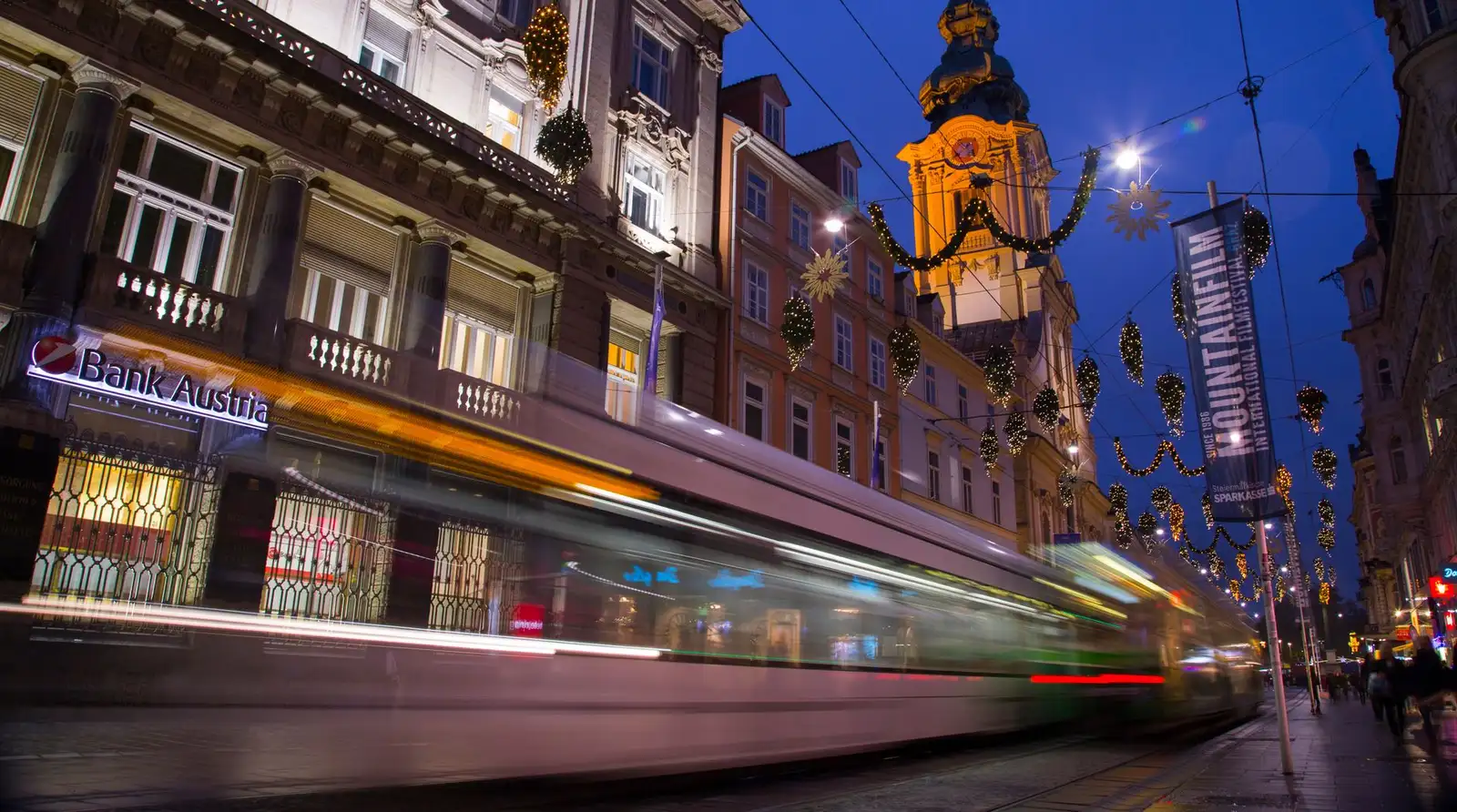
Austria’s second city. Schlossberg clock tower over the Old Town. Kunsthaus (the "friendly alien" biomorphic building) houses contemporary art. Landhaus courtyard with three tiers of Italian Renaissance arcades. Foodie scene rivals Vienna at half the price.

🏰️ Discover More
👉 UNESCO World Heritage → Explore humanity's most treasured landmarks

Culture & Cuisine

Vienna coffee house table with Melange coffee and Sachertorte

🍴 Austrian culture runs on Habsburg-era formality, coffeehouse afternoons that last four hours, and the unshakeable conviction that Austria did classical music better than everyone else. 💡 The food gets unfairly reduced to Wiener Schnitzel and Sachertorte, which sells short a country that also invented the strudel, Backhendl, Tafelspitz, Kaiserschmarrn, and a Heuriger culture that has been serving new-vintage wine from farm cellars for centuries.

Social Norms

A few Austrian conventions catch visitors off guard. All of them are gentle if you know what to expect.

  • Formality. "Sie" (formal you) is standard when meeting anyone new. First names come only after being explicitly invited. Titles matter: address academics as "Herr Doktor" or "Frau Magister." This is more Austrian than German. Even at university, professors are "Herr Professor." Younger urban Austrians drop this faster than their parents ever did.
  • Greetings. "Gruess Gott" (formal, literally "God greet you") is the everyday greeting almost everywhere outside Vienna. Vienna uses "Gruess Gott" and "Hallo" and "Guten Tag" interchangeably. "Servus" is informal, used with friends.
  • Coffeehouse rules. You can nurse a single Melange for four hours reading the newspaper. That is the point. The waiter (never rushed) brings a fresh glass of water every 30 minutes, unasked. Tip 5–10% on the way out. Do not sit at a table where a stranger is reading unless invited.
  • Understatement. Praise is often ironic ("nicht schlecht" – "not bad" – is high praise). Austrians are less blunt than Germans and more formal than Italians. Complaints (das Raunzen) are a national art form.
  • Cultural literacy. Educated Austrians assume you know the difference between Mahler and Bruckner, and can tell a Kaffeehaus from a Cafeteria. Do not fake it. Ask instead.
  • Punctuality. Not Swiss-strict but close. 5 minutes late is late. Trains run on time.

Food & Drink

Wiener Schnitzel with lemon and parsley potatoes

🍸 Wiener Schnitzel

Thinly hammered veal, breaded, pan-fried in butter. By law, "Wiener Schnitzel" must be veal (schnitzel from other meats is Schnitzel Wiener Art). Served with lemon, parsley potatoes, lingonberry jam. EUR 20–30 for a proper one at Figlmueller or any Beisl. Skip the tourist places serving pork under the same name.

Tafelspitz boiled beef in broth with horseradish

🍲 Tafelspitz

Boiled beef in beef broth, served with rosti, apple-horseradish sauce, and chive sauce. Franz Joseph’s daily lunch. Plachutta is the temple in Vienna. EUR 25–35 for the proper multi-course serving.

Kaesekrainer sausage at a Vienna wurstelstand

🔥 Kaesekrainer

Sausage stuffed with cheese, grilled, split open at a Wuerstelstand (sausage stand). Served with mustard, curry ketchup, and a slice of dark bread. The 3 AM tram-stop food that keeps Vienna functional. EUR 5–7.

Kaesespaetzle Alpine cheese noodles with crispy fried onions

🍝 Kaesespaetzle

Egg noodles baked with grated Bergkaese cheese and crispy fried onions. Tyrolean comfort food, best on a ski afternoon. EUR 12–18 at a mountain hut.

Slice of Sachertorte with dark chocolate glaze and whipped cream

🍰 Sachertorte

Chocolate cake with apricot jam under a dark chocolate glaze. Hotel Sacher owns the trademark; Demel does the rival version. Both good, both EUR 8–10 per slice. Always served with unsweetened schlagobers (whipped cream).

Apfelstrudel with icing sugar and vanilla sauce

🍏 Apfelstrudel & Kaiserschmarrn

Apfelstrudel: paper-thin dough wrapped around cinnamon apples and raisins, served warm with vanilla sauce. Kaiserschmarrn: shredded, caramelised fluffy pancake with raisins and plum sauce. Both EUR 6–10 at any decent Kaffeehaus. Cafe Central and Demel are Vienna classics.

Gruener Veltliner white wine and vineyard

🍷 Wine & Heuriger

Gruener Veltliner (crisp white, national grape), Riesling (Wachau), Blaufraenkisch (red, Burgenland), Zweigelt (red, ubiquitous). Ask for a Viertel (250 ml glass). Heurigers are farm wine taverns in the vineyard hills around Vienna – Grinzing, Neustift am Walde. Hanging pine branches signal an open cellar.

Melange coffee with foam art on a Viennese cafe table

☕ Kaffeehaus Culture

UNESCO Intangible Heritage. Order Melange (espresso + steamed milk + foam), Kleiner Brauner (espresso + cream), Einspaenner (espresso + whipped cream in a glass), or Fiaker (Einspaenner with rum). Cafe Central for the atmosphere, Cafe Sperl for the Melange, Cafe Hawelka for the Buchteln at 22:00.

Heuriger etiquette: A Heuriger is a farm wine tavern that serves the vintner’s own wine plus a cold buffet (bread, cheese, cold cuts, spreads). Pine branches hanging outside mean the cellar is open. Grinzing and Neustift am Walde (both reachable by tram from Vienna) are the classics. Cash preferred, live schrammelmusik (Vienna folk music) common. Sit anywhere, ask for a Viertel Gruener Veltliner, help yourself at the buffet.

Activities & Hikes

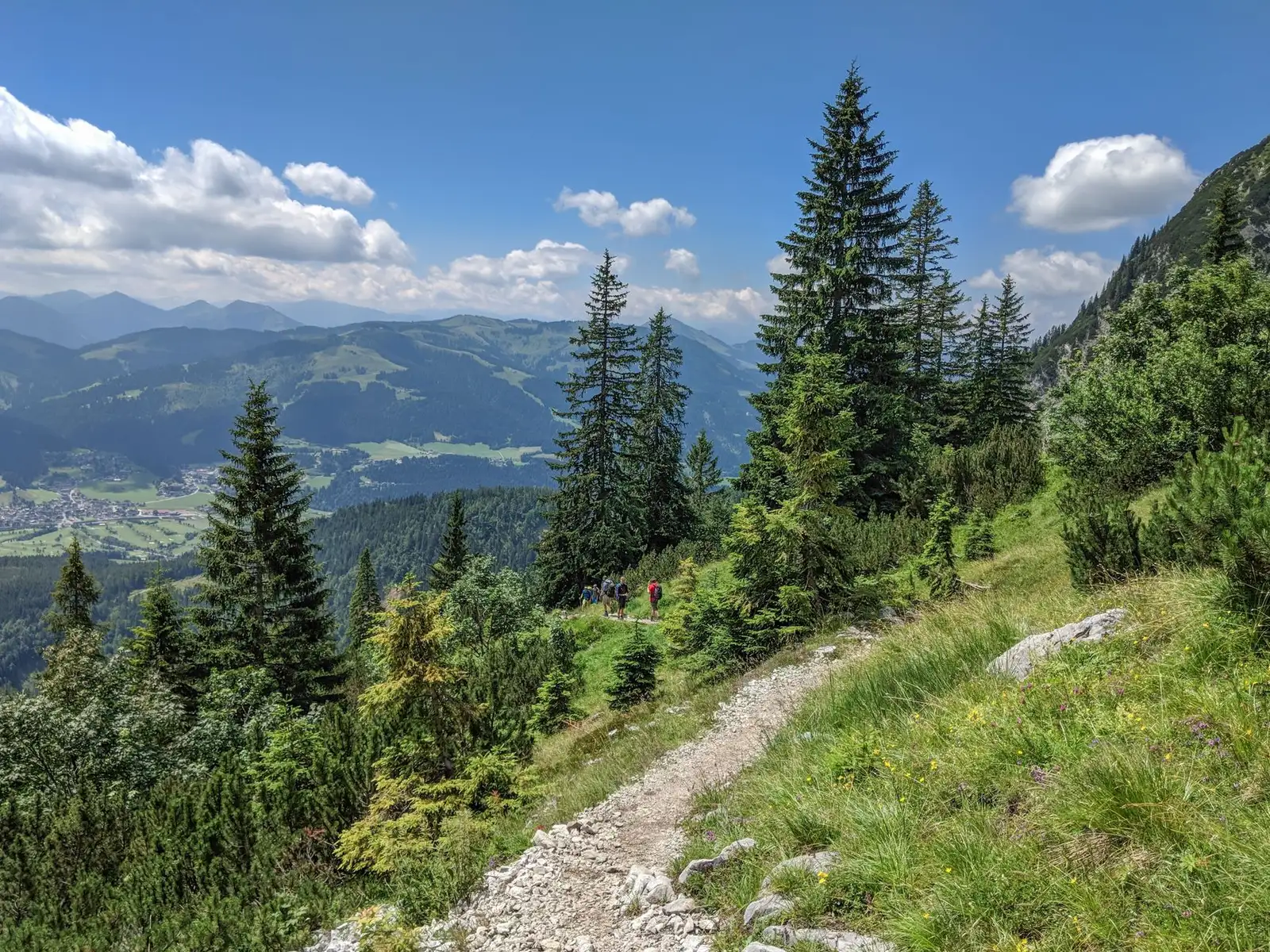
Hikers on an Austrian alpine trail with panoramic peaks behind

🚶 Austria has 50,000 km of marked hiking trails, 250+ ski resorts, and a national obsession with being outdoors. ✅ The Adlerweg (Eagle Walk) alone runs 33 stages across 413 km of Tyrol. In winter the country becomes one of Europe’s three great ski destinations. In summer the same infrastructure serves cyclists, hikers, and paragliders.

Signature Hikes

🚶 Nordkette Goetheweg (Innsbruck)

City-centre funicular + cable car to 2,300 m in 20 minutes, then a moderate 7-km ridge walk with views into the Karwendel wilderness. Return by the same cable car or descend on foot. Perfect first-day-in-town hike. Return cable-car EUR 43.

🚶 Adlerweg (Eagle Walk, Tyrol)

Signature Tyrolean long-distance trail: 33 stages, 413 km. Most people do sections of 3–7 days. Well-marked, hut-to-hut, moderate to challenging. Section around the Wilder Kaiser is a favourite. Alpine Association huts EUR 30–60 dorm.

🚶 Grossglockner Gamsgrubenweg

Panoramic trail at 2,450 m beside Austria’s highest peak and the Pasterze Glacier. 5 km, mostly flat, 2 hours. The Grossglockner High Alpine Road delivers you to the trailhead at Franz-Josefs-Hoehe. Toll EUR 42/day per car.

🚶 Five Fingers (Dachstein)

Cable car from Obertraun to 2,100 m, then walk to five viewing platforms jutting over a 400-m cliff. One has a glass floor. Hallstatt lake below, panoramic Alps around. Easy 4 km, 2 hours. Cable car EUR 39.

Winter Sports

🏟 St. Anton am Arlberg

Legendary off-piste, part of Ski Arlberg (305 km linked to Lech, Zuers, Stuben, Warth). Aggressive terrain, aggressive apres-ski. Day pass EUR 75–85 in peak season.

🏟 Kitzbuehel

Glamorous, historic. Home of the Hahnenkamm downhill in January (the most feared race on the World Cup circuit). 233 km of pistes. Family-friendly for intermediates. Day pass EUR 70–80.

🏟 Mayrhofen (Zillertal)

Freeride-friendly, home of the Harakiri run – Austria’s steepest at 78% gradient. Younger vibe than Kitzbuehel. Day pass EUR 65–75. Zillertaler Superskipass covers 4 areas (556 km).
Water & Adventure

🚤 Wachau Boat Trip

Danube boat Melk-Krems (3 h, EUR 30). The classic Wachau experience: UNESCO vineyards, apricot orchards, castle ruins, baroque abbeys. More scenic downstream. Combine with a bike rental at Krems for the return.

🌊 Lake Swimming

Woerthersee (Carinthia, warmest at 26°C), Wolfgangsee, Attersee (deepest), Mondsee (Sound of Music church), Traunsee. All clean enough to drink. Free lakeside beaches (Strandbaeder) charge EUR 4–8 for facilities.

🛸 Paragliding & Rafting

Zell am See and Werfenweng are tandem paragliding centres, EUR 130–180. Salzach river whitewater rafting from Salzburg (class II-III, EUR 65). Innsbruck also has multiple operators for both.

⛰ Explore More Hikes Worldwide
👉 Browse our Top Worldwide Hikes → collection with 400+ trails across 65 countries. Filter by difficulty, distance, and country.
🌄 More Things to Do
👉 Top Activities → Inspiration for adventures across every travel style
👉 Hiking Guide → Best trails worldwide, by difficulty, distance and country

Wildlife & Nature

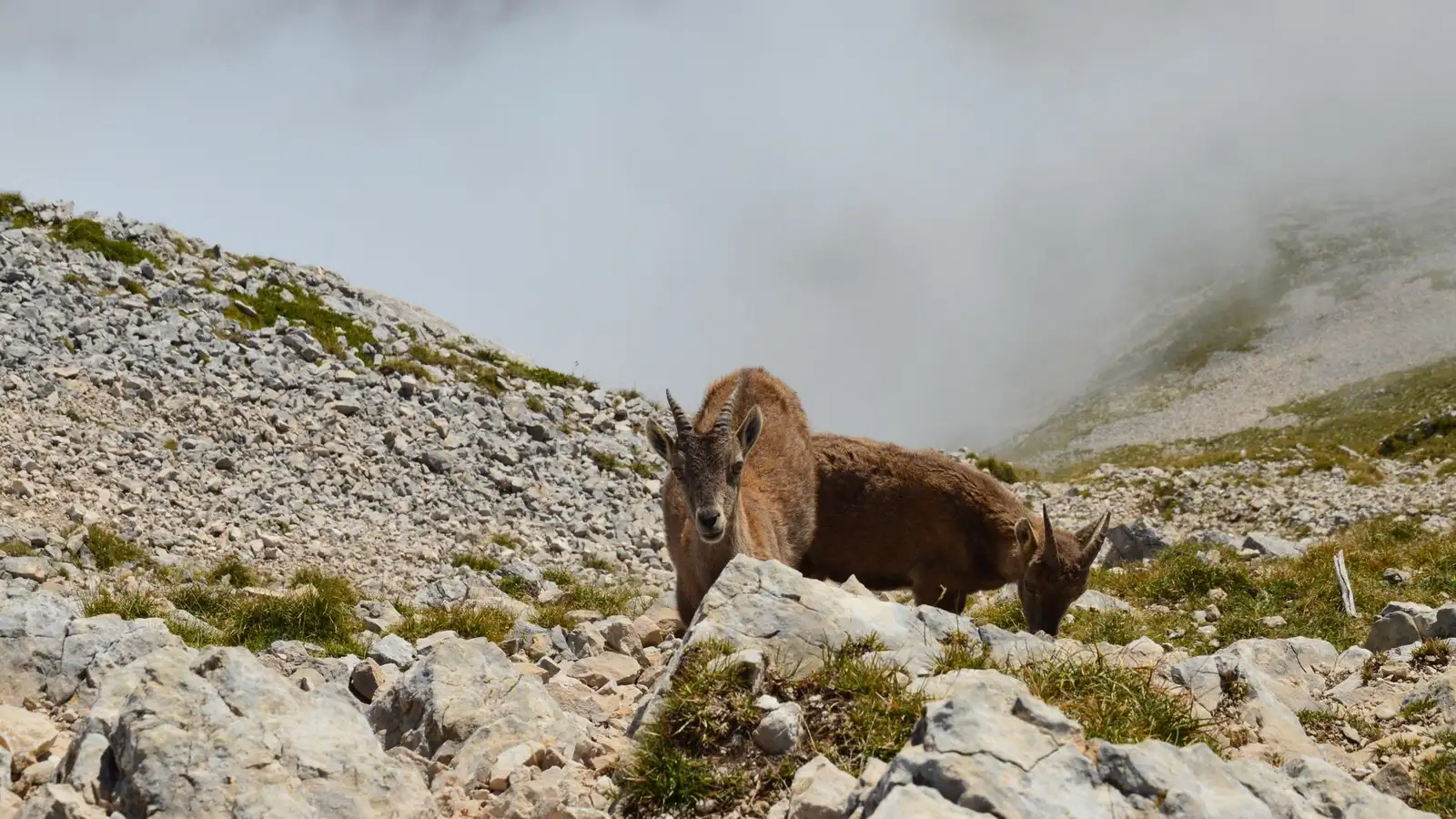
An ibex standing on an Austrian alpine ridge

🌲 Austria’s wildlife highlight is Hohe Tauern National Park, at 1,856 km² the largest protected area in the Alps. 🦅 Bearded vultures were reintroduced here in the 1980s and are now breeding. Ibex, chamois, marmots, and golden eagles are all reliable in season. Neusiedler See (UNESCO) on the Hungarian border is the migratory-bird capital, with 350+ species passing through.

Alpine ibex with large curved horns

🐒 Ibex (Steinbock)

Hohe Tauern population, Karwendel Alps, best from the Grossglockner area. Reintroduced from Swiss stock in the 20th century. Massive curved horns, calm around humans, incredible climbers on near-vertical rock.

Chamois on an Austrian mountain slope

🐓 Chamois (Gaemse)

Common above treeline throughout the Alps. Faster and more skittish than ibex. If it flees, it’s a chamois. Best sightings: Karwendel, Hohe Tauern, Dachstein early morning.

Alpine marmot standing upright in a meadow

🐹 Marmot (Murmeltier)

Ubiquitous above 1,800 m from June to September. Colonial burrows in alpine meadows. Listen for the sharp warning whistle before you see them. Grossglockner High Alpine Road stops guarantee sightings.

Golden eagle soaring above alpine peaks

🦅 Golden Eagle & Bearded Vulture

~350 breeding pairs of golden eagle throughout the Austrian Alps. Bearded vulture (Bartgeier, 2.8 m wingspan) reintroduced in Hohe Tauern in the 1980s, now breeding. Best sightings from ridge trails at dusk.

Neusiedler See wetlands with wading birds

🐦 Neusiedler See (Burgenland)

UNESCO steppe lake shared with Hungary. Salt pans, reed beds, 350+ bird species. Great white egret, spoonbill, avocet, black-winged stilt. Bike the reed-lined shoreline paths. Free entry to the national park.

Edelweiss and gentian on an alpine rock face

🌿 Alpine Flora

Edelweiss (protected, found above 1,700 m on limestone), gentian (deep blue trumpets used for schnapps), alpine rose (pink shrubs covering slopes in June), arnica (yellow daisies at 2,000 m).

Route A: Classic 2-Week Austria RECOMMENDED

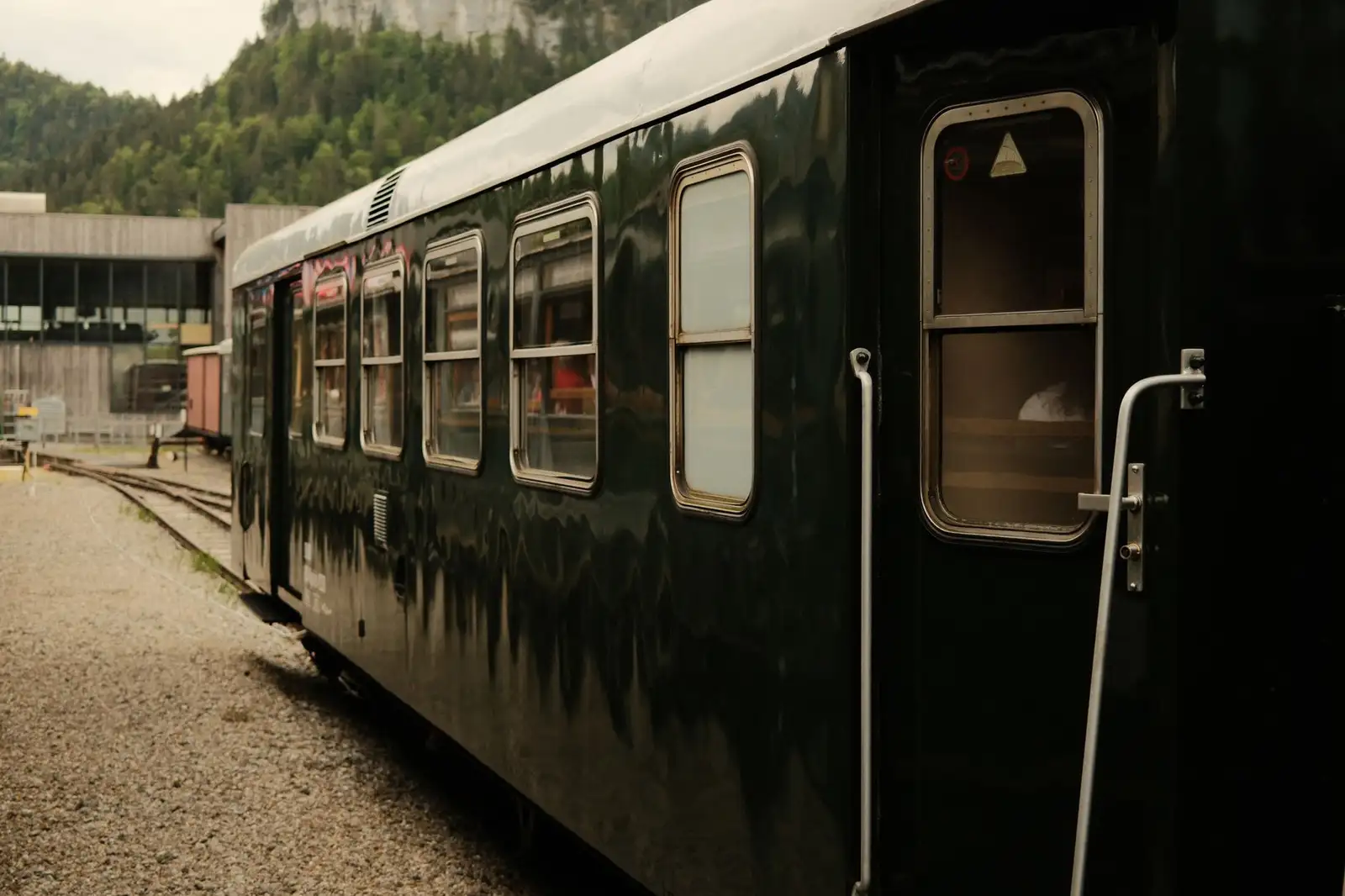
Austrian scenic train in the Alps with panorama coaches

The essential Austria trip. Covers Vienna, the Wachau, Salzburg, Hallstatt, Innsbruck, the Grossglockner, and Graz. All by public transport, hitting seven of nine federal states in fourteen days. Sparschiene tickets purchased 60 days out will keep total train spend around EUR 150. Works year-round, best May–October.

You will see roughly 75% of what Austria offers, weighted toward the greatest hits with enough breathing room for coffeehouse afternoons, a proper Wiener Schnitzel dinner, and one alpine hiking day.

Day-by-day itinerary (14 days)

Days 1–3: Vienna

Day 1: Arrive VIE. S7 train to city (16 min, EUR 4.30). Check in, walk the Ringstrasse. Coffee at Cafe Central. Sunset from the Riesenrad in the Prater. Evening dinner at a Beisl in Landstrasse.

Day 2: Hofburg complex (Imperial Apartments + Sisi Museum + Silver Collection). Lunch at Naschmarkt. Afternoon: Belvedere for Klimt’s The Kiss. Evening: standing-room opera at the Wiener Staatsoper (queue 80 min before curtain, EUR 15).

Day 3: Schoenbrunn Palace Grand Tour. Palace gardens and zoo. Evening: Heuriger in Grinzing (tram 38 to end of line). Live schrammelmusik, cold buffet, Gruener Veltliner by the Viertel.

Day 4: Wachau Valley Day Trip

Train Vienna Meidling to Melk (1 h). Tour Melk Abbey (EUR 15, book online). Wachau boat downstream Melk-Krems (3 h, EUR 30) through UNESCO vineyards. Walk up to Duernstein Castle ruin. Train Krems-Vienna (1 h 15 min). Evening: dinner near Stephansplatz.

Days 5–6: Salzburg

Day 5: Railjet Vienna Hbf to Salzburg Hbf (2 h 30 min, Sparschiene from EUR 19). Old Town walk, Getreidegasse, Mozart’s birthplace. Funicular to Hohensalzburg Fortress. Dinner in the Kaiviertel. Optional: Mozart concert at Mirabell (EUR 30–60).

Day 6: Mirabell Gardens (Sound of Music). Optional 4-hour Sound of Music tour (EUR 60) or Hellbrunn Palace with trick fountains. Afternoon coffee at Cafe Bazar. Evening: Augustiner Braustuebl for a stein of beer.

Days 7–8: Salzkammergut & Hallstatt

Day 7: Regional train Salzburg-Hallstatt via Attnang-Puchheim (3 h). Boat across the lake to the village. Walk the shoreline. Salt mine tour EUR 40. Sunset on the lake. Stay in Hallstatt or nearby Obertraun (cheaper).

Day 8: Cable car up to Krippenstein for the Five Fingers viewpoint (glass floor over a 400 m drop, EUR 39). Return via Bad Ischl for Kaiservilla (Emperor’s summer home) and lunch. Train onward to Innsbruck (4 h).

Days 9–10: Innsbruck & Tyrol

Day 9: Old Town walk, Golden Roof, Cathedral. Nordkette funicular from Congress station: 20 minutes from city centre to 2,300 m alpine ridge (EUR 43 return). Alpine zoo (highest in Europe) on the way up. Evening: Tirol Panorama museum.

Day 10: Day trip to Kitzbuehel or Zillertal valley. Cable car up, hike down. Or Swarovski Kristallwelten crystal museum (30 min, EUR 23) if raining. Return to Innsbruck evening.

Day 11: Grossglockner High Alpine Road

Rent a car for the day (EUR 60–80 + EUR 42 road toll). Drive the 48 km with 36 hairpin bends. Franz-Josefs-Hoehe viewpoint of Pasterze Glacier. Marmot spotting. Return late to Innsbruck or continue toward Graz. Road open May–October only.

Days 12–13: Graz & Southern Styria

Day 12: Train Innsbruck-Graz via Bruck an der Mur (5 h) or via Vienna (5.5 h). Graz UNESCO Old Town, Schlossberg clock tower, Kunsthaus, Landhaus courtyard. Southern Styrian dinner: pumpkin seed oil, Backhendl, Sturm if in season.

Day 13: Day trip to Southern Styrian Wine Road (Buschenschank cellars, klapotetz wind rattles, rolling vineyards). Or Schloss Eggenberg (UNESCO, on Graz’s edge). Evening: train Graz-Vienna (2 h 40 min).

Day 14: Return to Vienna & Depart

Morning: final coffee at Cafe Sperl or Cafe Central. Last Sachertorte at Hotel Sacher or Demel. S7 train from Wien Mitte to VIE airport (16 min).

Budget: OeBB Sparschiene tickets bought 60 days out can cut this trip’s train spend from EUR 300 to under EUR 150. Vienna 72-hour transport ticket EUR 17.10. Schoenbrunn + Belvedere + Hofburg combo around EUR 55. Salzburg Card 72 h EUR 46 (all fortress, boats, transport). Innsbruck Card 72 h EUR 71 (Nordkette + Swarovski + transport). Total attractions cost roughly EUR 250–300.

Route B: 3-Week Explorer

Grossglockner High Alpine Road with hairpin bends and mountain views

Everything in Route A plus deeper Wachau, Semmering Railway, Klagenfurt and Woerthersee, longer alpine time in the Zillertal, and Bregenz on Lake Constance. Three weeks lets you hit all nine federal states properly. Best done May–October when the Grossglockner Road and Bregenz Festival are open.

Day-by-day itinerary (21 days)

Days 1–4: Vienna & Wachau

Days 1-3 in Vienna as Route A. Day 4: Wachau overnight. Melk in the morning, boat down to Duernstein, stay in a Duernstein guesthouse. Sunset from the castle ruin over the Danube.

Day 5: Semmering Railway (UNESCO)

Take a regular OeBB service from Wien Meidling over the Semmering Pass to Muerzzuschlag (2 h). 41 km of viaducts and tunnels, the first mountain railway in the world (1854). Get off at Semmering for a walking loop with the Bahnwanderweg. Continue to Graz that evening.

Days 6–7: Graz & Southern Styria

As Route A Days 12-13.

Days 8–9: Klagenfurt & Woerthersee

Day 8: Train Graz-Klagenfurt (3 h). Lakeside promenade at Woerthersee. Warm water swimming (26°C in summer). Evening: Klagenfurt Old Town.

Day 9: Boat around Woerthersee, stop at Poertschach or Velden. Optional: Minimundus miniature world. Or day trip to Villach and the Slovenian border.

Day 10: Grossglockner Road

Rent a car in Klagenfurt. Drive the Grossglockner High Alpine Road from south to north (Heiligenblut to Bruck). Franz-Josefs-Hoehe, marmot walk, Alpine Nature Show Museum at the top of the pass. Overnight in Bruck or continue to Salzburg.

Days 11–12: Salzburg

As Route A Days 5-6. If in July/August, book a Salzburg Festival ticket in advance.

Days 13–14: Salzkammergut & Hallstatt

As Route A Days 7-8. Add a boat on Wolfgangsee (St. Gilgen to St. Wolfgang, EUR 12) and the Schafbergbahn cogwheel railway.

Days 15–16: Zillertal Valley

Day 15: Regional train to Mayrhofen via Jenbach. Cable cars, alpine hikes, Zillertal beer (a proper Austrian craft brewery scene).

Day 16: Zillertal high road (Zillertaler Hoehenstrasse), or hike into the Zillertal Alps National Park. Berliner Huette is a classic day-hike destination.

Days 17–18: Innsbruck & Tyrol

As Route A Days 9-10 but with an extra day. Add Alpine Zoo (highest in Europe), Ambras Castle, or the Kufstein Fortress day trip.

Day 19: Bregenz & Lake Constance (Vorarlberg)

Railjet Innsbruck-Bregenz (2 h 40 min via Feldkirch). Bregenz waterfront. Pfaender cable car for the panorama (Lake Constance and three countries in view). If in July-August, book the Bregenz Festival floating opera performance.
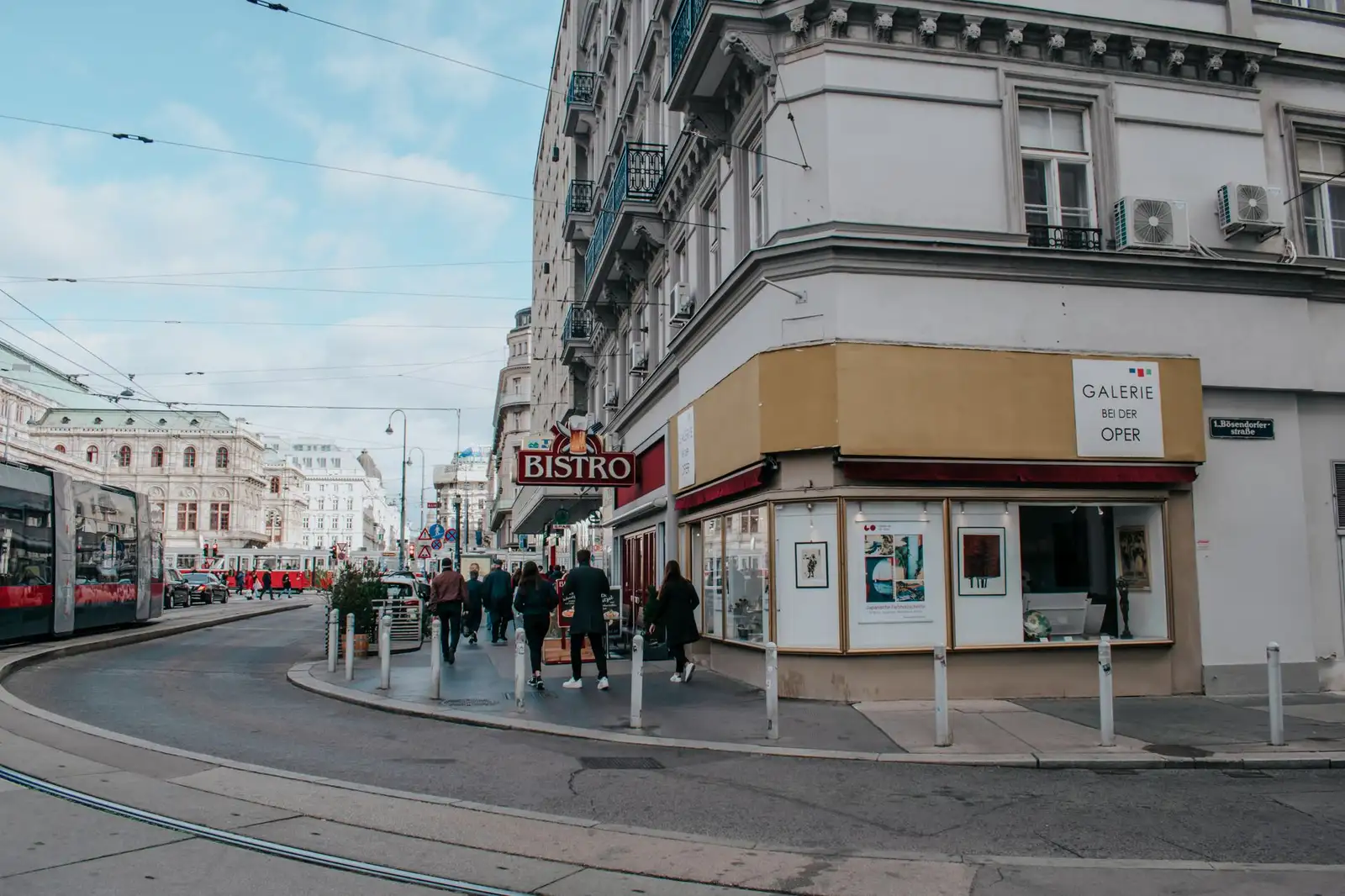
Day 20: Arlberg Region

Train to St. Anton or Lech (1 h from Bregenz). Cable-car summer sightseeing at Valluga or Rueffikopf. Alpine hut lunch. Return to Bregenz or continue by train to Vienna overnight.
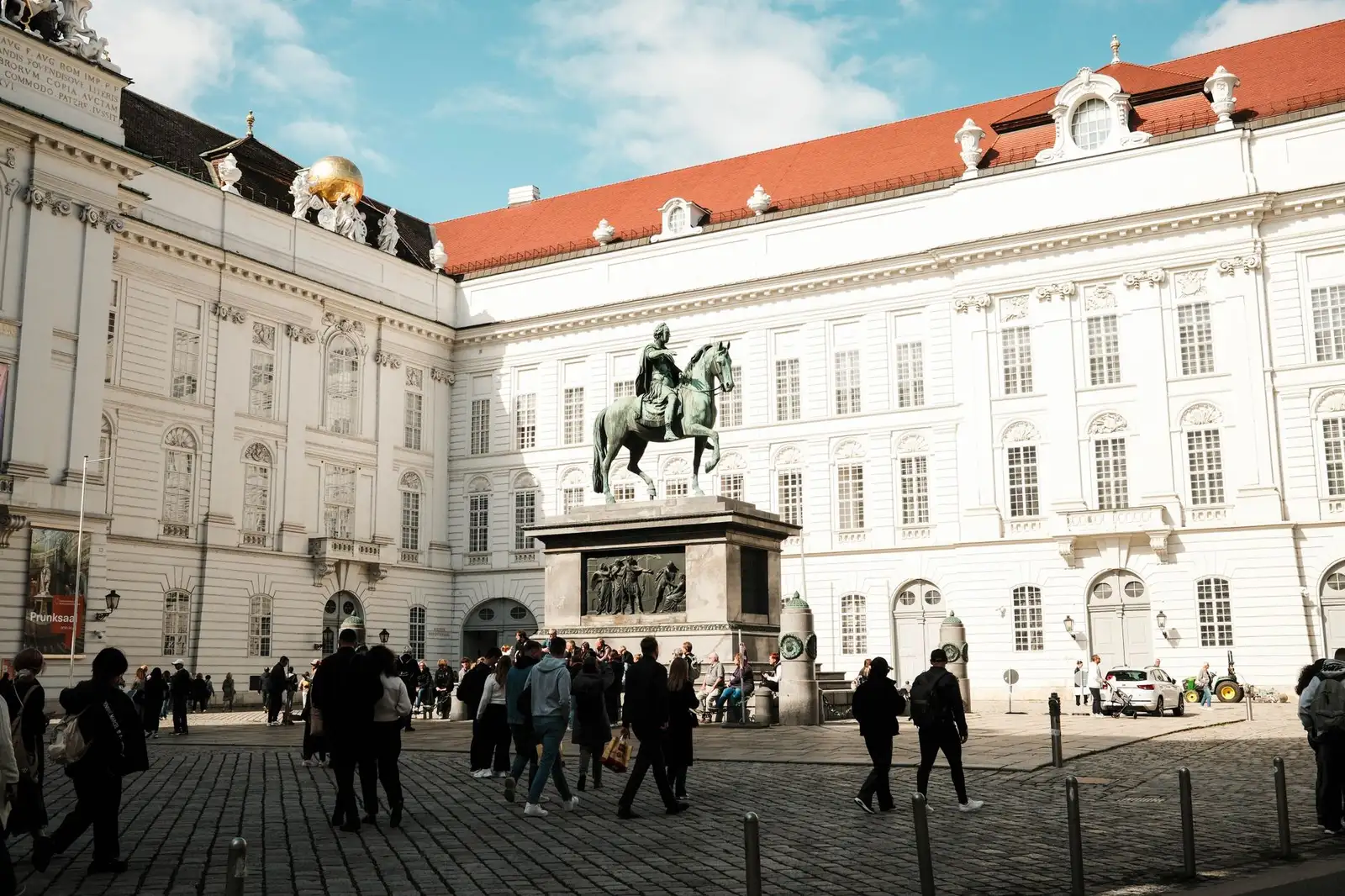
Day 21: Return to Vienna & Depart

Long train Bregenz-Vienna (7-8 h through the Alps, one of Europe’s great overland journeys) or fly Bregenz-nearby / Innsbruck-Vienna (1 h). Final coffee. S7 to airport.

Budget: 21 days with Sparschiene advance tickets: transport roughly EUR 200. Add EUR 250–300 for attractions, EUR 700–900 for accommodation (hostels + mid-range mix), EUR 500 for food. Total roughly EUR 1,700–2,000 for 21 days. Fifty percent less than the same trip in Switzerland.

Route C: 1-Month Deep Dive

Salzburg Old Town with the Hohensalzburg fortress rising above

The full Austria experience. All nine federal states with proper depth. Adds Burgenland (Neusiedler See, Haydn’s Eisenstadt), Hohe Tauern hiking base, Gesaeuse whitewater, extended Vienna time, and the Silvretta or Arlberg high-mountain roads. Best May–October. In winter, replace the alpine road segments with proper ski weeks.

Day-by-day itinerary (30 days)

Days 1–5: Vienna Slow

Full five days for the imperial city. Days 1-3 as Route A. Day 4: Museum quarter (MUMOK, Leopold, Kunsthistorisches). Day 5: Vienna Woods (Kahlenberg + Grinzing), or Central Cemetery for Beethoven / Schubert / Strauss graves.

Days 6–7: Wachau & Semmering

Wachau overnight in Duernstein. Then Semmering Railway (UNESCO) with a walking loop.

Days 8–9: Burgenland & Neusiedler See

Day 8: Train Vienna-Eisenstadt (1 h). Esterhazy Palace (Haydn Hall). Optional Carnuntum Roman ruins on the way.

Day 9: Neusiedler See cycling loop. 360-degree flat cycling paths, migratory birds, Hungarian border villages. Overnight in Rust or Podersdorf.

Days 10–11: Graz & Southern Styria

As Route A Days 12-13.

Days 12–13: Klagenfurt + Nockberge

Day 12: Klagenfurt + Woerthersee.

Day 13: Nockalmstrasse scenic drive across the rounded Nockberge Biosphere Reserve. Cheese dairies, alpine flower meadows.

Days 14–15: Grossglockner + Heiligenblut

Day 14: Grossglockner road day. Day 15: Base in Heiligenblut, a proper alpine hike toward the Pasterze Glacier or the Adlerlounge.

Days 16–18: Salzburg + Salzkammergut

Day 16-17: Salzburg as Route A. Day 18: Hallstatt.

Days 19–20: Dachstein + Werfen Ice Cave

Day 19: Five Fingers viewpoint from Krippenstein cable car.

Day 20: Eisriesenwelt at Werfen – world’s largest ice cave, 42 km long (only the first km is open, EUR 34). Combine with Hohenwerfen Castle above.

Days 21–22: Zillertal

As Route B Days 15-16.

Days 23–25: Innsbruck & Around

Day 23: Old Town, Nordkette. Day 24: Stubaital day trip – glacier skiing possible into summer. Day 25: Karwendel walk from Innsbruck or Kufstein Fortress.

Days 26–27: Bregenz + Vorarlberg

Day 26: Bregenz + Pfaender panorama. Bregenz Festival if in season. Day 27: Bregenzerwald villages by narrow-gauge steam train (weekends), or Montafon valley hikes.

Days 28–29: Arlberg

St. Anton or Lech. Silvretta High Alpine Road (EUR 20 toll) if driving, connecting Vorarlberg to Tyrol.

Day 30: Return to Vienna & Depart

Fly Innsbruck or Salzburg to Vienna (1 h), or overnight-train (NightJet, EUR 60 in a couchette) from Feldkirch. Final coffee at Cafe Central.

Budget: 30 days with Sparschiene tickets: transport roughly EUR 250 + one car rental for the Grossglockner day. Attractions EUR 350–400. Accommodation EUR 1,000–1,500 (hostels mixed with a few splurges). Food EUR 700. Total EUR 2,400–3,000 for a month. Consider the Klimaticket Austria if staying 3+ months (EUR 1,095 unlimited annual nationwide transport).

Getting Around

Vienna tram passing an imperial building on the Ringstrasse

OeBB (Austrian Federal Railways) runs one of Europe’s best rail networks. Railjet trains hit 200 km/h on main routes. Punctuality is Swiss-adjacent (95%+). The single most valuable advance-planning move is buying Sparschiene tickets 60 days out – the same seat that costs EUR 80 on the day is EUR 19 with two months of notice. In cities, ticket machines are trilingual (German/English/Italian) and every S-Bahn stop has one.

Trains (OeBB)

  • Vienna–Salzburg: 2 h 30 min, EUR 55 full / from EUR 19 Sparschiene
  • Vienna–Innsbruck: 4 h 15 min, EUR 80 full / from EUR 29 Sparschiene
  • Vienna–Graz: 2 h 40 min, EUR 42 full / from EUR 19 Sparschiene
  • Vienna–Linz: 1 h 15 min, EUR 33 full
  • Vienna–Klagenfurt: 4 h, EUR 60 full
  • Salzburg–Innsbruck: 1 h 50 min, EUR 55 full
  • NightJet sleepers: Vienna-Zurich, Vienna-Hamburg, Vienna-Rome, Vienna-Paris. Couchette from EUR 60.

Vienna Public Transport (Wiener Linien)

  • 24-hour ticket: EUR 8
  • 48-hour: EUR 14.10
  • 72-hour: EUR 17.10
  • Vienna City Card 72 h: EUR 29.90 (transport + 200 discounts)
  • Weekly: EUR 17.10 (Monday to Monday only)

U-Bahn (5 lines), tram (28 lines), bus, and S-Bahn (regional trains). One ticket covers all. Ticket machines at every station, or WienMobil app for mobile tickets.

Regional Buses (Postbus)

Yellow OeBB Postbuses reach every alpine village the train does not. Book through the OeBB Scotty app or ticket machines. Free with Klimaticket. Most alpine mountain resorts run free shuttle buses in winter with a valid ski pass.

Cycling

The Danube Cycle Path (Donauradweg) Passau-Vienna is 300 km, mostly flat, and one of the most-cycled long-distance routes in Europe. Rentals at most train stations (EUR 15-25/day, e-bikes EUR 25-40). Vienna has 1,500 km of city cycle paths and a Citybike bike-share (EUR 1 for the first hour).

Driving

  • Motorway vignette: EUR 12.40 (10 days), EUR 30 (2 months). Mandatory on autobahns and expressways. Buy at the border or at any petrol station.
  • Extra tolls: Brenner Pass, Tauern Tunnel (EUR 14 per crossing), Grossglockner Road (EUR 42/day), Silvretta Road (EUR 20/day), Nockalmstrasse (EUR 22).
  • Speed limits: 130 km/h motorway, 100 km/h regional, 50 km/h town.
  • Parking in Vienna Old Town: expensive (EUR 3/hour) and often paid-only zones. Park at a park-and-ride and use U-Bahn.

Airports

  • Vienna (VIE) – main hub. S7 train to city 16 min, EUR 4.30. CAT express 16 min, EUR 14.90.
  • Salzburg (SZG) – budget carriers plus regional. Bus 2 to Salzburg Hbf 20 min, EUR 2.10.
  • Innsbruck (INN) – scenic alpine landing. Bus F to city centre 20 min, EUR 2.60.
  • Graz (GRZ), Linz (LNZ), Klagenfurt (KLU) – small regional airports.
Book Sparschiene 60 days out for any planned intercity train. Non-refundable but 60–75% cheaper than the day-of price. Get the OeBB app before you leave home. Vienna–Innsbruck for EUR 29 instead of EUR 80 is common. This alone saves more than everything else in Austria combined.
🚌 Getting Around
👉 Transportation Guide → Compare buses, trains, flights, ferries, and rental options

Budget Breakdown

Vienna shopping street with cafes and imperial architecture

Austria is roughly Western European average on price: cheaper than Switzerland or Scandinavia, more expensive than Poland or Czechia. Vienna is on par with Berlin, Salzburg is a touch pricier, and rural areas can be 30–40% cheaper. Sparschiene train tickets, Kaffeehaus lunch specials (Tagesteller EUR 10–14), and standing-room opera keep costs down without sacrificing quality.

CategoryBudget (EUR 75/day)Mid-Range (EUR 140/day)Comfort (EUR 240+/day)
AccommodationHostel dorm EUR 25–403-star hotel EUR 90–120Boutique / 4-star EUR 180–300
FoodSupermarket + wuerstelstand EUR 20Casual restaurants EUR 40–55Restaurants + wine EUR 80–120
TransportSparschiene + Vienna day pass EUR 10Sparschiene + city cards EUR 251st class + taxis EUR 60
ActivitiesFree walks + 1 paid EUR 15Museums + palace tours EUR 35Opera + guided tours EUR 60–100

Key Prices (2026)

🏠 Accommodation

Hostel dorm (Vienna): EUR 25–45/night
Hostel dorm (elsewhere): EUR 20–35
Budget hotel: EUR 70–110/night
Mid-range hotel: EUR 120–200/night
Alpine hut (OeAV): EUR 25–50 dorm

🍴 Food & Drink

Wuerstelstand meal: EUR 5–8
Kaffeehaus Melange: EUR 4.20–5.50
Sachertorte with coffee: EUR 14–16
Wiener Schnitzel proper: EUR 20–30
Restaurant lunch Tagesteller: EUR 10–14
Beer at bar: EUR 4–6
Viertel of Gruener Veltliner: EUR 4–6

🎫 Attractions

Schoenbrunn Grand Tour: EUR 34
Hofburg combo: EUR 21
Belvedere Upper: EUR 17
Hallstatt salt mine: EUR 40
Vienna State Opera standing: EUR 15–18
Vienna State Opera seat: EUR 30–250
Nordkette Innsbruck return: EUR 43
Grossglockner road toll: EUR 42/day

🚆 Transport

OeBB Sparschiene Vienna-Salzburg: from EUR 19
Vienna 72-hour pass: EUR 17.10
Vienna City Card 72 h: EUR 29.90
Motorway vignette 10 days: EUR 12.40
Klimaticket annual (locals): EUR 1,095
Salzburg Card 72 h: EUR 46
Innsbruck Card 72 h: EUR 71

The Sparschiene math: A same-day Vienna–Innsbruck ticket is EUR 80. Buy Sparschiene 60 days out and it drops to EUR 29. Same seat, same train. For a 14-day trip with three intercity legs, this saves EUR 100–150. Set up an OeBB account before you fly, book the moment your dates are firm, and you have essentially bought the trip’s attractions from the savings.
💰 Save Money
👉 Travel Hacks → Money-saving tricks, budgeting strategies, and cost-cutting tips

Practical Information

Vienna Hofburg imperial complex on a clear afternoon

Entry Requirements

  • Schengen zone + EU + Eurozone. No border controls from Schengen countries.
  • ETIAS from 2025 for visa-exempt non-EU visitors (EUR 7, valid 3 years, online application).
  • 90/180 rule for non-EU visitors.
  • Passport valid 3+ months beyond planned stay.

Health & Safety

  • Very safe country. Low violent crime, low petty theft.
  • Pickpockets around Stephansplatz, Ringstrasse tram stops, Schoenbrunn crowds. Standard urban precautions.
  • Tap water excellent everywhere. Vienna’s water comes straight from alpine springs on protected pipelines. Drink it.
  • Alpine safety: Weather changes fast above 2,000 m. Check ZAMG / MeteoAT before big excursions. Carry layers.
  • Health insurance: EHIC/GHIC for EU citizens. Travel insurance for others.
  • Emergency numbers: 112 (general), 133 (police), 122 (fire), 144 (ambulance), 140 (mountain rescue).
  • Mountain rescue: Consider Alpine Association (OeAV) membership (EUR 65/year, EUR 33 for age 27 and under). Includes worldwide alpine rescue insurance and discounted hut stays.

Language

German is the sole official language. Austrian German uses different everyday words: Semmel (bread roll), Erdapfel (potato), Marille (apricot), Paradeiser (tomato), Karfiol (cauliflower). Greetings are "Gruess Gott" (formal), "Servus" (informal). English is widely spoken in cities and tourist areas but rural Alps may need basic German.

Money

Euro (EUR). Cards (Visa, Mastercard, contactless) accepted almost everywhere in cities. Rural inns and old Heurigers sometimes cash-only. ATMs (Bankomat) widespread. Tipping: 5–10% at restaurants, round up in cafes and taxis. Never leave a tip on the table – hand it to the waiter with your bill.

Electricity & Weather Gear

230V, Type C/F plugs (standard European). Layers essential for alpine variability. Rain jacket year-round. Sturdy shoes for both cobblestones and alpine trails. Sunscreen and sunglasses at altitude even in winter.

🏠 Plan Your Stay
👉 Hostel Guide → Find the right accommodation, dorm etiquette, and booking tips
👉 Health & Vaccines → Stay healthy abroad with clinics, insurance, and first-aid
👉 Packing Guide → Pack light for every climate and travel style

Tips & Common Mistakes

Innsbruck old town with alpine peaks rising behind

Common Mistakes

Most Austria mistakes involve treating Vienna as if it were the whole country, or missing the Sparschiene advance ticket window.

  • Only visiting Vienna. Vienna is stunning but Austria’s variety is in Salzburg, Innsbruck, Hallstatt, Graz, and the Alps. Two weeks in Vienna alone misses 80% of the country.
  • Ordering "a coffee" in a Kaffeehaus. Learn the vocabulary: Melange, Kleiner Brauner, Einspaenner, Fiaker. The waiter will politely correct you but he will also judge you.
  • Visiting Hallstatt in midday July. 10,000 daily tourists in a village of 800. Go before 09:00 or after 17:00, or go off-season.
  • Not booking Sparschiene tickets in advance. Booking 60 days out cuts Vienna–Innsbruck from EUR 80 to EUR 29. Same train.
  • Skipping opera because it seems expensive. Vienna State Opera standing room is EUR 15–18. Queue 80 min before curtain at the Operngasse side entrance.
  • Underestimating alpine weather. It can be 30°C in Salzburg and snowing at 2,500 m. Layers, waterproof shell, sturdy shoes.
  • Missing the Wachau. Only 1 hour from Vienna, one of Austria’s most beautiful landscapes, and most day-trippers never leave the boat.

Pro Tips

  • Standing-room opera tickets at the Wiener Staatsoper – EUR 15–18. Queue 80 minutes before curtain at the Operngasse side entrance. Bring a scarf to tie to the railing to reserve your spot during intermission.
  • Free entry Oct 26. Federal museums in Vienna are free on National Day. Schoenbrunn is not federal (Habsburg foundation) so still charges.
  • Book Salzburg Festival tickets in January for July–August performances. Sold-out shows still have a return-ticket queue at the box office.
  • The Wachau boat trip Melk–Krems is more scenic downstream than upstream. Take the boat down, train back.
  • Spanish Riding School morning training (EUR 15) is cheaper and more intimate than the gala performance (EUR 45–200). Tuesday to Friday mornings.
  • Semmering Railway on a regular OeBB service (EUR 25 same as any other ticket) is the exact UNESCO route as the tourist "Semmering Panorama" coaches. No premium needed.
  • Cafe Central for atmosphere, Cafe Sperl for the Melange, Cafe Hawelka for Buchteln at 22:00.
  • Alpine Association (OeAV) membership pays for itself in three hut stays plus provides worldwide alpine rescue insurance.
  • Grossglockner Road opens May, closes October. Check status before booking a September or April trip.
⚠️ Stay Safe
👉 Travel Warnings → Country-specific safety advice and risk awareness
👉 Common Scams Guide → Spot and avoid travel scams worldwide

Final Recommendation

Final recommendation

Austria is one of those countries that feels bigger than it is. Nine million people, imperial architecture that pretends there are eighty million, an alpine landscape that runs from Vienna almost to Switzerland, and a musical tradition that most other countries would build a national identity out of on its own. It gets typecast as Vienna plus Sound of Music and skiing, and that framing sells the rest of it short.

The trick is to give the country enough time to be more than a highlights reel. Vienna deserves three days at minimum, not for the palaces (which are grand) but for the coffeehouse afternoons and the standing-room opera evenings. Salzburg is more than a Mozart-and-Sound-of-Music pilgrimage – the Old Town is a Baroque masterpiece and the surrounding Salzkammergut is a summer paradise. The Alps in Tyrol and Salzburg give you Swiss scenery at Austrian prices. And Graz, Klagenfurt, Bregenz, and the Wachau are what most visitors skip, which is exactly why they still feel like proper places rather than backdrops.

Two weeks covers the essential variety if you plan tight. Three weeks lets you slow down enough that a Heuriger evening in Grinzing or a rest day beside the Woerthersee feels like part of the trip rather than an interruption. A month lets you reach the corners: Burgenland’s steppe lake, Vorarlberg’s alpine huts, the Grossglockner ridge at sunset.

Start with Route A (2 weeks) if this is your first Austria trip. Buy Sparschiene train tickets 60 days out for the six intercity legs (Vienna–Salzburg–Hallstatt–Innsbruck–Grossglockner–Graz–Vienna). Add a 72-hour Vienna City Card and a Salzburg Card. Queue for a Vienna State Opera standing-room ticket on your first evening. Order a Melange, take four hours to drink it, and let the country find its rhythm.