💳 Visas
E-visa available for many nationalities (30 days, single entry, ~€40). Apply online 4–20 days before travel. Traditional tourist visa via consulate still exists
🏥 Health
No mandatory vaccinations. Tick-borne encephalitis vaccine recommended for Siberian hiking. Pharmacies (apteka) well-stocked. Tap water not safe to drink in most cities
💶 Money
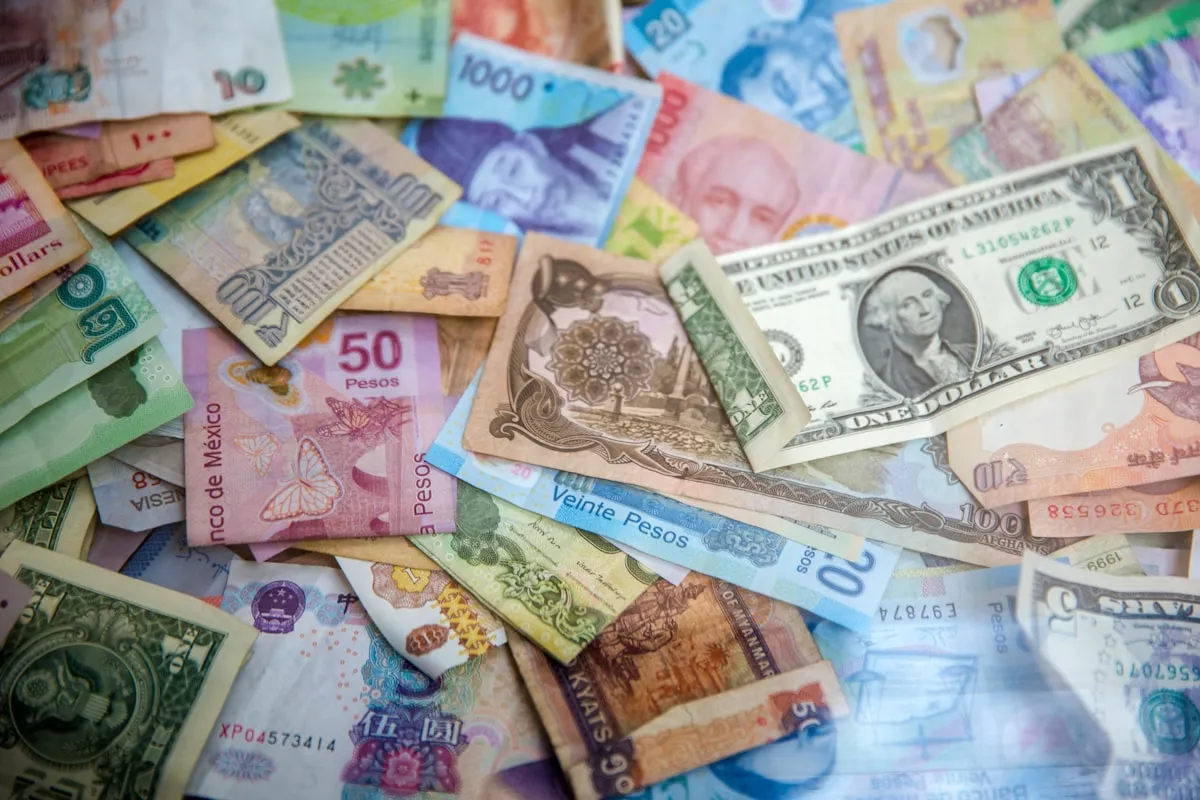
Russian Ruble (₽). Western cards do not work. Bring Euros/USD cash to exchange. MIR cards from Turkish/Kazakh banks as backup
📶 SIM & WiFi
SIM cards from MTS, Beeline, Megafon. Passport required. 20–50GB for ₽500–1,000 (~€5–10). Free Wi-Fi in hotels, metro, and most cafés
🔌 Electricity
Type C/F (2 round pins), 220V/50Hz. Same as continental Europe. UK/US/AUS travellers need adapters
🛒 Safety
Generally safe. Petty theft in tourist areas of Moscow and St Pete. Avoid political gatherings. Register within 7 days of arrival (hotel does this automatically)
Entry & Visas
Russia introduced an electronic visa (e-visa) system allowing 30-day stays for citizens of many countries. Apply on the Russian MFA website 4–20 days before travel. The e-visa is single entry and valid for one purpose (tourism). Traditional tourist visas (via Russian consulates, requiring an invitation letter from a hotel or tour agency) remain available for longer stays or multiple entries. Check current eligibility carefully. Entry restrictions and visa rules have changed frequently since 2022.
Health & Money
No mandatory vaccinations. Tick-borne encephalitis vaccination is recommended if hiking in Siberia or the Urals (May–September). Pharmacies (apteka) are common and well-stocked. Basic medications available without prescription. Tap water is not safe to drink in most Russian cities. Boil it or buy bottled water. Currency is the Russian Ruble (₽). Exchange cash at Sberbank, VTB, or Alfa-Bank branches for the best rates. Keep exchange receipts. Avoid money changers near tourist sights.
Connectivity
Russian mobile operators (MTS, Beeline, Megafon, Tele2) sell tourist SIM cards at airports and city shops. Passport required for purchase. Data is cheap: 20–50GB costs ₽500–1,000 (~€5–10). Coverage is excellent in cities and along major highways but drops off in remote Siberia and Kamchatka. Free Wi-Fi in the Moscow and St Petersburg metro, most hotels, and chain cafés.
Language
Russian is the only widely spoken language. English proficiency is low outside upscale hotels and hostels in Moscow and St Petersburg. Learn the Cyrillic alphabet before you go. It takes an afternoon and transforms navigation. Google Translate’s camera mode reads signs and menus. Key phrases: “spasibo” (thank you), “da/nyet” (yes/no), “skolko stoit?” (how much?), “gde...?” (where is...?).
Safety
Russia is generally safe for tourists. Violent crime against foreigners is rare. Pickpocketing exists in Moscow metro and tourist zones. Avoid any political protests or demonstrations. Register your stay within 7 working days of arrival (hotels do this automatically; for private stays, the host must register you at the post office or online). Keep a photocopy of your passport, visa, and migration card separately from the originals. Police checks of documents happen occasionally.
![Evening view of a Russian city with golden church domes]()
Mistakes that cost time, money, or comfort. All avoidable with basic preparation.
- Not learning Cyrillic. The single biggest quality-of-life improvement for Russia travel. 33 letters, many similar to Latin or Greek. An afternoon of practice lets you read metro signs, street names, menus, and train schedules. Without it you are functionally illiterate
- Assuming Western cards work. Visa and Mastercard have not functioned in Russia since 2022. Apple Pay, Google Pay, PayPal are all suspended. Bring enough cash (Euros or USD) for your entire trip and exchange at bank branches. Running out of cash with no way to get more is a real risk
- Not booking the Hermitage timed entry. Walk-up queues exceed 2–3 hours in summer. Buy timed-entry tickets online. Free on the third Thursday of each month, but expect enormous crowds
- Underestimating distances. Moscow to Vladivostok is 9,289 km. Flying Moscow to Kamchatka takes 9 hours. Even Moscow to Irkutsk is 5.5 hours by air. Do not try to “see Siberia” in a weekend. One region per week is realistic
- Skipping registration. Foreign visitors must register within 7 working days of arrival. Hotels do this automatically. If staying privately, the host must register you (post office or gosuslugi.ru). Failure to register can result in fines or deportation at the next police check
- Flying direct from the West. There are no direct flights from EU/UK/US to Russia since 2022. You must connect through a third country (Turkey, UAE, Serbia, Georgia, Armenia, Kazakhstan). Book each leg separately for best prices. Allow 3+ hours for connections
- Ignoring the banya. The Russian bathhouse is not just a tourist novelty. It is a genuine cultural institution. Locals go weekly. Sanduny in Moscow and Yamskiye Bani in St Petersburg are the historic options. Bring or rent a felt hat. Drink tea, not alcohol, between rounds
- Photographing military/police sites. Do not photograph military installations, border zones, or uniformed police without permission. This is taken seriously. Airports and train stations are fine. When in doubt, ask
- July in Moscow without booking ahead. Moscow hotels spike in price during summer festivals and holidays. St Petersburg during White Nights (late Jun–early Jul) can double in price. Book accommodation at least 2–3 months ahead for high season
- Expecting Western-style customer service. Russian service culture is direct. Waiters will not smile at you or ask if everything is okay. This is not rudeness. It is normal. Once you adjust, you may find the lack of performative friendliness refreshing
![Golden sunset over Moscow skyline with church domes silhouetted]()
Russia is not an easy trip. The visa paperwork, the indirect flights, the cash-only payment situation, the Cyrillic alphabet, the distances that stretch beyond what feels physically possible. Everything about visiting Russia requires more effort than the European average. But the payoff is proportional.
The Hermitage alone justifies a trip to St Petersburg. Lake Baikal in winter, with ice so clear you can see 40 metres down, is unlike anything else on Earth. The Trans-Siberian Railway is not just a train ride. It is a slow, rattling lesson in how large a single country can be, how the forest never ends, and how a shared meal in a train compartment with people who speak none of your language somehow becomes a conversation.
For a first visit, the Moscow–St Petersburg route is the obvious choice. Ten days, two cities connected by a fast train, a day trip or two for depth. It covers the greatest range with the least logistics. If you have three weeks and the nerve for the Trans-Siberian, stretch east to Irkutsk and Baikal. The further from Moscow you travel, the more Russia reveals what no guidebook quite captures: the hospitality, the absurd generosity, the landscapes that feel like they were designed for a planet larger than this one.
Learn Cyrillic. Bring enough cash. Pack patience. And when someone offers you a third cup of tea from the train samovar, say da.