Cambodia Travel Guide

Ancient temples, tropical islands, and the warmest people in Southeast Asia — your complete handbook for exploring the Kingdom of Wonder

🇨🇭 Cambodia Couple Travel Low-Medium Budget 24 Sections

Overview & Why Visit Cambodia

Angkor Wat at sunrise with reflection pool

Cambodia is the kind of place that recalibrates your sense of what travel can be. It is a country where the world's most magnificent temple complex rises from jungle canopy, where floating villages drift across a vast inland sea, and where some of Southeast Asia's most pristine islands remain blissfully undeveloped. For a couple travelling on a low-to-medium budget, Cambodia is both wildly affordable and profoundly rewarding — a place where €25 a day buys comfort, adventure, and meals you will remember for years.

The Kingdom of Wonder, as Cambodia calls itself, sits between Thailand, Laos, and Vietnam on the Indochinese peninsula. It is compact enough to explore thoroughly in two to three weeks, yet diverse enough to surprise you at every turn. The northwest holds the legendary Angkor Archaeological Park, a UNESCO World Heritage Site spanning over 400 square kilometres of temples built between the 9th and 15th centuries. The capital Phnom Penh pulses with energy, French colonial architecture, and a confronting but essential history. The south coast offers pepper plantations in Kampot, crab feasts in Kep, and turquoise water around the Koh Rong archipelago. And the remote northeast — Mondulkiri and Ratanakiri provinces — delivers red-earth trails, ethnic minority communities, thundering waterfalls, and encounters with rescued elephants.

Population
17M
Predominantly Khmer
Size
181K km²
About half of Germany
Currency
USD + KHR
US Dollar primary
Daily Budget
€20–50
Per couple, comfortable

Cambodia's recent history is inseparable from the Khmer Rouge genocide (1975–1979), which killed an estimated two million people — roughly a quarter of the population. Visiting the Tuol Sleng Genocide Museum and the Killing Fields at Choeung Ek in Phnom Penh is a sobering, essential experience. Understanding this context makes the warmth and resilience of the Cambodian people all the more remarkable. The smiles here are not performative; they are earned through decades of rebuilding.

Why Cambodia Fits Your Trip Perfectly

  • Unbeatable value: Among the cheapest countries in Southeast Asia. Draft beer for €0.50, street meals for €1–2, private rooms from €9.
  • World-class temples: Angkor Wat alone justifies the trip, but Bayon, Ta Prohm, Banteay Srei, and the remote Preah Vihear add layers of wonder.
  • Island paradise: Koh Rong Samloem offers powder-white sand and bioluminescent plankton without the overdevelopment of Thai islands.
  • Perfect routing: Cambodia fits naturally between Thailand (overland via Poipet or Koh Kong) and Vietnam (via Moc Bai or Chau Doc), making it ideal for a multi-country Southeast Asia loop.
  • Compact geography: Everything is reachable within a day's travel. No domestic flights needed unless you want them.
  • Genuine hospitality: Cambodians are among the friendliest people in the region. English is widely spoken in tourist areas.
✅ Couple Travel Advantage

Cambodia rewards couples particularly well. Private rooms in guesthouses cost €9–20 (barely more than two dorm beds), and many restaurants serve family-style portions that are perfect for sharing. Renting a single motorbike or tuk-tuk for the day is the same price whether you are one or two.

Best Time to Visit

Cambodia's tropical monsoon climate creates two distinct seasons, and your experience will differ dramatically depending on when you arrive. The good news: there is no truly bad time to visit Cambodia. Each season has genuine advantages, and as budget travellers, the shoulder and wet seasons offer compelling value.

Period Season Temp Range Crowds Prices Our Rating
Nov – Feb Cool Dry 22–30°C High Peak ⭐⭐⭐⭐⭐
Mar – May Hot Dry 27–40°C Low Low ⭐⭐
Jun – Aug Early Wet 25–33°C Low–Med Budget ⭐⭐⭐⭐
Sep – Oct Peak Wet 24–32°C Very Low Lowest ⭐⭐⭐

The Sweet Spots

November to February is universally considered the best time. Temperatures hover around a comfortable 25–30°C during the day with cooler evenings around 22°C. Humidity drops to bearable levels, rain is rare, and the landscape remains lush from the recently ended monsoon. December and January see peak tourist numbers at Angkor, but Cambodia never reaches the overcrowding levels of Thailand or Bali. Expect to pay full prices for accommodation, though "full price" in Cambodia is still remarkably cheap by global standards.

June to August is the budget traveller's secret. Yes, it rains — but Cambodian rain typically arrives in dramatic afternoon downpours lasting one to two hours, leaving mornings clear for sightseeing. The countryside transforms into an impossibly vivid green. Tonle Sap begins its annual expansion (the lake grows from 2,500 km² to 16,000 km² during monsoon season). Accommodation discounts of 30–50% are standard, and you will have temples and beaches largely to yourself.

⚠️ Avoid April

April is Cambodia's hottest month, with temperatures regularly exceeding 38–40°C and oppressive humidity. Temple exploration becomes genuinely unpleasant and potentially dangerous. If you must visit in April, confine outdoor activities to early morning (before 9am) and late afternoon (after 4pm). Khmer New Year (April 14–16) makes domestic transport chaotic as the entire country travels home.

For Your Trip Window

If you are working through Southeast Asia chronologically, Cambodia fits best in the November to February window, sandwiched between visits to Vietnam and Thailand. Arriving from Vietnam in November or December gives you the peak of the cool dry season. Alternatively, visiting in during the shoulder season at the start of your trip means wet-season discounts and a dramatic, green Cambodia — just prepare for afternoon rains and potentially rough island seas.

💡 Best Strategy for Couples

Arrive in Cambodia during the early dry season (November–December). You will catch the sweet spot where prices have not yet fully climbed to peak-season rates, the weather is excellent, and Tonle Sap is still impressively flooded. Book Siem Reap accommodation 2–3 weeks ahead for December; the rest of the country rarely needs advance booking.

Map of Cambodia

Cambodia is roughly rectangular, bordered by Thailand to the west and northwest, Laos to the northeast, Vietnam to the east and southeast, and the Gulf of Thailand to the southwest. The mighty Tonle Sap lake dominates the centre, while the Mekong River flows south through the capital. This map shows the key destinations and our three recommended routes.

Gulf of Thailand Tonle Sap Mekong NORTHWEST NORTHEAST SOUTH COAST Siem Reap Battambang Phnom Penh Kampot Kep Sihanoukville Koh Rong K.R. Samloem Kratie Mondulkiri Ratanakiri Preah Vihear N ~150 km THAILAND LAOS VIETNAM
Major Destinations
Regional Highlights
Off the Beaten Path
Islands
Route A (2 weeks)
Route B (3 weeks)
Route C (10 days)

Climate & Weather

Cambodia has a tropical monsoon climate with consistently warm temperatures year-round and a pronounced division between dry and wet seasons. Unlike countries further north, Cambodia does not experience a true "cold" season — even the coolest months feel pleasantly warm by European standards. What varies is the rainfall, humidity, and the intensity of the heat.

Lush green rice paddies in Cambodia during monsoon season

The Two Seasons

Dry Season (November to April) is dominated by the northeast monsoon, bringing dry air from the Asian interior. The early dry months (November to February) are the most comfortable: daytime highs of 28–32°C, low humidity, and essentially zero rainfall. March begins a steep climb in temperature and humidity, culminating in April, which regularly sees 38–42°C in Phnom Penh and the central lowlands. April is often described by locals as the month when "the earth burns."

Wet Season (May to October) arrives with the southwest monsoon from the Indian Ocean. The transition in May starts gently — a few afternoon showers, a noticeable drop in temperature, and the first signs of green returning to the dusty landscape. By July, rain is a daily certainty, but it follows a predictable pattern: clear mornings, cloud build-up after lunch, torrential downpour from 2pm to 5pm, then clearing. September and October are the wettest months, when some rural roads become temporarily impassable and the Tonle Sap expands to six times its dry-season size.

Regional Variations

Region Dry Season Character Wet Season Character Key Note
Siem Reap & NW Dusty, 30–36°C, temples in harsh sun Moats full, jungle lush, 28–33°C Wet-season temples are more photogenic
Phnom Penh Urban heat island, 32–38°C Riverside floods, sticky heat, 28–34°C River breezes help; worst heat Mar–Apr
South Coast Calm seas, beach weather, 30–34°C Rough seas Jun–Oct, ferry cancellations Islands best Nov–Mar; Kampot fine year-round
Northeast Very hot, dusty red roads, 34–40°C Roads muddy/impassable, waterfalls peak flow Best Oct–Dec (post-rain, roads dry enough)
🌦️ Understanding Cambodian Rain

Do not fear the wet season. Cambodian rainstorms are dramatic but brief. A typical day: wake to clear skies, explore temples or sightsee all morning, have lunch, watch a spectacular 90-minute downpour from a cafe, then enjoy cooler, clearer late-afternoon light for photography. Many photographers prefer wet-season Cambodia for the dramatic skies, moat reflections, and saturated colours.

Humidity

Humidity is the invisible challenge. Even during the "cool" dry season, relative humidity rarely drops below 50–60%. In the wet season, 80–95% humidity is standard. This means that 30°C in Cambodia feels significantly hotter than 30°C in dry-climate destinations. Hydration is critical: aim for 3–4 litres of water per day, and carry electrolyte sachets for temple days.

Average Temperatures

The following table shows monthly averages for Phnom Penh, which is representative of central Cambodia. Siem Reap runs 1–2°C cooler in the dry season; the coast is moderated by sea breezes; the northeast highlands (Mondulkiri at 800m elevation) are notably cooler, especially at night.

Month Avg High Avg Low Rain Days Rainfall (mm) Humidity Verdict
January 31°C 22°C 1 7 55% ✅ Excellent
February 33°C 23°C 1 10 55% ✅ Excellent
March 35°C 25°C 3 40 60% 🔴 Hot
April 36°C 26°C 6 75 65% 🔴 Very hot
May 34°C 26°C 14 135 75% 🌦️ Wet begins
June 33°C 25°C 16 155 80% 💚 Green & cheap
July 32°C 25°C 18 170 82% 💚 Budget sweet spot
August 32°C 25°C 18 175 83% 💚 Budget sweet spot
September 31°C 25°C 20 255 85% 🌧️ Wettest
October 31°C 24°C 18 250 82% 🌧️ Still wet
November 31°C 23°C 8 125 70% ✅ Season turns
December 30°C 22°C 3 30 60% ✅ Excellent
🌡️ The Mondulkiri Exception

Mondulkiri province sits on a plateau at around 800m elevation. Night temperatures can drop to 15–18°C in December–January, and occasionally even lower. If you are heading to the northeast highlands, pack a light fleece or hoodie — a genuine rarity in Cambodia travel.

Seasons Deep Dive

Each season in Cambodia offers a genuinely different experience. Understanding the nuances helps you pack right, plan activities, and adjust expectations. Here is what each phase of the year actually feels like on the ground.

Cool Dry Season (November – February)

Clear sky over Angkor Wat temple complex

This is Cambodia at its most pleasant. The northeast monsoon brings cool, dry air that drops temperatures to their yearly lows. Mornings can feel genuinely refreshing, especially in Siem Reap where mist sometimes lingers over the temple moats at dawn. The countryside retains its green from the recently ended rains but the roads are dry and passable everywhere, including the remote northeast. Tonle Sap is still expansive in November, making boat trips to floating villages particularly worthwhile.

What to expect: Sunny days with comfortable 25–30°C temperatures, cool evenings around 22°C, minimal rain, lower humidity (50–65%). Peak tourist season at Angkor (but manageable). Full-price accommodation. Clear seas for island visits.

Hot Dry Season (March – May)

March marks the transition from pleasant to punishing. By mid-March, morning temperatures already sit at 28°C and climb relentlessly to 36–40°C by early afternoon. The landscape turns brown and dusty, Tonle Sap shrinks to a fraction of its monsoon size, and the air becomes thick with haze from agricultural burning. April is the crescendo — brutal heat that even locals find difficult. The only relief comes with the first pre-monsoon thunderstorms in late April and May, which arrive suddenly and dramatically.

What to expect: Scorching days 35–42°C, warm nights 26–28°C, dust and haze, brown landscape, very few tourists, rock-bottom prices, Khmer New Year chaos in April. Only recommended for heat-hardy travellers seeking absolute solitude at temples.

Southwest Monsoon / Wet Season (June – October)

Dramatic monsoon clouds over Southeast Asian landscape

The wet season is Cambodia's underrated gem. The southwest monsoon brings moisture from the Indian Ocean, delivering daily rainfall that transforms the parched landscape into an impossibly vivid green. The Tonle Sap's extraordinary hydrological phenomenon begins: the Mekong River's volume becomes so great that it reverses the flow of the Tonle Sap River, causing the lake to expand from 2,500 km² to up to 16,000 km². This annual flood pulse is one of the most remarkable natural events in Southeast Asia and supports one of the world's richest freshwater fisheries.

Early wet (June–August): The best wet-season window. Rain is present but predictable — clear mornings, afternoon storms. Temperatures drop from the hellish March–May highs to a bearable 30–33°C. Tourist numbers are low, prices drop 30–50%, and the temples are stunning with full moats and green surroundings. Island travel is possible but seas can be rough; check ferry schedules.

Peak wet (September–October): The wettest months. Rain can extend beyond afternoon windows, occasionally lasting most of the day. Rural roads in the northeast may be impassable. Tonle Sap reaches maximum expansion. The fewest tourists of the year, the lowest prices, but some compromised travel logistics. Island ferries may be cancelled for days at a time.

📚 Seasonal Strategy Summary
  • Comfort-first: Visit November–February (cool, dry, easy)
  • Budget-first: Visit June–August (cheap, green, rain-manageable)
  • Photography-first: Visit late October–November (dramatic skies, full moats, turning season)
  • Avoid: April (extreme heat), late September (heavy rain, logistics issues)

Packing Guide

Cambodia is one of the easiest countries to pack for: hot weather year-round, casual dress standards, and everything you forget is available cheaply in markets. The main considerations are sun protection, modest clothing for temples, and rain gear if visiting during the wet season.

Essentials

Category Items Notes
Clothing 3–4 lightweight shirts, 2 pairs quick-dry shorts, 1 pair lightweight trousers/pants, sarong Cotton or linen for breathability. Sarong doubles as temple cover-up, beach towel, and blanket
Temple Wear Trousers/long skirt covering knees, shirt covering shoulders Strictly enforced at Angkor Wat. Carry a scarf to throw over shoulders
Footwear Sturdy sandals (Teva/Chaco style), flip-flops, lightweight trail shoes Temple exploration = hours of walking on uneven stone. Flip-flops alone won't cut it
Rain Gear Compact rain jacket or poncho, dry bag for electronics Wet season essential. €2 ponchos available everywhere but quality is poor
Sun Protection SPF 50+ sunscreen, wide-brim hat or cap, quality sunglasses Sun is intense year-round. Sunscreen is expensive in Cambodia — bring enough
Health DEET insect repellent, rehydration salts, basic first-aid kit, antidiarrheal medication Dengue is present. Use repellent at dawn and dusk especially
Electronics Universal adapter (types A, C, G all used), power bank, waterproof phone case Cambodia uses 230V. Plugs are inconsistent — bring a universal adapter
Documents Passport (6+ months validity), passport photos (4x6cm), e-Visa printout, travel insurance docs Keep digital copies of everything in cloud storage
Money USD cash in small bills (€1 €4 €9), a travel debit card Cambodia runs on USD. Bring crisp, undamaged bills — torn notes are refused
💵 USD Bill Quality Matters

Cambodians are extremely particular about the condition of US dollar bills. Even a small tear, pen mark, or excessive fold will cause a bill to be refused by shops, restaurants, and even banks. Bring crisp, clean bills. €90 notes get the best exchange rate but are impractical for daily spending. A mix of €1s, €4s, €9s, and a few €20s is ideal.

What NOT to Pack

  • Heavy clothing: You will never need it (except a light layer for Mondulkiri evenings or air-conditioned buses)
  • Expensive jewellery: Theft risk, especially bag-snatching in Phnom Penh
  • Excessive toiletries: Everything is available cheaply in Cambodian pharmacies and markets
  • Bulky towels: Guesthouses provide them; your sarong covers beach needs
👜 Temple Day Pack

For Angkor temple days, pack a small daypack with: 2+ litres of water, electrolyte sachets, sunscreen, insect repellent, hat, shoulder cover-up, wet wipes, snacks, portable charger, and a headlamp/torch if exploring interior corridors. Start at 5am for sunrise and you will need all of this before the day is done.

Northwest: Temples & Heritage

Bayon temple faces in Angkor Thom, Cambodia

The northwest is Cambodia's crown jewel, home to the Angkor Archaeological Park — the largest religious complex ever built — and the charming colonial town of Battambang. Most travellers spend the bulk of their Cambodia time here, and for good reason. But beyond the famous temples lies a region of floating villages, lotus-covered waterways, and rural Khmer life that has changed little in centuries.

Siem Reap

Siem Reap is the gateway to Angkor and Cambodia's most tourist-oriented town. It has transformed from a sleepy village to a full-service traveller hub with excellent hostels, restaurants, markets, and nightlife — all at Cambodian prices. The famous Pub Street buzzes nightly with €0.50 draft beer promotions, though the more interesting dining and drinking scene has moved to surrounding streets and the emerging Kandal Village area.

Angkor Archaeological Park

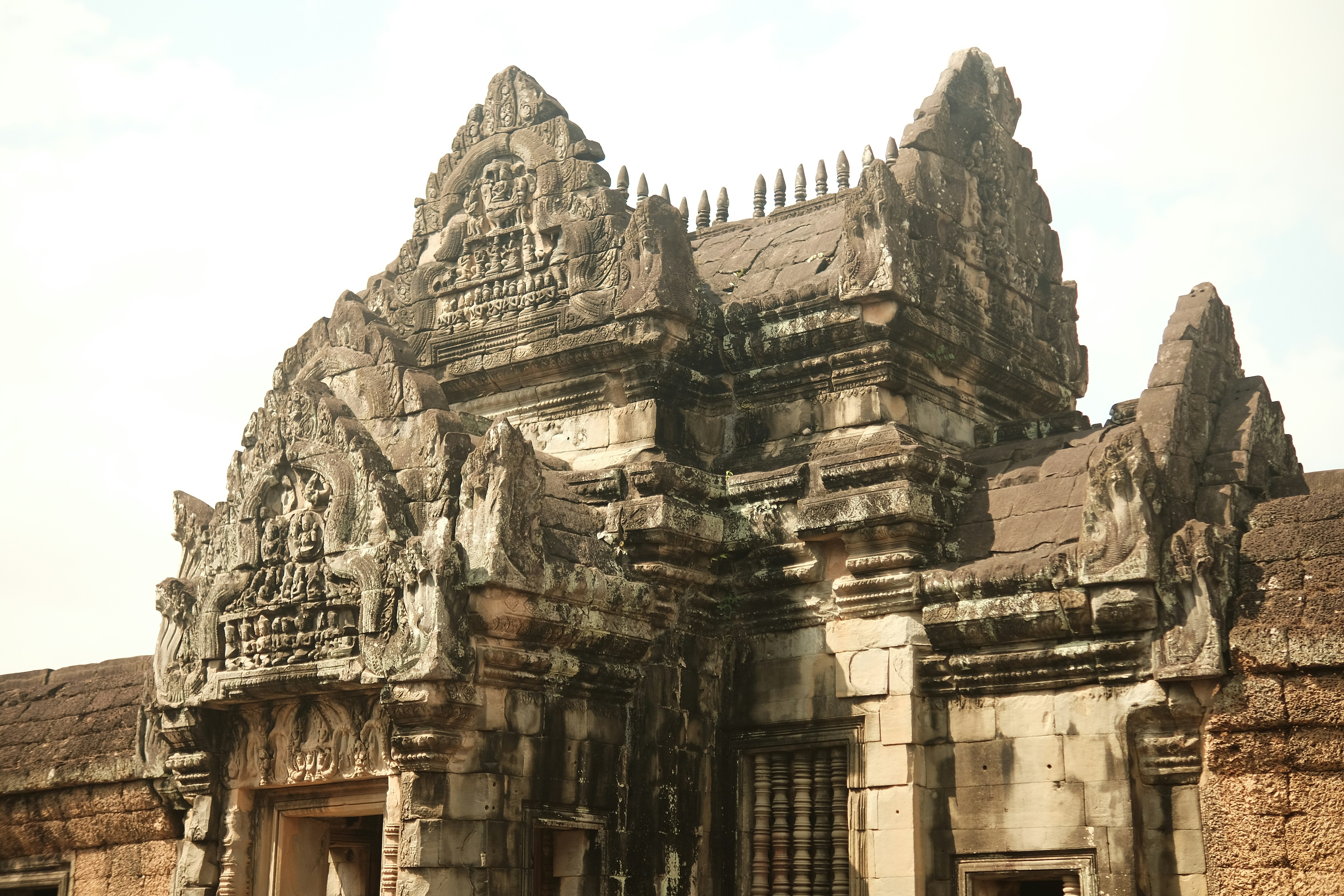
The Angkor temples are not one site but hundreds of structures spread across 400+ km² of forest and farmland. Built between the 9th and 15th centuries by the Khmer Empire, they represent one of humanity's greatest architectural achievements. You could spend a week here and still miss temples. Here are the must-sees:

Angkor Wat

Angkor Wat

The world's largest religious monument. Arrive at 5am for sunrise behind the iconic five towers reflected in the western approach pool. Explore the extensive bas-reliefs depicting Hindu epics and the Khmer army. Allow 3–4 hours minimum.

Must See
Bayon Temple

Bayon (Angkor Thom)

The centrepiece of the walled city of Angkor Thom. Over 200 massive stone faces smile serenely from 54 towers. The morning light creates magical shadows across the faces. Combined with the South Gate approach, this is peak Angkor.

Must See
Ta Prohm temple with tree roots

Ta Prohm

The "Tomb Raider temple" where massive silk-cotton and strangler fig trees have engulfed the stone structures. Left largely unrestored to show how the jungle reclaimed the temples. Atmospheric and photogenic at any time.

Must See
Banteay Srei temple carvings

Banteay Srei

The "Citadel of Women" — 30km from the main complex but worth the trip. Built from rose-pink sandstone with the most intricate, deep-relief carvings in all of Angkor. Small but exquisite. Best visited in morning light.

Highly Recommended

Angkor Passes & Strategy

Pass Type Typical Price Best For Our Recommendation
1-Day Pass €35 Very short stays Too rushed — not recommended
3-Day Pass €55 Most travellers ✅ Best value for couples
7-Day Pass €65 Temple enthusiasts Only €9 more than 3-day — consider it
💡 Angkor Strategy Tips
  • Buy afternoon before: After 5pm, you can buy tomorrow's pass and enter for the sunset — a free bonus session
  • Skip the sunrise crowd: Instead of joining thousands at Angkor Wat sunrise, go to Pre Rup or Phnom Bakheng for a quieter sunrise, then visit Angkor Wat mid-morning when the crowds thin
  • Hire a tuk-tuk driver for 2–3 days: €15–20/day, they know the routes, wait for you, and become informal guides. Negotiate a multi-day rate
  • Small Circuit first, Grand Circuit second: The classic day-one route covers the highlights. Day two takes you to more remote temples
  • Bring your own water and snacks: Prices inside the park are inflated. Fill up in town

Battambang

Cambodia's second city is a world apart from Siem Reap. This quiet, atmospheric town on the Sangker River boasts the country's best-preserved French colonial architecture, a thriving contemporary art scene, and a surrounding countryside dotted with temples, caves, and the famous bamboo train (norry). It is reachable from Siem Reap by a beautiful boat ride across Tonle Sap (5–7 hours, dry season only) or by bus (3 hours).

Battambang Highlights

  • Bamboo Train (Norry): A rebuilt version of the original bamboo platforms on rails — a short, touristy but fun ride through rice paddies
  • Phare Ponleu Selpak Circus: The original circus school (the famous Phare Circus in Siem Reap was founded by graduates). More intimate, more authentic, and you directly support the social enterprise
  • Bat Caves at Phnom Sampeau: At sunset, millions of bats emerge from cave openings in a streaming black river against the orange sky. One of Cambodia's great wildlife spectacles, and it is free
  • Colonial Architecture Walk: Wander the riverfront and surrounding streets to admire shophouses, the old governor's residence, and art galleries in restored buildings
  • Cooking Classes: Battambang's food scene is Cambodia's best. Several excellent cooking classes take you through markets and into Khmer cuisine

Tonle Sap Lake & Floating Villages

The great lake of Tonle Sap is Southeast Asia's largest freshwater lake and a UNESCO Biosphere Reserve. Its extraordinary seasonal flooding (expanding from 2,500 to 16,000 km²) creates one of the world's most productive freshwater ecosystems. Several floating and stilted villages are accessible from Siem Reap, offering a glimpse into a way of life built entirely on water.

⚠️ Floating Village Scams

Some Tonle Sap tours, particularly to Chong Kneas village, are notorious for aggressive donation scam tactics where guides pressure tourists into buying overpriced rice bags for "the village." Book through reputable operators, choose Kompong Khleang or Kompong Phluk instead (more authentic, less scammy), and never feel pressured to donate on the spot. A genuine donation to a verified NGO is more effective.

Central, Coast & Islands

Beyond the temples of the northwest, Cambodia reveals a completely different character. The capital Phnom Penh offers urban grit and cultural depth, the southern coast delivers pepper-scented breezes and laid-back fishing towns, and the Koh Rong archipelago hides some of Southeast Asia's most beautiful, least developed islands.

Phnom Penh

Phnom Penh Royal Palace golden spires

Cambodia's capital is a city of contradictions: French colonial boulevards and chaotic markets, glittering pagodas and sobering genocide memorials, riverside promenades and dusty backstreets. Phnom Penh demands 2–3 days and rewards those who look beyond the obvious. It has emerged as one of Southeast Asia's most exciting food cities, with everything from €1 street noodles to innovative modern Khmer restaurants.

Phnom Penh Must-Sees

  • Tuol Sleng Genocide Museum (S-21): A former high school converted to the Khmer Rouge's most notorious interrogation centre. Deeply disturbing, absolutely essential. Audio guide (€5) provides invaluable context. Allow 2–3 hours.
  • Choeung Ek Killing Fields: 15km south of the city, the site where prisoners from S-21 were executed. The audio guide here is one of the best museum experiences in Southeast Asia — deeply human, narrated by survivors. Allow half a day combined with S-21.
  • Royal Palace & Silver Pagoda: The working palace complex with its exquisite Throne Hall and the Silver Pagoda, whose floor is laid with 5,000+ solid silver tiles. Dress code enforced (knees and shoulders covered). €9 entry.
  • National Museum: The world's largest collection of Khmer sculpture, housed in a beautiful terracotta building. Essential context for understanding what you will see at Angkor. €9 entry.
  • Central Market (Psar Thmey): An Art Deco masterpiece built in 1937. The massive dome houses jewellers and watch sellers; the surrounding wings sell everything from electronics to textiles.
  • Riverside Sunset: Walk the Sisowath Quay riverfront promenade at dusk. Grab a beer at one of the terrace bars overlooking the confluence of the Mekong, Bassac, and Tonle Sap rivers.
🚨 Phnom Penh Safety

Bag-snatching by motorcycle-riding thieves is a real problem, especially along the riverfront and around popular tourist areas. Always: Wear bags cross-body on the building side of the pavement. Keep phones in pockets, not in hand while walking. Avoid flashy jewellery. Use tuk-tuks after dark. The situation has improved in recent years but vigilance is warranted.

Kampot & Kep

Kampot riverside with colonial buildings

Kampot is Cambodia's most charming small town: a sleepy riverside settlement fringed by limestone karst mountains and famous for producing the world's finest pepper. The pace here is gloriously slow.

  • Rent a scooter to explore the area
  • Visit pepper farms to see world-famous Kampot pepper
  • Paddle a kayak through mangrove channels
  • Excellent restaurant scene — surprisingly good for a small town

Many travellers plan two days and stay a week.

Kampot & Kep Highlights

Kampot Pepper Farms

Tour a working pepper plantation to see how Cambodia's most famous export is grown, harvested, and processed. La Plantation and Sothy's are the most popular. Tastings included. Fresh green peppercorn dishes are a revelation.

€4–10 tour

Bokor Hill Station

A French colonial ghost town perched on a mountain at 1,000m elevation. The abandoned church, casino, and royal residence sit in eerie mist. Clear days offer stunning views down to the coast and Kep. Accessible by scooter or tour.

Free entry

Kep Crab Market

Kep's legendary crab market serves freshly caught crab with Kampot pepper sauce at waterfront stalls. A plate of fresh crab costs €4–8 — among the best seafood deals in Southeast Asia. Arrive before noon for the freshest catch.

€4–8 per plate

Rabbit Island (Koh Tonsay)

A tiny island 25 minutes by boat from Kep with rustic bungalows, no roads, and pristine beaches. Perfect for a day trip or overnight escape. Bring cash and low expectations for infrastructure — that is the charm.

€6 return boat

The Islands: Koh Rong & Koh Rong Samloem

Cambodia's island scene is one of Southeast Asia's best-kept secrets. While Thailand's islands have become heavily developed, the Koh Rong archipelago off Sihanoukville retains an untouched, backpacker-paradise quality that Thailand lost decades ago.

  • White sand beaches with turquoise water
  • Bioluminescent plankton glowing at night
  • Minimal development — the island experience many travellers dream of

Island Comparison

Feature Koh Rong Koh Rong Samloem
Vibe Backpacker party + quiet beaches Peaceful, romantic, nature-focused
Development Growing (some construction) Minimal, no roads
Best Beach Long Set Beach (7km white sand) Saracen Bay (crescent-shaped paradise)
Nightlife Yes (Koh Touch area) Virtually none
Snorkelling Good Excellent (Lazy Beach, south side)
Bioluminescence Yes Yes (best at Saracen Bay)
Budget Dorm €5–12/bed €7–15/bed
Private Room €15–35 €20–45
Ferry from Sihanoukville 45 min, €10–15 return 60 min, €15–20 return
Best For Mix of social and secluded ✅ Couples seeking paradise
🏜️ Sihanoukville Transit Only

Sihanoukville itself has been transformed by massive Chinese casino development and is no longer the backpacker beach town it once was. Use it only as a ferry transit point to the islands. Arrive, get on a ferry, and enjoy the islands instead. If you must stay overnight, book near the ferry port (Serendipity Beach area) and leave early.

The Remote Northeast: Mondulkiri & Ratanakiri

For travellers seeking genuine off-the-beaten-path Cambodia, the northeastern provinces of Mondulkiri and Ratanakiri deliver:

  • Red laterite roads winding through dense jungle and rolling grasslands
  • Indigenous communities: Bunong and Jarai people maintain traditional lifestyles
  • Waterfalls thundering through pristine forest
  • Irrawaddy dolphins: Spot endangered species at Kratie on the Mekong

Northeast Highlights

  • Elephant Valley Project (Mondulkiri): Ethical sanctuary where rescued elephants roam semi-wild. Walk alongside them in the forest — no riding, no chains. Day visits €50/person
  • Bou Sra Waterfall (Mondulkiri): Spectacular two-tier waterfall plunging through jungle. Upper tier is 25m high; trail leads to powerful lower tier. Best in wet season when flow peaks
  • Irrawaddy Dolphins (Kratie): Small boat trips on the Mekong to see critically endangered Irrawaddy freshwater dolphins. Fewer than 100 remain. Early morning trips (€8/boat) give best sighting chances
  • Yeak Laom Volcanic Lake (Ratanakiri): Perfectly circular, deep-blue crater lake sacred to local indigenous communities. Swimming allowed, surrounded by jungle. Eerily beautiful
⚠️ Northeast Logistics

Roads in the northeast have improved dramatically but remain challenging, especially in wet season (July–October). Sen Monorom (Mondulkiri) is 7–8 hours from Phnom Penh by bus. Banlung (Ratanakiri) is 10+ hours. Consider flying to Siem Reap and busing to Stung Treng/Kratie instead. Self-driving a motorbike requires experience — sections are unpaved and remote. Always carry extra fuel, water, and a phone with GPS offline maps.

Top Sightseeing Experiences

Cambodia packs an extraordinary density of world-class experiences into a small country. From the sublime to the sobering, here are the experiences that define a trip to the Kingdom of Wonder, ranked by impact and accessibility.

The Unmissable Ten

# Experience Location Duration Cost Why
1 Angkor Wat Sunrise Siem Reap Half day €55 (3-day pass) Bucket-list sunrise, then explore the bas-reliefs
2 Bayon's Stone Faces Angkor Thom 2–3 hrs Included in pass 216 serene faces — Cambodia's Mona Lisa moment
3 Ta Prohm (Jungle Temple) Angkor 1–2 hrs Included in pass Trees devouring temples — nature reclaiming civilization
4 Tuol Sleng & Killing Fields Phnom Penh Half day €10 total Essential historical context, profoundly moving
5 Koh Rong Samloem Beaches Islands 2–4 days €15–20 ferry Pristine white sand, bioluminescence at night
6 Kampot Pepper & River Kampot 2–3 days €4–10 tours World-class pepper, stunning karst landscape, foodie heaven
7 Phnom Penh Riverside Sunset Phnom Penh Evening Free + beer Three rivers converge, golden hour over the palace
8 Battambang Bat Exodus Battambang Evening €4–8 transport Millions of bats streaming from caves at sunset
9 Irrawaddy Dolphins Kratie Half day €8/boat Fewer than 100 remain — see them before they are gone
10 Tonle Sap Floating Villages Siem Reap area Half day €20–30 tour Life lived entirely on water — extraordinary adaptation

Honourable Mentions

  • Preah Vihear: A mountaintop temple on the Thai border with jaw-dropping cliff-edge views. Remote but spectacular. Requires a motorbike taxi up the mountain (€20 return).
  • Phare Circus (Siem Reap): A world-class circus show featuring graduates of an arts school that rehabilitates vulnerable youth. Energetic, creative, and deeply moving. €15–38 per ticket.
  • Banteay Chhmar: A remote Angkor-era temple complex, partially collapsed, with outstanding bas-reliefs. No crowds, no guards, just you and the ruins. Community-based tourism project offers homestays.
  • Kep National Park: An overlooked trail network through coastal jungle with viewpoints over the Gulf of Thailand. A morning hike followed by crab market lunch is a perfect Kep day.
  • Ream National Park: Mangrove boat tours and beach walks near Sihanoukville — a natural counterpoint to the city's casino development. Being expanded and better protected.
🌟 Our Top Pick for Couples

Split your Cambodia trip between temples and islands. Three days exploring Angkor at dawn, followed by three days on Koh Rong Samloem doing absolutely nothing, creates the perfect rhythm of stimulation and relaxation. Add Kampot in between for foodie culture and you have a near-perfect itinerary.

Culture & Etiquette

Cambodian culture is shaped by Theravada Buddhism, the legacy of the Angkorian empire, and the resilience forged through decades of conflict and rebuilding. Understanding even basic cultural norms will transform your interactions from transactional to genuinely warm.

  • Forgiving: Cambodians are remarkably forgiving of foreign faux pas
  • Respect earns goodwill: Showing respect earns immediate warmth

The Sampeah (Greeting)

The traditional Khmer greeting is the sampeah: palms pressed together at chest level with a slight bow. The higher the hands, the greater the respect shown. For monks, raise hands to forehead level. For equals, chest level is appropriate. Foreigners are not expected to perform a perfect sampeah, but any attempt is warmly received. In tourist areas, handshakes are increasingly common, but the sampeah remains the default greeting.

Key Cultural Norms

Topic Do Don't
Temples Cover shoulders and knees, remove shoes, sit lower than monks, walk clockwise around stupas Point feet at Buddha images, touch monks (women especially), climb on structures, shout or play loud music
Head & Feet Keep head as the highest point in conversation; tuck feet under when sitting on floor Touch anyone's head (even children), point with feet, step over people
Photography Ask before photographing people; offer to show them the photo on your screen Photograph at genocide sites without respect, photograph children without parental consent
Monarchy Show respect when discussing the king; stand for the royal anthem in cinemas Criticize or mock the royal family (this is a criminal offence)
Dress Dress modestly at religious sites; casual but covered is the norm Go shirtless outside beach areas; wear revealing clothing in rural areas
Giving Use both hands or right hand to give/receive objects Give with the left hand alone (considered unclean)

Interacting with Monks

Cambodia has approximately 60,000 Buddhist monks, and you will encounter them everywhere — in temples, on morning alms rounds, on buses, and in markets. Monks are deeply revered in Cambodian society. Women must never touch a monk or hand objects directly to one; place items on a cloth or surface for the monk to pick up. Everyone should sit or stand lower than monks when possible, and avoid pointing feet in their direction.

Khmer Rouge History: Sensitivity Required

The genocide is within living memory — many Cambodians over 45 survived it directly. Approach the topic with sensitivity. Cambodians are generally willing to share their experiences if asked respectfully, but never push. At memorial sites, maintain appropriate solemnity. Asking a tuk-tuk driver about his family's experience during the Khmer Rouge era is acceptable; making light of it or comparing it casually to other events is not.

💬 Useful Khmer Phrases
English Khmer (Phonetic) Context
HelloSous-deyUniversal greeting
Thank youAw-kohnEssential — use constantly
Yes / NoBaat (m) / Jaa (f) / Ot-tayGendered "yes"
How much?T'lay pon-maan?Shopping essential
Delicious!Ch'ngahn!Earns huge smiles at food stalls
No bag, thank youOt trov kaa tong, aw-kohnReducing plastic
Can you reduce?Joh t'lay ban tay?Polite bargaining

Bargaining Culture

Bargaining is expected in markets, with tuk-tuk drivers, and at unlabelled shops. It is not expected in restaurants, supermarkets, or accommodation with posted rates. Start at about 40–50% of the asking price and work toward a middle ground. Keep it friendly and light-hearted — aggressive bargaining over small amounts is poor form. Remember that the difference between the tourist price and the local price often amounts to less than €1 which is meaningful to the seller.

Food & Drink

Cambodian food spread with fresh herbs and rice

Cambodian food (Khmer cuisine) is Southeast Asia's underrated culinary tradition. It sits between the bold heat of Thai food and the fresh delicacy of Vietnamese, drawing on both but maintaining its own distinct identity. Fresh herbs, fermented fish paste (prahok), Kampot pepper, coconut milk, lemongrass, galangal, and kaffir lime are the building blocks. The food is flavourful but rarely spicy-hot, making it accessible to all palates.

Essential Dishes to Try

Fish Amok

Cambodia's national dish: freshwater fish steamed in banana leaves with a rich coconut curry of lemongrass, turmeric, and kaffir lime. Custard-like texture, fragrant and subtle. Found everywhere from €2 street stalls to €7 restaurants.

National Dish

Lok Lak

Stir-fried beef cubes in a tangy lime-and-pepper dipping sauce, served on a bed of lettuce, tomato, and onion with rice. Often topped with a fried egg. The Kampot pepper version is transcendent. €2–5.

Must Try

Khmer Red Curry

Milder and thinner than Thai curries, made with kroeung (Khmer spice paste), coconut milk, and seasonal vegetables or chicken. Often includes sweet potato, eggplant, and green beans. Deeply comforting. €2–4.

Must Try

Nom Banh Chok (Khmer Noodles)

Cambodia's quintessential breakfast: fresh rice noodles topped with a green fish-based curry sauce, bean sprouts, banana flower, cucumber, and fresh herbs. Available from dawn at market stalls for under €1.

Breakfast Staple

Kampot Pepper Crab

Fresh blue crab stir-fried with green Kampot peppercorns — a dish available only in Cambodia with this quality of pepper. Best eaten at the Kep crab market where it is caught and cooked the same morning. €4–8.

Signature Dish

Bai Sach Chrouk

Pork and rice: thinly sliced pork marinated in coconut milk and garlic, slow-grilled over coals, served over broken rice with pickled vegetables and a bowl of clear broth. Cambodia's perfect €1.50 breakfast.

Breakfast Staple

Adventurous Eating

Cambodia offers some of Southeast Asia's most adventurous food options for the curious eater:

  • Fried Tarantulas (A-Ping): A speciality of Skuon (Spider Town) between Phnom Penh and Siem Reap. Crispy legs, gooey body. €1 for a handful. Surprisingly good if you can get past the visual.
  • Red Tree Ants with Beef: Crunchy ants stir-fried with beef and holy basil. The ants add a citrusy, sour note. Common in Siem Reap restaurants.
  • Deep-Fried Crickets & Silkworms: Crunchy, salty, and available at every night market. Think of them as chips with legs.
  • Prahok (Fermented Fish Paste): The backbone of Khmer cooking — intense, funky, and an acquired taste eaten raw, but magical when cooked into curries and dips.

Drinks

Drink Price Range Notes
Draft Beer (Angkor, Cambodia) €0.50–1.00 Pub Street Siem Reap has €0.50 promos; Angkor is the national favourite
Fresh Fruit Shakes €1.00–2.00 Mango, passion fruit, dragon fruit — fresh blended, available everywhere
Iced Coffee €1.00–1.50 Strong local coffee with sweetened condensed milk over ice. Addictive
Sugarcane Juice €0.50–1.00 Pressed fresh with lime. The perfect temple-day rehydration
Coconut Water €0.75–1.50 From the shell, served cold. Best electrolyte replacement
Rice Wine €1–3/glass Homemade, varies wildly in quality. Sometimes infused with herbs or.. snakes
🍴 Budget Eating Strategy
  • Markets for breakfast: Nom banh chok or bai sach chrouk at local markets for under €1.50
  • Street food for lunch: Noodle soups, fried rice, BBQ skewers from €1–3
  • Local restaurants for dinner: Full meal with beer for €3–7 per person
  • Splurge on Kep crab: €4–8 for a fresh crab feast is the best food-dollar ratio in the country
  • Water safety: Only drink bottled or filtered water. Ice in tourist restaurants is factory-made and safe; ice in rural stalls may not be
⚠️ Food Safety

Stomach issues are common in Cambodia, especially for first-time visitors. Build up gradually: start with cooked foods and established restaurants, then venture into street food as your gut acclimates. Peel fruit yourself, avoid raw vegetables at questionable stalls, and always have oral rehydration salts on hand. Pharmacies (everywhere in towns) sell Imodium, electrolytes, and basic antibiotics cheaply and without prescription.

Diving, Snorkelling & Water Activities

Clear tropical water with coral reef for snorkelling

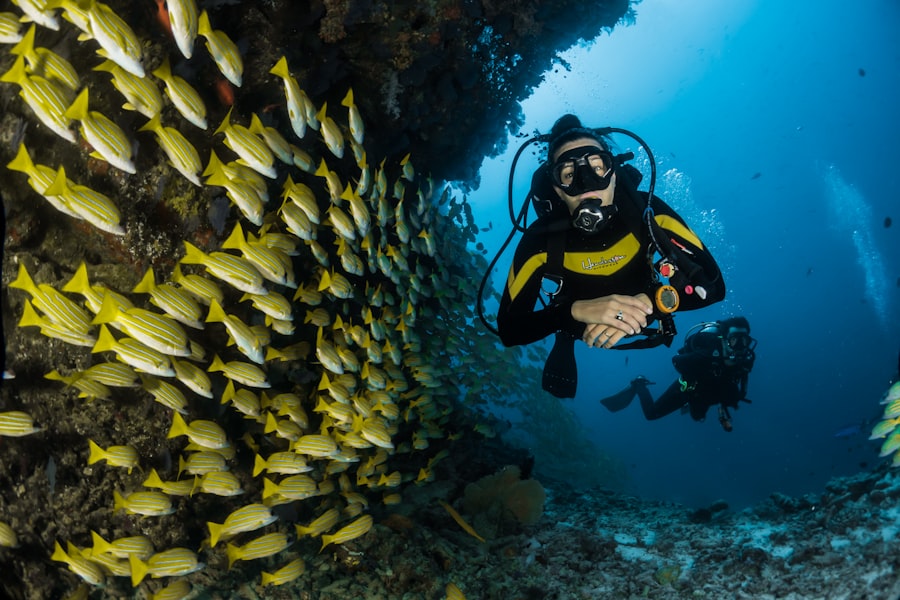
Cambodia is not a world-class diving destination in the way that Indonesia or the Philippines are, but the waters around the Koh Rong archipelago offer decent diving and excellent snorkelling at a fraction of the cost you would pay elsewhere in Southeast Asia. The marine ecosystem is relatively healthy because development came late, and conservation efforts are growing. Beyond diving, Cambodia offers kayaking, paddleboarding, and one of the region's most magical aquatic phenomena: bioluminescent plankton.

Diving

Aspect Details
Best Season November–May (calm seas, 15–25m visibility)
Water Temperature 27–30°C year-round (no wetsuit needed)
Key Sites Koh Kon (best coral), Koh Tang (deeper, bigger fish), Koh Prins (macro life)
Marine Life Barracuda, reef sharks (rare), nudibranchs, seahorses, octopus, batfish, moray eels
Fun Dive €30–50 per dive (including gear)
PADI Open Water €320–450 (3–4 days)
Operators Dive shops on Koh Rong and Koh Rong Samloem; some based in Sihanoukville
🐧 Koh Tang: Wreck & History Diving

Koh Tang was the site of the last US military engagement of the Vietnam War era (the Mayaguez Incident, 1975). Some dive operators offer trips to the island, which combines reef diving with a sobering historical context. The remote location (3–4 hours by boat from Sihanoukville) means fewer divers and bigger fish, but trips are weather-dependent and expensive (€90+).

Snorkelling

Snorkelling is the more accessible and rewarding option for most visitors. The waters around Koh Rong Samloem's south side, particularly Lazy Beach and the rocky coastline between beaches, offer excellent shallow-water snorkelling with healthy hard coral, abundant reef fish, and occasional sightings of cuttlefish and sea turtles. No boat needed — wade in from the beach.

  • Best spots: Lazy Beach (Koh Rong Samloem), southern tip of Koh Rong, Koh Kon island
  • Gear rental: €3–5/day at island guesthouses (quality varies; bring your own mask if particular)
  • Guided snorkel trips: €9–20 for half-day boat trips visiting 2–3 spots with lunch
  • Best months: December–April for visibility; June–October has rougher seas and reduced visibility

Bioluminescent Plankton

One of Cambodia's most magical experiences happens in the dark. The waters around Koh Rong and Koh Rong Samloem harbour bioluminescent plankton (dinoflagellates) that emit an electric blue glow when disturbed. On moonless nights, swimming in the shallows creates a surreal, Avatar-like experience where every movement produces bursts of blue light.

✨ Best Bioluminescence Conditions
  • Visit during new moon or crescent moon — darkness is essential
  • Saracen Bay (Koh Rong Samloem) and Long Set Beach (Koh Rong) are the best spots
  • Wade in waist-deep and move your hands through the water — every motion creates glowing trails
  • Visible year-round but strongest during dry season (Nov–Apr)
  • No need for a tour — just walk to the water's edge after dark

Other Water Activities

  • Kayaking & Paddleboarding: Available on the islands (€4–10/hour) and in Kampot (guided mangrove kayak tours €15–25). Kampot's mangrove channels are magical at sunset.
  • River Cruises: Sunset cruises on the Mekong in Phnom Penh (€7–15) or the Sangker River in Battambang (the scenic Siem Reap–Battambang boat, €20–30).
  • Swimming: Waterfalls in Mondulkiri (Bou Sra) and Ratanakiri (Ka Tieng), Yeak Laom volcanic lake, and of course the island beaches. Hotel pools in Siem Reap often allow day use for €3–5.
  • Fishing: Community-based fishing trips on Tonle Sap. Early morning, traditional methods, and a meal from your catch. Arranged through local homestay programmes.

Walks & Hikes

Cambodia is not a trekking destination in the way that Nepal or northern Vietnam are — the terrain is largely flat lowland plains. But what it lacks in mountain trails it makes up for with atmospheric temple walks, jungle trails, national park explorations, and highland treks in the remote northeast. Every hike in Cambodia comes with cultural or historical context that elevates it beyond mere exercise.

Best Walks & Hikes

Walk / Hike Location Distance Difficulty Highlights
Angkor Grand Circuit Siem Reap 26km (by bike/tuk-tuk + walking) Easy–Moderate Remote temples, Preah Khan, Neak Pean, Pre Rup. Less crowded than Small Circuit
Kep National Park Trails Kep 8km network Easy–Moderate Jungle canopy, sunset viewpoints over Gulf of Thailand, LED trail at night
Phnom Kulen 50km north of Siem Reap 5–8km trails Moderate Sacred mountain, river of 1,000 lingas, waterfall, reclining Buddha
Mondulkiri Jungle Treks Sen Monorom 8–20km Moderate–Hard Elephant spotting, Bunong village visits, waterfalls, dense jungle
Virachey National Park Ratanakiri Multi-day (20–60km) Hard Cambodia's most remote wilderness. Requires guide + permits. 2–8 day treks
Bokor Mountain Kampot Various (2–10km walks) Easy (by scooter) to Moderate (on foot) Abandoned French colonial buildings, cloud forest, coastal views
Koh Rong Samloem Coastal Walk Koh Rong Samloem 3–5km Easy–Moderate Beach-to-beach trail across the island. Jungle path to Lazy Beach is atmospheric
Beng Mealea Temple 65km east of Siem Reap 2–3km exploration Moderate (scrambling) Completely jungle-swallowed temple. Climb over collapsed walls and through doorways
💣 Landmine Awareness

Cambodia remains one of the most heavily mined countries in the world. While tourist areas and established trails are safe, never walk off marked paths in rural areas, especially in the northwest (Battambang, Pailin, Banteay Meanchey provinces) and along the Thai border. Look for red skull-and-crossbones signs marking mined areas. If you see one, stop, retrace your exact steps, and leave the area. This is not paranoia — mine clearance continues daily.

Temple Walking Tips

The Angkor complex alone involves substantial walking. A typical three-day temple exploration covers 15–25 km on foot across uneven stone, steep stairs, and sandy paths in 30–35°C heat. Preparation makes the difference between enjoyable and exhausting:

  • Start at 5am to maximise the cool morning hours
  • Return to your hotel/hostel during the hottest hours (11am–2pm) and go back for late afternoon
  • Bring a minimum of 2 litres of water per person for a half-day session
  • Sturdy sandals or trail shoes — not flip-flops (uneven stone, steep stairs)
  • A headlamp is useful for exploring dark interior corridors at Angkor Wat and Bayon

Wildlife & Nature

Asian elephant in natural forest habitat

Cambodia's wildlife is a story of resilience against formidable odds. Decades of conflict, deforestation, and poaching have reduced many species to critical levels, but conservation efforts are gaining ground. The country retains significant wild spaces — especially in the northeast and the Cardamom Mountains — that harbour species found nowhere else in mainland Southeast Asia. For wildlife-minded travellers, Cambodia offers encounters that are rare, meaningful, and often support vital conservation work.

Key Wildlife Encounters

🐋 Irrawaddy Dolphins

Fewer than 100 Irrawaddy freshwater dolphins survive in the Mekong near Kratie. These gentle, round-headed dolphins are critically endangered. Small boat trips (€8 per boat, split between passengers) offer sightings in the early morning. Conservation fees support local protection programmes.

Critically Endangered

🐘 Asian Elephants

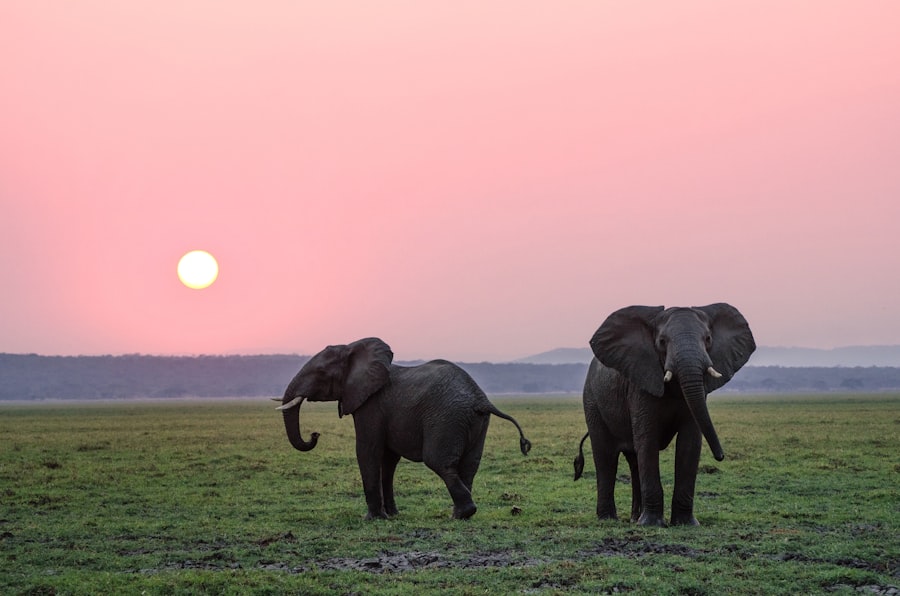
The Elephant Valley Project near Sen Monorom (Mondulkiri) is one of Asia's best ethical elephant sanctuaries. No riding, no performing — watch rescued elephants roam, bathe, and forage in the forest. Day visits (€50/person) directly fund elephant rescue and Bunong community support.

Ethical Encounter

🦇 Giant Ibis & Vultures

Cambodia is the last refuge of the giant ibis (Cambodia's national bird, fewer than 300 remain) and several critically endangered vulture species. The Sam Veasna Centre in Siem Reap runs world-class birding tours to Tmatboey and Preah Vihear provinces where sightings are near-guaranteed.

Birding Hotspot

🦏 Bats of Phnom Sampeau

Every evening at Phnom Sampeau near Battambang, millions of wrinkle-lipped free-tailed bats emerge from cave systems in a streaming black river that can last 30+ minutes. The spectacle is visible from the temple at the hilltop. Free to watch, unforgettable.

Free Spectacle

Tonle Sap Ecosystem

Tonle Sap is one of the world's most important freshwater ecosystems and a UNESCO Biosphere Reserve. Its annual flood pulse creates a vast floodplain forest that serves as a breeding ground for hundreds of fish species and nesting site for waterbirds. The lake supports over a million people who live on or near the water. The Prek Toal Bird Sanctuary at the northwestern edge of the lake is Cambodia's most important waterbird nesting site, home to colonies of spot-billed pelicans, milky storks, painted storks, and lesser adjutants.

Protected Areas Worth Visiting

Protected Area Location Key Species Access
Cardamom Mountains Southwest Sun bears, clouded leopards, Asian elephants, hornbills Guided treks via Chi Phat community tourism
Virachey National Park Ratanakiri Gibbons, douc langurs, tigers (extremely rare) Multi-day guided treks with permits
Prek Toal Bird Sanctuary Tonle Sap Pelicans, storks, cormorants Boat from Siem Reap or Battambang
Koh Rong Marine Park Islands Reef fish, sea turtles, seahorses Snorkel/dive from island guesthouses
Mondulkiri Forest Northeast Black-shanked douc langurs, gibbons, elephants Guided treks from Sen Monorom
💚 Ethical Wildlife Guidelines
  • Never ride elephants. The Elephant Valley Project is the gold standard for ethical encounters
  • Avoid "wildlife selfie" attractions where animals are drugged, chained, or kept in poor conditions
  • Support community-based tourism: Projects like Chi Phat (Cardamom Mountains) and Banteay Chhmar provide livelihoods that make conservation economically viable
  • Don't buy wildlife products: Tortoiseshell, snake wine, dried seahorses, and ivory are illegal and fuel poaching
  • Sam Veasna Centre for birding tours is the most reputable wildlife-focused operator in Cambodia

Hidden Gems & Off the Beaten Path

Cambodia's tourist trail is well-worn between Siem Reap, Phnom Penh, and the south coast. But step just slightly off this path and you find a country that few foreign visitors experience: remote temple complexes without another tourist in sight, communities that have barely changed in generations, and landscapes of startling beauty. These hidden gems require a bit more effort but deliver outsized rewards.

Banteay Chhmar

A sprawling, partially collapsed Angkor-era temple complex in remote Banteay Meanchey province. Bas-reliefs as fine as anything at Angkor, strangler figs engulfing towers, and you might be the only visitor all day. A community-based tourism project offers homestays with local families. Getting here requires effort (3+ hours from Siem Reap by bad road), but it captures what Angkor must have felt like before mass tourism.

Temple Explorer

Chi Phat & the Cardamom Mountains

A former poaching community turned ecotourism model, deep in the Cardamom Mountains of southwestern Cambodia. Multi-day jungle treks, mountain biking, kayaking through pristine rivers, and wildlife spotting. Community-run with profits funding conservation. Access from Koh Kong or Phnom Penh. Accommodation is basic (homestays and tents), but the wilderness is real.

Ecotourism

Kampong Cham & the Bamboo Bridge

A charming Mekong-side town rarely visited by tourists. The highlight is the bamboo bridge — rebuilt by hand every dry season to connect the town to Koh Paen island, then dismantled before the monsoon floods. Walk or cycle across to explore a peaceful island of rice paddies and fruit orchards. The bridge typically exists from December to June.

Seasonal Wonder

Koh Sdach Archipelago

A cluster of small islands between Sihanoukville and Koh Kong that remain almost completely unknown to tourists. Fishing communities, empty beaches, basic guesthouses, and excellent snorkelling. Getting there requires a local boat from Sihanoukville or Koh Kong — ask around at the waterfront. This is what Koh Rong was 15 years ago.

Island Secret

Sambor Prei Kuk

Cambodia's newest UNESCO World Heritage Site (inscribed 2017), this pre-Angkorian temple complex dates to the 6th–7th century — centuries older than Angkor Wat. Octagonal temples unique in Southeast Asian architecture, set in peaceful forest near Kampong Thom. An easy stopover between Phnom Penh and Siem Reap. €3 entry, guides available.

UNESCO Site

Koh Trong Island (Kratie)

A peaceful Mekong island opposite Kratie town, reachable by a €0.50 ferry. Cycle the 9km perimeter road through orchards and villages, visit a floating Vietnamese village, and spot dolphins from the island's northern tip. Homestays available for €4–10 including dinner. Pure, unhurried Cambodia.

Rural Peace

More Hidden Gems

  • Koh Ker: A remote 10th-century capital 120km from Siem Reap with a dramatic 7-tiered pyramid temple (Prasat Thom). Recently UNESCO-listed. Few visitors, powerful atmosphere. Day trip or overnight from Siem Reap.
  • Phnom Chisor: A hilltop Angkorian temple south of Phnom Penh with panoramic views over the surrounding plain. Easy day trip from the capital. Climb 400+ steps for the reward of the view and near-solitude.
  • Stung Treng: A quiet Mekong town near the Lao border, gateway to the Mekong flooded forest and excellent dolphin-spotting upstream. Far fewer tourists than Kratie. Kayaking through the flooded forest is extraordinary in wet season.
  • Kampong Chhnang: A pottery-producing town with floating Vietnamese and Cham Muslim communities on the Tonle Sap River. Authentic, uncommercialised, and easily visited on the road between Phnom Penh and Battambang.
💡 Off-Path Strategy

The key to off-beat Cambodia is time flexibility. Without rigid schedules, you can take local buses and minivans to places that are poorly served by tourist transport, stay in family guesthouses that do not appear on Booking.com, and eat at market stalls where no menu exists. Speak slowly, smile often, and carry small USD bills. A few words of Khmer ("aw-kohn" for thank you, "ch'ngahn" for delicious) open doors that remain closed to the hurried tourist.

Route A: Classic 2-Week Loop

This is the most popular route through Cambodia and for good reason — it covers every major highlight in a logical anti-clockwise loop. Ideal for travellers entering from Thailand (via Siem Reap) or Vietnam (via Phnom Penh), the route flows naturally between temples, capital, countryside, coast, and islands. Two weeks is the sweet spot: unhurried enough to savour each destination without wasting days on transport.

Duration
14 days
Budget (couple)
€450–800
All-inclusive estimate
Transport
Bus + Ferry
All bookable locally
Best Season
Nov–Feb
Also works Jun–Aug

Days 1–4: Siem Reap & Battambang

Day 1: Arrive, settle in, explore Siem Reap town. Night Market, Pub Street for cheap beers, book your tuk-tuk driver for 3 days. Buy 3-day Angkor pass after 5pm for a free sunset entry at Pre Rup.

Day 2: Angkor Small Circuit. Sunrise at Angkor Wat (arrive 4:45am), explore Angkor Wat interior, Angkor Thom (Bayon, Baphuon, Terrace of the Elephants), Ta Prohm. Midday break, return for late afternoon light.

Day 3: Angkor Grand Circuit. Preah Khan, Neak Pean, Ta Som, East Mebon, Pre Rup. Afternoon: Banteay Srei (30km out, exquisite carvings). Evening: Phare Circus show (€15–38).

Day 4: Day trip to Battambang by private driver or minivan (3 hours each way). Bamboo train ride, Phare circus if not seen in Siem Reap, Phnom Sampeau bat caves sunset. Return to Siem Reap evening. Alternative: Beng Mealea jungle temple or Tonle Sap floating village, cooking class.

Days 5–7: Phnom Penh

Day 5: Morning bus to Phnom Penh (5–6 hours, €7–12). Afternoon: settle in, riverfront walk, sunset beer at a Sisowath Quay terrace.

Day 6: Morning: Tuol Sleng Genocide Museum (allow 2–3 hours with audio guide). After lunch: Choeung Ek Killing Fields (allow 2 hours). These are emotionally heavy — plan a quiet evening.

Day 7: Royal Palace & Silver Pagoda (morning, €9), National Museum (€9), Central Market. Afternoon: explore Kandal Market for street food, or visit the Russian Market for souvenirs. Optional: sunset river cruise (€7–15).

Days 8–10: Kampot & Kep

Day 8: Morning bus to Kampot (3–4 hours, €5–8). Afternoon: rent a scooter, visit a pepper farm (La Plantation or Sothy's). Evening: Kampot riverside dinner — the food scene here is outstanding.

Day 9: Morning: day trip to Kep — hike Kep National Park, lunch at the crab market (pepper crab!). Optional: boat to Rabbit Island for an afternoon swim. Return to Kampot evening.

Day 10: Morning: kayak or paddleboard on the Kampot River, or ride to Bokor Hill Station (abandoned French colonial buildings, cloud forest). Afternoon: final pepper farm visit or cave temples. Evening bus/minivan toward coast.

Days 11–13: Islands (Koh Rong or Koh Rong Samloem)

Day 11: Morning bus/minivan to Sihanoukville (2–3 hours from Kampot, €6). Ferry to Koh Rong Samloem (1 hour, €15 return). Afternoon: settle in, beach, snorkel off the rocks.

Day 12: Full island day. Morning snorkel trip or coastal walk to Lazy Beach. Afternoon: hammock, read, swim. Night: bioluminescent plankton swim (check moon phase).

Day 13: Final beach morning. Afternoon ferry back to Sihanoukville.

Day 14: Onward travel: bus to Phnom Penh (4–5 hours) for flights, or cross overland to Vietnam (Bavet/Moc Bai border, 3–4 hours to Ho Chi Minh City).

🔄 Direction Flexibility

This route works equally well in reverse. Entering from Vietnam? Start with Phnom Penh, work south to the coast and islands, then north through Battambang to Siem Reap, exiting to Thailand. Entering from Thailand? Follow the route as written above. The key is to avoid backtracking — Cambodia is small enough to loop through efficiently.

Route B: 3-Week Deep Dive

Three weeks allows you to see everything in Route A plus Cambodia's extraordinary northeast — the wild frontier of Kratie, Mondulkiri, and optionally Ratanakiri. This route adds Mekong dolphins, ethical elephant encounters, jungle waterfalls, and indigenous communities to the temple-capital-coast core. It requires more transport days but rewards with experiences that most visitors to Cambodia miss entirely.

Duration
21 days
Budget (couple)
€630–1,100
All-inclusive estimate
Transport
Bus + Ferry + Minivan
Some long travel days
Best Season
Nov–Feb
Northeast roads dry

Days 1–4: Siem Reap

Day 1: Arrive, settle in, explore Siem Reap town. Night Market, Pub Street for cheap beers, book your tuk-tuk driver for 3 days. Buy 3-day Angkor pass after 5pm for a free sunset entry at Pre Rup.

Day 2: Angkor Small Circuit. Sunrise at Angkor Wat (arrive 4:45am), explore Angkor Wat interior, Angkor Thom (Bayon, Baphuon, Terrace of the Elephants), Ta Prohm. Midday break, return for late afternoon light.

Day 3: Angkor Grand Circuit. Preah Khan, Neak Pean, Ta Som, East Mebon, Pre Rup. Afternoon: Banteay Srei (30km out, exquisite carvings). Evening: Phare Circus show (€15–38).

Day 4: Beng Mealea jungle temple (65km) or Koh Ker remote pyramid temple (incredible atmosphere). Afternoon: Tonle Sap floating village or cooking class. The 7-day Angkor pass (€65 only €9 more than 3-day) is excellent value for this longer trip.

Days 5–7: Battambang

Day 5: Morning bus or boat to Battambang (bus: 3 hours, €5; boat across Tonle Sap: 5–7 hours, €20 dry season only — the boat is one of Southeast Asia's great river journeys). Afternoon: colonial architecture walk, riverside sunset.

Day 6: Morning: cooking class or bamboo train ride. Afternoon: cycle or tuk-tuk to Wat Banan temple (mini Angkor Wat on a hilltop) and Phnom Sampeau caves (Khmer Rouge history site + bat cave). Sunset: bat emergence spectacle.

Day 7: Morning: explore Battambang's art galleries and French colonial quarter. Optional: countryside cycling tour through rice paddies and traditional villages. Afternoon: prepare for departure to Phnom Penh.

Days 8–10: Phnom Penh

Day 8: Morning bus to Phnom Penh (5–6 hours, €7–12). Afternoon: settle in, riverfront walk, sunset beer at a Sisowath Quay terrace.

Day 9: Morning: Tuol Sleng Genocide Museum (allow 2–3 hours with audio guide). After lunch: Choeung Ek Killing Fields (allow 2 hours). These are emotionally heavy — plan a quiet evening.

Day 10: Royal Palace & Silver Pagoda (morning, €9), National Museum (€9), Central Market. Afternoon: Silk Island day trip (Koh Dach, traditional silk weaving), or explore Bassac Lane nightlife and Street 240 coffee-and-art scene.

Days 11–14: Kratie & Mondulkiri

Day 11: Early morning bus from Phnom Penh to Kratie (6–7 hours, €7–10). Afternoon: ferry to Koh Trong island, cycle the perimeter (9km), sunset dolphin watch from the northern tip.

Day 12: Early morning dolphin-watching boat trip at Kampi (€8/boat, best sightings 6–7am). Afternoon: minivan to Sen Monorom, Mondulkiri (4–5 hours, €7). The road passes through increasingly wild, hilly terrain. Arrive and explore the surprisingly charming small town set among pine-covered hills.

Day 13: Elephant Valley Project full-day experience (€50/person). Walk alongside rescued elephants in the forest, learn about Bunong culture, and directly support conservation. This is the highlight of the northeast for many travellers.

Day 14: Morning: visit Bou Sra Waterfall (impressive twin cascade, 35km from town, by scooter or tuk-tuk). Afternoon: explore Bunong minority villages or take a shorter jungle trek. Evening: enjoy the cool highland evening — Sen Monorom can drop to 18–20°C at night, a welcome change from lowland heat. Overnight minivan back to Phnom Penh or early Day 15 departure.

Days 15–17: Kampot & Kep

Day 15: Travel day from Mondulkiri. If overnight bus, arrive Phnom Penh early morning, continue by bus to Kampot (3–4 hours, €5–8). Afternoon: settle in, rent a scooter, visit a pepper farm (La Plantation or Sothy's). Evening: Kampot riverside dinner — the food scene here is outstanding.

Day 16: Morning: day trip to Kep — hike Kep National Park, lunch at the crab market (pepper crab!). Optional: boat to Rabbit Island for an afternoon swim or overnight (basic bungalows, €7–15) for a genuine Robinson Crusoe experience. Return to Kampot evening if not staying on island.

Day 17: Morning: kayak or paddleboard on the Kampot River, or full day at Bokor Hill Station exploring the abandoned French colonial buildings and cloud forest. Afternoon: cave temples or final pepper plantation visit. Evening: prepare for island departure.

Days 18–20: Islands

Day 18: Morning bus/minivan to Sihanoukville (2–3 hours, €6). Ferry to Koh Rong Samloem (1 hour, €15 return). Afternoon: settle in, beach, snorkel off the rocks.

Day 19: Full island day. Morning snorkel trip or coastal walk to Lazy Beach. Afternoon: hammock, read, swim. Optional: day trip to Koh Rong (backpacker scene, Long Set Beach) or stay on Samloem for paradise vibes. Night: bioluminescent plankton swim (check moon phase).

Day 20: Final beach morning. Afternoon ferry back to Sihanoukville.

Day 21: Onward travel: bus to Phnom Penh (4–5 hours) for flights, or cross overland to Vietnam (Bavet/Moc Bai border, 3–4 hours to Ho Chi Minh City).

📌 Route B Variant: Add Ratanakiri

If you have 4 weeks, extend Route B with 3–4 days in Ratanakiri province (Banlung). Add after Kratie: minivan to Banlung (6 hours), visit Yeak Laom volcanic lake, trek in Virachey National Park, explore Jarai minority communities. This is Cambodia's most remote tourist destination — minimal infrastructure, maximum adventure. Only recommended in dry season (Nov–Mar) when roads are passable.

Route C: 10-Day Highlights

If Cambodia is part of a larger Southeast Asia trip and you only have 10 days, this compressed route hits the three essentials: temples, capital, and coast. It skips Battambang and the northeast but covers the experiences that define a Cambodia visit. Everything is achievable by bus with minimal backtracking.

Duration
10 days
Budget (couple)
€320–550
All-inclusive estimate
Transport
Bus + Ferry
Short distances
Best Season
Any
Works year-round

Days 1–3: Siem Reap & Angkor

Day 1: Arrive, settle in, explore Siem Reap town. Night Market, Pub Street for cheap beers, book your tuk-tuk driver. Buy 3-day Angkor pass after 5pm for a free sunset entry at Pre Rup.

Day 2: Angkor Small Circuit. Sunrise at Angkor Wat (arrive 4:45am), explore Angkor Wat interior, Angkor Thom (Bayon, Baphuon, Terrace of the Elephants), Ta Prohm. Midday break, return for late afternoon light.

Day 3: Angkor Grand Circuit + Banteay Srei (30km out, exquisite carvings). Preah Khan, Neak Pean, Ta Som, East Mebon, Pre Rup. Evening: Phare Circus show (€15–38) or Pub Street farewell.

Days 4–6: Phnom Penh

Day 4: Fly or bus from Siem Reap (bus: 6 hours, €7–12; flight: 45 min, €35–80). Afternoon: settle in, riverfront walk, sunset beer at a Sisowath Quay terrace.

Day 5: Morning: Tuol Sleng Genocide Museum (allow 2–3 hours with audio guide). After lunch: Choeung Ek Killing Fields (allow 2 hours). These are emotionally heavy — plan a quiet evening.

Day 6: Royal Palace & Silver Pagoda (morning, €9), National Museum (€9), Central Market. Afternoon: explore Russian Market for souvenirs or Kandal Market for street food. Optional: sunset river cruise (€7–15).

Days 7–9: South Coast — Kampot & Islands

Day 7: Morning bus to Kampot (3–4 hours, €5–8). Afternoon: rent a scooter, visit a pepper farm (La Plantation or Sothy's). Evening: Kampot riverside dinner — the food scene here is outstanding.

Day 8: Morning: day trip to Kep — hike Kep National Park, lunch at the crab market (pepper crab!). Afternoon: return to Kampot, kayak on the river or visit cave temples. Evening: bus/minivan to Sihanoukville (2–3 hours, €6).

Day 9: Morning ferry to Koh Rong Samloem (1 hour, €15 return). Full day: beach, snorkeling, hammock time. Night: bioluminescent plankton swim (check moon phase). Overnight on island.

💡 Alternative: Kampot-Based South Coast

If you prefer to minimize stops, base all 3 nights in Kampot and do Kep as a day trip (Day 7), Bokor Hill Station or Rabbit Island (Day 8), and skip the islands entirely for a more relaxed pace. This keeps you at exactly 3 stops and gives deeper immersion in the Kampot area. Ferry to islands from Sihanoukville on Day 9, return Day 10 morning for departure.

⏱️ Time-Saving Tips for 10-Day Route
  • Consider the Siem Reap–Phnom Penh flight: Saves 5 hours of bus travel, costs €35–80, and converts a lost travel day into a usable half-day in Phnom Penh
  • Book Giant Ibis or Mekong Express buses: The most comfortable, reliable bus companies with onboard wifi and minimal stops
  • Skip Sihanoukville: Time your bus arrival to connect directly with an afternoon ferry to the islands
  • Pre-book island accommodation during peak season (Dec–Feb) — Koh Rong Samloem has limited capacity

Route Comparison Summary

Feature Route A (14 days) Route B (21 days) Route C (10 days)
Temples 3–4 days at Angkor 4+ days at Angkor + Koh Ker 3 days at Angkor
Battambang ✅ Day trip from Siem Reap ✅ 3 days ❌ Skipped
Phnom Penh 3 days 3 days 3 days
Northeast ❌ Skipped ✅ Kratie + Mondulkiri (4 days) ❌ Skipped
Kampot & Kep ✅ 3 days ✅ 3 days ✅ Integrated (3 days)
Islands 3 days 3 days Integrated
Budget (couple) €450–800 €630–1,100 €320–550
Our Pick Route A for most couples. Route B if you have time and love nature/wildlife

Getting Around

Cambodia's transport network has improved dramatically in recent years, with paved highways now connecting all major cities. Most travellers rely on a combination of buses, minivans, tuk-tuks, and ferries. The country is compact enough that the longest intercity journey (Phnom Penh to Siem Reap) takes only 6 hours by bus. Domestic flights exist but are rarely necessary given the short distances and low bus prices.

Intercity Transport

Route Distance Duration Price Best Option
Phnom Penh → Siem Reap 315 km 6–7 hrs €7–15 Giant Ibis or Mekong Express bus (comfy, wifi, snacks)
Siem Reap → Battambang 170 km 3 hrs bus / 5–7 hrs boat €5 bus / €20 boat Bus for speed; boat for scenery (dry season only)
Phnom Penh → Kampot 150 km 3–4 hrs €5–8 Giant Ibis or local bus
Phnom Penh → Sihanoukville 230 km 4–5 hrs €7–12 Giant Ibis; highway is good quality
Sihanoukville → Koh Rong Ferry 45–60 min €10–15 return Speed ferry (Buva Sea, Island Speed Ferry)
Sihanoukville → K.R. Samloem Ferry 60–75 min €15–20 return Speed ferry; check sea conditions Jun–Oct
Phnom Penh → Kratie 315 km 6–7 hrs €7–10 Minivan or bus; road is decent
Kratie → Sen Monorom 200 km 4–5 hrs €7 Minivan; road improved but still bumpy
Kampot → Kep 25 km 30 min €2–3 Tuk-tuk or motorbike

Local Transport

Tuk-Tuk

Cambodia's signature transport: a motorcycle pulling a covered two-wheeled carriage. The default for city travel and day trips. Siem Reap temple circuit: €15–20/day. City rides: €1–3. Always negotiate before riding. Apps like PassApp and Grab are available in Phnom Penh and Siem Reap for fixed pricing.

Most Common

Motorbike Rental

€4–10/day for a semi-automatic scooter. Essential for exploring Kampot, the countryside, and off-beat destinations. International Driving Permit technically required but rarely checked. Helmets are legally required — wear one. Traffic is chaotic but slow-speed.

Freedom Option

Bicycle

€1–3/day rental. Perfect for Battambang, Koh Trong (Kratie), and exploring Siem Reap town (though too slow for the full Angkor circuit for most people). Cambodia is mostly flat — cycling is easy but hot. Start early.

Budget & Green

Ride-Hailing Apps

PassApp (Cambodia's local app) and Grab work in Phnom Penh and Siem Reap. Fixed prices, GPS tracking, payment by cash. Typically 20–40% cheaper than negotiating with street tuk-tuks. Download both before arriving.

Best Value

International Border Crossings

Border From/To Notes
Poipet–Aranyaprathet Siem Reap ↔ Bangkok Busiest border. Direct bus Siem Reap–Bangkok available (€15 8–10 hrs). Scam-heavy — use official counters only
Cham Yeam–Hat Lek Koh Kong ↔ Trat (Thailand) Quieter crossing, useful for connecting to Koh Chang. Less hassle than Poipet
Bavet–Moc Bai Phnom Penh ↔ Ho Chi Minh City Most popular Vietnam crossing. Direct bus 6–7 hours, €9–15. Generally smooth
Kaam Samnor–Vinh Xuong Phnom Penh ↔ Chau Doc (Vietnam) Scenic river crossing via speed boat. Recommended for the Mekong Delta route
Dong Kralor–Tra Peang Kriel Stung Treng ↔ 4000 Islands (Laos) Remote but functional. Useful for Don Det/Don Khon in southern Laos
🚨 Border Crossing Scams

The Poipet border is notorious. Common scams include: fake "VIP visa processing" offices before the border, inflated visa fees at unofficial counters, demands for "processing fees" or "health checks," and touts claiming the official border is closed. Walk past everything until you reach the official immigration booth. Have exact change in USD for the €25 visa-on-arrival fee. Do not hand your passport to anyone except uniformed immigration officials.

🚕 Top Bus Companies
  • Giant Ibis: The gold standard. Professional, comfortable, on-time. Wifi, USB charging, snacks, clean toilet stops. Book at giantibis.com
  • Mekong Express: Similar quality to Giant Ibis. Good Phnom Penh–Siem Reap service
  • Capitol Tours: Budget option, still decent. More routes including northeast
  • Avoid: Random minivan touts at bus stations. Use established companies for safety and reliability

Budget Breakdown

Cambodia is one of the cheapest countries in Southeast Asia, rivalling only Laos and Myanmar for sheer value. The US Dollar is the primary currency (alongside the Cambodian Riel, used mainly for change under €1), which makes budgeting straightforward. For a couple travelling on a low-to-medium budget with mostly private rooms, occasional dorms, and a mix of street food and restaurant dining, Cambodia delivers extraordinary experiences for remarkably little money.

Daily Budget Estimates (Per Couple)

Category Backpacker Low-Medium (Your Style) Mid-Range
Accommodation €5–12 (dorm beds x2) €10–25 (private room) €25–60 (hotel/boutique)
Food €4–8 (street food) €7–15 (mix street/restaurant) €15–30 (restaurants)
Transport €3–5 (local only) €4–10 (tuk-tuks, scooter) €9–20 (private car/flights)
Activities €3–5 €4–15 €15–30
Drinks & Misc €2–4 €4–8 €7–15
Daily Total €15–34 €30–73 €70–155

Realistic 2-Week Budget (Route A, Couple)

Expense Low Estimate Medium Estimate Notes
Accommodation (14 nights) €150 €270 Mix of €9–25 private rooms
Food (14 days) €100 €180 Street food heavy vs restaurant mix
Intercity Transport €50 €70 Buses + ferry to islands
Local Transport €40 €70 Tuk-tuks, scooter rental
Angkor Pass (3-day) €110 €110 €55 x 2 people
Other Activities €35 €80 Museums, tours, cooking class
Visa (VOA) €55 €55 €25 x 2 people
SIM Cards €5 €9 €3–5 each with data
Drinks & Misc €30 €65 Beer, coffee, snacks, souvenirs
TOTAL (2 weeks, couple) €580 €910 Approx. €20–36/person/day

Money Matters

💵 The Dual Currency System

Cambodia uses US Dollars for virtually all transactions above €1. The Cambodian Riel (KHR) is used for change under €1 (at roughly 4,100 KHR = €1). You will receive Riel as change from dollar purchases. ATMs dispense USD. Credit cards are accepted at upscale hotels and restaurants in cities but not elsewhere. Carry plenty of small USD bills (€1 €4 €9) — breaking a €45 or €90 at a street stall is difficult. Remember: bill quality matters — torn, marked, or very old bills will be refused.

Money-Saving Tips

  • Draft beer for €0.50: Siem Reap's Pub Street and many bars nationwide offer €0.50 draft beers. Cambodia might be Asia's cheapest drinking destination
  • Market breakfasts: Start every day at a local market for a €1–1.50 breakfast that beats any hostel offering
  • Share tuk-tuks: Temple tuk-tuk costs are per vehicle, not per person — always cheaper as a couple
  • Negotiate multi-day rates: Tuk-tuk drivers, scooter rentals, and guesthouses all offer better rates for 3+ days
  • Wet season discounts: Visit June–October for 30–50% off accommodation across the country
  • 7-day Angkor pass: Only €9 more than the 3-day (€65 vs €55). If you are staying 4+ days in Siem Reap, it is essentially free extra days
  • Cook occasionally: Guesthouses with kitchens plus market shopping can halve food costs
  • Avoid airport exchanges: ATMs in town offer better rates than airport money changers

Practical Information

Visa

Option Cost Processing Notes
e-Visa €30 (€25 + €5 fee) 3 business days online ✅ Recommended. Apply at evisa.gov.kh. Valid for single entry, 30 days. Print the approval letter
Visa on Arrival (VOA) €25 15–30 min at border Available at airports and land borders. Bring passport photo (4x6cm) and exact USD cash
Extension €40 3–5 days via travel agent 30-day extension of tourist visa. Arranged through guesthouses or agents in Phnom Penh/Siem Reap
⚠️ Visa Overstay

Overstaying your visa incurs a fine of €9 per day. While some travellers do this intentionally, it is recorded in your passport and may cause issues with future visa applications. If you need more than 30 days, arrange an extension — it is cheap and easy through any travel agent.

Health & Vaccinations

Vaccine / Precaution Status Notes
Hepatitis A & B Recommended Essential for food/water-borne risk. Check if you had childhood doses
Typhoid Recommended Good idea for extended stays with street food exposure
Tetanus/Diphtheria Should be current Update if last dose was 10+ years ago
Rabies Consider Pre-exposure series recommended if planning rural travel. Stray dogs everywhere
Japanese Encephalitis Consider For rural/rice paddy areas during wet season. Talk to travel doctor
Malaria Low risk in tourist areas Prophylaxis only needed for remote jungle areas (Mondulkiri, Ratanakiri). DEET repellent is sufficient for standard routes
Dengue Fever Present year-round No vaccine widely available. Prevent with DEET repellent, especially dawn and dusk. Symptoms: high fever, severe headache, joint pain

Connectivity

  • SIM Cards: Buy at the airport or any phone shop. Smart and Cellcard have the best coverage. €2–5 for a SIM with 10–30GB data for 30 days. Bring an unlocked phone
  • WiFi: Available at virtually all hostels, hotels, cafes, and restaurants in tourist areas. Quality varies — generally decent in cities, slower in rural areas and on islands
  • Power: 230V, 50Hz. Mixed plug types (A, C, G). Bring a universal adapter. Power outages occur occasionally, especially on islands and in rural areas. A power bank is essential

Safety

  • Bag snatching: The primary safety concern, especially in Phnom Penh. Wear bags cross-body, phone in pocket
  • Road safety: Traffic is chaotic. Look both ways repeatedly before crossing. Wear a helmet on motorbikes without exception
  • Landmines: Stay on marked paths in rural areas, especially northwest provinces. Never walk off-trail
  • Scams: Common at border crossings and around tourist sites. Use official services, negotiate prices beforehand, and trust your instincts
  • Drugs: "Happy" pizzas (marijuana-laced) are sold openly but drugs are technically illegal. Police occasionally use this for extortion. Not worth the risk
  • Swimming: Ocean currents around the islands can be strong. No lifeguards. Respect the sea, especially during wet season
  • Emergency: Police: 117 / Fire: 118 / Ambulance: 119 (service quality varies dramatically; travel insurance with medevac is essential)

Key Practical Details

Language
Khmer
English widely spoken in tourist areas
Time Zone
UTC+7
Same as Vietnam & Thailand
Tipping
Not expected
Appreciated at restaurants (10% generous)
Drinking Age
No minimum
Officially none; rarely enforced

Tips & Common Mistakes

Cambodia is straightforward to travel, but a few insider tips and common pitfalls can make the difference between a smooth trip and unnecessary frustration. Most mistakes come from applying expectations from other Southeast Asian countries or from not knowing Cambodia's unique quirks.

Top Tips

# Tip Details
1 Carry crisp USD bills Seriously. Torn, marked, folded, or pre-2006 series bills will be refused by almost everyone. Get fresh bills from your bank before departure or from Cambodian ATMs
2 Download PassApp before arrival Cambodia's Grab equivalent. Fixed prices, no bargaining stress, GPS tracking. Works in Phnom Penh and Siem Reap. Much cheaper than street tuk-tuks at tourist spots
3 Book Giant Ibis for long routes The quality difference between Giant Ibis/Mekong Express and random minivan companies is enormous. Worth the extra €2–3
4 Start Angkor at sunrise, break midday The morning light is best for photos. By 11am the heat is punishing. Return to your hotel for a siesta and go back at 3pm for the golden afternoon light. Three shifts per day, not one marathon
5 Learn five Khmer words "Sous-dey" (hello), "aw-kohn" (thank you), "ch'ngahn" (delicious), "t'lay pon-maan?" (how much?), "ot tay" (no). These transform interactions
6 Eat where locals eat Follow the crowds to market stalls and local restaurants. The best food is never in the tourist-facing restaurants with English menus on Pub Street
7 Hydrate aggressively 3–4 litres per day minimum. Carry a reusable bottle and refill at guesthouses (many offer filtered water). Add electrolyte sachets on temple days
8 Bring a headlamp to temples Many temple interiors are pitch black. A headlamp reveals incredible carvings and bas-reliefs in corridors that most tourists walk past
9 Buy Angkor pass the evening before After 5pm, the ticket office sells next-day passes and allows free sunset entry. This saves time on your first full morning (go straight to sunrise instead of queuing for tickets)
10 Carry toilet paper and hand sanitiser Public toilets outside tourist areas rarely have paper. A small roll in your daypack saves the day

Common Mistakes to Avoid

❌ Trying to See All of Angkor in One Day

Angkor has hundreds of temples across 400+ km². A one-day pass means a rushed, exhausting sprint through the highlights in searing heat. Three days minimum — ideally with midday breaks. The €55 three-day pass is only €20 more than the one-day (€35) and infinitely better value.

❌ Staying in Sihanoukville

The town has been transformed by Chinese casino development and is no longer the backpacker beach town of old. Use it only as a ferry transit point to Koh Rong/Samloem. Get on a ferry, not a hotel.

❌ Believing "The Border is Closed" at Poipet

Touts at the Thai-Cambodia border will tell you the official border is closed and offer to take you to a "VIP processing centre." It is always open during operating hours. Walk past them. Do not hand your passport to anyone except uniformed officials at the counter.

❌ Giving to Children Begging

Well-meaning tourists perpetuate child begging by giving money, sweets, or school supplies directly to children around temples. This incentivises families to keep children out of school. Instead, donate to established NGOs, buy from adult vendors, or support community-based tourism projects.

❌ Ignoring Travel Insurance

Cambodia's healthcare is limited. Serious injuries or illness require medical evacuation to Bangkok or Singapore (cost: €18,000+). Never travel in Cambodia without comprehensive travel insurance that includes medevac coverage. It is the one expense that is non-negotiable.

❌ Riding Elephants

Elephant-back rides at Angkor and elsewhere involve animals kept in cruel conditions. The Elephant Valley Project in Mondulkiri is the ethical alternative — walk alongside elephants in their natural habitat instead of riding them.

🔥 Holiday & Event Awareness

Plan around these dates that significantly affect travel logistics:

  • Khmer New Year (Apr 14–16): The country essentially shuts down for 3+ days. Transport is chaotic, Phnom Penh empties, beach towns overflow. Beautiful celebrations but challenging logistics. Book everything weeks in advance or avoid entirely.
  • Pchum Ben (Oct: 10–12; Sep/Oct: 29–1): Ancestor worship festival. Many businesses close, locals travel to pagodas. Quieter tourist areas, some transport disruptions.
  • Water Festival / Bon Om Touk (Nov 23–25): Spectacular boat races in Phnom Penh celebrating the reversal of Tonle Sap flow. 2+ million visitors descend on Phnom Penh — accommodation is impossible to find without far-advance booking. Worth seeing if you can plan around it; otherwise avoid Phnom Penh these dates.
  • Victory Over Genocide Day (Jan 7): National holiday, some closures, but generally does not affect tourist travel.

Final Recommendation

Silhouette of Angkor Wat at golden sunset

Cambodia deserves every bit of its "Kingdom of Wonder" moniker. It is one of those rare destinations where world-class cultural heritage, unspoiled natural beauty, powerful history, and genuine human warmth converge — all at prices that make you feel slightly guilty about how little you are spending. For a couple on a low-to-medium budget, Cambodia offers perhaps the highest experience-to-dollar ratio in all of Southeast Asia.

Our Recommended Plan for Your Trip

🌟 The Ideal Cambodia Window
  • When: November or December — cool dry season, post-monsoon green, reasonable prices
  • Duration: 14–17 days (Route A with flexibility)
  • Route: Enter from Vietnam (Phnom Penh) or Thailand (Siem Reap), loop anti-clockwise: Siem Reap → Battambang → Phnom Penh → Kampot/Kep → Koh Rong Samloem → exit to Vietnam or Thailand
  • Budget: Approximately €450–800 total for the couple over 2 weeks, including Angkor passes, visa, transport, food, accommodation, and activities
  • Don't Miss: Angkor sunrise (3-day pass), Tuol Sleng + Killing Fields, Kampot pepper crab, Koh Rong Samloem bioluminescence, Battambang bat caves
  • If You Have 3 Weeks: Add Kratie (Irrawaddy dolphins) and Mondulkiri (Elephant Valley Project) — the northeast adds a completely different dimension to the trip

How Cambodia Fits Your Larger Trip

Cambodia slots perfectly into a broader Southeast Asian circuit. The most logical flows for your extended trip:

Sequence Option Entry Exit Notes
Vietnam → Cambodia → Thailand Bus HCMC → Phnom Penh Bus Siem Reap → Bangkok ✅ Most popular, logical flow west
Thailand → Cambodia → Vietnam Bus Bangkok → Siem Reap Bus PP → HCMC or boat → Chau Doc Good if arriving from Thailand first
Cambodia first (from Australia) Fly into Phnom Penh or Siem Reap Overland to Vietnam or Thailand Possible via KL, Singapore, or Bangkok hub

What Will Stay With You

Years from now, you will remember the first moment Angkor Wat's five towers appeared in the pre-dawn darkness, the faces at Bayon smiling through morning mist, the silence of the Killing Fields broken only by birdsong, the electric blue of bioluminescent plankton trailing your fingers through warm water, and the genuine, unprompted kindness of a tuk-tuk driver who shared his family's story over a €1 plate of lok lak.

Cambodia is a country that changes you. It is not a place you simply visit; it is a place that makes you think — about history, about resilience, about how little you actually need to be deeply, profoundly happy. Go with an open heart, a few crisp dollar bills, and enough time to let the Kingdom of Wonder work its magic.

Overall Rating
9.2/10
A must-visit for every SE Asia trip
Value for Money
10/10
Possibly the best in Asia
Couple-Friendliness
9/10
Private rooms cheap, romantic islands
Ease of Travel
8/10
Simple logistics, English widely spoken
💖 Final Words

Cambodia will surprise you. Not because you do not expect beautiful temples or tropical islands — those you know about. It will surprise you because of how deeply it affects you. The contrast between the horror of the Khmer Rouge and the extraordinary warmth of the people who survived it is something you carry forever. Come for Angkor, stay for the people, leave with a perspective you did not have before. Sous-dey, Cambodia!